Quick Facts
- Prevalence: Approximately 20% of the general population meets the criteria for food addiction, a figure that rises sharply in clinical settings.
- The Trigger: Industrial food scientists engineer products to reach a Bliss point—the precise ratio of salt, sugar, and fat that overrides biological satiety.
- Brain Impact: Chronic consumption of ultra-processed foods causes dopamine receptor downregulation in the nucleus accumbens, requiring higher "doses" of food to feel satisfied.
- Environmental Shift: The availability of these foods is skyrocketing; the prevalence of hyper-palatable foods in the United States food environment increased from 49% in 1988 to 69% by 2018.
- Clinical Correlation: Research shows that food addiction is significantly more common in specific groups, with an estimated prevalence of 55% among individuals diagnosed with binge eating disorder.
- Recovery Timeline: Resetting the reward system typically requires 21 to 28 days of abstinence from trigger foods to restore baseline neuroplasticity.
Food addiction is driven by hyper-palatable foods—engineered combinations of fat, sugar, and salt—that overstimulate the brain's mesolimbic reward system. These ultra-processed products trigger excessive dopamine release in the nucleus accumbens, similar to the neurochemical response seen in substance use disorders. Over time, chronic overconsumption alters dopaminergic tone and disrupts prefrontal executive function, leading to compulsive eating behaviors, cravings, and loss of control.
The Neurobiology of Cravings: How Food Hijacks the Brain
In the field of functional health, we often distinguish between two types of hunger: homeostatic and hedonic. Homeostatic hunger is the biological drive to consume calories for energy and survival. Hedonic hunger, however, is the drive to eat for pleasure, even when the body is energetically sated. This shift is the cornerstone of food addiction, where the primitive survival mechanisms of the brain are essentially hijacked by modern chemistry.
The primary actor in this drama is the mesolimbic reward system. When we consume whole, unprocessed foods, dopamine is released in moderate amounts, signaling that we have found a valuable resource. However, ultra-processed foods (UPFs) are designed to provide a supra-physiological stimulus. This massive surge of hyper-palatable food and dopamine floods the nucleus accumbens, the brain’s "pleasure center."
As this cycle repeats, the brain attempts to protect itself from overstimulation through a process called downregulation. It reduces the number of available dopamine receptors. Consequently, your baseline level of pleasure drops, and you need increasingly larger amounts of the trigger food to achieve the same reward. This neurobiological shift weakens your executive function—the part of the prefrontal cortex responsible for impulse control—and heightens incentive salience, making the sight or smell of junk food nearly impossible to ignore.
Recognizing the Physical Symptoms
Identifying the physical symptoms of a hyper-palatable food addiction requires looking beyond simple hunger. For many, these symptoms mirror those of substance withdrawal or chronic inflammation. Common indicators include:
- Intense, localized headaches or "brain fog" after consuming high-sugar or high-sodium snacks.
- Noticeable lethargy and energy crashes shortly after a dopamine spike from food.
- Digestive distress that coexists with an urgent, emotional need to continue eating the same food.
- Physical restlessness or irritability when the desired trigger food is unavailable.
Identifying Your Trigger Foods: The 'Bliss Point' Trap
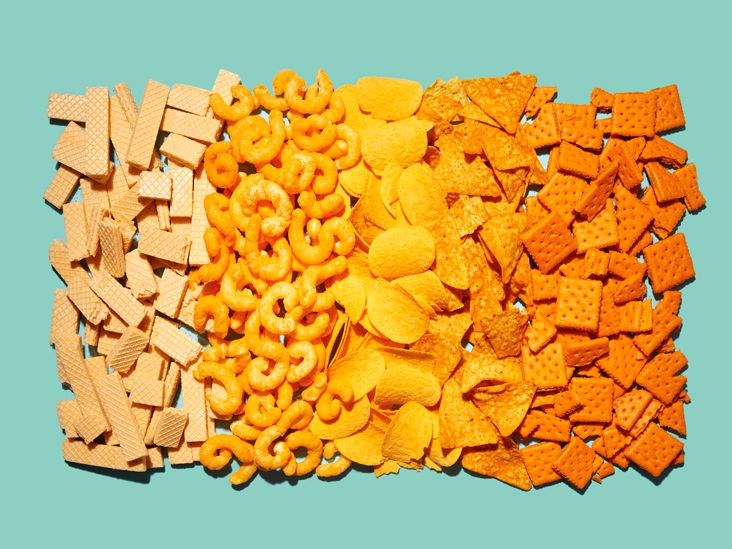
Food manufacturers do not create addictive products by accident. They employ sensory scientists to find the Bliss point—a specific mathematical ratio of sugar, salt, and fat that maximizes palatability while bypassing natural satiety signaling. When a food reaches this point, the brain's "stop" signal, usually governed by hormones like leptin and CCK, is effectively silenced.
To determine if your relationship with food has crossed into the territory of addiction, clinicians use the Yale Food Addiction Scale (YFAS 2.0). This tool maps eating behaviors against the DSM-5 criteria for substance use disorders.
Checklist: Do You Meet the Criteria for Food Addiction?
Check if you regularly experience the following patterns:
- Consuming more of the food than intended or for longer periods than planned.
- Persistent desire or unsuccessful efforts to cut down or control the use of certain foods.
- Spending a significant amount of time obtaining, using, or recovering from the effects of the food.
- Cravings or a strong desire or urge to use the specific food.
- Continued use despite persistent or recurrent social, interpersonal, or physical problems caused by the food.
- Giving up important social, occupational, or recreational activities because of eating.
If you recognize more than three of these signs, you are likely dealing with a neurobiological response rather than a lack of willpower.
Decoding the Ingredients of Addiction
Many hyper-palatable foods share a common chemical profile. High-fructose corn syrup (HFCS) is particularly problematic because it does not stimulate insulin or leptin in the same way glucose does, leaving the brain unaware that calories have been consumed. Similarly, hydrogenated oils and refined carbohydrates are engineered to melt quickly or provide a specific "mouthfeel" that encourages rapid consumption.
Understanding how to tell the difference between dopamine cravings and hunger is vital for recovery. Hunger typically builds slowly, is felt in the stomach, and can be satisfied by a variety of whole foods. A dopamine craving, by contrast, is sudden, highly specific to a brand or texture, and is felt more as an emotional "need" in the head rather than a physical vacancy in the gut.
Resetting the System: Overcoming Processed Food Cravings
The good news is that the brain is remarkably plastic. Through a process of neuroplasticity, we can heal the reward pathways and restore sensitivity to dopamine. However, this process requires a strategic approach that addresses both the brain and the gut-brain axis.
The first step in overcoming processed food cravings is a period of "calibrated abstinence." This isn't a permanent ban on all pleasure, but a necessary reset to allow dopamine receptors to upregulate. During this time, you must focus on steps to reset brain reward pathways through diet by prioritizing high-fiber, nutrient-dense whole foods that provide steady energy without the massive dopamine spikes.
The Withdrawal Timeline: What to Expect
When you stop consuming highly addictive foods, your body will react. Understanding what to expect when quitting addictive processed foods can help you stay the course:
- Days 1-2: Initial motivation is high, but the first waves of psychological "missing" start to appear.
- Days 3-5 (The Peak): This is the most difficult phase. You may experience irritability, intense cravings, and physical symptoms like headaches or changes in sleep patterns as the brain demands its usual dopamine hit.
- Days 7-14: Cravings begin to subside. You may notice that natural foods, like a piece of fruit, start to taste significantly sweeter as your taste buds and reward receptors recalibrate.
- Days 21-28: Most individuals reach a "Subjective Zero" baseline. The compulsive urge to eat trigger foods is replaced by a manageable preference, and executive function begins to reclaim control over impulsive eating patterns.
Strategic Swaps and Environment Design
To survive the reset period, you need to engage in environment design. This involves concrete ways to remove food addiction triggers from your home. If the food is in your pantry, you will eventually eat it during a moment of low executive function.
| Trigger Food (High Dopamine/Low Satiety) | Healthy Swaps for High-Dopamine Trigger Foods | Benefit |
|---|---|---|
| Potato Chips (Salt/Fat/Crunch) | Air-popped popcorn with sea salt & olive oil | High fiber, lower caloric density |
| Sugary Soda (HFCS/Caffeine) | Sparkling water with a splash of lime or berries | Zero sugar, maintains ritual |
| Milk Chocolate (Sugar/Fat) | 85% Dark Chocolate or Walnuts | Polyphenols, healthy fats, less addictive |
| Processed Pizza (Refined Carbs/Salt) | Sourdough crust with abundant vegetables | Better gut-brain axis support |
Managing the gut-brain axis is the secret weapon in this transition. High-fiber intake feeds beneficial gut bacteria that produce short-chain fatty acids (SCFAs), which have been shown to improve satiety signaling and reduce neuroinflammation. By repairing the gut, you make it easier for the brain to regulate its own reward responses.
FAQ
What are the signs and symptoms of food addiction?
Common signs include a loss of control over consumption, spending excessive time obtaining or eating certain foods, and continuing to eat hyper-palatable items despite knowing they cause physical or psychological harm. Physical symptoms can include intense cravings, headaches during withdrawal, and an inability to stop eating even when painfully full.
Is food addiction a recognized medical diagnosis?
While food addiction is not currently listed as a formal diagnosis in the DSM-5, it is a widely recognized clinical phenomenon in the fields of neuroscience and nutritional psychiatry. It is often evaluated using the Yale Food Addiction Scale (YFAS 2.0), which applies the same diagnostic criteria used for substance use disorders to eating behaviors.
How can I stop my addiction to junk food?
Stopping the cycle requires a combination of environment design—removing triggers from your home—and a 21-to-28-day "reset" period where you avoid ultra-processed foods. Focusing on high-fiber whole foods and staying hydrated helps to stabilize the gut-brain axis and allows the brain’s dopamine receptors to return to a normal level of sensitivity.
Can food addiction be cured or managed?
Most experts view food addiction as a condition that can be successfully managed through long-term dietary shifts and behavioral strategies. While the "cravings" may never disappear entirely, the brain’s neuroplasticity allows the prefrontal cortex to regain executive function, making it much easier to choose healthy options over time.
Does food addiction affect the brain similarly to drugs?
Yes. Neuroimaging studies show that hyper-palatable foods activate the same regions of the brain—specifically the nucleus accumbens and the ventral tegmental area—as drugs like cocaine and alcohol. Both involve the massive release of dopamine and the eventual downregulation of receptors, leading to tolerance and withdrawal.
The Path Forward
Reclaiming your health from the grip of a hyper-palatable food addiction is not a matter of "trying harder." It is a matter of understanding the biological hardware of your brain and making the necessary adjustments to let it heal. By shifting away from engineered "Bliss Points" and returning to a diet rooted in whole-food complexity, you provide your nervous system the space it needs to reset.
Start with a simple 21-day commitment. Focus on fiber, prioritize protein, and remove the environmental triggers that make willpower unnecessary. If your symptoms persist or feel overwhelming, consider consulting a nutritional psychiatrist who specializes in metabolic health to help guide your neurobiological recovery.