Does a daily pill hold the secret to a longer life? A recent NIH study on multivitamins and mortality involving nearly 400,000 participants suggests otherwise. While millions rely on multivitamin longevity promises, researchers found no significant link between supplement use and increased life expectancy. In fact, for healthy adults, the secret to aging well may lie in the food matrix of whole foods rather than synthetic isolates. Let’s dive into the data and what it means for your supplement routine and how why healthy adults may not need multivitamins for longevity to achieve their health goals.
Quick Facts
- The Study Size: A massive cohort of 390,124 healthy U.S. adults followed for over 20 years.
- The Core Finding: Daily multivitamin use did not reduce the risk of death from cancer, heart disease, or any other cause.
- The Early Risk: Researchers noted a 4% higher mortality risk among daily users during the initial years of the study.
- The Healthy User Bias: Many people who take vitamins already lead healthy lifestyles, which can make supplements look more effective than they actually are.
- The Food Matrix: Natural nutrients work better when consumed with the fibers, cofactors, and enzymes found in whole foods.
- Critical Exceptions: Multivitamins remain essential for pregnancy, those with clinical deficiencies, and specific needs for seniors.
A major NIH study indicates that daily multivitamin use does not correlate with increased longevity or a lower risk of death in healthy adults, suggesting that whole food nutrition is superior for life expectancy.
The NIH Mortality Study: 20 Years of Data
For decades, the dietary supplement industry has marketed the daily multivitamin as an insurance policy against aging. However, recent findings from the National Institutes of Health provide a sobering reality check. Led by Dr. Erikka Loftfield at the National Cancer Institute, the researchers analyzed data from nearly 400,000 adults who were generally healthy at the start of the observation period. This scale of research is critical in the field of nutritional epidemiology because it filters out short-term fluctuations and focuses on long-term outcomes.
The results were remarkably consistent. Over the two-decade follow-up, there were no significant differences in mortality from cancer, heart disease, or cerebrovascular diseases between those who took a daily multivitamin and those who did not. Interestingly, the nih study on multivitamins and mortality results showed that multivitamin users actually had a slightly higher risk of death in the early years of follow-up. While this doesn't necessarily mean the vitamins were toxic, it suggests that people might start taking supplements when they begin to feel unwell, a phenomenon known as reverse causation.
This study challenges the common assumption that more is always better. When we look at chronic disease risk, the data suggests that isolated nutrients delivered in a capsule do not replicate the protective effects of a diet high in vegetables, fruits, and legumes. For the average healthy adult, the search for multivitamin longevity in a bottle may be a distraction from more impactful lifestyle changes.
Synthetic Isolates vs. The Food Matrix
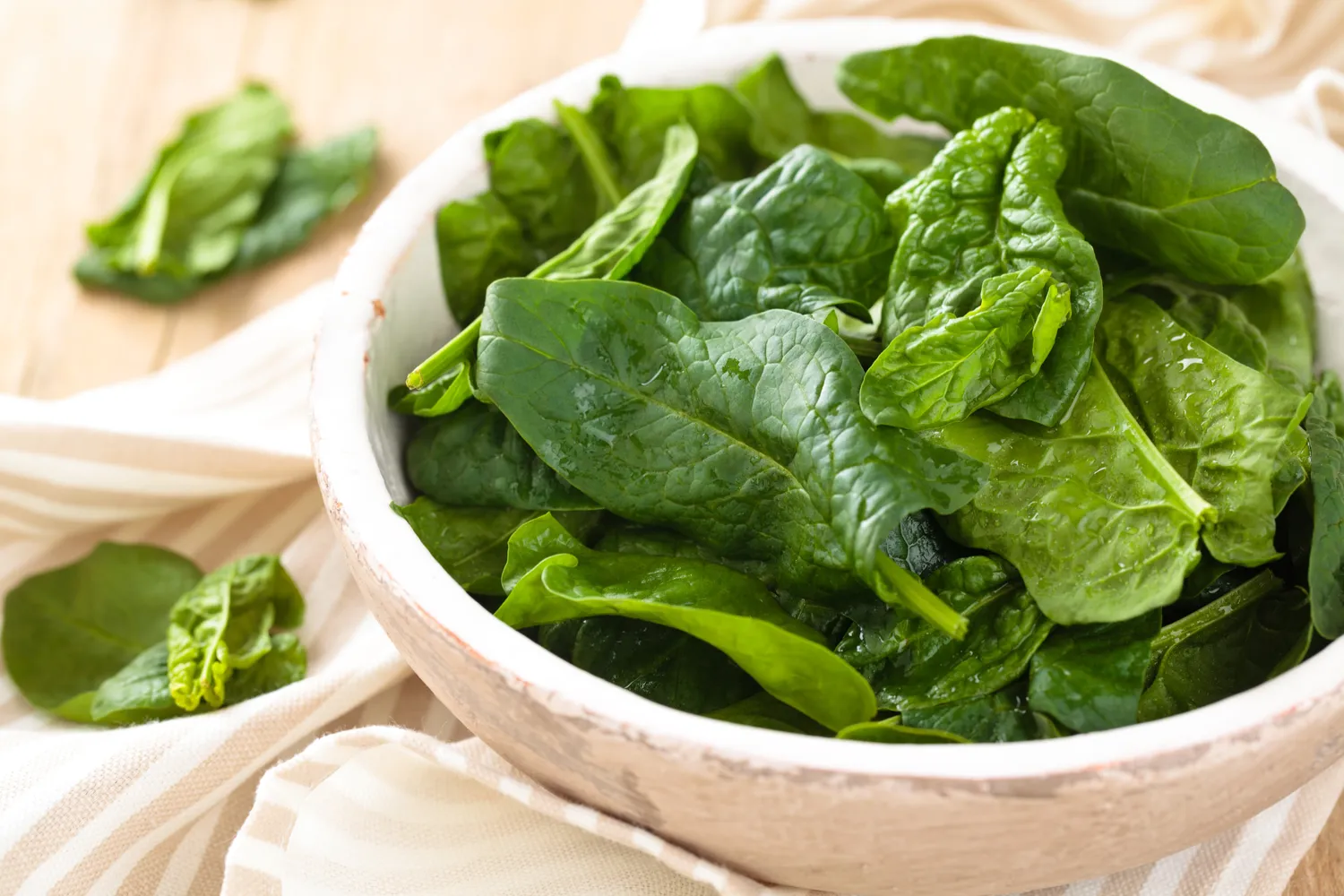
To understand why the NIH study yielded these results, we must look at the difference between synthetic isolates and the food matrix. When you eat a whole food, like a red bell pepper, you aren't just getting vitamin C. You are consuming a complex structure of fiber, polyphenols, phytochemicals, and various cofactors that the body has evolved to process over millennia.
Bioavailability refers to how well your body can absorb and utilize a nutrient. In whole foods, nutrients are often packaged with fats or enzymes that aid absorption. Synthetic isolates, manufactured in a lab, often lack these supporting players. For example, the vitamin E found in food exists in eight different chemical forms, while most multivitamins only provide one. This lack of complexity is a primary reason why whole food nutrition vs supplements is a lopsided debate when it comes to long-term health.
| Feature | Synthetic Isolates (Multivitamins) | Whole Food Matrix |
|---|---|---|
| Nutrient Structure | Isolated, often single chemical form | Complex, multiple forms and cofactors |
| Bioavailability | Variable; often requires specific timing | Naturally optimized for absorption |
| Fiber Content | None | High (essential for gut health) |
| Synergy | Low; nutrients may compete for absorption | High; components work together |
| Phytochemicals | Minimal to none | Thousands of bioactive compounds |
The human body is not a simple machine where you can just "input" 100% of the Daily Value of a vitamin and expect a specific output. The synergy of nutrients—how vitamin K2 helps direct calcium to the bones instead of the arteries, for instance—is much more effective when sourced from a diverse diet. By focusing on whole food vs synthetic supplements for longevity, you ensure your body receives the full spectrum of biological tools it needs to thrive.
When a Multivitamin is Medically Necessary
While the NIH study suggests that healthy adults don't gain a lifespan advantage from multivitamins, this does not mean supplements are useless for everyone. There is a significant difference between taking a pill for general longevity and taking a targeted supplement to address a specific medical need. Evaluating dietary supplement needs should always be done on an individual basis with a healthcare provider.
There are several populations where supplementation is not just helpful, but vital:
- Pregnancy and Pre-conception: Folic acid is critical for preventing neural tube defects. Most doctors recommend a prenatal vitamin because the requirement for certain nutrients increases dramatically during this time.
- Seniors and Vitamin B12: As we age, our stomach acid production decreases, making it harder to extract B12 from animal proteins. Synthetic B12 is often better absorbed by older adults.
- Geographic and Seasonal Vitamin D: In northern latitudes during winter, it is nearly impossible to get enough vitamin D from the sun. Supplementation helps maintain bone density and immune function.
- Chronic Conditions: Individuals with Celiac disease, Crohn’s, or those who have undergone gastric bypass surgery often have malabsorption issues that necessitate high-dose micronutrient density through supplements.
- Specific Eye Health: The AREDS2 formulation, a specific blend of antioxidants and zinc, has been shown to slow the progression of age-related macular degeneration, a major cause of vision loss.
In these cases, the goal isn't necessarily extending life expectancy, but rather maintaining quality of life and preventing specific deficiencies.

How to Transition to Nutrient-Dense Whole Foods
If you have been relying on a multivitamin and want to shift toward a more evidence-based approach to healthy aging, the transition doesn't have to be overwhelming. The goal is to maximize your intake of bioactive compounds and dietary fiber, which are the true hallmarks of longevity-promoting diets.
Start by looking at the dietary patterns of the Blue Zones—regions of the world where people live statistically longer lives. These populations don't rely on synthetic pills. Instead, their diets are centered around whole grains, tubers, nuts, and a vast variety of seasonal vegetables. They prioritize the Mediterranean style of eating, which emphasizes healthy fats like olive oil and plenty of plant-based proteins.
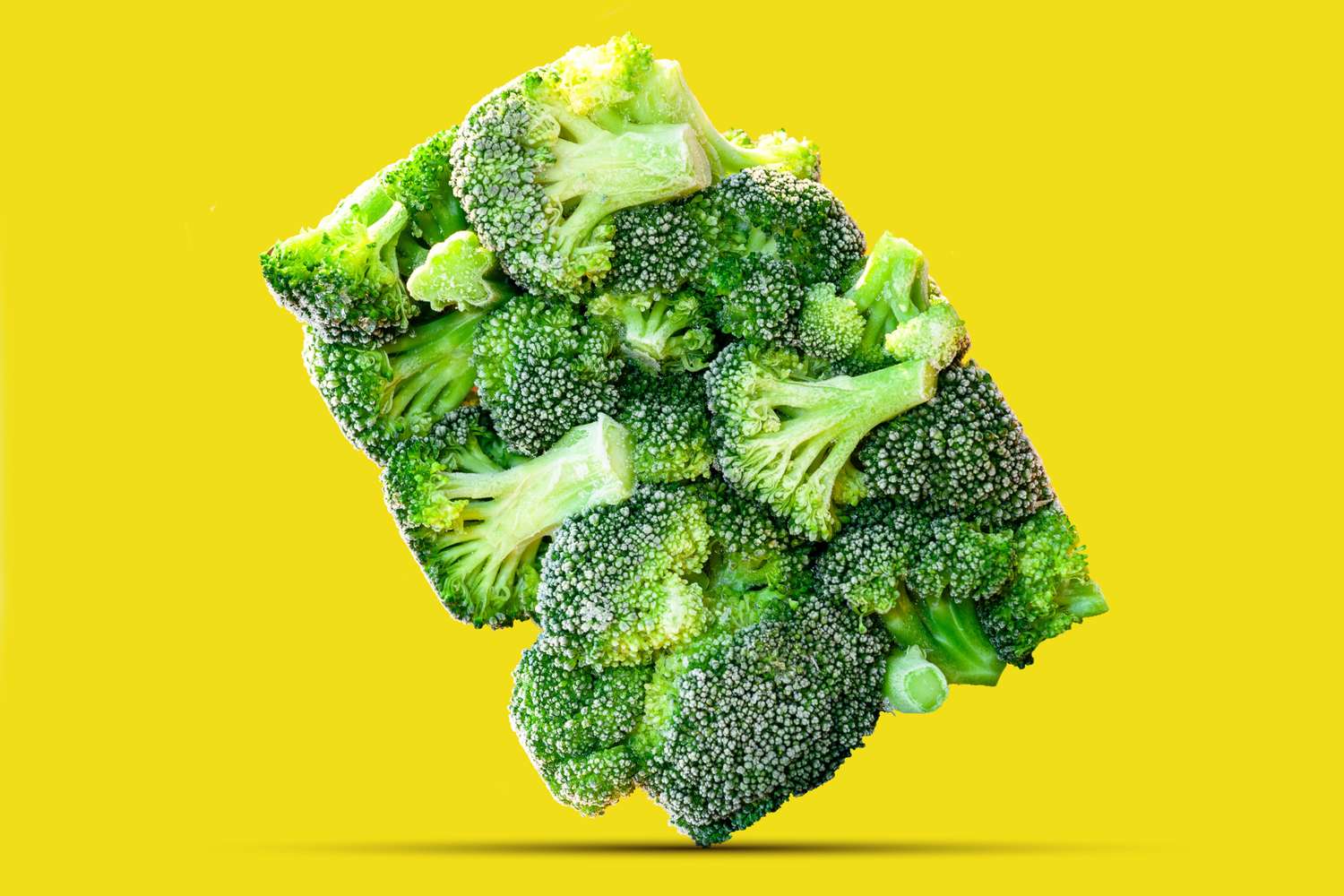
One of the best ways to increase your nutrient intake without breaking the bank is to utilize the freezer aisle. Flash-frozen vegetables are often more nutrient-dense than "fresh" produce that has sat on a truck for a week, as freezing locks in vitamins at the moment of harvest. This makes it easier to find the best nutrient dense foods for healthy aging year-round.
To make the transition practical, try these steps:
- The 50% Rule: Fill half your plate with colorful vegetables at every meal. This ensures a high intake of phytochemicals.
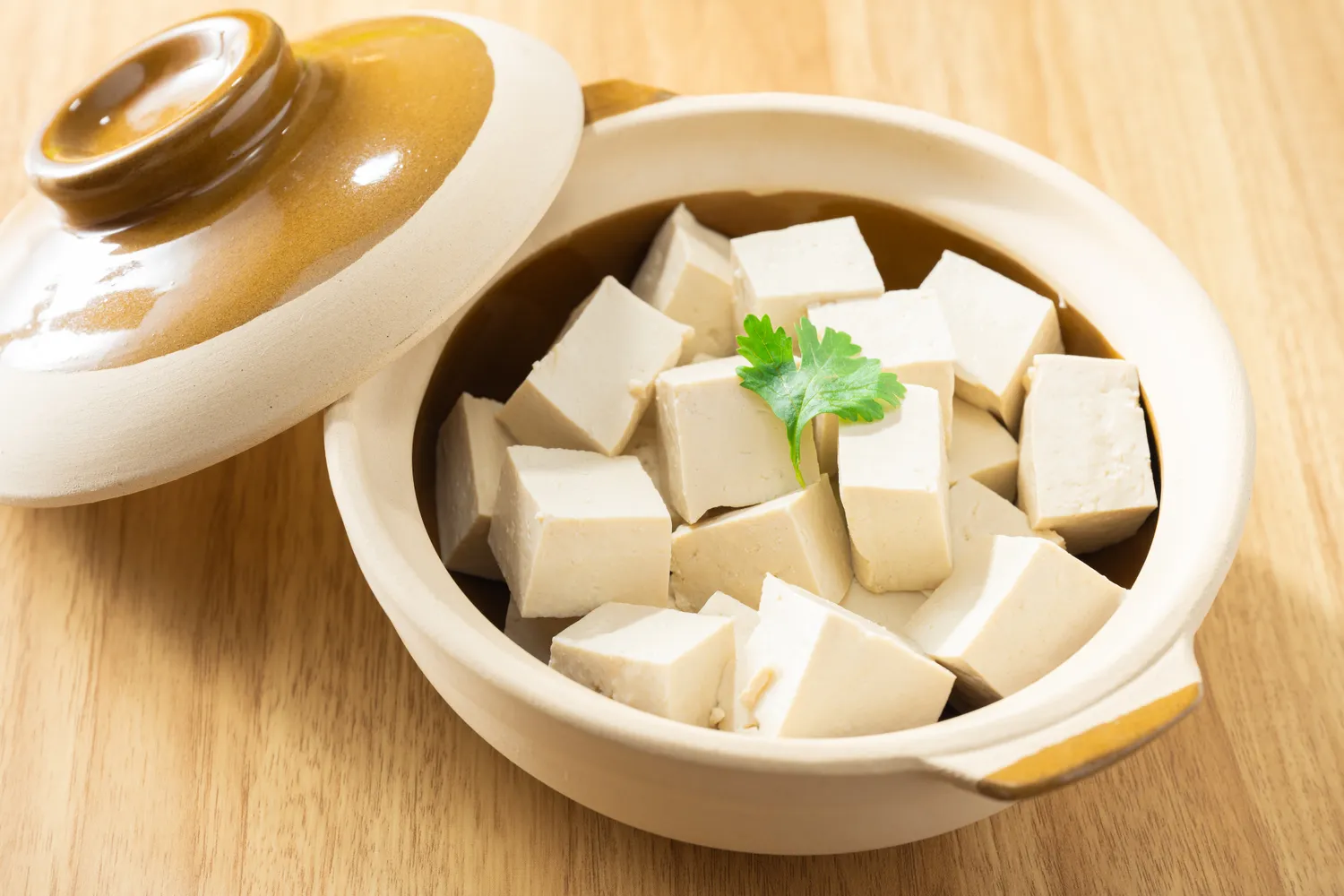
- Swap Your Protein: Incorporate more beans, lentils, and tofu. Plant-based proteins are a cornerstone of longevity diets and provide fiber that supplements lack.
- Read the Labels: If you do buy packaged foods, look for short ingredient lists. Avoid products with synthetic fillers or excessive added sugars that can increase chronic disease risk.
- Identify the Gap: Instead of a broad multivitamin, use blood tests to see if you have a specific deficiency (like Iron or Vitamin D) and treat only that.
FAQ
Do multivitamins help you live longer?
Based on the latest NIH research involving nearly 400,000 adults, there is no evidence that taking a daily multivitamin helps healthy adults live longer or reduces the risk of death from major diseases like cancer or heart disease.
Is there scientific proof that taking a multivitamin increases lifespan?
The majority of long-term, large-scale studies have failed to find scientific proof that multivitamins increase lifespan in healthy populations. While they can prevent deficiency diseases like scurvy or rickets, they do not appear to impact the aging process itself or overall life expectancy.
Are there any risks to taking multivitamins for a long time?
For most people, a standard multivitamin is safe. However, some studies have noted a slightly higher mortality risk in early follow-up periods for users. Additionally, taking excessive amounts of fat-soluble vitamins (A, D, E, and K) can lead to toxicity because the body stores them in fat tissues rather than excreting them.
Is it better to get nutrients from food or supplements for longevity?
Yes, it is generally better to get nutrients from food. Whole foods provide the food matrix, which includes fiber and thousands of phytochemicals that work synergistically. These natural components are more effective at reducing chronic disease risk than isolated synthetic vitamins.
Should seniors take a specific type of multivitamin for a longer life?
While a multivitamin may not guarantee a longer life, seniors should focus on specific nutrients that become harder to absorb with age, such as Vitamin B12, Vitamin D, and Calcium. Rather than a general multivitamin, targeted supplementation based on a doctor's recommendation is usually more effective.
Conclusion: Personalizing Your Health Strategy
The NIH study serves as a powerful reminder that health cannot be distilled into a single daily pill. Longevity is the result of cumulative patterns: what we eat, how we move, and how we manage stress. While the supplement industry continues to promote multivitamin longevity, the data points clearly toward the produce aisle.
Relying on whole foods ensures you are getting a complex delivery system of nutrients that no laboratory can currently replicate. Before you stop any current supplement routine, it is always wise to consult with a healthcare professional or a registered dietitian. By evaluating dietary supplement needs through the lens of science rather than marketing, you can focus your resources on the habits that truly help you age with vitality.