Quick Facts
- Omega-3 Leader: Atlantic mackerel typically contains 1,954 mg of EPA and DHA per serving, compared to 1,671 mg in salmon.
- Vitamin B12 Powerhouse: Mackerel provides over 16.7 µg per serving, which is more than five times the amount found in salmon.
- Vitamin D Champion: Salmon is one of the best natural sources of Vitamin D, essential for bone health and immune function.
- Mineral Content: Mackerel is richer in essential minerals like magnesium, iron, and phosphorus, supporting overall nutrient density.
- Mercury Safety: While salmon is consistently safe, only smaller mackerel species like Atlantic or Pacific varieties should be chosen to avoid heavy metal toxicity.
- Best for Weight Goals: Both are calorie-dense and high in protein, making them excellent staples for a Mediterranean diet or high-protein meal plan.
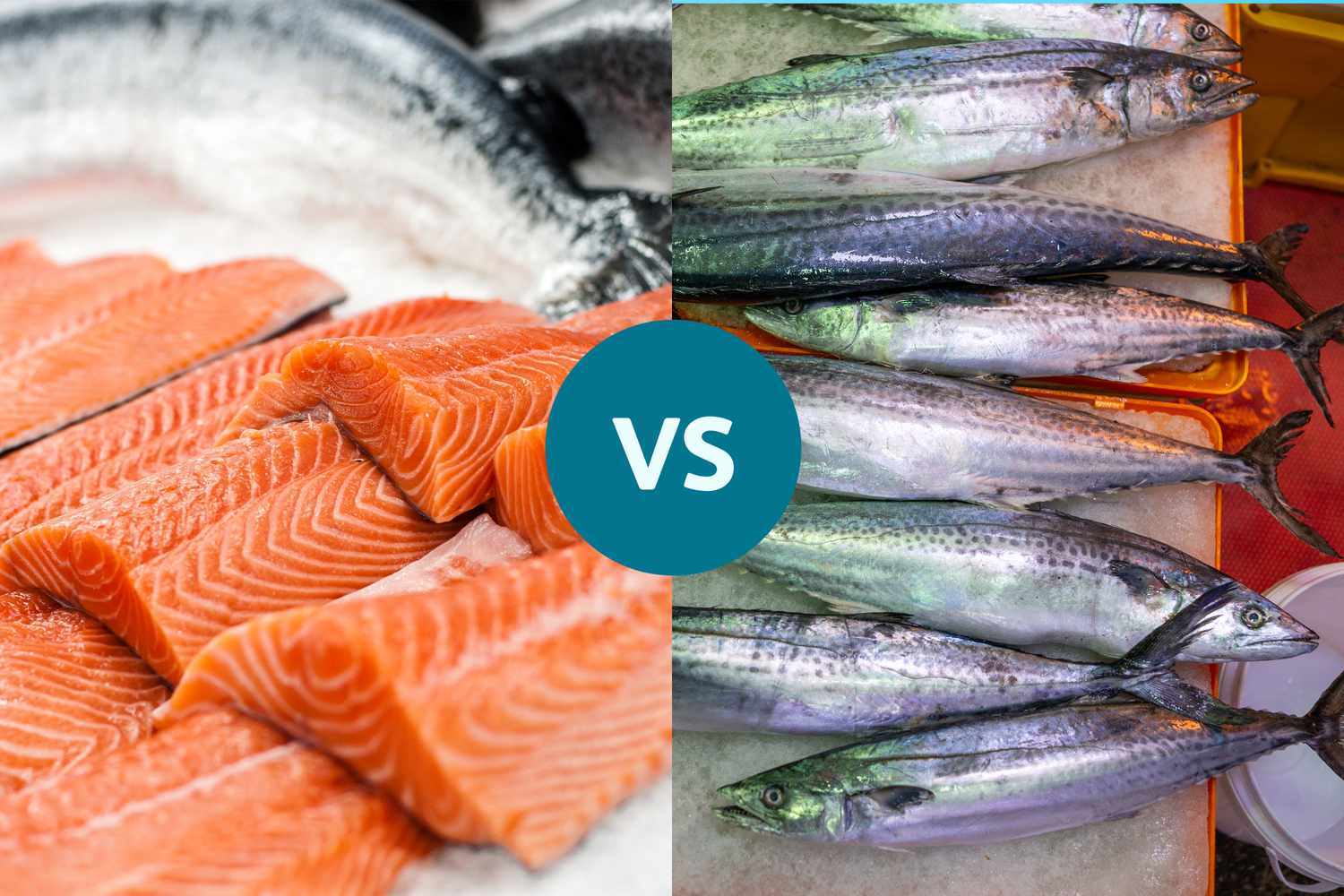
In the comparison of salmon vs mackerel, both are elite fatty fish, but mackerel often contains higher Omega-3 levels and Vitamin B12, while salmon leads in Vitamin D and B-vitamins. Choosing between salmon vs mackerel nutrition depends on your specific needs; mackerel is superior for B12 and minerals, while salmon provides higher Vitamin D. Both are excellent for cardiovascular wellness.
Nutritional Breakdown: The Omega-3 Showdown
When we talk about fatty fish, the conversation almost always starts with omega-3 fatty acids. These are the polyunsaturated fats that the body cannot produce on its own, meaning we must get them from our diet. Specifically, we look for EPA and DHA, the marine-based fats that are far more bioavailable than the ALA found in flaxseeds or walnuts.
In the head-to-head of salmon vs mackerel omega-3 content, the numbers favor the mackerel. Atlantic mackerel typically contains higher levels of heart-healthy omega-3 fatty acids than farmed Atlantic salmon, providing approximately 1,954 mg per 3-ounce serving compared to about 1,671 mg in salmon. This difference might seem small, but over several meals a week, it contributes significantly to a lower inflammatory profile.
These fats are vital for cardiovascular wellness, helping to reduce inflammation and lower triglyceride levels. High triglyceride levels are a known risk factor for heart disease, and consistent intake of EPA and DHA is one of the most effective ways to manage them. While salmon often shows slightly higher concentrations of omega-3s in certain wild-caught varieties, mackerel remains a top-tier choice for supporting brain function and heart health. If you are looking for the absolute maximum dose of healthy fats to support your joints or heart, mackerel is the narrow winner in this category.
Vitamins and Minerals: B12 vs. Vitamin D
Beyond the fats, the micronutrient science of these two fish reveals a "who wins" scenario based on your specific deficiencies. The most striking difference is found in Vitamin B12. This vitamin is essential for nerve function, DNA production, and the formation of red blood cells. Mackerel provides a more concentrated source of Vitamin B12 than salmon, offering approximately 16.7 µg per serving compared to salmon's 3.2 µg. For anyone following a Mediterranean diet who may not eat much red meat, mackerel is an incredible way to keep B12 levels optimal.
However, salmon holds a distinct advantage when it comes to Vitamin D. Vitamin D is notoriously difficult to find in whole foods, and many adults living in northern latitudes are chronically deficient. Salmon is one of the few natural sources that can provide a meaningful percentage of your daily requirement. Additionally, salmon is typically richer in Vitamin D and specific B vitamins such as B1, B3, and B6, which are crucial for energy metabolism.
When evaluating mackerel fish vs salmon nutrition through a mineral lens, mackerel again shows impressive nutrient density. It contains higher levels of Selenium, an antioxidant that protects cells from damage, as well as Phosphorus and Magnesium. These minerals are necessary for bone density and muscle relaxation. If you are focused on a broad spectrum of minerals and Vitamin B12, mackerel takes the lead. If you are struggling with low energy or need to support your immune system via Vitamin D, salmon is the better choice.
The Mercury Debate: King Mackerel vs. Atlantic Salmon
Safety is a primary concern for many seafood lovers, specifically regarding heavy metal toxicity. The process of bioaccumulation means that larger fish that live longer and eat other fish tend to have higher levels of mercury in their tissues. This is where the mackerel vs salmon mercury debate becomes critical, as the answer depends entirely on the species of mackerel you buy.
Atlantic mackerel and salmon are both considered low-mercury choices with average levels below 50 parts per billion, though health organizations warn that larger species like king mackerel can accumulate significantly higher mercury concentrations. This makes small mackerel species a "Best Choice" for pregnant women and young children, according to most health guidelines.
Mercury Safety Categories
- Safest Choices: Atlantic Mackerel, Pacific Mackerel, Wild-caught Salmon, Farmed Salmon.
- Caution Required: Spanish Mackerel (moderate levels).
- Avoid: King Mackerel (high levels of bioaccumulation).
While salmon is consistently low in heavy metals across both farmed varieties and wild-caught options, King Mackerel is one of the few fish on the FDA's "avoid" list. To minimize toxicity risks, it is safer to choose smaller varieties like Pacific or Atlantic mackerel, which offer a safety profile comparable to wild-caught salmon. When you shop, always check the label to ensure you aren't accidentally buying a larger, high-mercury species.
Practical Considerations: Taste, Price, and Sustainability
Even the healthiest food won't benefit you if you don't enjoy eating it or can't afford it. The mackerel vs salmon taste profiles are quite different. Salmon is famous for its mild, buttery flavor and firm, flaky texture. It is a "gateway fish" that even people who don't like seafood often enjoy. Mackerel, on the other hand, has a much bolder, oilier, and "fishier" profile. It stands up well to strong spices, citrus, and grilling, but it can be polarizing for those who prefer milder tastes.
In terms of the mackerel vs salmon price, mackerel is almost always the more budget-friendly option. Because it is an abundant schooling fish, it is cheaper to harvest. Most mackerel is wild-caught, whereas much of the salmon in grocery stores is farmed. For those concerned about sustainability, choosing wild-caught Atlantic mackerel is often a superior ecological choice compared to some intensive salmon farming operations.
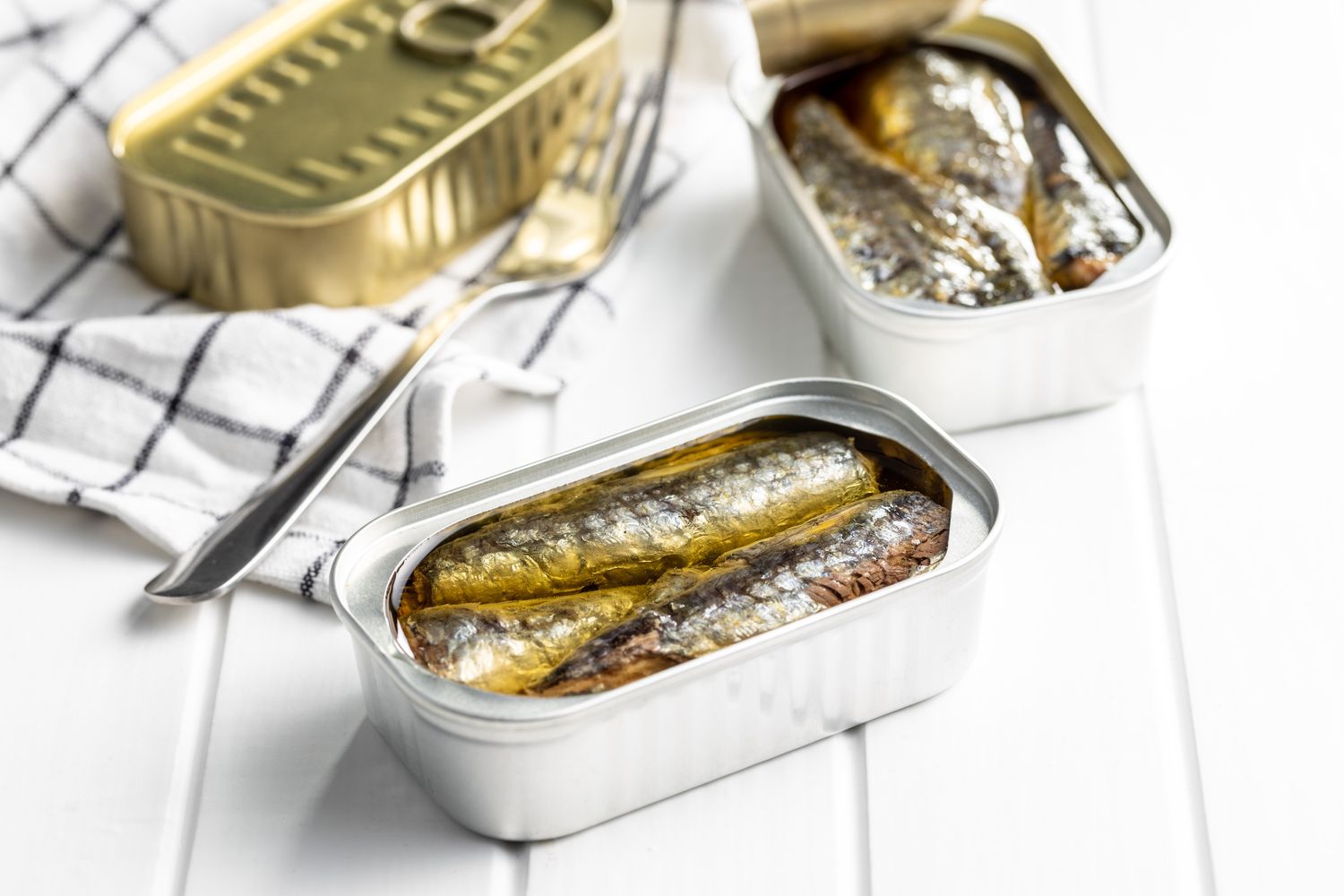
If you are looking for convenience, comparing canned mackerel vs canned salmon is a great place to start for pantry prep. Canned mackerel is often sold in olive oil or tomato sauce and makes a great addition to salads or pasta. Canned salmon is excellent for making salmon burgers or spreads. Both remain highly nutritious even in canned form, but mackerel often retains its structural integrity and moisture better than canned salmon. For those trying to decide between salmon vs sardines vs mackerel, all three are nutritional powerhouses, but mackerel offers a middle ground between the small, bony texture of sardines and the large fillets of salmon.
FAQ
Which is better salmon or mackerel?
Neither is objectively better, as they serve different health goals. Mackerel is superior for Vitamin B12, Selenium, and total Omega-3 content. Salmon is the better choice for Vitamin D and B-vitamins like B6. Both are exceptional for heart health and should be rotated in a healthy diet.
Is mackerel the healthiest fish?
Mackerel is among the top three healthiest fish due to its extremely high density of EPA and DHA fatty acids and its massive amount of Vitamin B12. However, this only applies to smaller species like Atlantic or Pacific mackerel; larger species pose mercury risks.
Why are people warned to stop eating mackerel?
The warnings usually refer specifically to King Mackerel, which has high levels of mercury due to bioaccumulation. Some regions also issue warnings based on overfishing, though Atlantic mackerel populations are generally considered a sustainable seafood choice in most well-managed fisheries.
What are the top 3 healthiest fish?
Generally, the healthiest fish are those high in omega-3s and low in mercury. This list almost always includes wild-caught salmon, Atlantic mackerel, and sardines. These fish provide the most nutrient density for the lowest risk of toxins.
What are the disadvantages of mackerel?
The main disadvantages are its strong flavor, which some find too intense, and its shorter shelf life compared to leaner fish. Additionally, there is the risk of accidentally purchasing high-mercury species like King Mackerel if the consumer is not careful about checking the specific variety.