Quick Facts
- Risk Increase: Consuming 50 grams of processed meat daily—about two slices of ham—is linked to a 15% higher risk of developing type 2 diabetes over a decade.
- The 62% Stat: People with the highest levels of red meat consumption face a 62% higher risk of developing the condition compared to those who eat the least.
- The Power of the Swap: Replacing just one daily serving of meat with plant-based protein alternatives like nuts or legumes can lower your risk by up to 30%.
- Healthy Limit: For optimal metabolic health, health experts suggest limiting intake to 1-2 servings of unprocessed red meat per week.
- Portion Control: A standard serving should be roughly 4 to 6 ounces, which is about the size of your fist or a deck of cards.
- Biological Culprits: Components such as heme iron and saturated fats are known to trigger chronic inflammation and reduce how well your body uses insulin.
Current epidemiological evidence shows a consistent association between high red meat consumption and an increased risk of type 2 diabetes. Research suggests that both unprocessed red meat, such as steak, and processed meats, like bacon or sausage, contribute to this risk because components like heme iron, saturated fats, and dietary nitrates can negatively impact insulin sensitivity and promote chronic inflammation, which impairs glucose metabolism.
The Biological Journey: How Meat Affects Your Blood Sugar
When we talk about red meat diabetes links, we have to look under the hood at what happens to your biology. It isn't just about calories; it’s about the specific compounds found in animal tissues. One of the primary suspects is heme iron. While iron is essential for carrying oxygen in your blood, the heme version found in animal products can act as a pro-oxidant. This promotes oxidative stress, which can damage the cells in your pancreas responsible for producing insulin.
Saturated fat also plays a significant role in this journey. High levels of saturated fat in the diet are known to interfere with insulin sensitivity. When your cells become less responsive to insulin, glucose metabolism slows down, and sugar begins to build up in the bloodstream rather than being used for energy. This state of insulin resistance is the hallmark of type 2 diabetes.
Furthermore, many processed varieties contain dietary nitrates used for preservation. When these are digested, they can form compounds that are toxic to pancreatic beta cells. This combination of factors creates a state of chronic inflammation throughout the body. Over time, this systemic stress makes it harder for your metabolic health to remain in balance, eventually leading to a diagnosis of prediabetes or full-blown type 2 diabetes.
Data vs. Reality: Understanding the Red Meat-Diabetes Link
It is easy to see a headline and feel like you have to give up steak forever, but as an editor, I always look for the nuance in the numbers. Much of what we know comes from epidemiological evidence. These are large-scale observational studies that follow thousands of people over many years. While these studies show a very strong correlation, they aren't the same as clinical trials where every meal is controlled.
One common point of discussion is the "unhealthy user bias." Historically, people who eat a lot of red meat were also more likely to smoke, drink more alcohol, or be less physically active. However, modern research, like the recent 2024 meta-analysis of nearly 2 million adults published in The Lancet Diabetes & Endocrinology, has gotten much better at adjusting for these factors. Even when scientists account for body mass index and other lifestyle choices, the link between red meat diabetes risk remains significant.
It is worth noting that weight management is still a primary driver of risk. A high body mass index can increase diabetes risk significantly—in some extreme cases, up to 93-fold for those with a BMI over 35. Therefore, while your meat intake matters, it is one piece of a larger puzzle that includes your overall weight and activity levels.
Processed vs. Unprocessed: Assessing the Risk
Not all meat is created equal when it comes to your health. The data makes a sharp distinction between a fresh piece of beef and a package of deli meat. A study published in The Lancet warns that eating just 50 grams of processed meat daily is associated with a 15% higher risk of developing the disease over a 10-year period.
Processed meats like sausages, bacon, and deli slices are often high in sodium content and dietary nitrates. They also undergo high-heat processing that creates advanced glycation end products. These compounds can promote weight gain and further damage insulin sensitivity. If you are wondering, can you eat burgers on a prediabetes diet, the answer is yes, but the quality of the patty and the frequency matter. A homemade burger using leanest cuts of red meat for blood sugar management is a far better choice than a fast-food patty loaded with additives and served on a refined white bun.
Unprocessed red meat, like a flank steak or lamb chop, carries a lower risk than processed versions, but it is not risk-free. Even 100 grams of unprocessed red meat daily is linked to a 10% higher risk. The goal isn't necessarily total elimination but moving these foods from the "staple" category to the "occasional" category.
The Power of the Swap: Best Plant-Based Protein Alternatives
One of the most encouraging findings in recent nutrition science is that you can actively lower your risk by making simple substitutions. Research from the Harvard T.H. Chan School of Public Health found that substituting one daily serving of red meat with plant-based protein sources, such as nuts or legumes, is associated with a 30% lower risk of developing type 2 diabetes.
Why are plant-based protein alternatives so effective? Unlike meat, plant proteins like beans, lentils, and chickpeas are packed with fiber. Fiber slows down the absorption of sugar, preventing the sharp spikes in blood glucose that wear out your insulin response over time. Many legumes also contain saponins and other phytochemicals that have been shown to improve glucose metabolism.
If you are looking for plant based protein alternatives to red meat for diabetics, consider these nutrient-dense substitutes:
- Lentils: Excellent for soups and salads, providing a "meaty" texture with zero saturated fat.
- Chickpeas: Great for humas or roasted as a crunchy snack.
- Quinoa: A complete protein that also provides healthy complex carbohydrates.
- Nuts and Seeds: Walnuts and chia seeds provide omega-3 fatty acids that help fight chronic inflammation.
Risk Reduction Comparison
| Meat Serving (1 daily) | Replacement Source | Estimated Risk Reduction |
|---|---|---|
| Processed Meat | Legumes or Nuts | ~30% |
| Unprocessed Red Meat | Whole Grains | ~10-14% |
| Any Red Meat | Soy Products (Tofu/Tempeh) | ~15% |

Practical Portions: How to Enjoy Meat Safely
Lowering diabetes risk by swapping steak for legumes doesn't mean you have to become a vegetarian overnight. It’s about meat portion control for health. Most health organizations suggest that if you choose to eat red meat, you should aim for no more than 12 to 18 ounces (cooked weight) per week. That translates to about three small portions.
Here are some portion control tips for red meat in a diabetes diet:
- Use the Fist Rule: A single serving of meat should be no larger than the size of your fist.
- The Plate Method: Fill half your plate with non-starchy vegetables, one-quarter with whole grains, and leave only the remaining quarter for your protein.
- Pick Leaner Cuts: When shopping, look for the leanest cuts of red meat for blood sugar management, such as eye of round, sirloin tip side steak, or top round roast. These have less saturated fat than ribeye or T-bone steaks.
- Mind the Cooking Method: Grilling or broiling is generally better than frying. Avoid heavy, sugary marinades that can add unnecessary calories and affect glucose levels.
By focusing on quality and quantity, you can still enjoy a steak dinner occasionally while keeping your metabolic health on the right track.
FAQ
Does eating red meat increase the risk of type 2 diabetes?
Yes, consistent epidemiological evidence from major institutions like Harvard and The Lancet shows that high intake of red meat is linked to an increased risk. Specifically, those with the highest consumption levels have been found to have a 62% higher risk compared to those with the lowest intake.
Which meat is best for a diabetic diet?
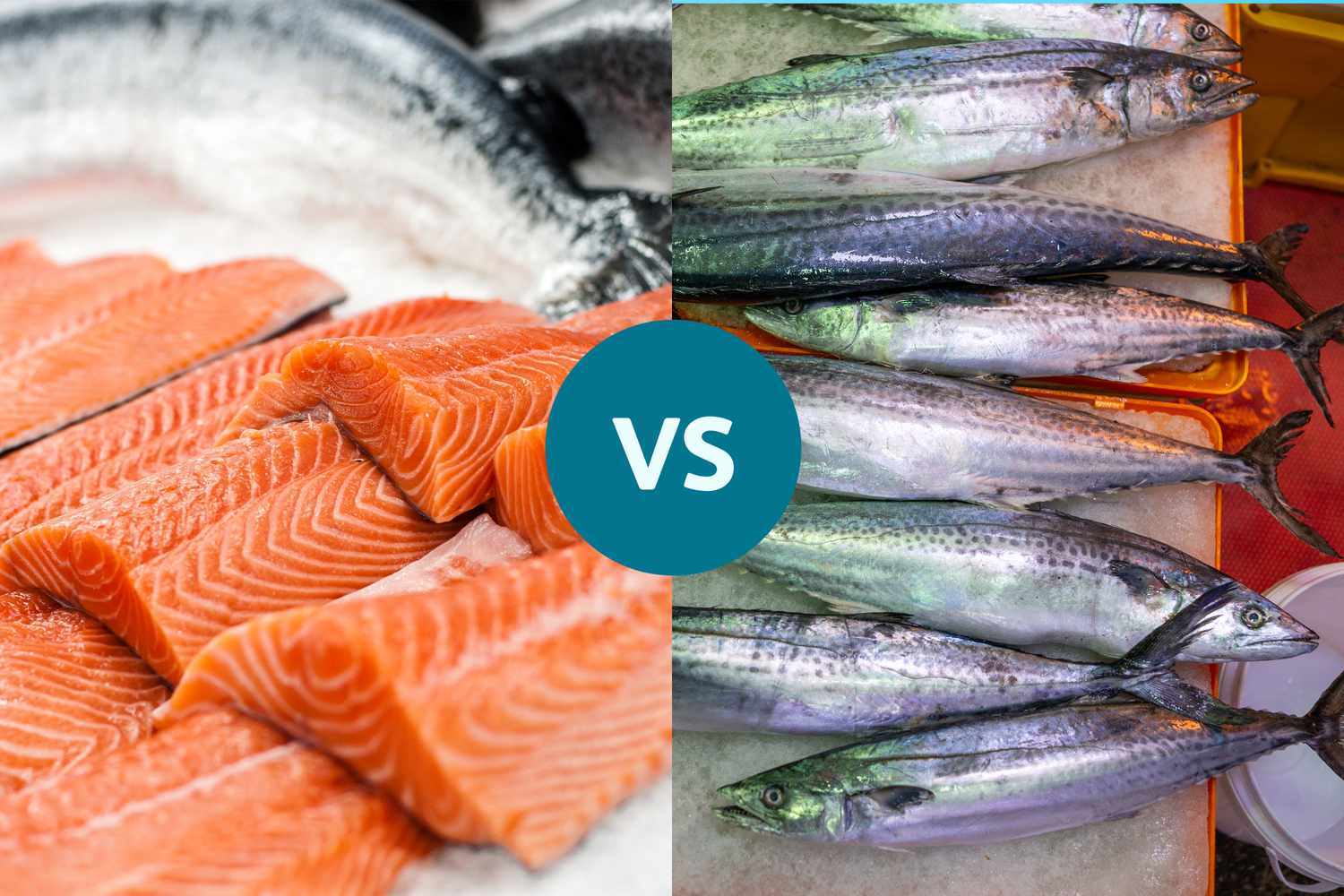
Lean, unprocessed meats are the best choice. This includes poultry like skinless chicken or turkey, and leanest cuts of red meat for blood sugar management like sirloin or tenderloin. However, the most "diabetes-friendly" proteins are actually plant-based, such as beans and lentils, or fatty fish like salmon which provides omega-3s.
How much red meat is safe for a person with diabetes?
While there is no "one-size-fits-all" number, experts generally recommend limiting red meat to 1-2 servings per week. Each serving should be roughly 3 to 4 ounces of cooked meat. Prioritizing plant-based protein alternatives on the other days of the week is a proven strategy for managing the condition.
Does red meat raise your blood sugar?
Red meat itself does not typically cause an immediate spike in blood sugar because it contains very few carbohydrates. However, it can affect blood sugar indirectly over time by decreasing insulin sensitivity. The high saturated fat and heme iron content can lead to chronic inflammation, making it harder for the body to manage glucose levels in the long run.
Can red meat cause insulin resistance?
Research suggests that the components in red meat, particularly saturated fats and heme iron, can promote oxidative stress and inflammation. This can impair the way insulin receptors work on your cells, leading to insulin resistance, which is the primary cause of type 2 diabetes.
What are the risks of eating processed red meat with diabetes?
Processed meats carry the highest risk because they are often high in sodium content and nitrates. These can increase blood pressure and damage the cells in the pancreas that produce insulin. Consuming just 50 grams of processed meat daily is associated with a 15% higher risk of type 2 diabetes.