Quick Facts
- The Core Concept: Focus on what to add to your meals, not what to subtract or restrict.
- The 30+ Rule: Aim for 30 different plant species per week to optimize your gut health.
- Protein Threshold: Target 25-30g of protein per meal to support muscle synthesis and metabolic health.
- Fiber Goal: Consume 25-29g of fiber daily to reduce all-cause mortality risk by up to 30%.
- Satiety ROI: Prioritize foods like potatoes and legumes that offer the highest fullness-per-calorie.
- Nutritional Synergy: Combine specific food groups, such as Vitamin C with iron, to maximize nutrient absorption.
Additive nutrition is a dietary framework that focuses on what can be added to a meal to improve its nutritional profile rather than what should be removed. Instead of restriction, this approach encourages incorporating more fiber, protein, and diverse micronutrients into existing eating patterns. By focusing on additions like vegetables, legumes, or healthy fats, individuals can enhance satiety, stabilize blood sugar, and build more sustainable healthy eating habits without sacrificing cultural or favorite foods.

The Philosophy of Addition Over Subtraction
For decades, the mainstream conversation around wellness has been dominated by what we should stop eating. We have been told to cut carbs, eliminate sugar, and avoid fats. However, this restrictive mindset often leads to the perfection trap, where a single slip-up feels like a total failure, eventually resulting in burnout. As we look toward the nutritional standards of 2026, the focus has shifted toward food neutrality. This means viewing food as fuel and pleasure rather than a series of moral choices.
The philosophy of additive nutrition centers on empowerment. Instead of looking at a plate of pasta and seeing a lack of nutrients, we look at it as a foundation. We ask, "What can I add to this to make it more complete?" This might mean tossing in a handful of spinach for phytochemicals or adding chickpeas for a boost of plant-based protein. This method respects cultural foodways and personal identity by allowing you to keep your favorite traditional dishes while simply enhancing their nutritional density.
Sustainable healthy eating is not about deprivation; it is about abundance. When we focus on adding volume through leafy greens or variety through seeds and grains, we naturally crowd out less nutrient-dense options without the psychological stress of dieting. This shift in perspective fosters mindful eating and a healthier relationship with our plates, ensuring that our dietary changes are ones we can actually maintain for a lifetime.
Biological ROI: How Additive Nutrition Powers Your Body
The reason additive nutrition works so well isn't just psychological; it is deeply rooted in how our biology processes nutrients. One of the most significant benefits of this approach is its impact on our glycemic response. When you add fiber or healthy lipids to a carbohydrate-heavy meal, you slow down the digestion of sugars. This prevents the sharp insulin spikes and subsequent energy crashes that often follow a simple carb meal. By maintaining stable blood sugar, you support long-term metabolic health and keep your energy levels consistent throughout the day.
Another major player in this framework is the gut microbiome. Current 2026 health guidelines emphasize the importance of diversity. A diet rich in various whole food components provides the prebiotic fibers necessary for a thriving gut. When we practice additive nutrition by incorporating a wide array of plant colors and species, we provide the fuel our beneficial bacteria need to produce short-chain fatty acids, which are crucial for reducing inflammation.
The concept of nutritional synergy also plays a vital role here. Some nutrients are simply better together. For instance, the iron found in plant-based sources like lentils is more bioavailable when consumed with Vitamin C. Furthermore, adding healthy fats to a salad allows your body to absorb fat-soluble vitamins like A, D, E, and K.
Statistics highlight the power of these simple additions. For example, a study of over 8,000 adults found that individuals who consume beans have a 23% lower risk of an increased waist size and a 22% lower risk of obesity compared to those who do not eat them. By simply adding a legume component to your existing meals, you are tapping into a high-ROI strategy for weight management and heart health.
Practical Steps for Building Balanced Meals
Moving from theory to practice is where the real transformation happens. When building balanced meals with additive nutrition principles, you don't need a calculator or a complex app. Instead, you can use the 2026 Food Pyramid concept as a visual guide. Visualize your plate divided into sections: half of the plate for colorful vegetables, one-quarter for quality protein, and one-quarter for complex carbohydrates.
If you are wondering how to practice additive nutrition for beginners, start with your existing favorites. If you love breakfast cereal, don't swap it for something you dislike. Instead, add a spoonful of hemp seeds for healthy fats and a handful of berries for fiber. If you are having a sandwich, add several layers of crunchy vegetables and a side of Greek yogurt to increase the protein content. These practical steps for increasing food variety on your plate ensure that you are hitting your nutritional targets without a massive lifestyle overhaul.
Here is a simple way to think about how to add protein and fiber to existing meals:
| Current Meal | The Additive Nutrition Upgrade | Benefit |
|---|---|---|
| Plain Cheese Pizza | Add arugula, peppers, and grilled chicken | Increases fiber, vitamins, and protein |
| Morning Oatmeal | Stir in chia seeds and a scoop of protein powder | Enhances satiety and slows glycemic response |
| White Rice & Veggies | Add black beans or edamame | Boosts amino acids and trace minerals |
| Creamy Pasta | Mix in frozen peas and sautéed kale | Adds volume and gut-supporting prebiotics |
Translating scientific gram targets into actionable habits is easier when you use hand-sized portions. A palm-sized serving of protein, a fist-sized portion of vegetables, and a thumb-sized serving of healthy fats provide a reliable baseline for most individuals. This "no-math" approach makes sustainable healthy eating habits without restriction accessible to everyone, regardless of their schedule or culinary skill level.

Nutrient-Dense Staples for Every Plate
The foundation of a successful additive nutrition strategy lies in your pantry. By keeping nutrient dense food additions for every meal on hand, you make the healthy choice the easy choice. Certain staples offer a higher "Return on Investment" than others because they are packed with essential micronutrients and offer significant satiety signals.
Lentils are a standout in this category. These small but mighty legumes are highly nutrient-dense, providing approximately 9.02 grams of protein and 3.33 milligrams of iron per 100-gram serving. They can be easily stirred into soups, salads, or even taco meat to increase the volume and nutritional value of a meal.
Other high-ROI staples include:
- Potatoes: Often unfairly maligned, potatoes actually rank highest on the satiety index, meaning they keep you full longer than almost any other carbohydrate.
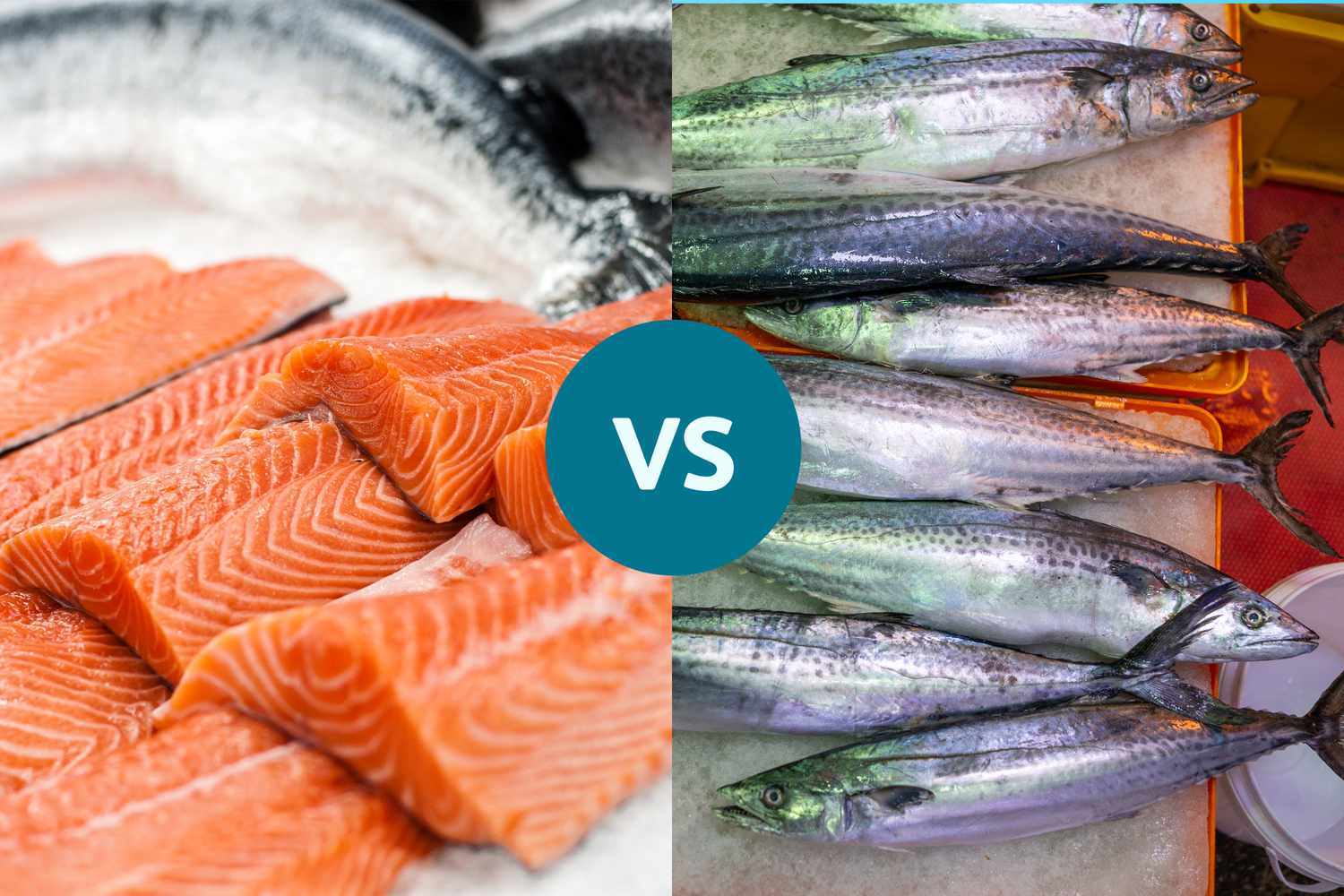
- Wild Salmon: A premier source of Omega-3 fatty acids, which are essential for brain health and reducing systemic inflammation.
- Beef Liver: While an acquired taste for some, it is nature's multivitamin, providing incredible amounts of Vitamin B12 and Vitamin A.
- Seeds (Chia, Flax, Hemp): These provide a concentrated source of minerals and healthy lipids that can be sprinkled on almost anything.
Don't overlook the value of frozen and canned staples. Frozen spinach and canned beans are budget-friendly and often just as nutritious as their fresh counterparts. The key is to look for options with minimal added sodium or sugar, allowing you to control the flavor profile of your final dish. By focusing on these nutrient-dense food additions, you ensure that every bite you take is working to support your overall wellness.
FAQ
What is additive nutrition and why is it used?
Additive nutrition is a dietary strategy that emphasizes adding health-promoting foods to your current diet rather than taking "unhealthy" foods away. It is used to improve the overall nutrient density of a person's diet while reducing the psychological stress and high failure rates associated with restrictive dieting. By focusing on addition, people often find it easier to maintain consistent habits and improve their metabolic health.
Are there any beneficial food additives?
Yes, in the context of whole foods, many "additives" are beneficial. This includes adding functional ingredients like turmeric for anti-inflammatory properties, ginger for digestion, or nutritional yeast for B-vitamins. Even in processed foods, some additives like fortified vitamins in milk or iodine in salt have served significant public health roles in preventing nutrient deficiencies.
How do additives affect the nutritional value of food?
When practicing additive nutrition, the effect is overwhelmingly positive. Adding fiber to a meal can lower the effective glycemic index, while adding healthy fats can increase the bioavailability of fat-soluble vitamins. In the world of food manufacturing, additives can sometimes preserve the nutritional quality of a product by preventing spoilage, though the focus of additive nutrition is primarily on whole food components.
Do food additives cause weight gain?
Additive nutrition as a framework is actually associated with better weight management because it prioritizes satiety signals. By adding protein and fiber, you feel full sooner and stay full longer, which naturally regulates calorie intake. While some ultra-processed food additives like high-fructose corn syrup are linked to metabolic issues, the whole-food additions recommended in this guide support a healthy body composition.
Are natural food additives safer than artificial ones?
In the context of additive nutrition, we prioritize whole, natural food additions because they come with a complex matrix of fiber, vitamins, and minerals that artificial versions lack. While most modern artificial additives are regulated and deemed safe for consumption, they rarely offer the same level of nutritional synergy and gut-health benefits as adding a handful of blueberries or a serving of lentils to your meal.
Making the Shift Today
The beauty of additive nutrition is that it doesn't require a "Day One" or a massive kitchen overhaul. You can start with your very next meal. Look at what you are about to eat and identify one gap. Is there a source of fiber? Is there enough protein? Could you add a splash of color?
By making these small, repetitive shifts, you move away from the cycle of restriction and toward a life of sustainable healthy eating. You don't need to be perfect; you just need to be inclusive of the nutrients your body craves. Start adding, and watch how your energy, mood, and health transform.