Quick Facts
- The Mechanism: Vitamin patches utilize transdermal delivery to bypass the digestive tract and enter the bloodstream directly.
- Market Growth: The global market is projected to reach $532.1 million by 2030, reflecting a massive shift toward non-invasive wellness.
- Key Advantage: By avoiding first-pass metabolism in the liver, patches can maintain more consistent nutrient levels over several hours.
- Scientific Limit: Effective dermal absorption is generally restricted to molecules under 500 Daltons in size.
- Best Use Cases: Patches are ideal for B12 absorption issues, patients with sensitive stomachs, and those experiencing pill fatigue.
- Regulatory Status: Like most supplements, these are not FDA-approved for treating diseases, so choosing brands with transparent clinical data is vital.
Vitamin patches work by utilizing transdermal delivery to move nutrients through the skin's layers directly into the bloodstream. This method bypasses the digestive system and the liver's first-pass metabolism, which often degrades the potency of oral supplements. By holding nutrients against the skin, the patch provides a controlled, steady release or drip feed of vitamins over several hours, maintaining more consistent systemic levels than a single oral dose. This innovative approach offers a solution for those who struggle with pill fatigue or gastrointestinal issues, ensuring that essential micronutrients reach their destination without the digestive traffic jam.
Beyond the Pill: Why Transdermal Supplement Benefits are Trending
For decades, the standard response to a nutrient deficiency was a plastic bottle filled with capsules. However, a growing number of consumers are hitting a wall known as pill fatigue. This isn't just about the physical difficulty of swallowing large tablets; it is the mental burden of managing a dozen different bottles every morning. We are seeing a significant shift from punishment-based wellness—where taking supplements feels like a chore—to a concept I like to call adhesive wellness.
The data reflects this lifestyle shift. The global vitamin patches market was valued at approximately USD 206.8 million in 2024 and is projected to grow at a compound annual growth rate (CAGR) of 16.1% to reach USD 532.1 million by 2030. This growth is largely driven by a desire for convenience and aesthetic simplicity. In fact, over-the-counter (OTC) vitamin patches accounted for a significant 83.17% revenue share of the total market in 2024. People are choosing these products because they fit into a modern, biohacking lifestyle where health is integrated seamlessly into the day.
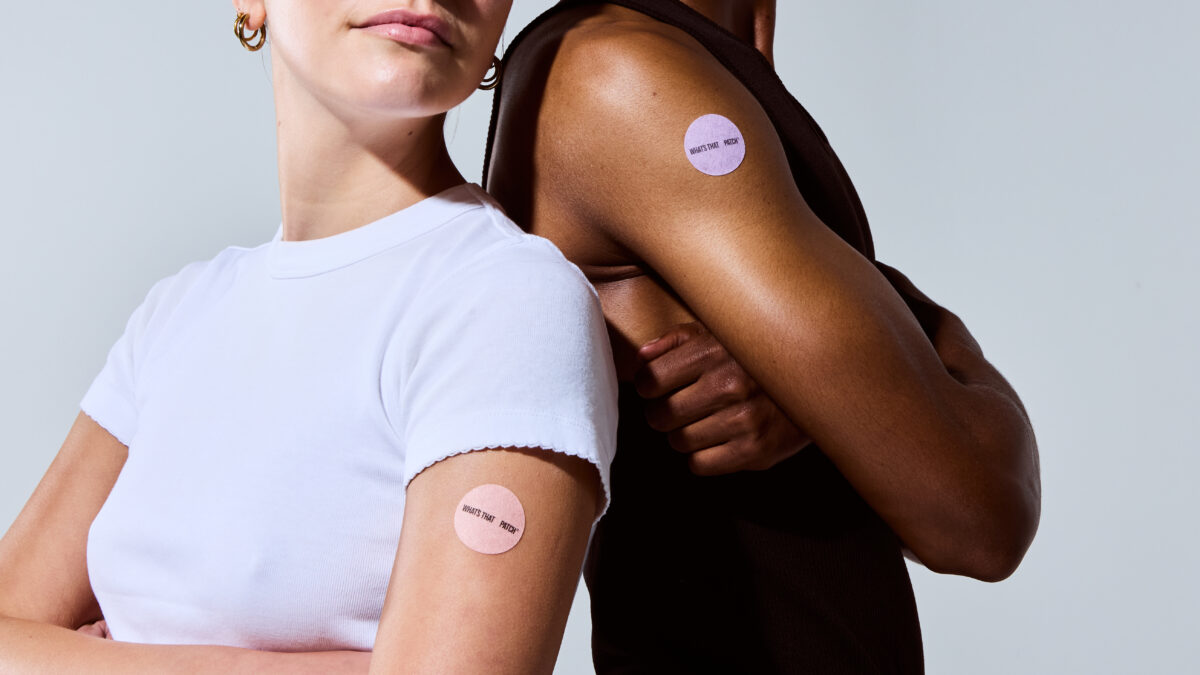
Transdermal supplement benefits extend beyond just "not having to swallow a pill." When you ingest a supplement, it faces a gauntlet of stomach acid, digestive enzymes, and the liver. By the time the nutrients reach your blood, the bioavailability might be only a fraction of what was on the label. Patches offer an express lane, delivering a steady flow of nutrients through the skin and directly into the systemic circulation.
The Science of the Skin Barrier: Bioavailability Explained
To understand why vitamin patch absorption vs oral supplements is such a hot topic in micronutrient science, we have to look at the anatomy of the skin. The outermost layer of your skin, the stratum corneum, acts as a protective shield. It is designed to keep things out. For a vitamin patch to work, the formulation must be clever enough to penetrate this barrier.
Traditional oral supplements often suffer from the digestive traffic jam. For instance, when you take a high-dose magnesium pill, your body might only absorb 20-30% of it. The rest can cause gastrointestinal distress. In contrast, topical vitamin delivery allows for a slower, more consistent uptake. Instead of a massive spike in your blood levels followed by a rapid drop-off, a patch provides a drip-feed effect.
Science Spotlight: The 500 Dalton Rule In the world of dermal absorption, size matters. Most researchers follow the 500 Dalton rule, which states that molecules larger than 500 Daltons generally cannot pass through healthy skin. This is why you see vitamin patches for B12 (approx. 1,355 Daltons) using chemical enhancers or specialized matrices to facilitate movement, whereas smaller fat-soluble vitamins pass through much more easily.
Oral vs. Patch: A Comparative Glance
| Feature | Oral Supplements | Vitamin Patches |
|---|---|---|
| Primary Route | Digestive System | Transdermal / Bloodstream |
| Metabolism | First-pass (Liver) | Bypasses Liver |
| Release Profile | Immediate Spike | Sustained / Time-release |
| GI Side Effects | Common (Nausea, Diarrhea) | Extremely Rare |
| Bioavailability | Varies (30-60%) | Potentially Higher (Targeted) |
| User Experience | Pill fatigue | Adhesive wellness |
While the scientific evidence for transdermal vitamin delivery effectiveness is still catching up to the marketing, the physiological logic is sound. By avoiding the 1.5–3.5 pH environment of the stomach, nutrients remain more stable.
Targeting the Gut: Vitamin Patches for Sensitive Stomachs and Nausea
One of the most profound benefits of vitamin patches is their utility for individuals with compromised digestive systems. If you suffer from GERD, IBS, or Crohn’s disease, oral supplements can be a nightmare. The fillers and binders in tablets often irritate the gut lining, leading to nausea and discomfort.
For those who have undergone a gastrointestinal bypass or other bariatric surgeries, the "express lane" of a patch isn't just a convenience—it is often a necessity. These patients have a shortened digestive tract, which means they have less surface area to absorb nutrients from food and pills. Specifically, finding the best vitamin patches for b12 absorption issues is a game-changer for this demographic, as B12 requires a specific protein in the stomach called intrinsic factor to be absorbed orally—a process that is often broken in bariatric patients.
By utilizing a gastrointestinal bypass via the skin, these users can maintain their micronutrient levels without the constant fear of an upset stomach. It removes the friction from the wellness routine, ensuring that people actually stick to their supplement schedule.
Application Guide: Where to Apply Vitamin Patches for Maximum Absorption
If you decide to try vitamin patches, where you put them is just as important as what is in them. You want to place the patch on an area with thin skin and a high density of capillaries, but with minimal hair and movement.
To maximize your results, follow these placement tips:
- Inner Wrist: One of the most common spots due to thin skin and visible veins.
- Shoulder or Upper Arm: Good for discreet wear.
- Inner Thigh: An excellent alternative if you have sensitive skin on your upper body.
- Chest: Close to the heart and major blood vessels for efficient systemic circulation.
Most high-quality patches utilize time-release technology, meaning they are designed to be worn for 8 to 12 hours. It is best to apply them to clean, dry skin—avoiding lotions or oils that could create an additional barrier.
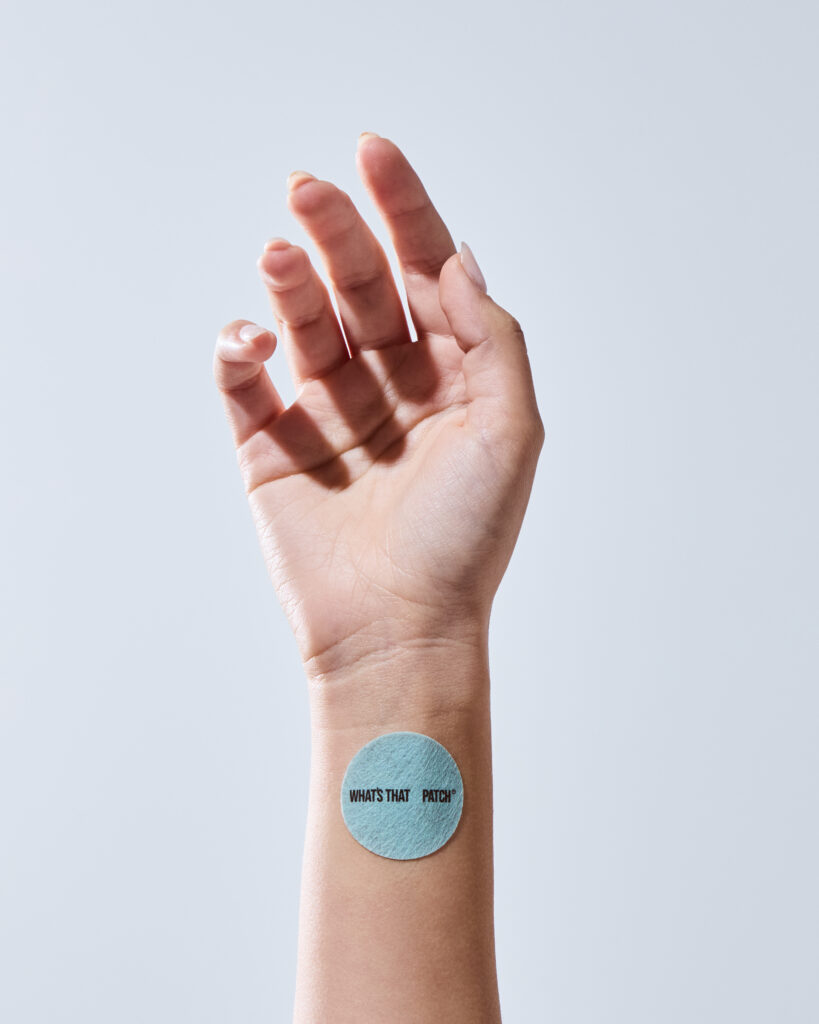
When you are learning how to choose high quality vitamin patches, look for brands that are transparent about their adhesive. You want medical-grade, latex-free adhesives to prevent skin irritation. If you have particularly sensitive skin, rotating the application site daily is a smart strategy to avoid redness.
The Risks: Fat-Soluble Toxicity and Regulation Hurdles
As an editor focused on evidence, I have to provide a reality check. The patch market is currently a bit like the "Wild West." Because they are categorized as supplements, they do not undergo the same rigorous FDA testing as transdermal medications (like nicotine or hormone patches).
One major concern is the potential for toxicity with fat-soluble nutrients like Vitamin A, D, E, and K. Unlike water-soluble vitamins, which your body can flush out through urine if you take too much, fat-soluble vitamins accumulate in your tissues. Because patches provide a steady drip-feed into the systemic circulation, there is a theoretical risk of over-accumulation if you use high-dose patches without monitoring your blood levels.
Furthermore, not all patches are created equal. Some "lifestyle" patches found on social media are little more than stickers with a sprinkle of vitamins. Always look for brands that provide third-party testing or clinical data showing that their specific formulation can actually penetrate the skin.
FAQ
Do vitamin patches actually work?
Yes, the technology for transdermal delivery is well-established in medicine. However, the effectiveness of a specific vitamin patch depends on the molecular size of the nutrient and the quality of the "enhancers" used in the adhesive to help the vitamins cross the skin barrier.
Are vitamin patches more effective than pills?
They are not necessarily "better" for everyone, but they are more effective for people with malabsorption issues, bariatric surgery patients, or those who experience severe nausea from oral supplements. They provide a more stable, long-term release compared to the "peak and valley" effect of pills.
Where is the best place to apply a vitamin patch?
The best spots are areas with thin skin and low hair density, such as the inner wrist, the top of the foot, the shoulder, or the hip. These areas allow the nutrients to reach the capillaries more easily.
Are there side effects to using vitamin patches?
The most common side effect is localized skin irritation or redness caused by the adhesive. To avoid this, look for latex-free, medical-grade patches and rotate the application site daily. Unlike pills, they rarely cause stomach upset.
Does the skin actually absorb vitamins from a patch?
Yes, through a process called passive diffusion. Nutrients move from an area of high concentration (the patch) to an area of low concentration (your skin and blood vessels). However, this is mostly effective for smaller molecules or specifically formulated fat-soluble compounds.
Future of Wellness: Microneedles and Real-Time Dosing
Looking ahead, the world of vitamin patches is moving from "passive" to "active." We are already seeing the development of microneedle patches—tiny, painless needles that bypass the stratum corneum entirely to deliver larger molecules like proteins and complex vitamins directly into the dermis.
The next step is the integration of wearable health tech. Imagine a patch that senses your vitamin D levels via a biosensor and releases the exact dosage you need in real-time. While we aren't quite there yet, the current generation of vitamin patches is a significant step toward a more personalized, friction-free approach to health. For the modern consumer looking to escape the "pill burden," transdermal delivery is more than just a trend—it is a glimpse into the future of supplement science.