Quick Facts
- Daily Requirement: The standard recommendation is 1.5µg for adults aged 19 to 64, though specific health conditions may require higher doses.
- Storage Capacity: Unlike most water-soluble vitamins, your liver uniquely stores B12 for 2 to 4 years, meaning a deficiency can take years to manifest.
- Key Function: It is non-negotiable for DNA synthesis and the maintenance of the myelin sheath that protects your nervous system.
- Bioavailability: Animal-derived nutrients offer the highest natural absorption rates, while plant-based sources often require fortification.
- Critical Marker: Elevated Homocysteine levels are a clinical "red flag" often indicating a functional deficiency even if serum levels appear normal.
Vitamin B12, also known as cobalamin, is essential for maintaining neurological function, DNA synthesis, and the formation of healthy red blood cells. It supports the maintenance of the myelin sheath, which protects nerve cells and ensures efficient signal transmission in the brain. Adequate levels help prevent megaloblastic anemia, a condition where the body produces abnormally large red blood cells that cannot transport oxygen effectively, leading to chronic fatigue.
The Biological Architect: B12 Role in Red Blood Cell Production
To understand why you feel energized or exhausted, you must look at your bone marrow. This is where the B12 role in red blood cell production becomes visible at a microscopic level. Red blood cells are the delivery trucks of your body, carrying oxygen to every tissue. However, to build these cells, your body needs to replicate DNA. Without enough cobalamin, the DNA synthesis process falters.
When this process is disrupted, the bone marrow produces red blood cells that are structurally flawed. Instead of the small, flexible, biconcave discs needed to navigate tiny capillaries, the body creates large, oval, and fragile cells. This condition, known as megaloblastic anemia, means your blood cannot transport oxygen effectively. This isn't just about feeling "tired"; it is a systemic failure of oxygen delivery.
Furthermore, we must look at the synergy between vitamin b12 and folic acid. These two nutrients work in a tight biochemical loop. Folic acid (B9) depends on B12 to be converted into its active form. If you are low on B12, your folic acid becomes "trapped," and the production of red blood cells grinds to a halt. This is why many clinicians look at both markers simultaneously. You cannot address blood health by looking at one nutrient in isolation; you must respect the biological partnership required for healthy erythropoiesis.
Neuroprotection: Vitamin B12 for Brain Health and Memory
While the blood health benefits are well-known, the neurological impact is where Vitamin B12 benefits truly become life-altering. Your nerves are wrapped in a fatty coating called the myelin sheath. Think of this as the insulation on an electrical wire. If the insulation cracks or thins, the signal leaks or shorts out. Cobalamin is the primary architect of this insulation. When B12 levels drop, the myelin sheath begins to degrade, leading to slower cognitive processing and, eventually, physical nerve damage.
One of the most dangerous aspects of low B12 is the rise of Homocysteine levels. High levels of this amino acid are neurotoxic and are linked to an increased risk of dementia and cardiovascular issues. By facilitating the methylation cycle, B12 helps convert homocysteine into methionine, a harmless and useful amino acid. This biochemical "cleanup" is a cornerstone of neuroprotection.
The stakes are particularly high as we age. Research suggests that approximately 20% of adults over the age of 60 are estimated to be deficient in Vitamin B12. This is significant because even a subclinical deficiency—where you don't have full-blown anemia yet—can impact your memory. In fact, maintaining higher Vitamin B12 status in older adults is associated with 0.05 to 0.09 standard deviation less cognitive decline over a 10-year period. For anyone noticing "brain fog" or subtle memory lapses, checking Vitamin B12 for brain health should be a diagnostic priority.
Identifying the Gap: Early Signs of Vitamin B12 Deficiency in Adults
The difficulty with identifying a deficiency is that the symptoms often mimic general aging or stress. The early signs of vitamin b12 deficiency in adults often begin with a subtle "pins and needles" sensation in the hands or feet, known as peripheral neuropathy. This is a direct result of the myelin sheath thinning. If you ignore these tingles, the damage can eventually become permanent.
Other symptoms include persistent glossitis (a sore, red, or swollen tongue), irritability, and changes in the way you walk or move. You might find yourself losing your balance or feeling unusually clumsy. This happens because the nerves responsible for "proprioception"—your body's ability to sense its position in space—are particularly sensitive to cobalamin levels.

It is also important to note that a standard serum B12 test might not tell the whole story. Some people show "normal" blood levels but are functionally deficient because the vitamin isn't getting into their cells. In these cases, doctors may test for Methylmalonic Acid (MMA), which rises when B12 is low. Risk factors like atrophic gastritis, which thins the stomach lining, or the long-term use of acid-reflux medications can significantly impair your ability to absorb the nutrient, regardless of how much you eat.
The Ultimate Vitamin B12 Rich Foods List
If you are looking to increase your intake through diet, you need to focus on animal-derived nutrients. Because B12 is produced by bacteria in the digestive tracts of animals, it is naturally concentrated in meats and dairy. Below is a guide to the most potent sources to help you manage your Vitamin B12 rich foods list.
| Food Source | Vitamin B12 Content (µg per 100g) | Primary Benefit |
|---|---|---|
| Beef Liver | 18.7 - 70.0 | Exceptionally high bioavailability |
| Clams | 98.9 | Highest concentration of all whole foods |
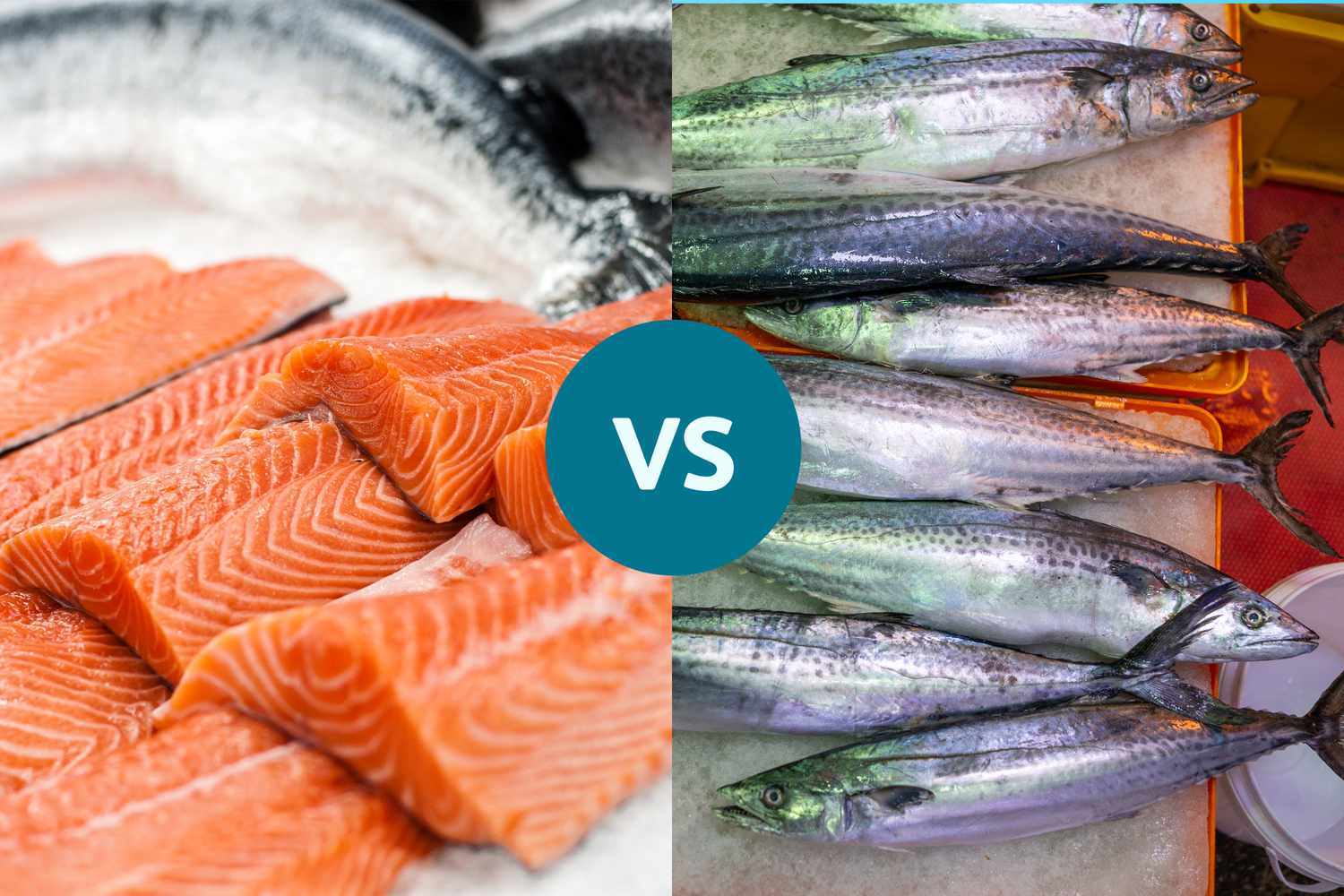
| Atlantic Salmon | 3.2 | Includes Omega-3s for brain synergy |
| Beef Top Sirloin | 2.5 | High iron content for blood health |
| Whole Milk | 0.45 | Easy absorption for seniors |
| Large Egg | 0.6 (per egg) | Contains choline for brain health |
For those following a vegan or vegetarian lifestyle, the landscape is more challenging. There are virtually no reliable plant based vitamin b12 sources for vegans that occur naturally in significant amounts. Modern soil depletion and sanitized farming mean we no longer get the trace amounts of B12 from unwashed vegetables that our ancestors might have.
Instead, vegans must rely on Fortified cereals and nutritional yeast. Some brands of nutritional yeast provide over 100% of the daily requirement in just one tablespoon. However, because absorption is complex, many experts still recommend a high-quality supplement to ensure long-term neurological safety.
Optimization & Absorption: Supplementation Strategies
Eating enough B12 is only half the battle; your body must be able to extract it. This process relies on Intrinsic factor, a protein produced by your stomach lining. Without Intrinsic factor, B12 simply passes through your system unabsorbed. This is the root cause of Pernicious anemia, an autoimmune condition where the body attacks the cells that produce this vital protein.
When choosing a supplement, you will likely see two forms: cyanocobalamin and Methylcobalamin. While cyanocobalamin is more stable and cheaper, Methylcobalamin is the coenzyme form of B12, meaning it is already in a state the body can use. For many, especially those with certain genetic predispositions, Methylcobalamin offers better Bioavailability.
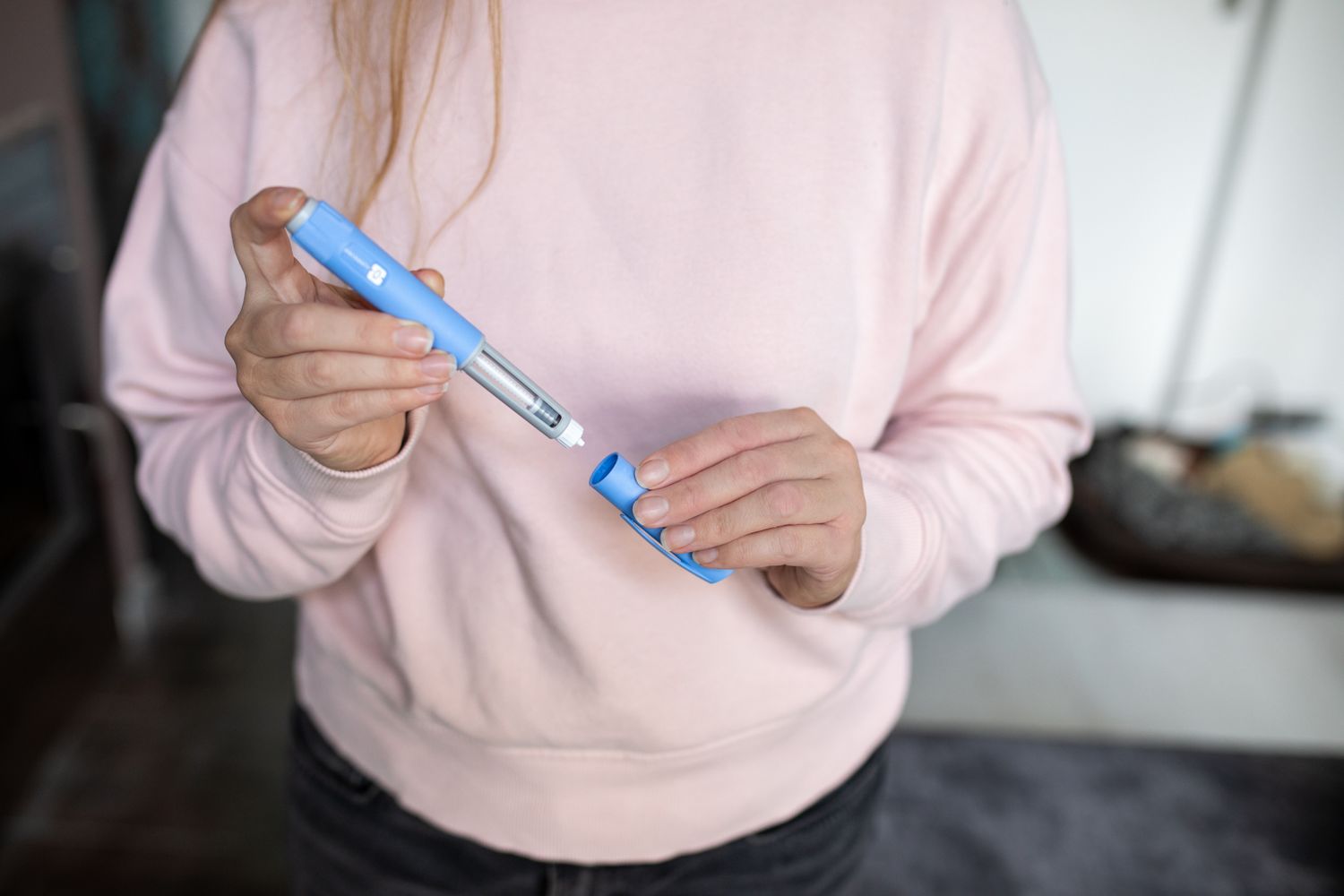
For those with severe malabsorption issues, the debate often turns to vitamin b12 injection vs oral supplement effectiveness. Injections bypass the digestive system entirely, delivering the nutrient directly into the muscle for immediate use. This is often the gold standard for those with Crohn's disease, celiac disease, or those who have undergone gastric bypass surgery. However, for the average person, high-dose oral supplements (1000µg or more) are often just as effective because a small percentage of the vitamin can be absorbed through passive diffusion, even without Intrinsic factor.
FAQ
What are the primary health benefits of vitamin B12?
The primary Vitamin B12 benefits include the production of healthy red blood cells, the maintenance of the central nervous system, and the synthesis of DNA. It is the core nutrient responsible for preventing megaloblastic anemia and ensuring that nerve signals travel quickly and accurately throughout the body.
What are the symptoms of a vitamin B12 deficiency?
The early signs of vitamin b12 deficiency in adults often present as extreme fatigue, weakness, and a sore tongue. Neurological symptoms include tingling or numbness in the extremities, memory loss, and difficulty maintaining balance. If left untreated, it can lead to permanent nerve damage and severe cognitive decline.
Can vitamin B12 help with brain function and memory?
Yes, Vitamin B12 for brain health is critical because it helps regulate Homocysteine levels and protects the Myelin sheath. Higher levels of B12 are clinically linked to slower rates of brain atrophy and improved cognitive performance, particularly in older adults who are at a higher risk of deficiency.
Who is most at risk for a vitamin B12 deficiency?
The groups most at risk include seniors (due to decreased stomach acid), vegans and vegetarians (due to a lack of animal products), and individuals with gastrointestinal disorders like Celiac or Crohn's disease. Additionally, long-term use of certain medications for heartburn or diabetes can block B12 absorption.
What are the best food sources for vitamin B12?
The most potent items on a Vitamin B12 rich foods list include organ meats like beef liver, shellfish such as clams, and fatty fish like salmon. For those on a meat-free diet, fortified cereals and nutritional yeast are the most reliable options, though supplementation is frequently necessary to maintain optimal serum levels.