Quick Facts
- Preparation Window: It takes approximately 90 days for an egg to mature and 72 days for sperm to develop, making a three-month preconception period vital.
- Formulation Density: Proceive Max Women provides 3,237mg of active nutrition per dose, which is more than three times the active nutritional content found in many standard formulas.
- Clinical Foundation: The product range was developed over a five-year period using clinical data from more than 600 scientific studies.
- Professional Trust: Proceive is currently the most frequently recommended fertility supplement brand among Irish fertility clinics.
- Targeted Support: Formulas are stage-specific, transitioning from preconception health to early pregnancy needs to ensure the right nutrients are delivered at the right time.
- Key Nutrients: High-quality ingredients like methylfolate and Coenzyme Q10 are prioritized for their superior micronutrient bioavailability and role in managing oxidative stress.
Start your journey with evidence-based reproductive health vitamins. Understanding when to start taking preconception vitamins is the first step toward a healthy pregnancy, as these specialized formulas optimize the body’s environment by managing oxidative stress and improving gamete quality well before a positive test.
The 3-Month Window: When to Start Taking Preconception Vitamins
When we talk about family planning, we often focus on the moment of conception itself. However, from a clinical perspective, the journey begins months earlier. The biological maturation cycle for both eggs and sperm is a lengthy process. For a woman, the oocyte quality is influenced by the nutritional environment it inhabits during its 90-day maturation phase. For men, spermatogenesis takes roughly ten weeks. This is why we recommend a preconception nutrition guide that begins at least three months before active trying begins.
Modern life often places demands on our bodies that diet alone cannot always replenish. High levels of stress, lack of sleep, and environmental pollutants can lead to the depletion of core nutrients necessary for reproductive success. This creates a "modern lifestyle gap" where the body prioritizes survival over reproduction. By introducing reproductive health vitamins for stress and modern lifestyle early, we provide the body with a safety net of micronutrients.
During this preparation window, the focus shifts toward oxidative stress management. Every cell in our body, including reproductive cells, is susceptible to damage from free radicals. Incorporating specific antioxidant support helps protect the integrity of the genetic material being passed on. This proactive approach ensures that by the time you are ready to conceive, your internal environment is at its peak physiological state.
Female Fertility: Improving Oocyte Quality and Hormonal Balance
For women, particularly those navigating the nuances of fertility over 35, the focus often narrows to oocyte quality. As we age, the mitochondria within our eggs—the powerhouses that provide energy for cell division—can become less efficient. This is where evidence-based pregnancy vitamins and preconception support become critical. We look for ingredients that support mitochondrial health and chromosomal integrity.
One of the most significant shifts in nutritional science is the move from synthetic folic acid to methylfolate. Methylfolate is the active form of folate that the body can use immediately without complex conversion processes. This is especially important for hormonal regulation and neural tube defect prevention, providing higher micronutrient bioavailability for everyone, including those with specific genetic variations that hinder folate metabolism.
Furthermore, we cannot overlook the impact of vitamin d on female fertility and ivf. Clinical research has consistently shown that adequate levels of Vitamin D are linked to better ovarian physiology and higher success rates in assisted reproductive technology. It acts more like a hormone than a vitamin, playing a role in the receptivity of the uterine lining.
Key Nutrients for Female Reproductive Health:
- Methylfolate: Essential for DNA synthesis and preventing developmental issues.
- Vitamin D: Supports healthy follicle development and implantation.
- Inositol: Often used to support regular ovulation and insulin sensitivity.
- Iron: Vital for carrying oxygen to the reproductive organs and supporting future blood volume.
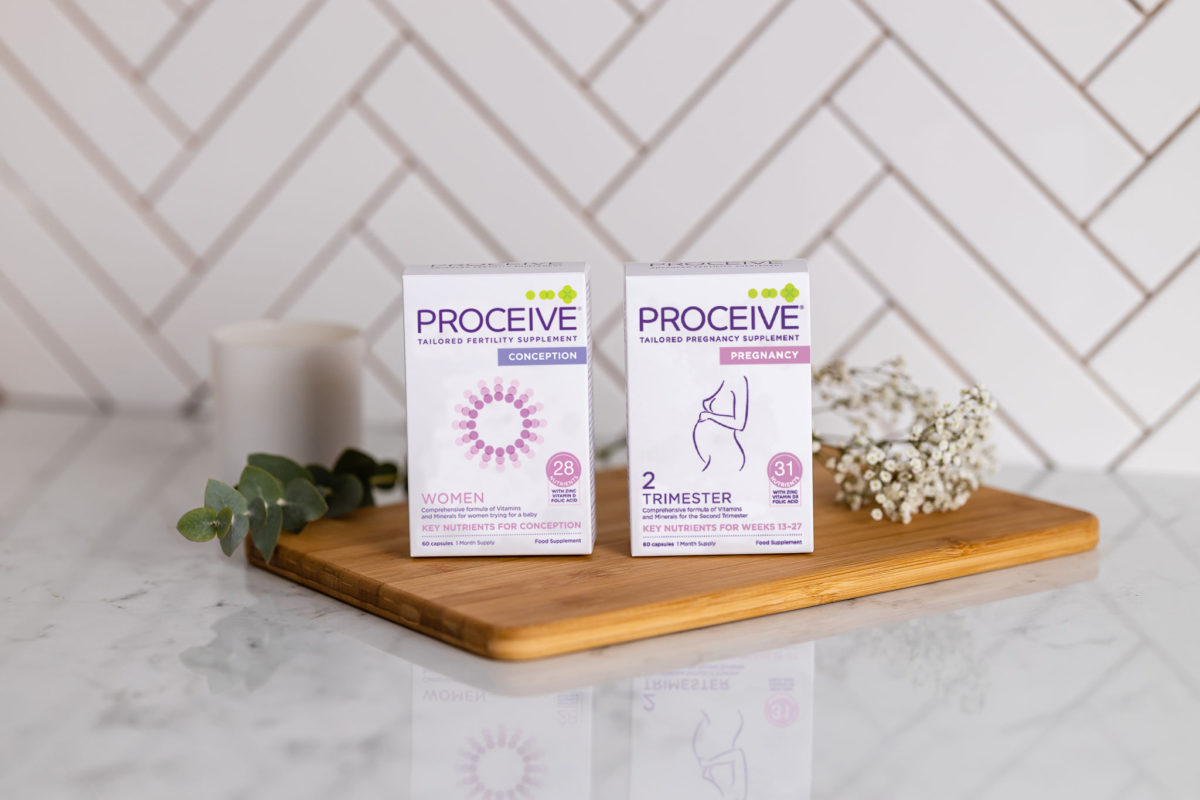
For those seeking the highest level of support, the Proceive Women and Proceive Max Women ranges are designed to deliver these nutrients in therapeutic dosages. The Max formula is particularly tailored for those who are older or have been trying to conceive for a longer period.
Male Fertility: Spermatogenesis and the Sperm Quality Gap
Conception is a shared journey, yet male fertility is frequently left out of the conversation. Statistics tell us that approximately 1-in-6 couples face hurdles when trying to conceive, and in many of these cases, male factor fertility plays a significant role. Protecting sperm health is just as critical as supporting egg quality.
The process of spermatogenesis is highly sensitive to oxidative stress. Unlike eggs, which a woman is born with, sperm are constantly being produced. This continuous production means they are highly susceptible to DNA fragmentation if the body is under nutritional or environmental stress. Using fertility supplements for couples ensures that both partners are optimizing their biological contributions.
Antioxidants such as Coenzyme Q10 and Selenium are vital for maintaining sperm motility and morphology. These nutrients act as a shield, protecting the developing sperm from damage. Additionally, amino acids like L-Arginine are often included in high-quality male formulas to support healthy blood flow and overall reproductive function. By focusing on reproductive health vitamins that target these specific male needs, couples can significantly improve their collective chances of a healthy pregnancy.
Why "All-in-One" Fails: The Case for Stage-Specific Supplements
A common misconception in prenatal care is that one "all-in-one" multivitamin is sufficient for the entire journey from preconception through to breastfeeding. However, the biological requirements of a woman trying to conceive are vastly different from those of a woman in her second trimester. This is the difference between prenatal and preconception vitamins.
Preconception formulas are designed to prime the pump. They focus on oocyte quality, cycle regularity, and creating a nutrient-dense environment for fertilization. Once pregnancy is achieved, the nutritional demand shifts toward the rapid development of the fetus. This is why we advocate for stage specific supplements for pregnancy and conception. Proceive addresses this by offering a transition roadmap, moving from high-density preconception formulas to specialized prenatal support at week 10.
When we compare nutrient density, the difference is stark. While a standard generic supplement might offer a baseline of vitamins, Proceive Max Women provides 3,237mg of active nutrition per daily dose. This is over three times the active content of more basic formulas, ensuring that the body isn't just surviving, but thriving.
Nutrient Matrix: Preconception vs. Prenatal Focus
| Feature | Preconception Phase | Prenatal Phase (Post-12 Weeks) |
|---|---|---|
| Primary Goal | Egg/Sperm Quality & Fertilization | Fetal Growth & Maternal Health |
| Key Nutrient Focus | Coenzyme Q10, Inositol, Zinc | Omega-3 DHA, Iron, Calcium |
| Folate Form | High-dose Methylfolate for priming | Maintenance Methylfolate |
| Antioxidant Level | Very High (to protect gametes) | Moderate (to support cellular health) |
| Hormonal Support | Targeted (Vitamin B6 for regulation) | General (Support for placenta health) |
The Clinical Edge: Evidence and Research
Choosing a supplement should not be based on guesswork or clever marketing. It should be based on clinical efficacy. The development of reproductive health vitamins requires a deep dive into the available science. Proceive’s formulation was not an overnight process; it was developed over a five-year period using clinical data from more than 600 scientific studies.
This research-first approach ensures that the dosages provided are not just "present," but are at levels that have been shown in clinical settings to make a difference. For example, many generic brands include only a fraction of the recommended Vitamin D or Zinc levels needed to impact fertility. By choosing a brand that is the most frequently recommended fertility supplement brand among Irish fertility clinics, you are choosing a product that professionals trust for its transparency and power.
Couple's Preconception Checklist
To make the most of your three-month window, consider this holistic checklist for both partners:
- Nutritional Baseline: Start a high-quality preconception supplement to address any existing deficiencies.
- Stress Audit: Identify major stressors and implement daily management techniques, as stress can interfere with the hypothalamic-pituitary-gonadal (HPG) axis.
- Sleep Hygiene: Aim for 7-9 hours of quality sleep to support natural hormone production.
- Hydration and Diet: Focus on anti-inflammatory foods, like leafy greens and healthy fats, to complement your reproductive health vitamins.
- Lifestyle Adjustments: Reduce or eliminate alcohol and smoking, which can significantly increase oxidative stress in both eggs and sperm.
FAQ
What are the most important vitamins for reproductive health?
The most critical vitamins include methylfolate for DNA protection and cell division, Vitamin D for hormonal balance and uterine receptivity, and antioxidants like Vitamin C and Vitamin E. Zinc and Selenium are also essential, particularly for male fertility, as they support the structural integrity and motility of sperm.
Do reproductive health vitamins actually improve fertility?
While no supplement can guarantee a pregnancy, evidence-based reproductive health vitamins are designed to optimize the biological environment. They work by reducing oxidative stress, supporting healthy ovulation, and improving sperm quality, which collectively increases the statistical likelihood of successful conception and a healthy pregnancy.
When should I start taking vitamins for reproductive health?
It is ideal to start taking vitamins at least three months before you begin trying to conceive. This timeframe aligns with the maturation cycles of both eggs and sperm, ensuring that the cells that will eventually form an embryo have been developed in a nutrient-rich environment.
Which vitamins are best for female reproductive health?
Female-specific support should focus on methylfolate (rather than folic acid), Vitamin D3, Inositol for metabolic and ovarian support, and Vitamin B6 for regulating hormonal activity. These nutrients help ensure regular cycles and high-quality oocytes, especially for those over 35.
Are there specific vitamins that help with male fertility?
Yes, male fertility is highly dependent on antioxidants. Zinc, Selenium, L-Carnitine, and Coenzyme Q10 are vital for protecting sperm DNA and ensuring they have the energy required for motility. These nutrients help bridge the "sperm quality gap" often caused by lifestyle factors.
How long does it take for reproductive vitamins to work?
Since reproductive vitamins work by supporting the development of new cells, it generally takes three months to see the full clinical impact. However, some nutritional improvements, such as improved energy levels and hormonal balance, may be felt within the first few weeks of consistent use.