Quick Facts
- Memory Shield: High blood levels of polyunsaturated fats are linked to a lower the risk of all-cause dementia or cognitive decline by approximately 20 percent according to recent meta-analyses.
- Brain Volume: Older women with higher omega-3 levels exhibited a 2.7 percent larger volume in the hippocampus, the area responsible for memory and learning.
- The 8% Goal: For maximum neuroprotection, functional health experts recommend aiming for an Omega-3 Index of 8% or higher.
- Weekly Benchmark: Consuming just 100 grams of fish per week is associated with an 11 percent lower risk of Alzheimer’s disease.
- Biological Mechanism: These fatty acids act as a Brain Shield by reducing neuroinflammation and maintaining the structural integrity of neuronal membranes.
Omega-3 fatty acids, specifically EPA and DHA, are the unsung heroes of neurological longevity. As we age, maintaining the structural integrity of our brain cell membranes becomes critical to preventing memory loss. Recent research shows that high levels of these healthy fats can increase hippocampal volume and lower dementia risk by 20%. Understanding the specific omega-3 brain benefits is the first step in building a resilient, aging brain.
The Biological Brain Shield: How Fatty Acids Guard Neurons
We often think of the brain as a purely electrical organ, a network of firing neurons. However, at its core, the brain is remarkably fatty—composed of nearly 60% fat. This isn't just stored energy; it is the very fabric of our thoughts. Among these fats, docosahexaenoic acid (DHA) and eicosapentaenoic acid (EPA) play the most critical roles. DHA acts as a primary building block for cellular membranes, ensuring the structural integrity of the neurons that store our most precious memories.
Think of omega-3 fatty acids as a Biological Brain Shield. When our levels are optimal, these fats sit within the phospholipids of our cell membranes, making them fluid and flexible. This fluidity is essential for synaptic plasticity, which is the brain's ability to form new connections and learn new information. Without enough healthy fat, these membranes become rigid, communication slows down, and oxidative stress begins to degrade the delicate internal machinery of the cell.
Beyond structure, omega-3s act as a powerful Brain Fertilizer. They help regulate the production of Brain-Derived Neurotrophic Factor (BDNF), a protein that supports the survival of existing neurons and encourages the growth of new ones. By promoting neuroplasticity, these fatty acids ensure that the aging brain remains adaptable and resilient against the "wear and tear" of time.
5 Early Warning Signs: Identifying Omega-3 Deficiency
How do you know if your brain is running low on these essential fats? Because the brain is so highly concentrated with DHA, the signs of deficiency often manifest as subtle cognitive shifts before they become clinical issues. We often dismiss these as "normal aging," but they are frequently a cry for nutritional support.
Keep an eye out for these five red flags:
- Cognitive Fog: Feeling like your brain is wading through molasses or struggling to find the right words during a conversation.
- Mood Fluctuations: Increased irritability or a low-level depressive state, as omega-3s are vital for the transport of neurotransmitters like serotonin and dopamine.
- Memory Lapses: Forgetting why you walked into a room or struggling to recall recent events.
- Dry Eyes and Skin: Since omega-3s maintain cellular moisture, physical dryness can be an external mirror of internal deficiency.
- Disrupted Sleep: Emerging research suggests a link between low DHA levels and poor sleep quality in adults.
If you suspect a deficiency, don't rely on a standard plasma test. These only show what you ate in the last 48 hours. Instead, request an Omega-3 Index test. This measures the amount of EPA and DHA in your red blood cell membranes, providing a stable 120-day history of your fatty acid status. For those tracking omega-3 for cognitive decline, keeping this index above 8% is widely considered the "Goldilocks zone" for brain health.
The Midlife Window: Why Age 46 is the Critical Turning Point
Many people wait until they notice significant memory slips in their 70s to start thinking about brain longevity. However, recent data suggests that the midlife window—specifically around age 46—is the most critical time to intervene. A study published by the American Academy of Neurology looked at volunteers with an average age of 46 and found that those with even slightly higher omega-3 levels had better abstract reasoning skills and larger hippocampal volume.
The hippocampus is one of the first areas to shrink in those suffering from age-related memory loss. It is the "hard drive" of the brain. When we maintain high levels of these fatty acids during our 40s and 50s, we are effectively building a "cognitive reserve." This reserve acts as a buffer, allowing the brain to maintain function even if some age-related changes occur later in life.
Adopting a Mediterranean diet rich in healthy fats during this period offers the highest longevity dividends. It isn't just about preventing disease; it’s about optimizing the current performance of your brain. By addressing neuroinflammation early, you prevent the slow, quiet degradation of the blood-brain barrier that often precedes cognitive decline by decades.
Omega-3 Index Benchmarks
- High Risk: Below 4% (Associated with accelerated brain aging)
- Suboptimal: 4% to 8% (The average for most Western diets)
- Optimal Protection: 8% to 12% (The target for cognitive resilience)
Fueling the Mind: Best Sources and Optimal Dosages
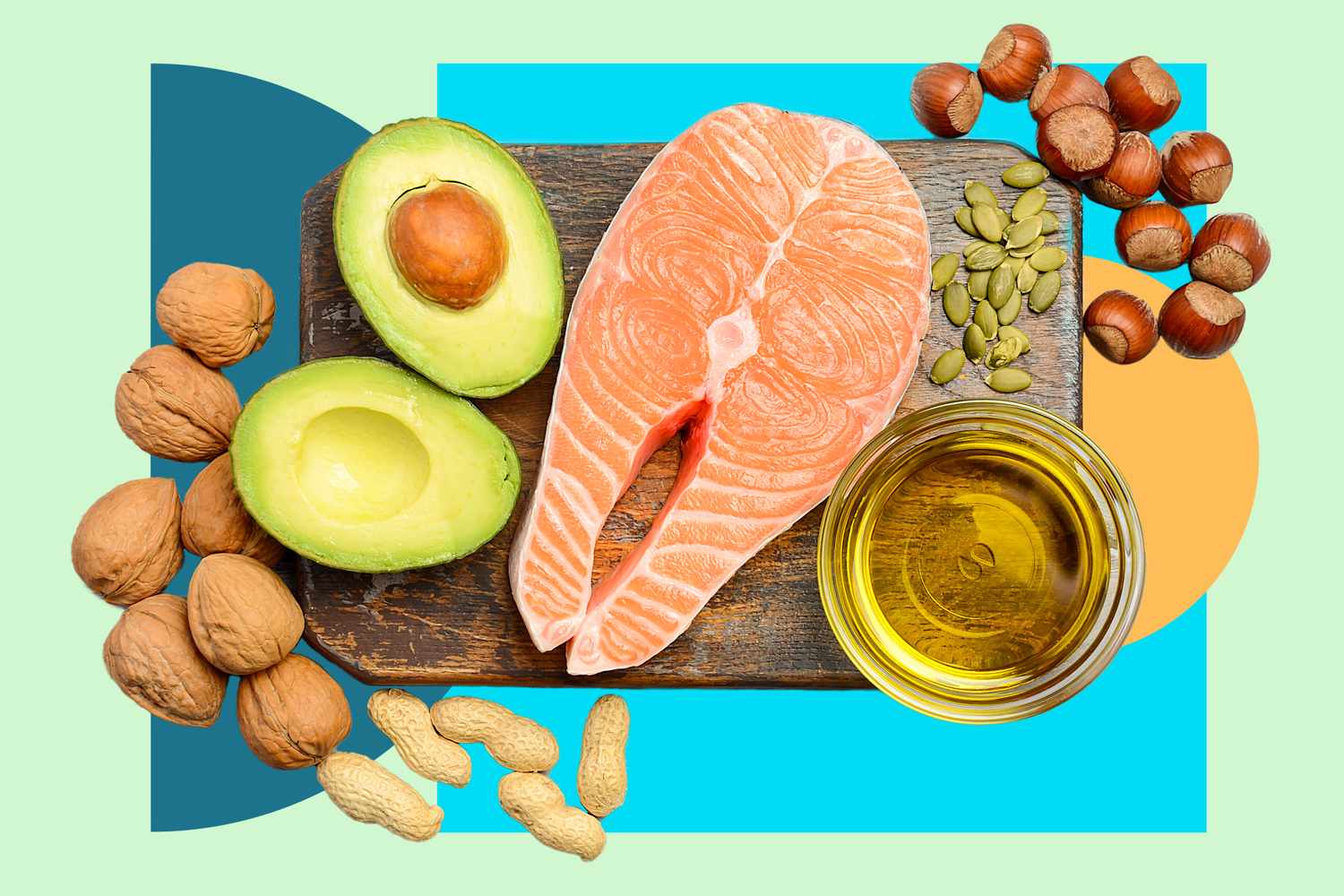
To get the most out of the omega-3 brain benefits, we must look at where these fats come from. While flaxseeds and chia seeds are healthy, they contain alpha-linolenic acid (ALA), which the body converts into EPA and DHA very inefficiently (often less than 5%). For true neuroprotection, we need direct sources of EPA and DHA.
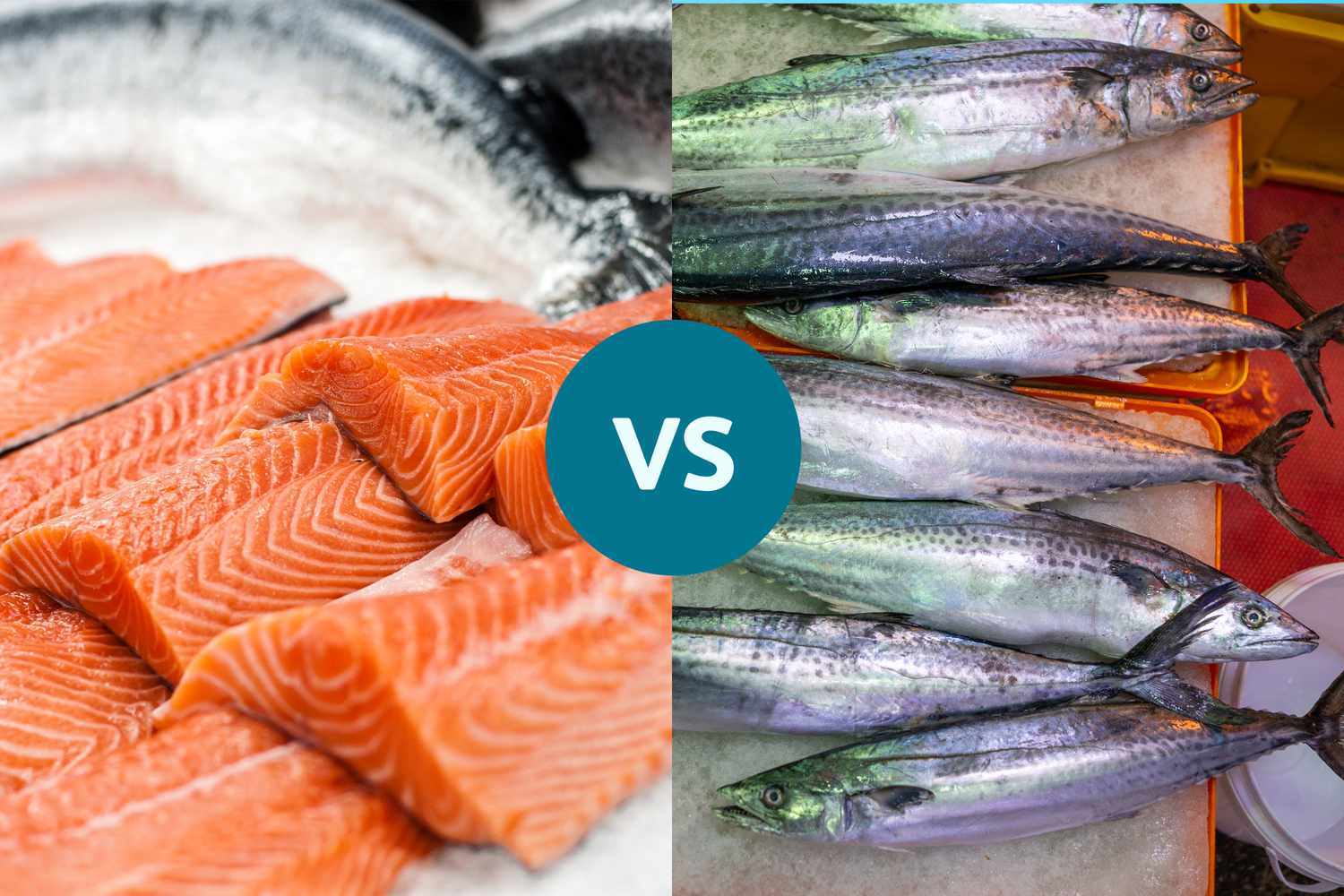
Fatty fish remain the gold standard. Salmon, mackerel, sardines, and anchovies are packed with these fats. However, for those who prefer plant-based options, algae oil is a game-changer. Since fish get their omega-3s by eating algae, taking an algae-based supplement allows you to "cut out the middleman" and get a direct, vegan omega-3 sources for brain health.
| Omega-3 Type | Primary Function | Top Food Sources |
|---|---|---|
| DHA | Structural integrity of the brain and eyes | Fatty fish, Algae oil, Caviar |
| EPA | Reducing neuroinflammation and supporting mood | Salmon, Mackerel, Sardines |
| ALA | General heart health and energy | Walnuts, Flaxseeds, Chia seeds |
When considering the EPA vs DHA ratio for cognitive function, most clinical trials for brain health lean toward a higher concentration of DHA, especially for maintaining the entorhinal cortex and hippocampus. However, EPA is equally important for mood and combatting the low-grade inflammation that often accompanies aging.
Simple Swaps for Brain Longevity
- Instead of: Tuna sandwiches (High mercury risk)
- Try: Sardine or Mackerel pâté on sourdough (High DHA, low mercury)
- Instead of: Vegetable oil for cooking
- Try: Extra virgin olive oil (Complements omega-3s in a Mediterranean-style diet)
- Instead of: Generic "Fish Oil" capsules
- Try: High-potency Algae oil or Triglyceride-form fish oil
If you are wondering how much omega-3 per day for brain health is required, the consensus among functional medicine practitioners is a minimum of 1,000mg to 2,000mg of combined EPA and DHA. This is significantly higher than the standard "recommended daily intake" but is the dosage typically used in studies showing a reduction in brain shrinkage.
Smart Supplementation: Choosing the Right Shield
The supplement aisle can be a minefield of rancid oils and misleading labels. When you are looking for an omega-3 for brain longevity, you need to be a savvy consumer. The first rule is to check for the form of the oil. Look for the "Triglyceride form" rather than "Ethyl Ester." Triglycerides are the natural form found in fish and are absorbed up to 70% better by the human body.
Secondly, purity is paramount. Because many large fish accumulate heavy metals, ensure your supplement is third-party tested (look for the IFOS or NSF certification). This ensures that you are getting the omega-3 brain benefits without the neurotoxic burden of mercury or lead.
Finally, check the actual milligrams of EPA and DHA on the back of the bottle. A "1000mg Fish Oil" capsule might only contain 300mg of actual omega-3s, with the rest being filler fats. You want a high-potency product where the majority of the capsule is active EPA and DHA. This is how to choose an omega-3 supplement for brain longevity that actually moves the needle on your blood tests.
FAQ
What are the primary benefits of Omega-3 for the brain?
The primary benefits include maintaining the structural integrity of brain cell membranes, reducing neuroinflammation, and promoting synaptic plasticity. These fats act as a shield against oxidative stress and help increase hippocampal volume, which is essential for memory retention and learning as we age.
How much Omega-3 should I take daily for brain health?
While general guidelines suggest lower amounts, most longevity experts recommend between 1,000mg and 2,000mg of combined EPA and DHA daily to support cognitive function. If you are addressing specific signs of omega-3 deficiency in older adults, some practitioners may suggest even higher doses under medical supervision.
Which type of Omega-3 is best for brain function?
DHA is the most important for the brain's physical structure, making up a large portion of the cerebral cortex. However, EPA is vital for controlling the inflammatory response in the brain. A balanced supplement or diet that provides both is best, though many brain-specific protocols prioritize a higher DHA ratio.
Does Omega-3 help prevent age-related cognitive decline?
Yes, high dietary intake or blood levels of omega-3 fatty acids are associated with a significantly lower risk of dementia and slower rates of cognitive decline. They help preserve brain volume and ensure efficient communication between neurons, which can delay the onset of memory issues.
Is it better to get Omega-3 from fish or supplements for the brain?
Ideally, a "food first" approach using fatty fish like salmon and sardines provides a complex matrix of nutrients. However, due to concerns about heavy metals in fish and the high dosages required for neuroprotection, many seniors find that high-quality, third-party-tested supplements are a more consistent way to reach the optimal Omega-3 Index.
Final Thoughts on Neurological Longevity
Your brain is the most fat-hungry organ in your body. Providing it with the right raw materials is not just a dietary choice; it is a long-term insurance policy for your identity and your memories. By focusing on the best food sources of omega-3 for seniors and monitoring your levels through blood testing, you can take control of your cognitive destiny.
Don't wait for the fog to set in. Start shielding your neurons today by prioritizing high-quality EPA and DHA. Whether through a wild-caught salmon dinner or a premium algae oil supplement, your future self will thank you for the cognitive reserve you are building right now.