Quick Facts
- Antioxidant Power: Contains up to 137 times more epigallocatechin gallate (EGCG) than standard bagged green tea.
- Energy Profile: Delivers between 35 and 70 milligrams of caffeine per serving with a sustained 4-6 hour release.
- Cognitive Support: Provides approximately five times the amount of L-theanine compared to regular green tea.
- Metabolic Boost: Rich in Rutin and chlorophyll which support detoxification and heart health.
- Optimal Brewing: Best prepared with water heated to 70-80°C (158-176°F) to preserve delicate compounds.
- Grade Distinction: Ceremonial grade is for whisking with water; culinary grade is for blending and baking.
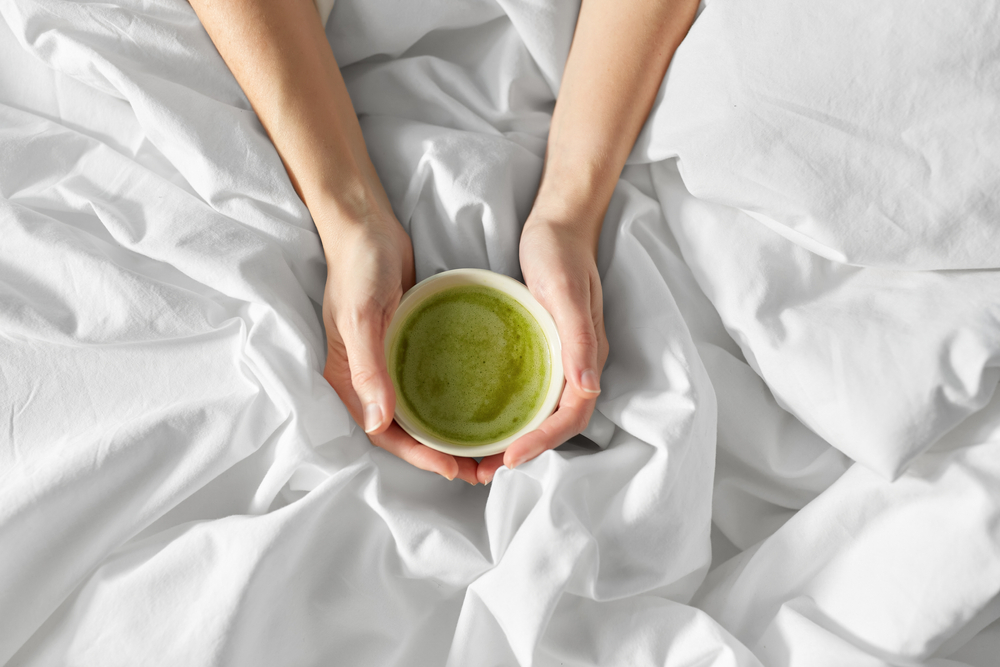
Matcha benefits include a concentrated source of EGCG antioxidants and L-theanine, which provide sustained mental clarity and heart health support by consuming the whole ground leaf of the Camellia Sinensis plant. These matcha nutrition facts highlight why this vibrant powder is considered a superior superfood compared to traditional steeped teas.
The Botanical Secret: Shading and L-Theanine
To understand why matcha stands apart from every other tea, we must look at the unique agricultural journey of the Camellia Sinensis plant. Unlike standard green tea, which grows under full sun, the tea bushes destined for matcha undergo a period of intense metabolic stress. For 20-30 days before harvest, farmers cover the fields with black netting or bamboo mats, blocking up to 90% of direct sunlight.
This shading process is where the botanical magic happens. Deprived of light, the plant overcompensates by producing massive amounts of chlorophyll to capture what little energy it can. This results in the vibrant emerald hue that characterizes high-quality powder. More importantly, this process alters the chemical composition of the leaves, boosting the levels of the amino acid known as L-theanine. This specific role of l-theanine in matcha for mental clarity cannot be overstated; it creates a state of relaxed alertness that is rare in the world of stimulants.
Once the shade-grown leaves are harvested, they are steamed to stop oxidation, de-veined, and de-stemmed. At this stage, the leaves are known as Tencha. These Tencha leaves are then slowly stone-ground into a powder so fine that the particle size is often less than 10 microns. Because you are consuming the entire ground leaf rather than just the water used to steep it, the antioxidant benefits of matcha for skin health and internal wellness are exponentially higher than those of a standard cup of tea.
Matcha vs. Coffee: Why the Energy is Different
Many of my readers come to me looking for an alternative to the mid-morning coffee crash. While coffee provides a sharp spike in energy followed by a rapid decline, matcha offers a completely different physiological experience. The secret lies in the synergistic relationship between caffeine and L-theanine.
In coffee, caffeine enters the bloodstream almost immediately, often leading to the jitters and a subsequent spike in cortisol. In matcha, the caffeine molecules bind to the larger phytonutrients and are released slowly over a 4-6 hour window. The L-theanine acts as a counterbalance, promoting alpha brain wave activity—the same state achieved during deep meditation.
| Feature | Matcha | Coffee |
|---|---|---|
| Caffeine Content | 35-70 mg | 95-150 mg |
| Energy Duration | 4-6 hours (Sustained) | 1-3 hours (Spike and Crash) |
| Primary Antioxidant | EGCG (High) | Quinic Acid (Moderate) |
| Key Amino Acid | L-theanine (High) | None |
| Effect on Focus | Calm Alertness | High Stimulation |
| Jitter Potential | Very Low | High |
When looking at matcha green tea nutrition facts per serving, the metabolism boost provided by this slow-release energy helps maintain steady blood sugar levels. For those navigating the matcha vs coffee for focus and jitters debate, the botanical structure of the tea leaf naturally mitigates the side effects often associated with high caffeine intake.
Decoding the Grades: Ceremonial vs. Culinary
The world of matcha can be confusing because the term "ceremonial" is not legally regulated. However, in the tea industry, there are clear technical differences based on harvest timing and processing. Understanding the difference between ceremonial and culinary grade matcha is essential for both your palate and your wallet.
Ceremonial grade is made from the very first harvest of the year, known as Ichibancha. These youngest, most tender leaves have the highest concentration of L-theanine and a naturally sweet, creamy umami flavor. It is stone-ground slowly—often at a rate of only 30-40 grams per hour—to prevent the friction heat from damaging the nutrients. When you look at ceremonial vs culinary matcha, the ceremonial version will always be a brighter, more electric green.
Culinary grade, while still nutritious, is made from more mature leaves harvested later in the season. These leaves have been exposed to more sunlight, which converts L-theanine into catechins, resulting in a bolder, more astringent, and slightly bitter profile. This grade is perfect for smoothies or baking where it needs to stand up against other strong flavors.
To identify quality at home, try the Finger Rub test. Place a small amount of powder on a piece of white paper and smear it with your finger. High-quality matcha will leave a long, smooth, silky line—much like the texture of baby powder. If it feels gritty or leaves a short, broken trail, the particle size is too large, indicating a lower quality of grinding.
Master the Ritual: How to Prepare the Perfect Cup
Learning how to prepare matcha green tea is as much about the process as it is about the final drink. The goal is to create a suspension of the fine particles in water, resulting in a frothy, aerated texture that enhances the natural sweetness.
First, always sift your powder. Because the particles are so small and have a high surface charge, they naturally clump together. Sifting through a fine-mesh strainer ensures a smooth, lump-free bowl. Next, pay close attention to the optimal water temperature for brewing matcha tea. You should never use boiling water. Water at 100°C will scald the delicate powder, destroying the sweet notes and highlighting the bitterness. Aim for 70-80°C (158-176°F).
Once you have your sifted powder and hot water in a bowl (chawan), use a bamboo chasen to whisk the mixture. The technique is specific: use your wrist to move the whisk in a vigorous zigzag or "W" motion rather than a circular one. This introduces air into the liquid, creating a thick, frothy foam. This foam is not just for aesthetics; it changes the mouthfeel, making the tea feel creamy and luxurious without the need for dairy.

FAQ
What are the main health benefits of drinking matcha?
Drinking matcha provides a massive dose of antioxidants, specifically EGCG, which helps fight oxidative stress and inflammation. It supports heart health by improving cholesterol levels and provides a unique form of energy that enhances cognitive function without the typical caffeine crash. Because you consume the whole leaf, you also get a small amount of fiber and a high concentration of chlorophyll, which aids in natural detoxification.
Is matcha better for you than regular green tea?
In terms of nutrient density, yes. Because matcha is a ground powder of the entire leaf, you are ingesting all the fat-soluble vitamins and minerals that remain trapped in the leaves when you simply steep regular green tea. Research shows you would need to drink at least 10 cups of steeped green tea to match the antioxidant levels found in just one bowl of high-quality matcha.
Does matcha help with weight loss?
Matcha can be a helpful tool in weight management. It contains catechins that have been shown to have thermogenic properties, which can slightly increase the rate at which the body burns calories. Additionally, the sustained energy from the caffeine and L-theanine combination can improve exercise performance and endurance, making your workouts more effective.
Is matcha healthier than coffee?
Healthier is subjective, but matcha offers a more balanced physiological profile for many people. It provides similar cognitive benefits to coffee but adds a significant amount of antioxidants and the calming effect of L-theanine. Matcha is also less acidic than coffee, making it gentler on the digestive system for those prone to acid reflux or stomach sensitivity.
How much matcha should I drink daily for maximum benefits?
For most people, one to two servings of matcha per day is ideal. This provides a significant boost in antioxidants and mental clarity without overdoing the caffeine intake. Since one serving typically contains about 2 grams of powder, two bowls a day would keep your caffeine consumption well within the recommended daily limits while maximizing the cumulative benefits of the catechins.
From a botanical perspective, matcha is a masterpiece of human intervention and natural resilience. Whether you are seeking a metabolism boost or a more mindful morning ritual, the secret nutrition power of this ancient tea offers a bridge between tradition and modern clinical wellness. By choosing the right grade and respecting the brewing temperature, you can unlock a level of vitality that few other supplements can match.