
Quick Facts
- Standard Thresholds: Laboratory reference ranges typically define low creatinine levels as less than 0.6 mg/dL for men and less than 0.5 mg/dL for women.
- Malnutrition Link: Clinical data indicates that 79% of patients with serum creatinine levels of 0.8 mg/dL or lower show significant signs of malnutrition.
- Muscle Mass Correlation: Because creatinine is a metabolic waste product of skeletal muscle tissue, low levels are often a surrogate marker for sarcopenia or muscle atrophy.
- Dietary Precursors: Synthesis requires three specific amino acids: glycine, arginine, and methionine.
- Recommended Protein Target: To maintain muscle mass and stabilize creatinine, a baseline protein intake of 0.8g per kilogram of body weight is often suggested.
- Diagnostic Gold Standard: In cases of extreme muscle loss, Cystatin C is more accurate than creatinine for calculating the estimated glomerular filtration rate.
Low creatinine levels in a blood test typically indicate a reduction in the body's total muscle mass or a decrease in the production of metabolic waste products. Since creatinine is a byproduct of creatine phosphate metabolism in skeletal muscle tissue, lower-than-normal ranges often reflect muscle atrophy, sarcopenia, or severe malnutrition. In some cases, it may also be influenced by hepatic function or laboratory reference ranges for specific age groups, necessitating further evaluation of serum albumin and cystatin C to distinguish between muscle loss and other underlying health issues.
Understanding the Biology of Creatinine
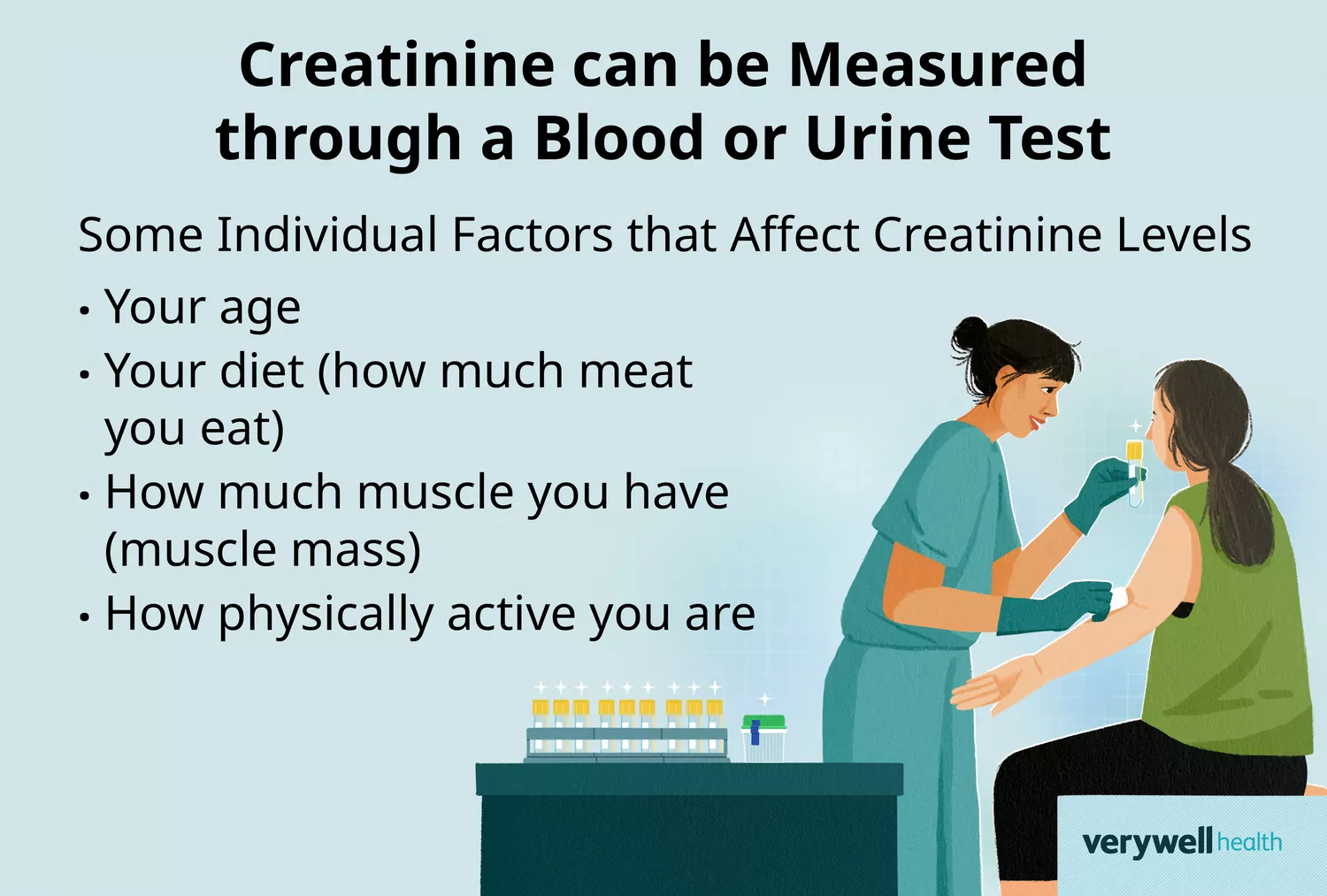
To understand why low creatinine levels appear on a lab report, we must first look at how the body produces this substance. Creatinine is not a nutrient we consume; rather, it is a metabolic waste product derived from creatine phosphate. This compound is stored primarily in your skeletal muscle tissue, where it provides a rapid source of energy during high-intensity activity. On a daily basis, about 1% to 2% of the muscle’s creatine is converted into creatinine through a non-enzymatic process.
The production of creatinine is remarkably constant because it depends almost entirely on the amount of muscle mass an individual possesses. While the kidneys are responsible for filtering this waste out of the blood, the source is the muscle. Therefore, if the output is low, it is usually because the "factory"—your muscles—is either smaller than average or lacking the fuel to operate correctly.
Furthermore, hepatic function plays a quiet but critical role in this cycle. The liver is the primary site where the body synthesizes creatine before it is transported to the muscles. If there is a decline in liver health or a lack of the necessary raw materials provided by your diet, the entire production line slows down, leading to lower levels in the bloodstream. Understanding the relationship between liver health and low creatinine is essential for a comprehensive metabolic assessment.
The Nutritional Link: Protein Deficiency and Creatinine
Nutritional deficiencies, particularly a lack of bioavailable protein, directly impact the body's ability to maintain muscle mass and synthesize creatine. When we talk about protein deficiency and creatinine, we are looking at a lack of the building blocks required for muscle maintenance. A poor amino acid profile or chronic malnutrition can lead to cachexia and a weakened macronutrient balance, resulting in decreased urinary excretion of creatinine.
The body requires three specific amino acids to manufacture its own creatine: glycine, arginine, and methionine. If your diet is consistently low in these precursors, your skeletal muscle tissue stores will begin to deplete. This is frequently seen in individuals following restrictive diets or those with malabsorption issues. Vegetarians and vegans may also experience lower levels if their diet lacks sufficient precursors for creatine synthesis, as these amino acids are most abundant in animal products.
In clinical settings, the correlation between low creatinine levels and protein intake is well-documented. A clinical study of hospitalized patients found that 79% of individuals with serum creatinine levels of 0.8 mg/dL or less were found to be malnourished. Furthermore, serum creatinine levels of 0.8 mg/dL or lower have been shown to have a diagnostic accuracy of 75% for identifying some degree of malnutrition in adults. This makes the lab marker a valuable, if often overlooked, tool for nutritional screening.
The impact of malnutrition starts early in life. A study of children between 2 and 6 years of age found that malnourished boys had significantly lower mean serum creatinine levels at 0.42 mg/dL compared to 0.51 mg/dL in normally nourished boys. These statistics highlight how closely the metabolic waste product tracks with the body's overall nutritional status and protein reserves.
Muscle Mass Loss: Sarcopenia and Low Creatinine
The most common non-dietary reason for low creatinine levels in blood test meaning is the loss of muscle volume. This condition, known as sarcopenia, is frequently associated with aging but can also be caused by physical inactivity or chronic illness. When skeletal muscle tissue undergoes muscle atrophy, the total pool of creatine phosphate decreases. Consequently, the daily amount of creatinine generated also drops.
It is a common misconception that low creatinine is always a sign of superior kidney health. While high levels can indicate kidney stress, extremely low levels may mask kidney issues or simply point to a state of frailty. In patients with cachexia—a wasting syndrome often seen in chronic diseases—the low creatinine levels and protein intake relationship becomes a critical indicator of physical decline.
If a patient has very low muscle mass, their creatinine levels might stay within the "normal" range even if their kidneys are struggling, simply because there isn't enough muscle to produce the waste in the first place. This is why doctors often look at serum albumin levels alongside creatinine to get a clearer picture of both protein status and muscle health.
Dietary Ways to Increase Creatinine Levels
If your low creatinine levels are rooted in nutrition rather than a specific medical condition, the solution lies in optimizing your amino acid profile and total caloric intake. Improving dietary protein intake and addressing malabsorption issues are essential steps in correcting these deficiencies and supporting overall metabolic health.
To increase low creatinine levels through diet, focus on consuming high-quality protein sources that support muscle maintenance and creatine production. Incorporating lean meats, fish, and complete plant proteins helps restore the amino acid profile necessary for skeletal muscle tissue health. Additionally, maintaining a consistent caloric intake to prevent muscle wasting and monitoring the estimated glomerular filtration rate can help track progress.
Recommended Protein Sources:
- Animal Proteins: Beef, poultry, and fish (rich in methionine and arginine).
- Dairy: Greek yogurt and cottage cheese provide high concentrations of leucine for muscle synthesis.
- Plant-based: Quinoa, soy, and hemp seeds are complete proteins.
- Legumes: Lentils and chickpeas are excellent sources of arginine and glycine.
For those with specific dietary restrictions, ensuring adequate protein synthesis through balanced macronutrients is recommended to stabilize metabolic waste production. It is also important to note that certain medications or conditions can interfere with nutrient absorption. For example, individuals on long-term Metformin therapy should have their B12 levels monitored, as B12 deficiency can indirectly contribute to muscle weakness and reduced activity levels.
Beyond Creatinine: When to Request a Cystatin C Test
While creatinine is the most common marker used to calculate the estimated glomerular filtration rate, it is not always the most accurate for everyone. Because creatinine relies so heavily on muscle mass, it can provide a "false sense of security" regarding kidney health in individuals with significant muscle atrophy or malnutrition.
In these cases, medical professionals may recommend a Cystatin C test. Unlike creatinine, Cystatin C is a protein produced by all nucleated cells in the body at a constant rate, and its levels are not influenced by muscle mass, gender, or age.
Doctor's Corner: If you have a very low BMI, a history of sarcopenia, or are following a strict vegan diet and have concerns about your kidney health or nutritional status, ask your healthcare provider about a Cystatin C test. It provides a more stable baseline for kidney function that ignores the "noise" of low muscle mass.
Using Cystatin C allows for a more precise assessment of health without the confounding variable of skeletal muscle tissue volume. This is particularly important when adjusting dosages for medications or when managing chronic conditions where accurate kidney monitoring is vital.
FAQ
What causes low creatinine levels?
Low levels are primarily caused by reduced muscle mass, which can result from aging, sedentary lifestyle, or conditions like muscle atrophy. Nutritional factors, such as severe protein deficiency or malabsorption syndromes, also play a significant role. Additionally, pregnancy can temporarily lower levels due to increased blood volume and faster kidney filtration.
What does a low creatinine blood test result mean?
In most cases, a low result indicates that your body is producing less metabolic waste than average, usually because your muscle mass is lower than typical for your age and gender. It serves as a marker for your nutritional status and can suggest that you need to evaluate your protein intake or overall muscle health.
Can low muscle mass lead to low creatinine?
Yes, muscle mass is the primary driver of creatinine production. Because creatinine is a byproduct of the energy metabolism within skeletal muscle tissue, any reduction in muscle volume—whether through sarcopenia or chronic illness—will lead to a corresponding drop in creatinine levels found in the blood.
How can I raise my creatinine levels naturally?
The most effective way to raise levels naturally is by addressing the underlying cause of low production. This involves increasing your intake of bioavailable protein and engaging in resistance training to build and maintain muscle mass. Ensuring you consume enough glycine, arginine, and methionine through whole foods can also support the body's natural creatine synthesis.
Does low creatinine indicate kidney disease?
Generally, no. Kidney disease is usually associated with high creatinine levels because the kidneys are unable to filter the waste out of the blood. However, extremely low levels can sometimes make it difficult for doctors to accurately measure kidney function using standard formulas, which is why alternative tests like Cystatin C may be used.
Conclusion
Low creatinine levels are rarely a "disease" in themselves, but they are a powerful biological signal. They often act as a mirror, reflecting our internal state of muscle health and nutritional sufficiency. Whether the cause is a lack of dietary protein precursors or the natural decline of muscle tissue through aging, identifying the link between your lab results and your lifestyle is the first step toward better metabolic health.
By focusing on high-quality protein intake, maintaining a balanced amino acid profile, and engaging in regular physical activity to support skeletal muscle tissue, most individuals can stabilize their metabolic waste production. If you consistently see results below the laboratory reference ranges, consult with a healthcare professional to explore a personalized nutrition plan and ensure that your muscle-to-metabolism loop is functioning at its peak.