Quick Facts
- The 11-Year Gap: Older adults who consume at least one serving of leafy greens daily show cognitive abilities equivalent to being 11 years younger than those who do not.
- MIND Diet Impact: Adhering to the MIND diet, which prioritizes leafy greens, is associated with a 53% reduction in the risk of developing Alzheimer's disease.
- Core Nutrients: The primary neuroprotective compounds in these vegetables include vitamin K, lutein, folate, and beta-carotene.
- Serving Size: To reap maximal benefits, experts recommend one cup of raw leafy greens or half a cup of cooked greens per day.
- Cognitive Decline Rate: Regular consumption can lead to a cognitive decline rate that is 0.05 standardized units slower per year compared to low-consumption groups.
Consuming leafy greens for brain health is essential because they provide a unique combination of neuroprotective nutrients like Vitamin K, lutein, and folate that reduce oxidative stress and slow cognitive decline. Regular consumption of these vegetables supports synaptic plasticity and maintains brain tissue integrity, offering a clinically proven defense against age-related memory loss and neurodegenerative diseases.
Reason 1: Decelerating Biological Brain Aging
The most compelling evidence for incorporating leafy greens into your daily routine comes from the Memory and Aging Project, a long-term study conducted by researchers at Rush University. This research provides a stark visual of how dietary choices manifest in cognitive performance. In a study published in the journal Neurology, researchers tracked the eating habits and mental function of 960 older adults over an average of 4.7 years.
The results were transformative for our understanding of geriatric nutrition. The study found that individuals who consumed an average of 1.3 servings of leafy greens per day experienced a cognitive decline rate slower by 0.05 standardized units per year compared to those who consumed 0.1 servings or less. In practical terms, this means that the participants who ate their greens had the cognitive abilities equivalent to being 11 years younger than their peers who avoided them.
This process of slowing cognitive decline in older adults with greens is not merely about preventing disease; it is about preserving the biological age of the brain's processing power. While the brain naturally loses some volume and synaptic density over time, the phytonutrients found in spinach, kale, and collard greens appear to act as a buffer. By maintaining synaptic plasticity—the brain's ability to form and reorganize synaptic connections—these vegetables help ensure that the "hardware" of our minds remains resilient against the passage of time.
Reason 2: The Synergistic Power of Nutrient-Dense Phytonutrients
As a vitamins and minerals editor, I often see people looking for a "magic bullet" supplement. However, leafy greens offer a synergistic "entourage effect" where specific nutrients work together more effectively than they do in isolation. The nutrients in leafy greens for memory are specifically calibrated by nature to combat the two primary enemies of the brain: oxidative stress and inflammation.
The cognitive benefits of vitamin K and folate are particularly noteworthy. Vitamin K, specifically in the form of phylloquinone, is involved in the metabolism of sphingolipids, a class of lipids that are highly concentrated in brain cell membranes. Research indicates that phylloquinone is linearly associated with slower cognitive decline, likely because it helps maintain the integrity of these vital cell structures. Folate, or Vitamin B9, plays a crucial role in reducing homocysteine levels in the blood; high levels of homocysteine are a known risk factor for brain atrophy and cognitive impairment.
Beyond the B and K vitamins, leafy greens are rich in several other key compounds:
- Lutein and Beta-carotene: These carotenoids are powerful antioxidants that accumulate in brain tissue. Lutein, in particular, has been linked to improved crystalline intelligence—the ability to use skills, knowledge, and experience.
- Kaempferol and Alpha-tocopherol: These flavonoids and Vitamin E variants further protect the brain from oxidative damage by neutralizing free radicals that would otherwise degrade neurons.
- Dietary nitrates: Found in high concentrations in arugula and spinach, these compounds help dilate blood vessels. This improves blood flow not just to the muscles, but to the brain, enhancing the delivery of oxygen and glucose.
Furthermore, the relationship between these vegetables and the gut-brain axis cannot be ignored. The fiber in leafy greens feeds beneficial gut bacteria, which in turn produce short-chain fatty acids that help regulate neuroinflammation. When you consider the vitamin k and folate benefits for memory alongside these other phytonutrients, it becomes clear why these greens are considered the ultimate brain food.
Reason 3: Clinically Proven Protection Against Dementia
While general healthy eating is good, the MIND diet (Mediterranean-DASH Intervention for Neurodegenerative Delay) was created specifically with brain health in mind. This dietary framework emphasizes ten brain-healthy food groups, with leafy greens sitting at the very top of the list.
The data supporting the MIND diet is some of the most robust in nutritional science. Studies have shown that strict adherence to this eating pattern can reduce the risk of Alzheimer's disease by as much as 53%. Even those who follow the diet moderately can see their risk drop by approximately 35%. This is a significant finding because it suggests that leafy greens brain health benefits are accessible even if your diet isn't perfect every single day.
The protection offered by these vegetables likely stems from their ability to prevent the accumulation of amyloid plaques and tau tangles, the hallmarks of neurodegenerative diseases. Antioxidants like kaempferol help maintain brain tissue integrity by preventing the "rusting" of the brain that occurs through chronic oxidative stress. By making leafy greens a cornerstone of your diet, you are essentially building a nutritional fortress that protects your cognitive reserves well into your 80s and 90s.
Practical Guide: Incorporating Leafy Greens into Daily Diet
Knowing that you need leafy greens is one thing; making it a sustainable habit is another. To achieve the 11-year cognitive advantage, the goal is at least one serving per day. But what constitutes a serving?
| Form of Green | Serving Size | Best For |
|---|---|---|
| Raw (Spinach, Arugula, Lettuce) | 1 Cup (Packed) | Salads, Sandwiches, Smoothies |
| Cooked (Kale, Collards, Chard) | 0.5 Cup | Soups, Stir-fries, Side dishes |
| Microgreens | 0.25 Cup | Garnishes, Toasts, Omelets |
If you struggle with the volume of greens required, consider the "Microgreen Hack." Microgreens—the young seedlings of edible vegetables—can have up to 40 times the nutrient concentration of their mature counterparts. Adding a handful of micro-kale or broccoli sprouts to your morning eggs is one of the most efficient easy ways to add leafy greens to daily meals.
Regarding bioavailability, it is important to note that many of the brain-boosting nutrients in these plants, such as Vitamin K, lutein, and beta-carotene, are fat-soluble. This means your body needs healthy fats to absorb them. If you are eating raw vs cooked leafy greens for nutrient absorption, always pair your raw salads with an olive oil-based dressing or avocado. If you prefer brain boosting leafy green smoothie recipes, ensure you add a tablespoon of almond butter or hemp seeds to unlock those neuroprotective compounds.
FAQ
Which leafy greens are best for brain health?
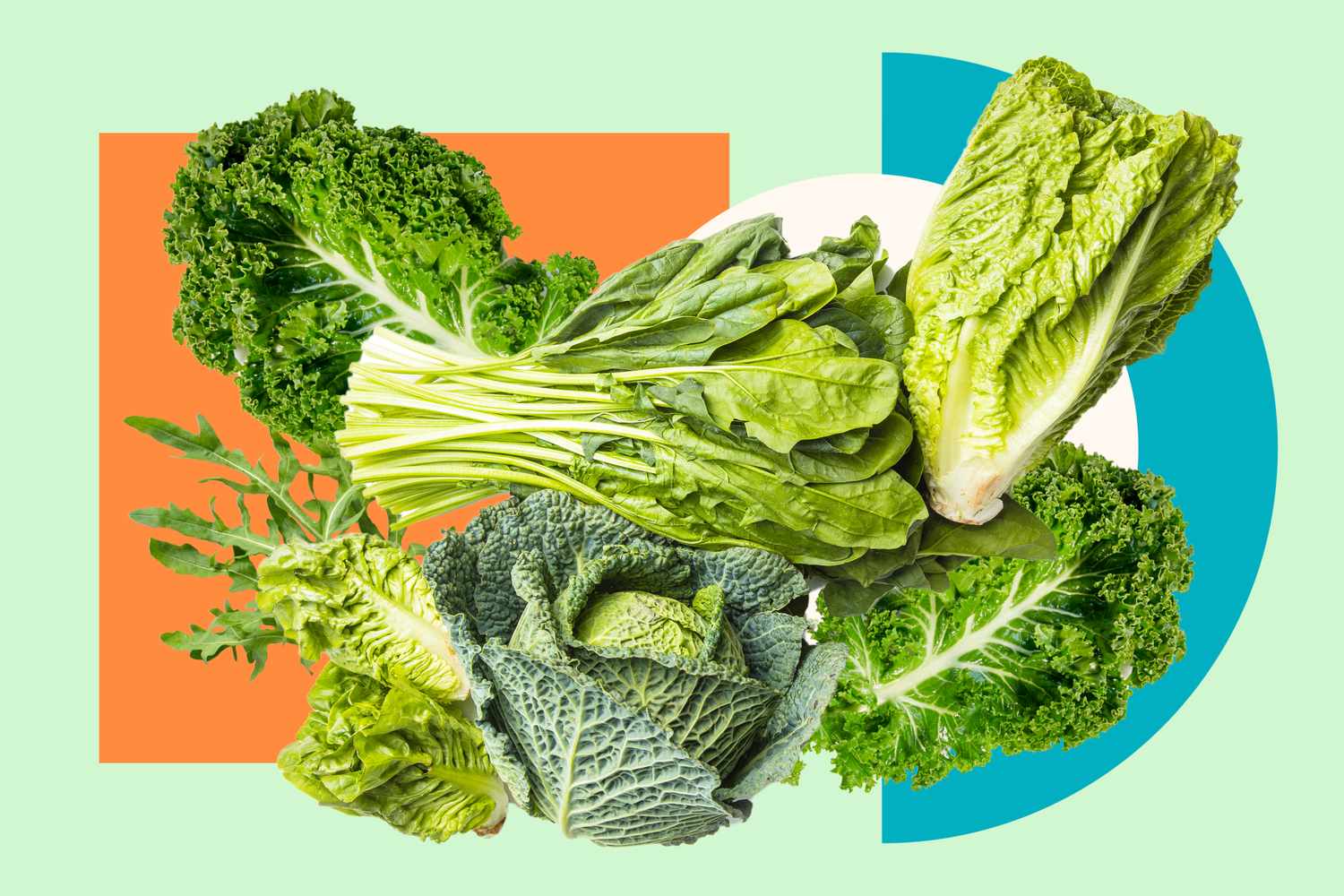
While all leafy greens provide benefits, spinach, kale, collard greens, and mustard greens are the most nutrient-dense options. These specific varieties were the focus of the Memory and Aging Project due to their high concentrations of phylloquinone, lutein, and folate.
How many servings of leafy greens should I eat per day for brain benefits?
The clinical benchmark for significant cognitive protection is at least one serving per day. In the most famous studies, the high-consumption group averaged about 1.3 servings daily, which is roughly one large salad or a side of sautéed greens with dinner.
What nutrients in green vegetables help memory?
The primary memory-supporting nutrients are vitamin K, lutein, folate, and beta-carotene. These work together to lower inflammation, reduce oxidative stress, and maintain the integrity of the myelin sheath and cell membranes within the brain.
Can eating leafy greens prevent dementia or Alzheimer's?
While no single food can guarantee the prevention of disease, large-scale studies like the MIND diet research show that regular consumption of leafy greens can reduce the risk of Alzheimer's by up to 53%. It is one of the most effective lifestyle interventions available.
Is spinach better than kale for cognitive function?
Both are excellent, but they offer slightly different profiles. Kale is exceptionally high in Vitamin K and Vitamin C, while spinach is a superior source of folate and magnesium. Rotating between different types of greens is the best strategy to ensure a broad spectrum of phytonutrients.
Do cooked leafy greens have the same brain benefits as raw ones?
Yes, and in some cases, cooking can even improve the absorption of certain nutrients. While heat can reduce the levels of Vitamin C and some B vitamins, it often makes carotenoids like lutein and beta-carotene more bioavailable by breaking down the plant's cell walls. The key is to avoid over-boiling and instead lightly steam or sauté them.
Conclusion
The evidence is clear: the path to a resilient, youthful brain is paved with green. By understanding the cognitive benefits of vitamin K and folate and the protective power of the MIND diet, you can take control of your long-term mental clarity. Incorporating leafy greens into daily diet doesn't require a total lifestyle overhaul—it simply requires one small, consistent choice at each meal. Whether it’s a handful of spinach in your morning smoothie or a side of sautéed kale with dinner, your brain will thank you for the 11-year head start.