Quick Facts
- Daily Fiber Target: Aim for at least 30 grams to maintain optimal gut transit and feed beneficial bacteria.
- Bioavailability Leader: Cooking matters; stir-fried carrots offer 75% nutrient uptake compared to just 11% in raw form.
- Probiotic Baseline: Look for supplements with 20 Billion CFU and delayed-release technology to bypass stomach acid.
- Vitamin C Threshold: Absorption is highly efficient at 200 mg but drops below 50% when doses exceed 1,000 mg.
- Key Synergies: Always pair Vitamin D with Calcium for bone health, and use Vitamin C to unlock plant-based iron.
- Gut Lining Support: Non-fermenting soluble fibers like psyllium husk help maintain the intestinal barrier without causing gas.
Signs that your body may not be properly absorbing vitamins include chronic fatigue, a compromised immune system, and brittle hair or nails. Visible changes like pale, flaky skin or frequent fluctuations in energy levels often indicate that the digestive system is struggling to utilize nutrients from food. Improving nutrient absorption involves optimizing gut health by increasing soluble fiber intake and supporting a diverse microbiome to ensure the bioavailability of essential micronutrients.
Are You Actually Absorbing Your Diet? Recognizing Malabsorption
You might be eating a pristine, organic, nutrient-dense diet, but if your digestive system isn't functioning as a high-efficiency processor, much of that investment is quite literally going down the drain. As a gut health editor, I often see people confused as to why they still feel sluggish despite their green smoothies. The answer usually lies in nutrient absorption, the complex biological process where vitamins and minerals move from your digestive tract into your bloodstream. When this process falters, we call it malabsorption, and your body is remarkably vocal about it.
Recognizing the signs your body isn't absorbing vitamins is the first step toward recovery. Chronic fatigue is a hallmark symptom, often stemming from an inability to take up B-vitamins or iron. However, the signs of malabsorption are often written on the surface of your body before they show up in a standard blood panel. Brittle nails that snap easily, hair that has lost its luster, or skin that remains persistently pale and flaky are clear indicators that your internal "delivery service" is failing.

Furthermore, persistent digestive discomfort is not just an inconvenience; it is a red flag. Frequent bloating, oily stools, or unexplained weight loss suggest that your system is struggling to break down macronutrients, which in turn limits your micronutrient density. This creates a cycle of systemic inflammation, where the very act of eating becomes a stressor for the gut lining, further hindering your ability to heal and thrive.
The Small Intestine: Your Primary Nutrient Gatekeeper
If your stomach is the blender, your small intestine is the high-tech sorting facility. Stretching roughly 6 meters in length, this organ provides a massive surface area dedicated almost entirely to taking in the good stuff. The stars of the show are the small intestine villi, tiny, finger-like projections that increase the absorptive surface area. When these villi are healthy, they act like a plush shag carpet, catching every passing molecule of nutrition. When they are flattened by inflammation or poor diet, your nutrient absorption capacity plummets.
We often refer to the gut as the Second Brain because of its vast network of neurons and its ability to act independently to manage digestion. This "brain" works in tandem with your gut microbiome diversity to regulate what enters the blood. A balanced ecosystem of beneficial bacteria ensures the integrity of the gut barrier, preventing unwanted particles from leaking through while actively facilitating the transport of vitamins.
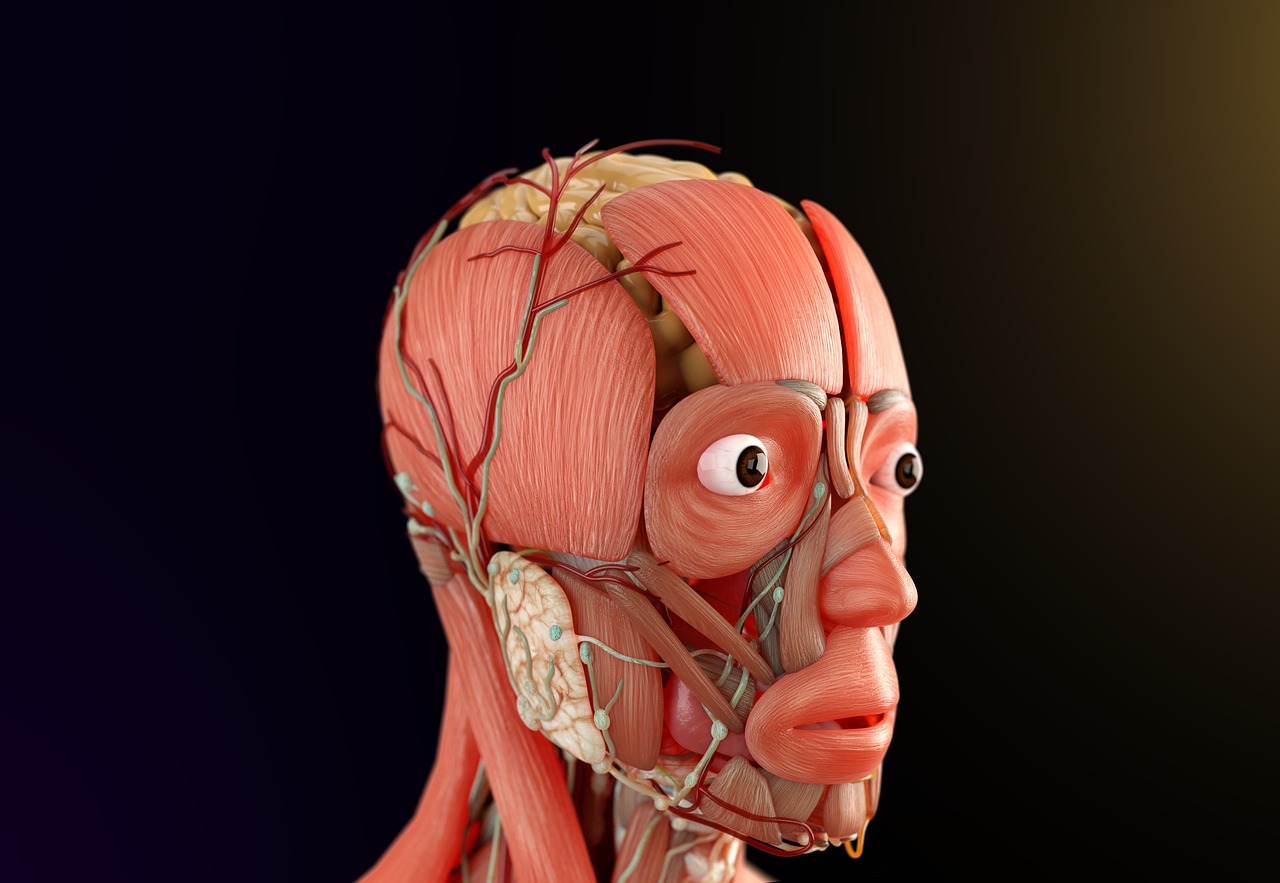
The gut health and vitamin absorption connection is perhaps most evident when looking at intestinal permeability. If the tight junctions of your gut lining become loose—a condition often colloquially called leaky gut—the body’s inflammatory response is triggered. This inflammation can damage the very transporters needed for mineral uptake. Understanding how to restore gut health for better nutrition starts with protecting these delicate villi and fostering an environment where beneficial bacteria can thrive.
Bioavailability Boosters: Strategic Food Pairing
Nutrition isn't just about what you eat; it's about what you eat together. This is the concept of bioavailability, or the proportion of a nutrient that is digested, absorbed, and metabolized. One of the most critical rules involves fat-soluble vitamins, specifically vitamins A, D, E, and K. These nutrients require dietary fat to be transported across the intestinal wall. If you are eating a fat-free salad with carrots, you are missing out on the majority of the provitamin A.
Research indicates that the average bioavailability of 15.6% for plant-based provitamin A (beta-carotene) is significantly lower than the 74% found in animal-sourced retinol. However, you can narrow this gap through smart preparation. For instance, stir-fried carrots provide a beta-carotene bioavailability of 75% compared to just 11% in raw carrots. The heat breaks down the plant's cell walls, and the oil provides the necessary transport medium.
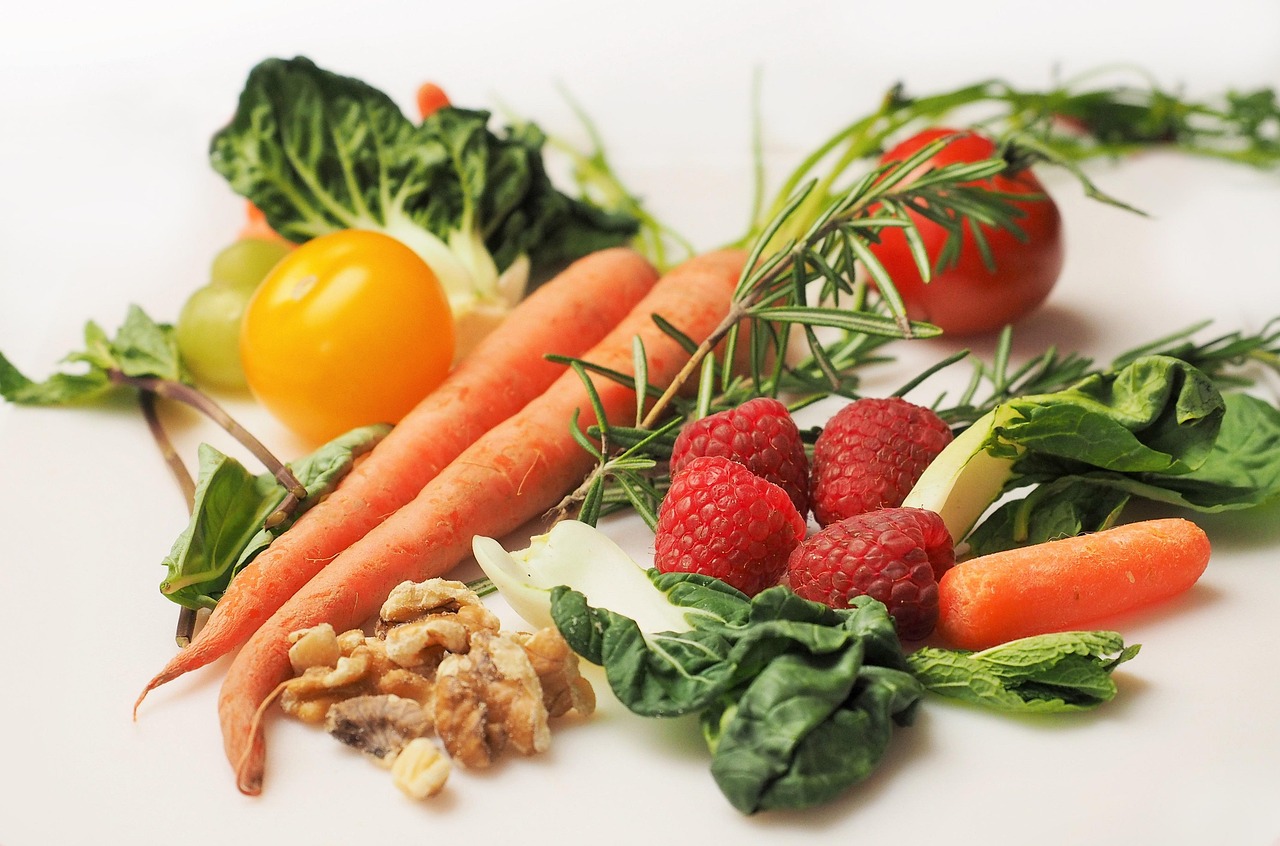
To maximize your intake, you must understand how to improve nutrient absorption naturally by utilizing food synergies. Below is a guide to the most effective boosters and the blockers you should avoid during your most nutrient-dense meals.
| Nutrient | Booster (Pair With) | Blocker (Avoid With) |
|---|---|---|
| Iron (Non-heme) | Vitamin C (Citrus, Peppers) | Tannins (Tea, Coffee) |
| Calcium | Vitamin D & Magnesium | Oxalates (Spinach, Beets) |
| Vitamin A/D/E/K | Healthy Fats (Avocado, Olive Oil) | Fat Replacers / Olestra |
| Curcumin | Piperine (Black Pepper) | High-fiber meals (can delay) |
| Zinc | Animal Protein | Phytates (Grains, Legumes) |
If your digestion still feels "heavy" even with these pairings, you might consider incorporating foods rich in digestive enzymes, such as pineapple (bromelain) or papaya (papain), to help break down proteins and fats more effectively.
The Soluble Fiber Solution: Psyllium Husk and Prebiotics
While we often focus on vitamins, the "infrastructure" of the gut is built on fiber. However, not all fibers are created equal for those with sensitive digestion. This is where psyllium husk benefits really shine. Psyllium is a unique form of soluble fiber that is non-fermenting. Unlike other prebiotics that can cause significant gas and bloating as bacteria break them down, psyllium moves through the system smoothly, absorbing water and forming a gel.
This gel-like substance serves several purposes. It slows down gastric emptying, giving the small intestine more time to interact with nutrients, which can actually help how to improve nutrient absorption naturally for certain minerals. Furthermore, psyllium husk benefits for digestion include its ability to sweep the intestinal walls, helping to clear out waste that might otherwise impede the function of the villi.
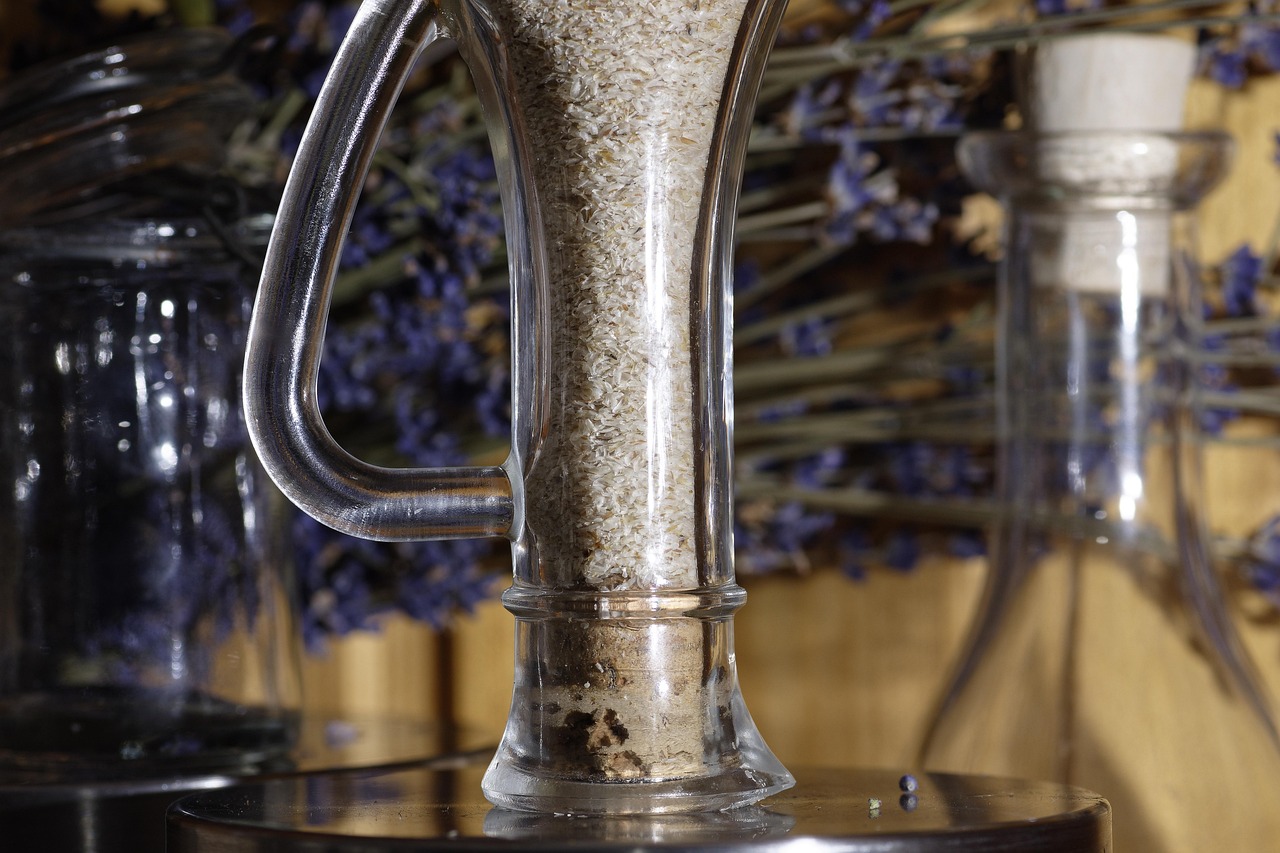
While psyllium provides the structure, you still need prebiotic fermentation from other sources like chicory root or garlic to feed the microbiome. This fermentation produces short-chain fatty acids (SCFAs) like butyrate, which are the primary fuel source for the cells lining your colon. Maintaining this barrier is essential for microbiome homeostasis and ensuring that systemic inflammation doesn't rise to levels that interfere with metabolic efficiency.
The Blockers: Vitamin Absorption Inhibitors to Avoid
Sometimes, the problem isn't what you're lacking, but what you're consuming that actively prevents uptake. These substances are known as antinutrients. While they are naturally occurring in many healthy foods, they can be problematic in high concentrations. For example, oxalates in raw spinach can bind to calcium, preventing it from being absorbed. Cooking these vegetables or pairing them with a bit of dairy can help neutralize these effects.
Another major inhibitor is found in your morning routine. Tannins and polyphenols in tea and coffee are excellent antioxidants, but they are notorious iron blockers. If you struggle with low iron levels, try to wait at least an hour after a meal before enjoying your cup of tea.

We must also discuss the "more is better" fallacy regarding supplements. Take Vitamin C, for example. Research shows that nearly 100% of the nutrient absorbed at single doses up to 200 mg, while bioavailability drops to less than 50% for doses exceeding 1,000 mg. When the body is flooded with more than it can handle, it simply flushes the excess, and in some cases, the high concentration can even irritate the gut lining, leading to faster transit times and less absorption overall.
Clinical Red Flags and Diagnostic Testing
If you have optimized your diet, fixed your food pairings, and started a gut-supportive regimen, but you still see signs of malabsorption, it is time for clinical intervention. Sometimes the issue isn't behavioral—it's structural or pathological. Conditions like Celiac disease, Crohn’s, or Small Intestinal Bacterial Overgrowth (SIBO) can significantly damage the gut's ability to function.
You might want to investigate nutrient absorption tips for better skin and hair specifically with a dermatologist or a functional medicine practitioner. They can order specific tests to see if hormonal regulation is being impacted by nutrient deficiencies. Common diagnostic tools include:
- Hydrogen Breath Test: Used to identify SIBO or lactose intolerance.
- Fecal Fat Test: Determines if you are failing to digest and absorb dietary fats.
- Blood Micronutrient Panel: Goes deeper than standard labs to check intracellular levels of vitamins.
- Endoscopy/Biopsy: The gold standard for checking the health of the small intestine villi.
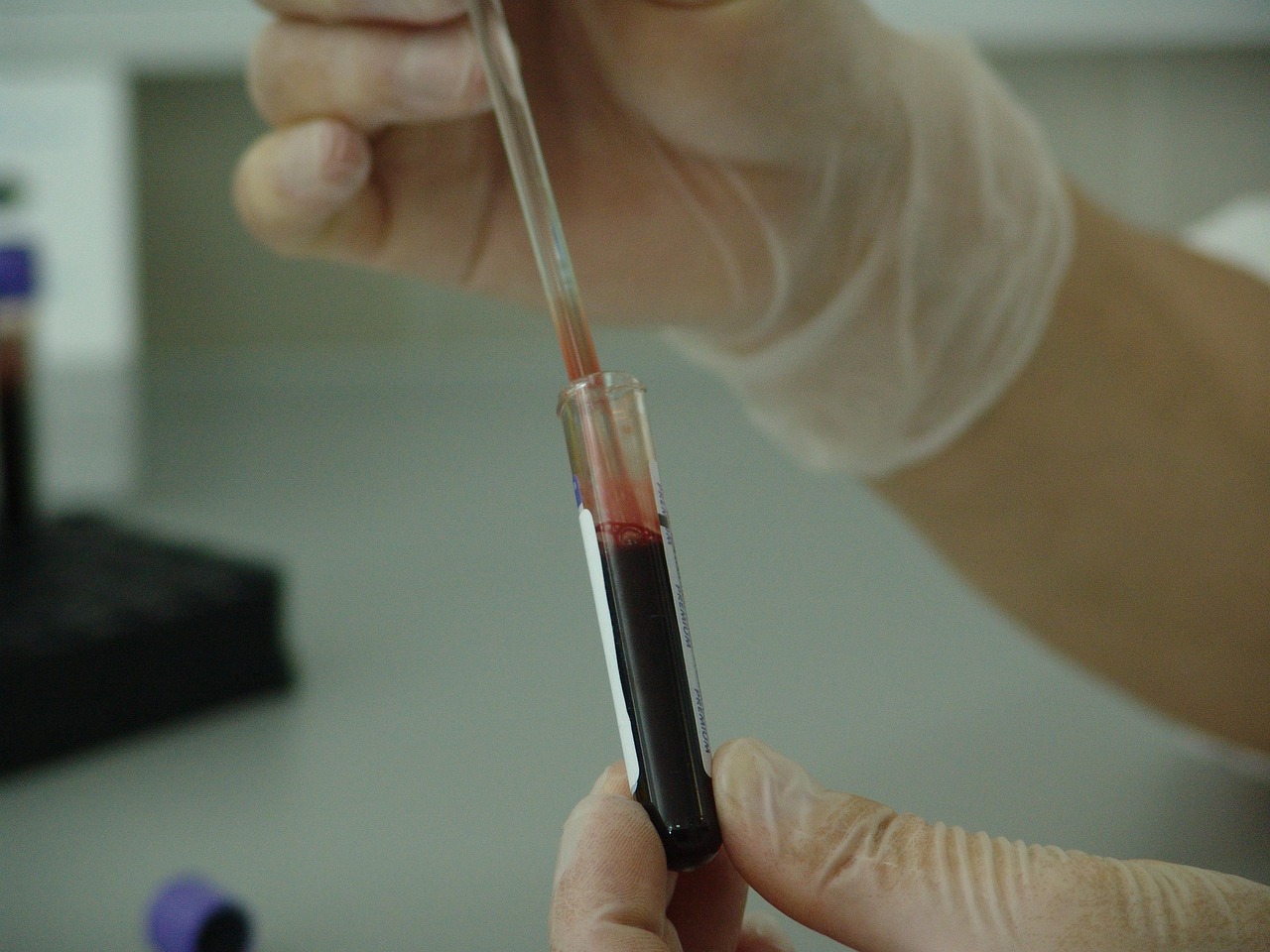
Remember, your gut is a dynamic ecosystem. It responds to stress, sleep, and hydration just as much as it does to food. By focusing on the health of your small intestine and making strategic choices about bioavailability, you can ensure that the high-quality food you eat actually makes it to the cells that need it most.
FAQ
What are the signs of poor nutrient absorption?
The most common signs include chronic fatigue even after sleeping, brittle hair and nails, and skin issues like persistent dryness or paleness. You may also notice digestive symptoms like bloating, gas, or stools that appear oily or unusually foul-smelling, which indicates that fats are not being properly broken down and absorbed.
How can I improve my body's nutrient absorption?
Improving absorption starts with gut health. Focus on increasing soluble fiber through foods or supplements like psyllium husk to support the gut lining. Additionally, practice strategic food pairing—such as adding healthy fats to vegetables—and consider taking a high-quality probiotic to support gut microbiome diversity. Reducing stress and chewing your food thoroughly are also simple but effective ways to enhance digestive efficiency.
Which foods help increase nutrient absorption?
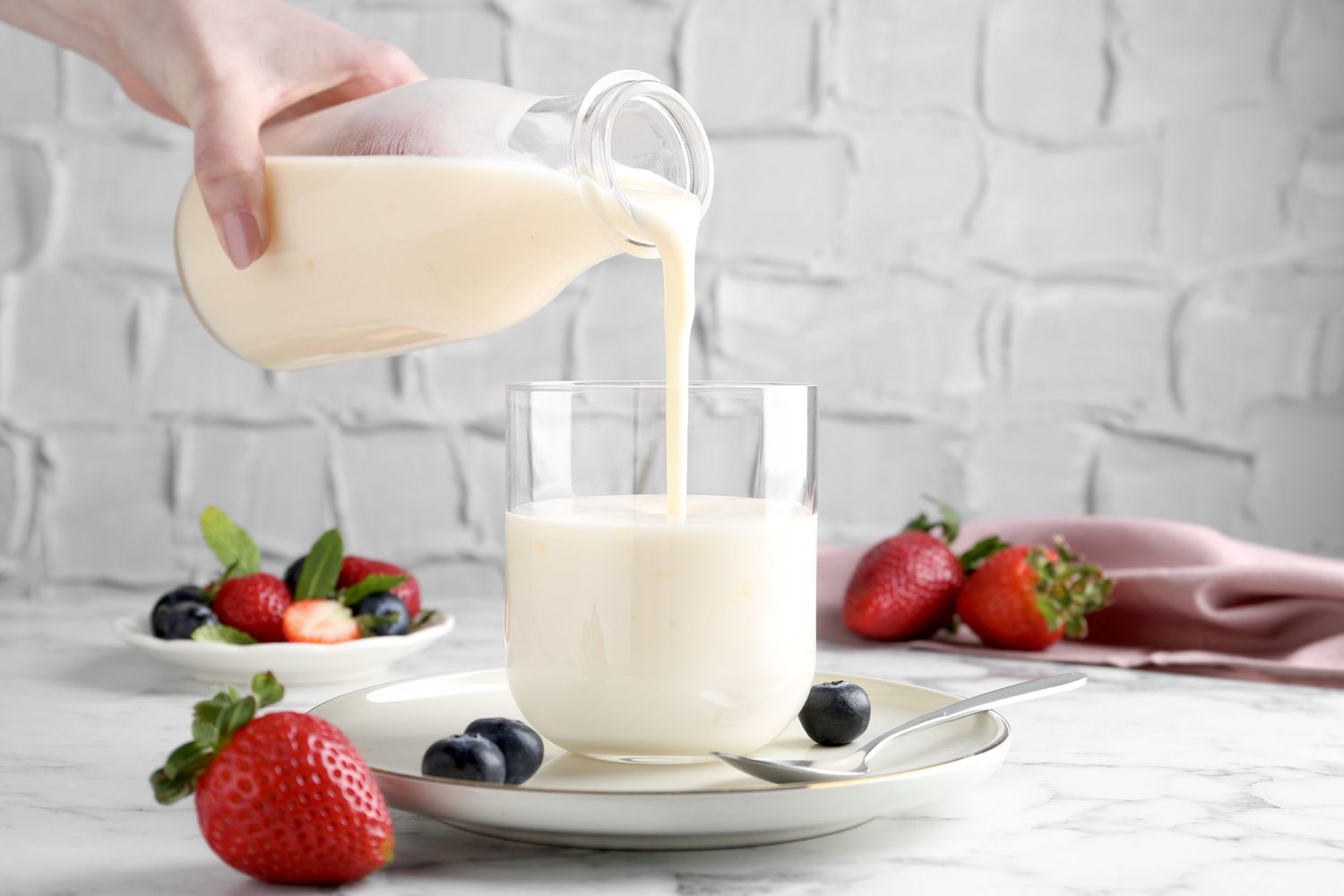
Foods rich in digestive enzymes like pineapple, papaya, and fermented foods like kimchi or kefir can help break down nutrients. Healthy fats like avocado, olive oil, and nuts are essential for the uptake of fat-soluble vitamins. Furthermore, consuming Vitamin C-rich foods like bell peppers alongside plant-based iron sources (like lentils) significantly increases iron bioavailability.
What factors prevent the body from absorbing nutrients?
Common inhibitors include antinutrients like oxalates and phytates found in certain raw vegetables and grains. Lifestyle factors like excessive alcohol consumption, high stress, and certain medications (like proton pump inhibitors) can also damage the gut lining or alter stomach acid levels. Additionally, drinking tea or coffee with meals can block the absorption of minerals like iron and calcium due to their tannin content.
How does gut health influence nutrient uptake?
The gut is the primary site of nutrient transport. A healthy gut features robust small intestine villi that provide a large surface area for absorption. Furthermore, a balanced microbiome produces enzymes and signaling molecules that facilitate the transport of vitamins across the intestinal barrier. When the gut is inflamed or has high intestinal permeability, the body's ability to effectively utilize even the most nutrient-dense foods is compromised.