Quick Facts
- Brain Energy: The human brain is a metabolically expensive organ, consuming roughly 20% of your total daily energy.
- Focus Anchor: A high protein breakfast provides the specific amino acid profile necessary for dopamine and norepinephrine synthesis, the drivers of motivation and alertness.
- The 30g Rule: Research suggests that consuming approximately 30 grams of protein in the morning is the threshold needed to optimize executive function and decision-making.
- Productivity ROI: Adopting healthy morning nutritional habits is correlated with a 20% gain in overall daily productivity.
- Glycemic Control: Protein-rich meals offer a much lower glycemic response than traditional cereal or toast, preventing the insulin spikes that lead to cognitive fogginess.
- Metabolic Timing: For the best results in cognitive performance, aim to consume your protein within one hour of waking to properly regulate cortisol levels.
Consuming a high protein breakfast for focus and productivity provides the essential amino acids required for neurotransmitter synthesis, which stabilizes blood glucose levels and ensures sustained alertness and concentration throughout the morning. This nutritional strategy acts as a biological foundation for executive function, preventing the common mid-morning slump associated with high-carbohydrate meals.

The Neurochemistry of Focus: Why Protein Wins
Most people view breakfast as a simple fuel stop, but from a longevity and functional health perspective, it is a neurochemical reset. When you choose a high protein breakfast, you are not just "filling the tank"; you are providing the precursors for the chemicals that allow your brain to process information. Two primary players in this process are tyrosine and choline. Tyrosine is the amino acid precursor to dopamine and norepinephrine. These neurotransmitters are the bedrock of executive function, allowing you to stay on task, resist distractions, and manage complex problem-solving.
In contrast, a breakfast heavy in refined carbohydrates—think bagels, pancakes, or sugary cereals—triggers a rapid spike in blood glucose. While this provides a temporary energy surge, it is almost always followed by a reactive hypoglycemia. This "crash" is what many office workers identify as the 10:30 AM brain fog. By prioritizing morning protein intake benefits, you switch your brain from a volatile "burn and crash" energy system to a "steady-state" system. This is what I call the Focus Paradox: by achieving a higher satiety index through protein, your brain maintains cognitive endurance without the distraction of fluctuating hunger signals.
A 2024 study published in the Journal of Dairy Science found that a protein-rich breakfast significantly improved concentration and cognitive performance in participants compared to those who consumed a carbohydrate-rich breakfast or skipped the meal entirely. This highlights the importance of low-glycemic fuel in maintaining neural function. When you stabilize your blood glucose, you effectively reduce the cognitive load required for emotional regulation, meaning you are less likely to feel irritable or overwhelmed by your morning inbox.

Productivity Killers vs. Brain Fuel
| Breakfast Type | Primary Component | Cognitive Impact | Long-term Effect |
|---|---|---|---|
| Productivity Killer | Refined Carbs / Sugar | Rapid insulin spike, followed by glucose crash. | Morning brain fog, irritability, and "hanger." |
| Brain Fuel | High-Quality Protein | Sustained neurotransmitter synthesis and glucose stability. | Sustained alertness, better memory, and executive clarity. |
The 30-Gram Threshold: Timing and Titration
As a longevity editor, I often look for the "minimum effective dose" for health interventions. When it comes to protein breakfast for concentration, the magic number appears to be 30 grams. This is not an arbitrary figure; it is the amount required to sufficiently stimulate muscle protein synthesis and, more importantly for our purposes, provide a substantial amino acid profile to the brain.
Recent expert insights suggest that a breakfast containing approximately 30 grams of protein is optimal for stimulating the executive decision-making area of the brain. This dosage ensures that you hit the satiety index required to suppress ghrelin (the hunger hormone) for four to six hours, allowing you to work through your most demanding tasks without looking at the clock for lunch.
Timing is the second half of the equation. I recommend the "1-hour rule": consume your protein within 60 minutes of waking. This aligns with your body’s natural cortisol awakening response. While cortisol naturally rises to wake you up, a high protein meal helps modulate this response, preventing it from spiraling into mid-morning anxiety. This timing also kickstarts your metabolic thermogenesis, helping your body burn energy more efficiently throughout the day.
Sweet vs. Savory: Protein-Rich Breakfast Recipes for Clarity
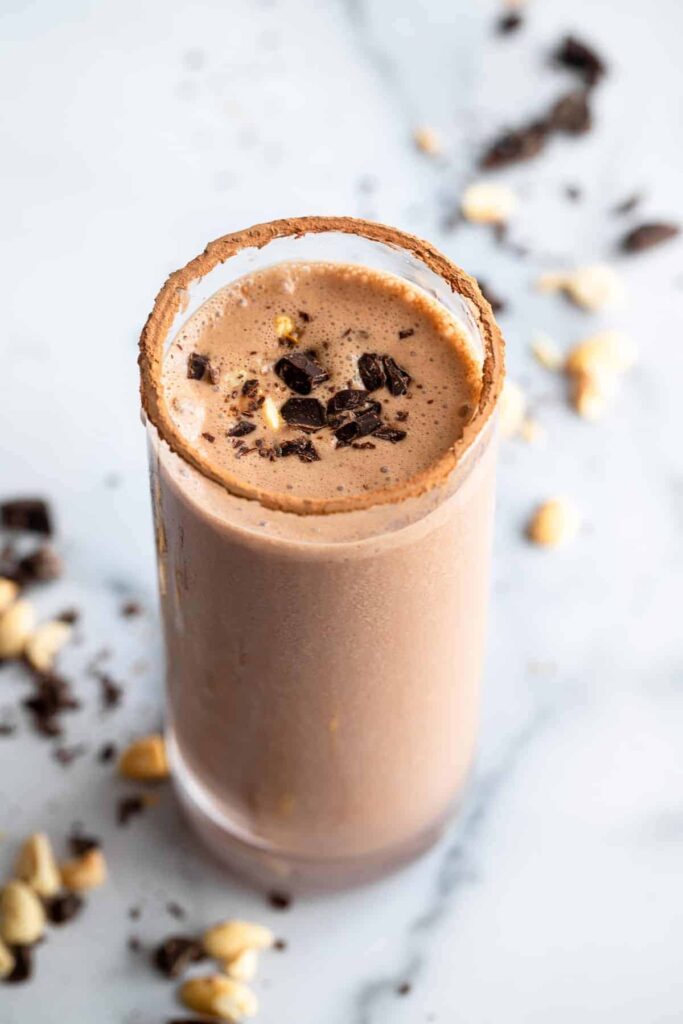
Finding best protein sources for brain health at breakfast does not mean you are limited to plain chicken breasts. Variety is essential for long-term adherence. We can categorize these into savory and sweet archetypes, ensuring that even those with a "morning sweet tooth" can hit their 30g target.
Savory Options: The High-Performance Classic
Savory breakfasts often make it easier to reach the 30g threshold because they rely on bioavailable protein sources like eggs, fish, and dairy.
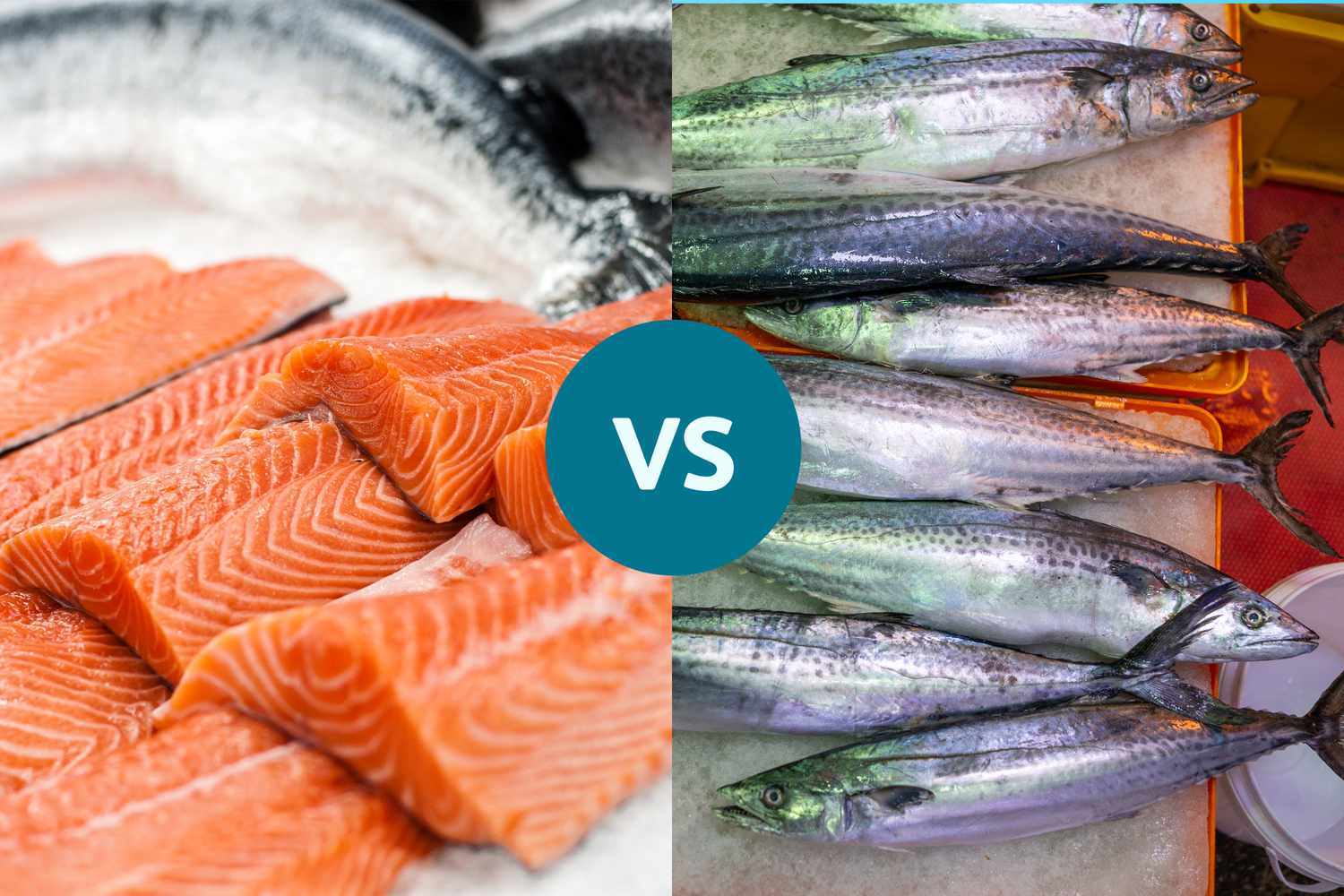
- The Omega Power Bowl: 3 large eggs (18g protein) scrambled with 2 ounces of smoked salmon (11g protein). Total: 29g. The smoked salmon provides essential omega-3 fatty acids which enhance neural function and reaction time.
- Cottage Cheese Savory Toast: 1 cup of low-fat cottage cheese (28g protein) on a slice of sprouted grain bread. Top with cracked black pepper and cucumber. Cottage cheese is an underrated focus food due to its high casein content, which digests slowly for sustained release.
Sweet Options: The Science-Backed Alternative
If you prefer something lighter or sweeter, look toward the Aarhus University study’s favorite: Skyr and oats.
- The Aarhus Bowl: 1 cup of Skyr (20g protein) mixed with a scoop of high-quality whey or collagen peptides (10g protein), topped with a handful of oats for fiber. This combination supports the gut-brain axis while meeting the 30g protein threshold.
- Greek Yogurt Parfait: 1 cup of non-fat Greek yogurt (24g protein) mixed with 1 tablespoon of hemp seeds (3g) and a few walnuts (2g).
Regardless of your preference, these protein-rich breakfast recipes ensure you are getting the building blocks required for neurotransmitter synthesis without the sugar-induced lethargy of traditional options.

3-Week Productivity Roadmap: From Fog to Focus
Changing a long-term habit like skipping breakfast or grabbing a muffin on the way to work takes time. I suggest a 3-week transition to fully integrate these changes into your lifestyle. This structured approach allows your metabolism and brain chemistry to adapt without feeling overwhelmed.
- Week 1: The Foundation Identify your primary protein sources. Don't worry about the 30g target yet; just ensure that protein is the star of every morning meal. Replace your cereal or toast with eggs or yogurt. Focus on how your energy feels at 11:00 AM compared to previous weeks.
- Week 2: The Integration This is where we introduce protein breakfast meal prep for busy professionals. On Sunday, hard-boil a dozen eggs or portion out containers of Greek yogurt and cottage cheese. Start aiming for the 30g mark. Use a simple tracking app for three days just to calibrate your portions.
- Week 3: Full Adoption Apply the 1-hour rule consistently. By this stage, you should notice a significant improvement in cognitive endurance. Track your "deep work" sessions; you will likely find that your ability to focus on complex tasks has increased significantly.
A long-term study of community-dwelling older adults showed that substituting just 5% of energy from carbohydrates with protein at breakfast was positively associated with better global cognitive function scores. This suggests that the benefits of a high protein breakfast are not just immediate, but cumulative, protecting your brain as you age.

FAQ
How many grams of protein should I eat for breakfast?
To optimize cognitive performance and satiety, you should aim for approximately 30 grams of protein. This amount is the clinical threshold for triggering the metabolic and neurochemical benefits needed for a productive morning.
What are the best high protein breakfast foods without eggs?
If you want to avoid eggs, Skyr and Greek yogurt are excellent alternatives, often providing 15-24g of protein per cup. Other options include cottage cheese, smoked salmon, hemp seeds, or a high-quality protein powder mixed into oatmeal.
How can I get 30 grams of protein in the morning?
Achieving 30 grams usually requires combining a dense protein source with a "booster." For example, 1 cup of Greek yogurt (24g) topped with 2 tablespoons of hemp hearts (6g) gets you exactly to the target. Alternatively, 3 eggs with a side of black beans or a slice of high-protein sprouted bread will also do the trick.
What are some quick high protein breakfast ideas for work?
For those on the go, quick high protein breakfast for work mornings include overnight oats made with protein powder and Greek yogurt, or pre-made egg muffins that can be reheated. A simple protein shake with added nut butter is also an effective, albeit less whole-food-based, option for the busiest days.
Are high protein breakfasts better than high carb breakfasts?
Yes, specifically for focus and sustained energy. While high carb breakfasts can cause insulin spikes and subsequent energy crashes, a high protein breakfast stabilizes blood sugar and provides the amino acids necessary for neurotransmitter synthesis, resulting in superior concentration and executive function.
Final Thoughts on Morning Optimization
The secret to a productive morning isn't found in a third cup of coffee; it’s found in the metabolic foundation you lay at 7:00 AM. By shifting toward a high protein breakfast, you are essentially providing your brain with the raw materials it needs to perform at its peak. Whether you prefer the savory richness of smoked salmon or the convenience of a Skyr bowl, the results remain the same: fewer distractions, higher cognitive endurance, and a significant reduction in that dreaded afternoon slump.
I encourage you to try the 30g rule for just seven days. Pay close attention to your reaction time and your ability to handle stress during your morning meetings. The science, from Aarhus University to the National Institutes of Health, is clear—protein is the ultimate cognitive fuel. It’s time to stop sabotaging your productivity with sugar and start feeding your focus.