Quick Facts
- The 72% Stat: Recent data indicates that 72% of consumers feel misled by health claims found on snack packaging.
- The Rule of Three: The first three ingredients on any label usually comprise the vast majority of the product by weight.
- Marketing Irony: Research shows that products with more health claims on the label often have lower overall nutritional quality.
- Nature vs. Lab: A foundational rule for wellness is to prioritize items created by nature over those synthesized in a corporate laboratory.
- Ingredient Priority: The ingredient list is far more indicative of metabolic health outcomes than the isolated numbers on the nutrition facts panel.
To make healthy food choices, prioritize whole, unprocessed foods that nature provided, such as vegetables, fruits, and fresh proteins. A simple rule is to ask whether a human or nature made the item. Focus on the ingredient list rather than front-of-package marketing buzzwords like natural or pure, as these often distract from added sugars and industrial additives.
The Marketing Mirage: Why Labels Lie
Modern grocery stores are less like pantries and more like minefields of psychological manipulation. As an editor specializing in micronutrient science, I have spent years watching the trillion-dollar food industry evolve its tactics. We are currently living in an era of healthwashing, where industrial manufacturing is disguised behind earthy tones and cursive fonts.
A 2025 field study of nearly 600 common grocery items confirms what many of us have suspected: there is no significant association between front-of-package nutritional content claims and the actual nutritional quality of the product. This means that when a box of cereal screams high fiber or heart healthy, it is often a defensive maneuver to distract you from the high levels of ultra processed grains and synthetic binders inside.
Learning how to spot misleading food marketing claims is the first step toward reclaiming your metabolic health. The front of the package is an advertisement; the back of the package is the truth. Most packaging buzzwords are legally vague. For instance, the word natural has very little oversight from regulatory bodies, allowing manufacturers to include everything from high-fructose corn syrup to coal-tar derived dyes while still maintaining a wholesome image.
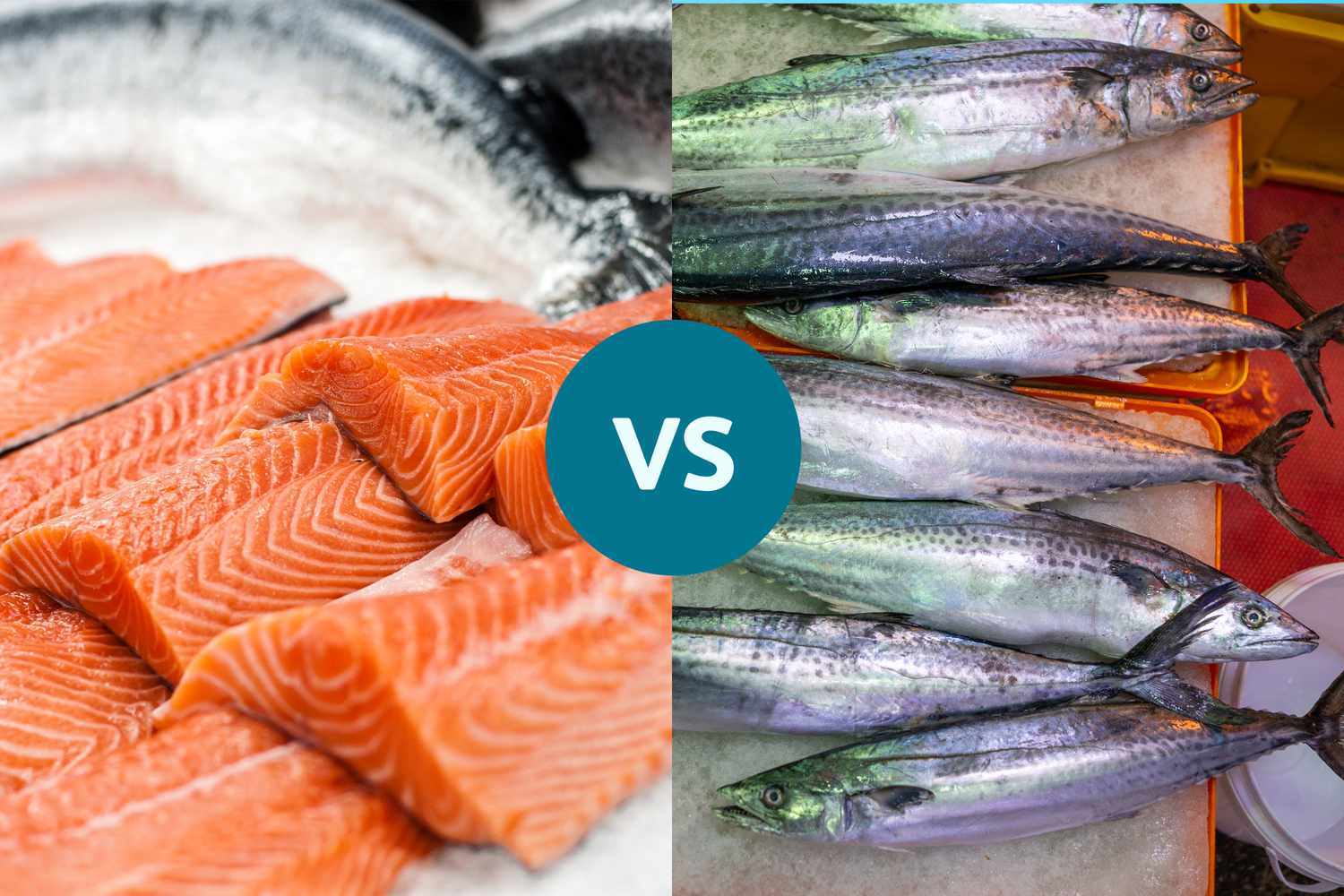
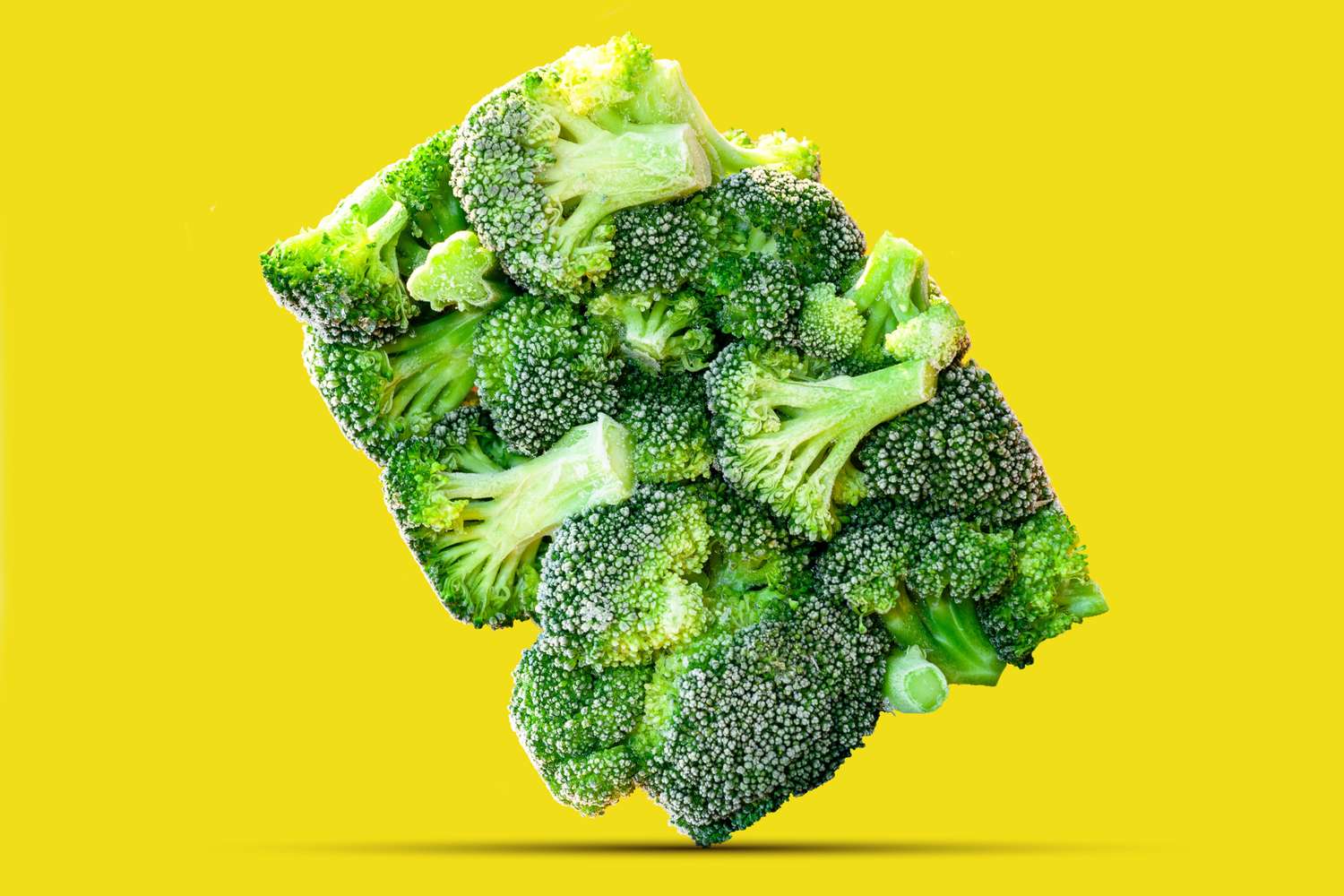
Pro Tip: Treat any product with more than two health claims on the front as a red flag. Real food, like a head of broccoli or a wild-caught salmon fillet, doesn't need to boast about its vitamin content to convince you of its value.
Tip 1: The 'First Three' Ingredient Rule
The most effective way to understand how to read food labels for healthy eating in 2026 is to look at the ingredient hierarchy. By law, ingredients are listed in descending order by weight. This means the first three items are what you are actually eating.
If you pick up a bottle of salad dressing and the first three ingredients are soybean oil, sugar, and water, you are essentially eating a sugar-fat emulsion with a hint of herbs. Science based nutrition tips often emphasize that the quality of these base ingredients determines the systemic inflammation levels in your body. When identifying ultra processed foods on grocery shelves, look for refined flours or industrial seed oils in these top spots.
Pro Tip: If a form of sugar (syrup, nectar, or anything ending in -ose) appears in the top three ingredients, put it back. You are looking for nutrient density, not a glucose spike.
Tip 2: Apply the 'Nature vs. Human' Litmus Test
When making healthy food choices, the most powerful tool you have is a simple question: Was this made by nature or by a human in a lab? This test helps you separate real food from edible food-like substances. Real foods are the biological building blocks our bodies have evolved to process over millennia. In contrast, industrial manufacturing creates compounds designed for shelf-stability and hyper-palatability, often at the expense of our gut microbiome.
When you choose a sweet potato, you are eating a complex matrix of fiber, vitamins, and minerals that work in synergy. When you choose a sweet potato flavored chip, you are consuming a chemically altered starch stripped of its original cellular structure. This distinction is vital for long-term weight management and hormonal balance.

Pro Tip: If an ingredient sounds like it belongs in a high school chemistry textbook rather than a grandmother’s pantry, your body will likely struggle to recognize and metabolize it efficiently.
Tip 3: Beware the Serving Size Scam
One of the most common nutrition facts panel tricks used by the industry is the manipulation of serving sizes. To make a product look lower in calories, fat, or sugar, manufacturers will often list a serving size that is laughably small—half a cookie or a single tablespoon of cereal.
Nutritional literacy requires looking at the servings per container before looking at the calorie count. If a small bag of chips contains 2.5 servings and you intend to eat the whole bag, you must multiply every number on that label by 2.5. This is where hidden sugars and excessive sodium levels become apparent. Many popular beverages, for instance, appear to have reasonable sugar levels until you realize the bottle contains three servings.
Pro Tip: Always calculate the total sugar content for the entire package. This prevents the psychological trap of thinking a processed snack is a low-calorie choice.
Tip 4: Spotting Chemical Red Flags
As an editor focused on micronutrients, I am particularly concerned with how modern additives interfere with mineral absorption and gut integrity. Beyond just calories, we must look at the chemical load of our food. Identifying common additives to avoid in processed foods can drastically improve how you feel on a daily basis.
Red Flag Call-Out: Common Industrial Additives
- Sodium Benzoate: Often used as a preservative, it has been linked in some studies to increased hyperactivity and potential cellular damage when combined with Vitamin C.
- Polysorbate 80 & Carboxymethylcellulose: These common emulsifiers can strip the protective mucus lining of the gut, leading to low-grade inflammation.
- Titanium Dioxide: Used to make foods look whiter or more opaque, this additive is facing increasing scrutiny for its potential to accumulate in the body.
Ingredient transparency is often obscured by these technical names. Choosing foods with minimal processing steps ensures that you aren't inadvertently taxing your liver with synthetic compounds.
Pro Tip: If a product has a shelf life measured in years, it is likely heavily reliant on chemical stabilizers that do nothing for your bio-individuality or health.
Tip 5: Navigating the 'Processed' Spectrum
A common misconception in the wellness space is that all processing is inherently evil. This binary thinking can be a barrier to practical tips for making healthy food choices. In reality, food exists on a spectrum.
Chopping, freezing, and fermenting are all forms of processing that can actually enhance or preserve nutrient density. For instance, frozen vegetables are often picked at peak ripeness and flash-frozen, making them more nutrient-dense than fresh produce that has spent two weeks in a shipping container. The danger lies in ultra processed items that have been broken down into molecular components and reassembled with additives.
| Food Category | Examples | Characteristics |
|---|---|---|
| Whole Foods | Fresh eggs, kale, raw almonds | No ingredient list; original state. |
| Minimally Processed | Frozen spinach, plain yogurt, canned beans | 1-3 ingredients; nutrients preserved. |
| Ultra-Processed | Frozen pizza, soda, flavored yogurt | 10+ ingredients; industrial additives. |
Pro Tip: Focus your shopping on the left two columns of the table above. These provide the best foundation for metabolic health while remaining convenient for a busy lifestyle.
Tip 6: The Perimeter Rule and Home Cooking
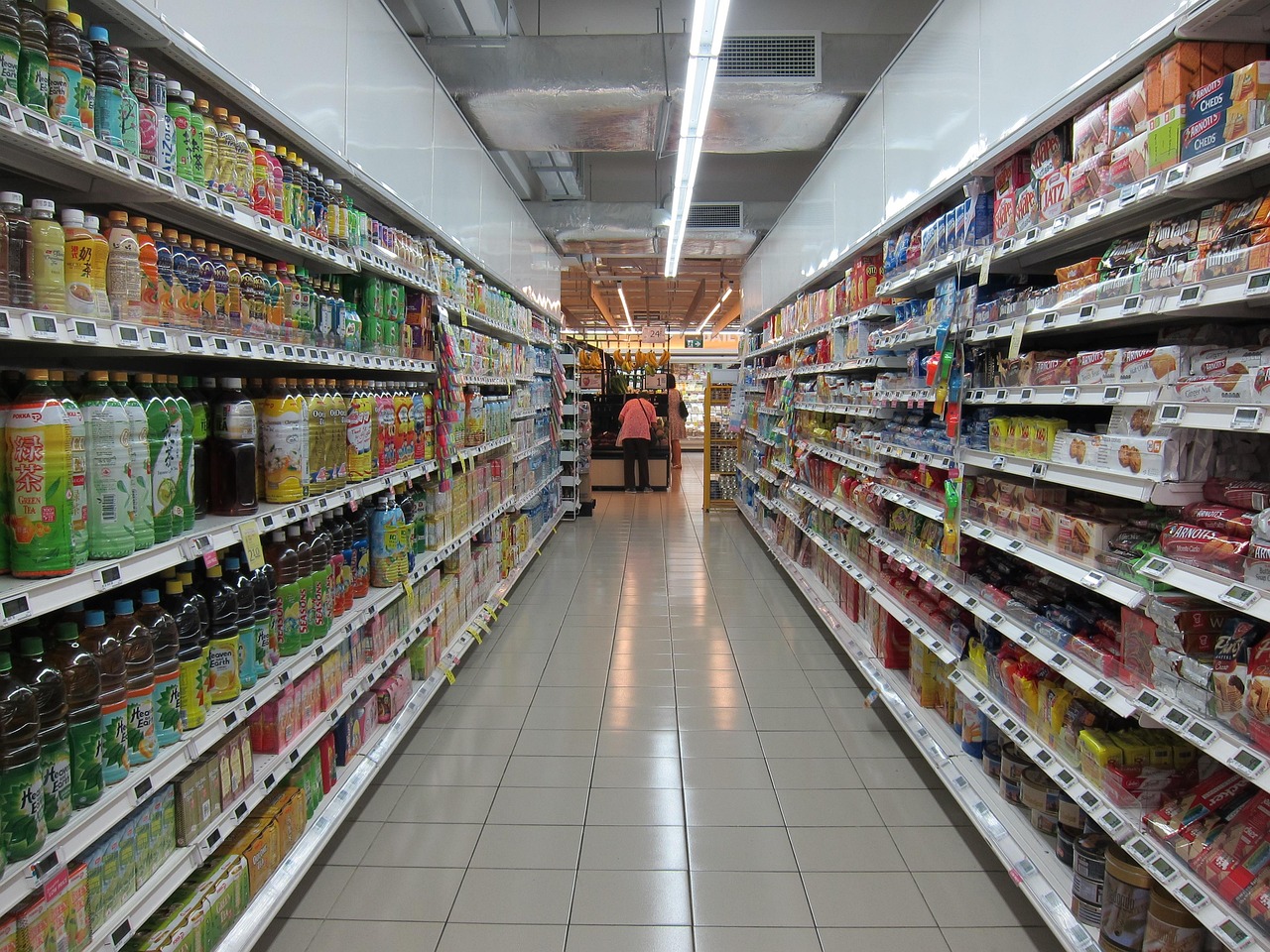
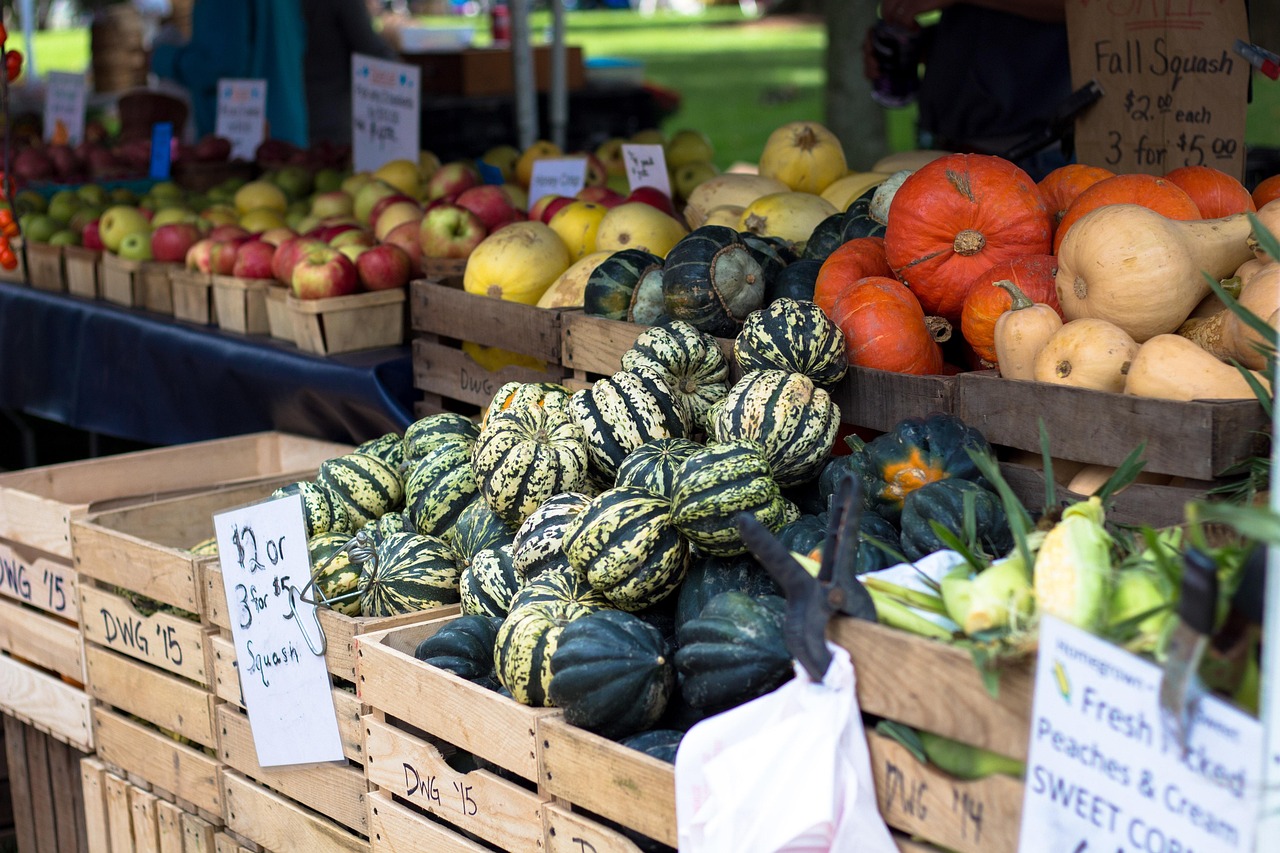
One of the best science based nutrition tips for busy adults is to change where you spend your time in the grocery store. The perimeter of the store is typically where the fresh, perishable items live—produce, meat, fish, and dairy. The interior aisles are where the shelf-stable, industrial manufacturing triumphs are kept.
By focusing your healthy food choices on the perimeter, you naturally bypass the majority of marketing buzzwords and chemical additives. Furthermore, reclaiming the act of home meal preparation is a revolutionary health move. When you cook, you are the one in charge of the ingredient list. You control the quality of the oil and the amount of salt, which is the ultimate form of consumer awareness.
Pro Tip: Try the 80/20 rule: fill 80% of your cart from the perimeter and use the inner aisles only for specific staples like olive oil, spices, or legumes.
Tip 7: Listen to Your 'Internal Label'
While learning how to read food labels is essential, it is equally important to listen to your body's bio-individuality. Your internal label is the physiological response you have after eating certain foods. Do you feel energized, or do you experience a mid-afternoon crash? Do you suffer from bloating, brain fog, or skin breakouts?
Science based nutrition tips should always be calibrated to your unique biology. If a product claims to be a health food but leaves you feeling lethargic, it is not the right choice for you, regardless of what the marketing says. High-quality healthy food choices should promote stable energy and clear thinking.

Pro Tip: Keep a simple food journal for one week. Note not just what you ate, but how you felt two hours later. This data is more valuable than any front-of-package claim.
FAQ
What are some examples of healthy food choices?
Healthy food choices primarily consist of single-ingredient foods that have undergone minimal processing. This includes leafy greens like spinach and kale, cruciferous vegetables like broccoli, high-quality proteins such as eggs or wild fish, and healthy fats found in avocados and walnuts. Berries and seeds are also excellent choices because they offer high nutrient density with relatively low caloric impact.
Why is it important to make healthy food choices?
Consistent healthy food choices are the foundation of metabolic health and long-term disease prevention. High-quality nutrition provides the essential vitamins and minerals required for cellular repair, immune function, and hormonal balance. Conversely, a diet high in ultra processed foods and industrial additives can lead to chronic inflammation, which is a precursor to many modern ailments, including heart disease and type 2 diabetes.
How can I make better food choices when eating out?
When dining at restaurants, look for dishes that are described as grilled, steamed, or roasted rather than fried or breaded. Ask for sauces and dressings on the side, as these are often major sources of hidden sugars and poor-quality oils. A useful strategy is to prioritize a protein and a double serving of vegetables, which ensures you are getting fiber and micronutrients even when you aren't in control of the kitchen.
What are simple food swaps for a healthier diet?
Simple food swaps can significantly reduce your intake of refined ingredients. Try replacing white rice with cauliflower rice or quinoa, swap sugary sodas for sparkling water with a squeeze of lime, and use Greek yogurt instead of sour cream to increase protein intake. Instead of buying pre-flavored oatmeal packets which are often full of sugar, buy plain oats and add your own fresh fruit and cinnamon.
How do I plan a balanced healthy meal?
A balanced meal follows a simple structural formula: fill half your plate with non-starchy vegetables, one-quarter with a clean protein source, and the remaining quarter with a complex carbohydrate or healthy fat. This combination ensures a slow release of energy and keeps you satiated for longer. Incorporating a variety of colors in your vegetables also ensures a wide spectrum of phytonutrients and minerals.