Quick Facts
- Primary Recommendation: The most effective condensed milk substitute depends on the recipe; evaporated milk is the gold standard for baking consistency, while coconut milk is the premier dairy-free choice.
- Nutritional Reality: Commercial sweetened condensed milk contains 40% to 45% of the product's total weight in added sugar.
- Calorie Impact: One cup of the sweetened variety packs nearly 1,000 calories, compared to just 146 calories in a cup of whole milk.
- Market Trends: Despite health concerns, sweetened versions held a 72.3% share of the global condensed milk market in 2024.
- Vegan Synergy: Simmering full-fat coconut milk with a natural sweetener mimics the Maillard reaction needed for authentic caramelization.
- Keto Strategy: Heavy cream paired with monk fruit or allulose provides the necessary binding properties without the glycemic spike.
- DIY Ratio: Most homemade alternatives require a 2:1 reduction—simmering two cups of liquid down to one to achieve the correct viscosity.
The best condensed milk substitute depends on your recipe's needs for viscosity and sweetness. For a direct one-to-one swap in baking, evaporated milk provides a similar consistency with less sugar. If you require a vegan option, full-fat coconut milk simmered with a sweetener like maple syrup or coconut sugar creates a rich, creamy alternative that mimics the Maillard reaction and mouthfeel of traditional dairy.
Is Sweetened Condensed Milk Bad? The Nutrition Facts
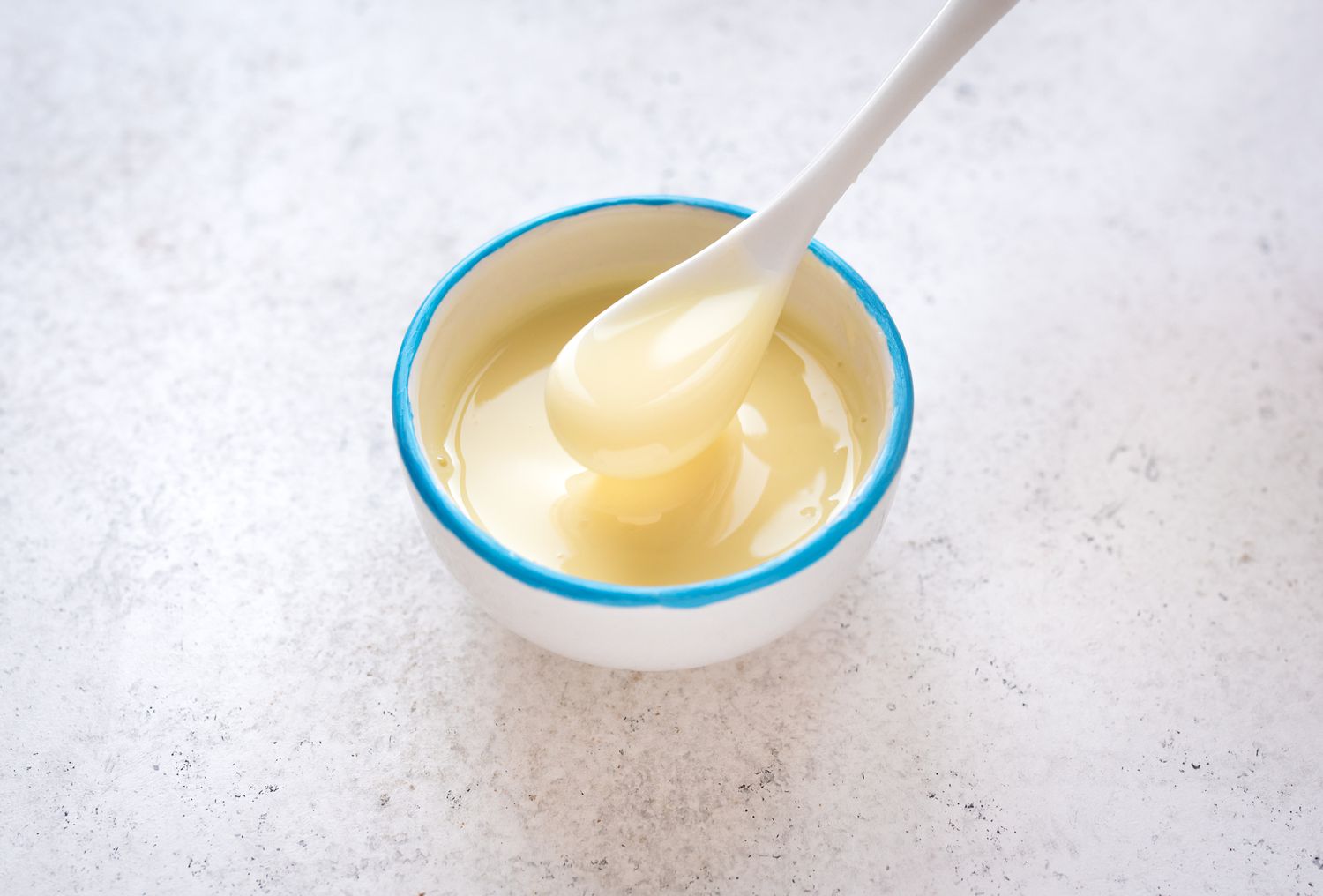
When we look at sweetened condensed milk nutrition facts, the data is often startling for the average consumer. Originally developed as a shelf-stable way to preserve dairy before refrigeration was common, modern condensed milk has evolved into a concentrated sugar delivery system. The primary concern isn't just the dairy itself, but the sheer density of refined carbohydrates.
A single cup of sweetened condensed milk provides nearly 1,000 calories and over 150 grams of sugar, which is significantly higher than the approximately 146 calories and 13 grams of sugar found in one cup of regular whole milk. From a micronutrient perspective, while it does retain some calcium and phosphorus, the sugar-to-nutrient ratio is extremely poor. Because sweetened condensed milk contains approximately five times the amount of sugar found in evaporated milk, it can lead to significant blood glucose spikes and insulin resistance if consumed frequently.
For those wondering is sweetened condensed milk bad for weight loss, the answer is a definitive yes. The high caloric density combined with a lack of fiber means it does very little to promote satiety. It is essentially an "empty calorie" ingredient in many traditional desserts. Furthermore, the American Heart Association (AHA) recommends a daily limit of 25 to 36 grams of added sugar for adults—a limit that a single serving of a condensed milk-heavy dessert can easily double or triple.
| Milk Type (1 Cup) | Calories | Total Sugar | Added Sugar |
|---|---|---|---|
| Sweetened Condensed | 982 | 166g | 150g+ |
| Evaporated Milk | 338 | 25g | 0g |
| Whole Milk | 146 | 13g | 0g |
| Coconut Milk (Canned) | 445 | 8g | 0g |
Best Vegan & Dairy-Free Condensed Milk Alternatives
Finding a dairy free condensed milk substitute used to be a challenge, but plant-based science has made great strides. The goal is to find a liquid that has enough fat to provide a luxurious mouthfeel and enough solids to thicken when heated.
Coconut Milk The most popular vegan condensed milk alternative is full-fat canned coconut milk. Because of its high medium-chain triglyceride (MCT) content, it behaves very similarly to dairy cream. When you simmer it down with a sweetener, it undergoes a process similar to caramelization, resulting in a thick, pourable liquid. However, strict vegans should be aware of the bone char issue; many white sugars are processed using bone char, so it is best to use organic cane sugar, maple syrup, or coconut sugar to keep the recipe truly plant-based.
Cashew Cream If you need a nut free condensed milk substitute for allergies, you would avoid this, but for everyone else, cashew cream is a powerhouse. By blending soaked cashews with a small amount of water and a sweetener, you create a high-viscosity liquid that is naturally creamy. It has a more neutral flavor than coconut, making it an excellent best vegan condensed milk alternative for coffee or delicate custards.
Oat Milk Oat milk is trending as a dairy free condensed milk substitute because of its naturally sweet undertones and environmentally friendly profile. While it lacks the high fat content of coconut, it can be reduced effectively if a small amount of coconut oil or starch is added to maintain the binding agent properties required in baking.
Editor's Tip: When choosing a vegan milk for reduction, always check the label for "gums" like guar or xanthan. While these help with shelf stability, they can sometimes cause the milk to become "gel-like" rather than "creamy" when reduced over heat.
Keto & Sugar-Free Substitutes for Baking
For those on a ketogenic journey or managing diabetes, finding a low glycemic index condensed milk substitute for diabetics is essential. Traditional condensed milk is a "no-go" for keto, but you can achieve the same culinary results using heavy cream and alternative sweeteners.
The most effective sugar free condensed milk substitute for keto diet involves simmering heavy cream with monk fruit or allulose. Unlike honey, which can lead to crystallization when cooled, allulose stays smooth and helps the cream reach a thick, syrupy consistency. This mixture acts as a perfect binding agent for keto fudge, pies, and cheesecakes.
When searching for healthy substitutes for sweetened condensed milk in baking, avoid using pure stevia alone, as it lacks the "bulk" needed to replace the physical volume of sugar. A blend of erythritol and monk fruit usually provides the best structural integrity for desserts.
How to Make Dairy-Free Condensed Milk at Home
You don't need to rely on store-bought cans that may contain preservatives or hidden sugars. Understanding how to make dairy free condensed milk substitute at home is a simple matter of liquid reduction.
- Select Your Base: Start with two cups of your preferred liquid (almond milk, cashew milk, or coconut milk).
- Add Sweetener: Add 1/3 to 1/2 cup of a low-calorie sweetener. If you want a low calorie condensed milk substitute for desserts, opt for stevia drops or a small amount of xylitol.
- The Simmer: Pour the mixture into a wide, shallow saucepan. This increases the surface area and speeds up evaporation.
- Reduce: Keep the heat on low-medium. You do not want a rolling boil, as this can scald the proteins in the milk. Stir occasionally to prevent a skin from forming.
- Monitor the Volume: You are finished when the liquid has reduced by half (from two cups down to one). The color should have deepened slightly, indicating the beginning of the Maillard reaction.
- Cool Completely: This is the most important step for viscosity. The substitute will look thin while hot, but it will thicken significantly as it reaches room temperature.
For those in a hurry, an emergency condensed milk substitute using powdered milk can be made by mixing one cup of non-fat dry milk with 1/3 cup of hot water and a sweetener of choice. This provides a shelf-stable, lower-fat option that works in a pinch for recipes where the fat content isn't the primary structural component.
FAQ
What is the best substitute for sweetened condensed milk?
The best substitute is usually evaporated milk if you are looking for a 1:1 ratio in baking without the excess sugar. If you require a non-dairy option, a reduction of full-fat canned coconut milk is the most effective choice due to its high fat content and similar mouthfeel.
Can I use evaporated milk instead of condensed milk?
Yes, you can use evaporated milk, but you must keep in mind that it is not sweetened. To match the flavor of condensed milk, you will need to add a sweetener (like monk fruit or honey) to the evaporated milk. Nutritionally, this is a better choice as it allows you to control the sugar levels.
How do you make a dairy-free condensed milk substitute?
To make it at home, simmer two cups of a plant-based milk like almond or soy with a sweetener of your choice over low heat. Continue stirring until the liquid reduces by half. Allow it to cool completely before using it in recipes to ensure it reaches the correct thick consistency.
Is there a vegan alternative to condensed milk?
There are several vegan alternatives, including commercially available condensed coconut milk or condensed oat milk. You can also create a high-quality version by blending soaked cashews with water and a vegan-friendly sweetener like agave or maple syrup.
Can coconut milk be used as a replacement for condensed milk?
Full-fat canned coconut milk is an excellent replacement. It contains the necessary fats to provide the richness expected in desserts. It is important to use the canned version rather than the carton version used for drinking, as the latter is too diluted to thicken properly.
How do I make a sugar-free substitute for condensed milk?
The most effective way is to use heavy cream (or a thick plant-based cream) and simmer it with a keto-friendly sweetener like allulose or monk fruit. This combination provides the thickening properties needed for custards and candies without the high glycemic load of traditional sugar.