Quick Facts
- The Bottom Line: For most casual gym-goers, expensive supplements are not necessary as whole foods offer superior recovery and muscle-building potential.
- 80/20 Rule: Prioritize 80% whole foods for micronutrient density and 20% strategic supplements for performance optimization.
- Top Alternative: Low-fat chocolate milk frequently outperforms high-end recovery shakes for glycogen replenishment due to its natural carbohydrate-to-protein ratio.
- Market Insight: Many protein bars are deceptive; up to 33% of their total weight can consist of pure sugar and fillers.
- Evidence-Based Choice: Creatine monohydrate remains the most cost effective fitness nutrition tool with decades of research backing its efficacy for resistance training.
- Whole Food Edge: Natural protein sources like lean meats and legumes provide a complex nutrient matrix that isolated fitness supplements simply cannot replicate.
For most hobbyist athletes, fitness supplements are not strictly necessary as a balanced diet rich in whole foods can provide sufficient protein and nutrients for muscle protein synthesis. While supplements like creatine are evidence-based for resistance training, most casual gym-goers can meet their goals through natural protein sources like lean meats, eggs, and legumes. Whole foods offer a complex nutrient matrix and higher satiety levels that isolated fitness supplements often lack.
The Amateur vs. Elite Gap: Are You Paying for Hype?
As an editor focusing on performance protocols, I see a recurring trend: recreational lifters spending professional-athlete money on products they don't actually need. The global supplement market is a behemoth, but there is a massive disconnect between the requirements of an Olympic sprinter and someone hitting the local gym three times a week. The industry thrives on the 'anabolic window' myth—the idea that if you don't chug a shake within thirty minutes of your last set, your gains will vanish. Sports science shows us that muscle protein synthesis remains elevated for 24 to 48 hours, making the total daily protein intake far more important than the speed of a powder’s absorption.
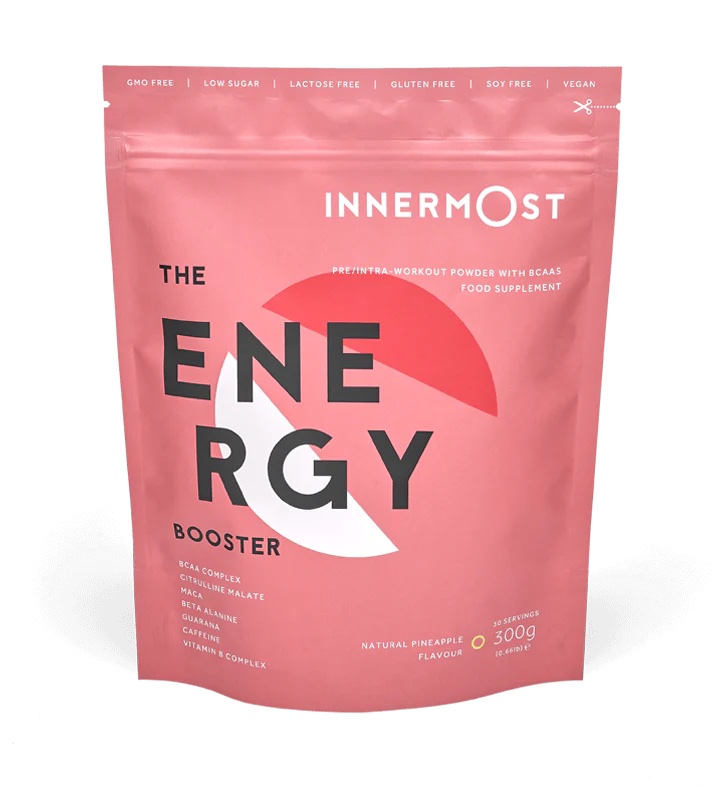
Consider the cost of BCAAs (Branched-Chain Amino Acids). You might pay significant money per bottle for flavored water that contains three amino acids. Meanwhile, a single chicken breast or a serving of Greek yogurt provides all nine essential amino acids along with vitamins and minerals that aid metabolic health. For many, is creatine worth it for casual gym goers is a better question to ask. The answer is yes, but only because it is one of the few fitness supplements that provides a distinct physiological advantage—increased ATP recycling—that is difficult to achieve through diet alone. However, even then, it is a marginal gain compared to sleep and caloric consistency.

Research conducted among regular gym-goers indicates that between 40% and 44% of members use fitness supplements, even though their training volume rarely justifies the expense. Interestingly, usage rates among dedicated athletes in certain high-performance sectors can reach as high as 84.7%. This gap shows that while the elite use these as precision tools for recovery timing, the average person often uses them as a costly safety net for a sub-par diet.
The 80/20 Framework for Sports Nutrition
To optimize performance without draining your bank account, I recommend the 80/20 rule for sports nutrition and supplements. Under this framework, 80% of your daily intake must come from whole, nutrient-dense foods. This ensures you hit your targets for micronutrient density, fiber, and bioactive compounds that manage systemic inflammation. The remaining 20% can be allocated to strategic fitness supplements, which serve as tools to fill specific nutrient gaps or manage recovery timing during intense training.
This hierarchy prioritizes the nutritional synergy of real food. Supplements are "precision tools" for specific scenarios, such as:
- Managing iron or Vitamin D deficiencies identified through bloodwork.
- Using carbohydrate gels during high-intensity endurance activities exceeding one hour when rapid nutrient absorption is required to maintain performance.
- Convenience during travel or back-to-back training sessions where cooking a meal is impractical.
For beginners, cost effective fitness nutrition for beginners starts with the grocery store, not the vitamin shop. If your diet is 80% processed junk, adding a 20% supplement stack won't fix your recovery. You cannot supplement your way out of poor metabolic health.
Bioavailability: Why Your Body Prefers Real Food
The primary reason to choose supplements vs whole foods is the concept of nutrient bioavailability. Whole foods contain a complex matrix of co-factors that help your body absorb and use nutrients. For example, the protein in a whole egg is absorbed more efficiently for muscle protein synthesis than an equivalent amount of isolated egg-white powder because of the fats and micronutrients found in the yolk.
Isolated fitness supplements often lack these secondary bioactive compounds. When you eat a stalk of broccoli, you aren't just getting fiber; you are getting a suite of enzymes and phytochemicals that work together. A vitamin pill cannot replicate this nutritional synergy. Furthermore, whole foods provide significantly higher satiety levels. A 200-calorie protein shake is gone in seconds and leaves you hungry, whereas 200 calories of lean steak and spinach requires mastication and triggers hormonal signals that tell your brain you are full.
Supplement vs. Whole Food Cost/Benefit
| Feature | Isolated Supplement | Whole Food Alternative | Winner |
|---|---|---|---|
| Cost Per Serving | High ($1.50 - $3.00) | Low ($0.50 - $1.20) | Whole Food |
| Nutrient Complexity | Low (Isolated) | High (Multi-nutrient) | Whole Food |
| Satiety Level | Very Low | High | Whole Food |
| Convenience | Extreme | Moderate | Supplement |
| Bioavailability | Variable | High | Whole Food |
The 'Dynamic Duo' of Post-Workout Recovery
Effective post-workout recovery foods rely on the interaction between protein and carbohydrates. This "Dynamic Duo" triggers insulin sensitivity and facilitates glycogen replenishment. While many reach for an expensive tub of "Post-Workout Matrix," science suggests simpler, cheaper options are often superior.
Natural beetroot benefits for workout recovery are a prime example. Beetroots are rich in dietary nitrates, which the body converts into nitric oxide. This improves blood flow and exercise efficiency. Instead of a $50 pre-workout tub filled with artificial dyes, a glass of beetroot juice provides a similar performance boost with added antioxidants.
Similarly, consider the carbohydrate-to-protein ratio. For optimal recovery, you want a 3:1 or 4:1 ratio.
Post-Workout Recovery Ratios
| Food/Drink | Carb-to-Protein Ratio | Best Use Case |
|---|---|---|
| Low-fat Chocolate Milk | 4:1 | Immediate glycogen replenishment |
| Greek Yogurt w/ Fruit | 3:1 | Sustained muscle repair and satiety |
| Standard Whey Shake | 0.5:1 | Pure protein, needs added carbs |
| Beetroot & Oats | 5:1 | High-endurance recovery and nitrates |
Items like chocolate milk and Greek yogurt provide an optimal carbohydrate-to-protein ratio for glycogen replenishment and muscle repair without the additives found in many protein bars. However, supplements such as isotonic drinks or carbohydrate gels may be beneficial during high-intensity endurance activities when gastrointestinal distress from whole foods might hinder performance.
The 7-Day Food-First Transition Protocol
If you want to move away from heavy supplement reliance and embrace more cost effective fitness nutrition, follow this protocol to transition your body and your budget.
- Days 1-2: Audit your current intake. Identify every time you use a powder or bar as a meal replacement. Replace one "shake meal" with a whole protein source like canned tuna or hard-boiled eggs.
- Days 3-4: Swap your pre-workout powder for black coffee or green tea. Focus on a caffeine dosing of 3-6 mg/kg of body weight. You’ll likely find the performance optimization is identical without the "jitters" caused by high-stimulant additives.
- Day 5: Introduce nitrates. Drink 250ml of beetroot juice or eat a spinach-heavy salad two hours before training to test natural exercise efficiency.
- Day 6: Master the recovery ratio. Instead of an isolated protein drink, try 500ml of low-fat chocolate milk. Notice the difference in your energy levels three hours post-training.
- Day 7: Evaluate satiety and mood. Most athletes find that as they increase supplements vs whole foods for muscle growth, their cravings for processed sugar decrease because their micronutrient needs are finally being met.
FAQ
Do fitness supplements actually help with muscle growth?
Yes, certain fitness supplements like whey protein and creatine monohydrate are evidence-based and can assist in muscle protein synthesis. However, they only provide an advantage if your total daily protein and caloric intake are already sufficient. They are facilitators, not magic pills.
Do I need supplements if I have a balanced diet?
For most people, no. A diet rich in lean meats, fish, eggs, dairy, legumes, and diverse vegetables provides all the amino acids and micronutrients required for standard resistance training. Supplements are only necessary to fill specific gaps or for convenience in a busy lifestyle.
How do I choose the right fitness supplements for my goals?
Start by identifying what your diet lacks. If you struggle to hit protein targets, a whey or vegan powder is useful. If you want more power in the gym, creatine is a solid choice. Always look for third-party testing (like NSF or Informed Choice) to ensure the product actually contains what it claims.
Are expensive fitness supplements better than cheaper ones?
Not necessarily. Many expensive brands spend their budget on marketing and flashy packaging. When buying protein or creatine, the most important factor is the ingredient list. Avoid "proprietary blends" where dosages aren't disclosed, and stick to simple, single-ingredient products.
Are fitness supplements safe for long-term use?
Most common fitness supplements like protein powders and creatine have been studied extensively and are safe for healthy individuals. However, long-term use of high-stimulant pre-workouts can impact cardiovascular health and sleep quality. Always consult a healthcare professional before starting a long-term regimen.
Expert Verdict
The transition to a food-first approach isn't just about saving money; it’s about prioritizing your metabolic health over marketing hype. While fitness supplements have a place in a high-performance protocol, they should never be the foundation. By following the 80/20 rule for sports nutrition and supplements, you ensure your body gets the complex nutrient matrix it needs to thrive. Use real food to build the engine, and use supplements only as the high-octane fuel for those rare moments when whole food isn't an option. Keep it simple, keep it evidence-based, and keep your money in your pocket.