Quick Facts
- The 20g Sweet Spot: Maximum benefits for metabolic health and diabetes prevention occur at approximately 20 grams of daily intake.
- Standard Serving: A standard portion for dried fruit blood sugar management is 1/4 cup, or a small handful, providing about 15 grams of carbohydrates.
- The 40% Rule: Pairing dried fruit with protein or healthy fats can blunt the postprandial glucose response by up to 40%.
- GI Comparison: Common dried fruits like apricots and raisins have a low glycemic index between 42 and 55, while white bread sits at 71.
- Label Check: Always choose products where fruit is the only ingredient to avoid hidden syrups that compromise insulin sensitivity.
- Success Signal: A well-portioned snack should provide satiety that lasts for 2 to 3 hours without a subsequent energy crash.
A standard serving of dried fruit for blood sugar management is approximately 1/4 cup, or a small handful. This portion typically contains about 15 grams of carbohydrates and 60 calories. Choosing varieties with a lower glycemic index, such as dried cherries or apples, and ensuring the product contains no added sugars can help prevent significant glucose spikes and support stable dried fruit blood sugar levels throughout the day.
The 20-Gram Sweet Spot: Why Small Portions Matter
In the world of micronutrient science, more is not always better. Recent longitudinal data involving over 50,000 participants suggests that when it comes to dried fruit blood sugar benefits, there is a specific threshold for optimal metabolic health. This research indicates that consuming approximately 20 grams of dried fruit daily serves as a protective sweet spot. At this dosage, the concentrated polyphenols and antioxidants found in the fruit support insulin sensitivity and vascular health without overloading the body with natural fructose.
When we exceed this 20-gram limit, the glycemic load of the snack begins to climb rapidly. Dried fruit is essentially fresh fruit with the water removed, which concentrates the energy density. If you eat the same volume of dried fruit as you would fresh fruit, you could easily consume four to five times the amount of sugar and calories. This is why dried fruit portion control for prediabetes is so critical; it allows you to reap the benefits of high nutrient density without the metabolic cost of excess glucose.
Staying within this small window ensures that your body can process the incoming carbohydrates efficiently. For many, the question is: is 1/4 cup of dried fruit too much for blood sugar? For most individuals managing their glucose, 1/4 cup is actually the upper limit of a single serving. It fits perfectly into a balanced meal plan as one fruit exchange, providing the necessary fiber to keep the digestive system moving while keeping the glycemic impact manageable.
The Sugar Paradox: Glycemic Index vs. Added Sugars
One of the most common misconceptions I encounter as an editor is that all dried fruits are high-sugar "candy." While it is true that the sugar is concentrated, the glycemic index of dried fruits is often lower than people expect. This is primarily due to the presence of dietary fiber and specific organic acids that remain intact during the drying process. These components slow down the rate at which natural fructose enters the bloodstream, preventing the sharp postprandial glucose levels often associated with processed snacks.
A randomized trial demonstrated that common varieties like apricots, raisins, and sultanas have a low glycemic index (GI) between 42 and 55, which is significantly lower than the GI of white bread at 71. However, the benefits of a low GI are quickly erased if the manufacturer adds extra sweeteners. Many "cravings-buster" dried fruits, like cranberries or mangoes, are often infused with sugar syrups or juices to counteract natural tartness.
This is where label literacy becomes your best defense. When looking for the lowest glycemic index dried fruits for blood sugar, such as dried cherries, apples, or apricots, you must scrutinize the ingredient list. You are looking for a list that contains exactly one item: the fruit itself. Learning how to read dried fruit labels for added sugar is essential; if you see terms like evaporated cane juice, high fructose corn syrup, or even concentrated apple juice, the glycemic load of that product is much higher than the whole-fruit version.
Comparing Glycemic Impact
| Dried Fruit | Glycemic Index (GI) | Serving Size (approx. 15g Carbs) |
|---|---|---|
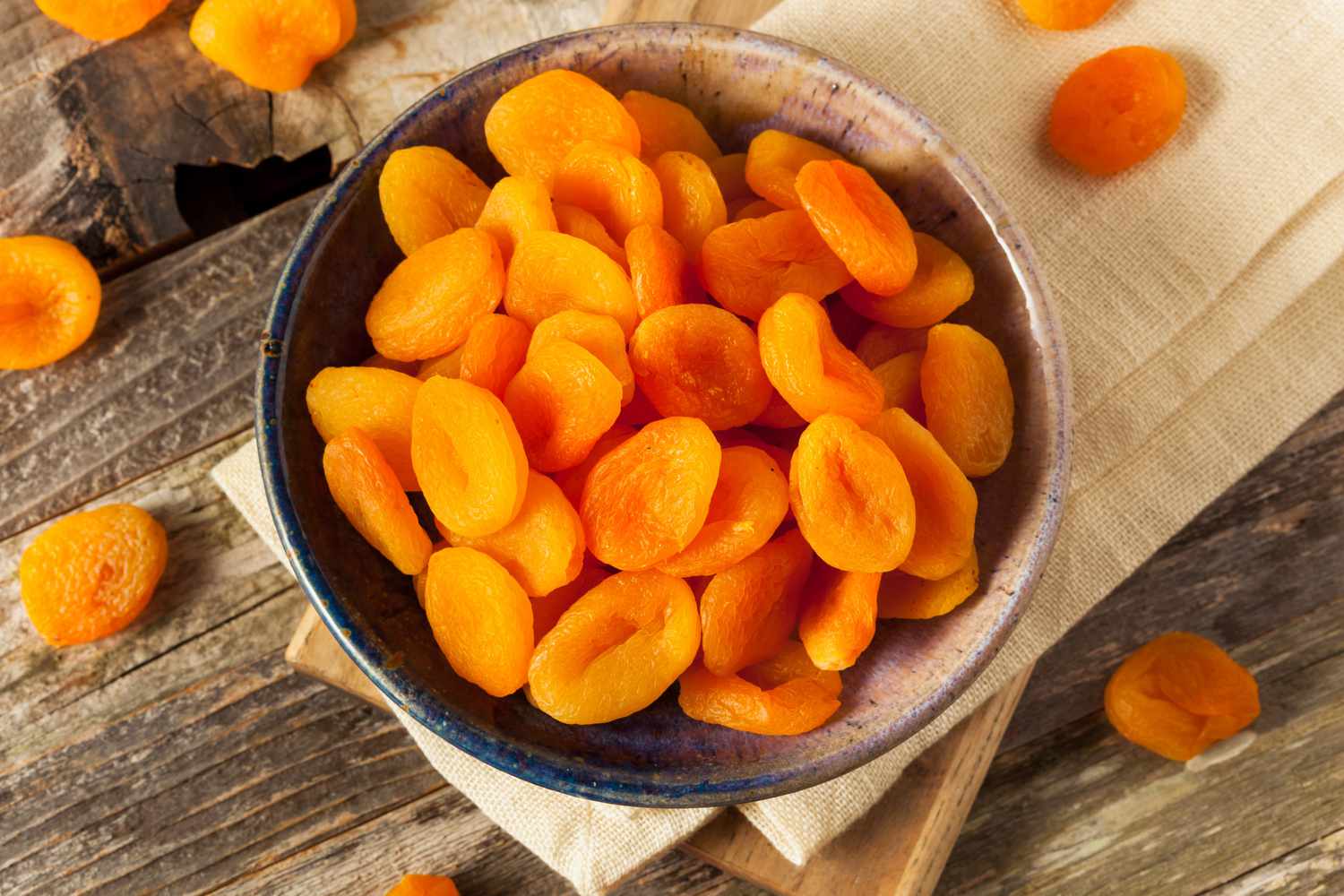
| Dried Apricots | 32 (Low) | 3-4 halves |
| Dried Apples | 29 (Low) | 1/4 cup |
| Prunes | 29 (Low) | 3 medium |
| Raisins | 54 (Low/Medium) | 2 tablespoons |
| Dates | 42-50 (Low/Medium) | 2 small (Deglet Noor) |
The Visual Guide: Mastering Serving Sizes Without a Scale
Precision is important, but nobody wants to carry a kitchen scale to a social gathering or the office. To master dried fruit serving sizes for diabetics and those watching their metabolic health, you can use simple visual analogies. These "hacks" help you maintain the 20-gram sweet spot without the stress of constant calculation.
- The Thumb Tip: For high-density dried fruits like dates or figs, a single serving is roughly the size of your thumb from the knuckle to the tip. This represents about 7-10 grams, meaning two "thumb-tips" satisfy your daily requirement.
- The Smartphone Comparison: If you are looking at a bag of dried apple rings or mango slices, the total volume of your 1/4 cup serving should not exceed the thickness of a standard smartphone when spread out.
- The Cupped Hand: A standard 1/4 cup of smaller items like raisins or goji berries should fit into the very center of your cupped palm without reaching your fingers.
According to standard health guidelines, a single portion of dried fruit is 30 grams, which is roughly one-quarter cup. This provides a similar nutrient density to an 80-gram serving of fresh fruit. By sticking to these visual markers, you ensure that you are getting the dietary fiber and vitamins you need without accidentally doubling your carbohydrate counting for the day.
Success Strategies: Pairing and Timing for Stability
Even the best portion control can be improved by strategic food synergy. The goal of dried fruit blood sugar management is to flatten the glucose curve. Instead of a spike and a crash, we want a gentle rise and a slow return to baseline. The most effective way to achieve this is through pairing dried fruit with protein for blood sugar stability.
Protein and healthy fats slow down gastric emptying, which means the stomach releases its contents into the small intestine more slowly. This delay provides the body more time to produce insulin and clear glucose from the blood. For example, pairing dried fruit for blood sugar stability might look like adding three dried apricots to a cup of Greek yogurt or mixing a tablespoon of raisins with a handful of raw walnuts. This combination can reduce the peak glucose response by nearly half compared to eating the fruit alone.
Timing also plays a vital role in metabolic health. Your body is generally more insulin sensitive in the morning and during daylight hours when you are physically active. Consuming your dried fruit as a mid-afternoon snack or as part of a pre-workout fuel plan allows your muscles to take up the glucose more readily. Conversely, eating dried fruit late in the evening when activity levels are low can lead to higher overnight glucose levels. Use the fruit as a "buffer" within a meal rather than a standalone dessert to maximize its nutritional value while minimizing its impact on your glycemic load.
FAQ
Does dried fruit spike blood sugar?
Dried fruit can cause a spike if consumed in large quantities or if it contains added sugars. However, because it is high in dietary fiber, a controlled portion of 1/4 cup usually results in a more moderate glucose response than processed sweets. The key is to stick to the recommended serving size and avoid varieties with added syrups.
Which dried fruits are best for diabetics?
The best choices are those with the lowest glycemic index and no added sugar. Dried apricots, prunes, apples, and cherries are excellent options because they have a lower GI and provide significant fiber. These fruits help maintain dried fruit blood sugar stability more effectively than high-GI options like dried pineapple or sweetened cranberries.
Is dried fruit higher in sugar than fresh fruit?
By weight, yes. Because the water has been removed, the natural fructose is more concentrated. However, a standard portion of 30 grams of dried fruit contains roughly the same amount of sugar and nutrients as a standard 80-gram serving of fresh fruit. The sugar isn't "new," it's just more densely packed, which is why portion control is so important.
How can you prevent a blood sugar spike after eating dried fruit?
The most effective strategy is pairing dried fruit with a source of protein or healthy fats, such as almonds, seeds, or plain yogurt. Additionally, consuming the fruit during your most active hours and ensuring you choose "no added sugar" varieties will help keep your postprandial glucose levels within a healthy range. Adding a short walk after your snack can also help your muscles utilize the glucose more quickly.