Quick Facts
- Core Function: Essential for mitochondrial ATP production and cellular respiration across all vital organs.
- Primary Red Flag: Deep, chronic fatigue and a distinct sensation of limb heaviness that rest cannot resolve.
- Common Cause: The natural aging process and drug-nutrient interactions, particularly statin-induced depletion.
- Absorption Hack: As a fat-soluble compound, it must be taken with lipids to increase bioavailability by 300%.
- Efficacy Timeline: While cellular saturation begins early, therapeutic results usually require 3 to 6 months of consistent use.
- Standard Dosage: Daily intake typically ranges from 100 mg to 500 mg, though clinical trials for specific conditions use much higher amounts.
Common symptoms of CoQ10 deficiency include muscle weakness, chronic fatigue, and decreased exercise tolerance. Because CoQ10 is essential for ATP production and cellular respiration, a lack of this compound can lead to physical exhaustion that often worsens after activity and may not improve with rest. In some cases, deficiency can also impact neurological health and cardiovascular function.
The Silent Energy Crisis: Signs of CoQ10 Deficiency in Adults
In the realm of functional medicine, we often view the mitochondria as the battery packs of our cells. Coenzyme Q10, or CoQ10, acts as the spark plug within those batteries. When levels are insufficient, the result isn't just a general feeling of being tired; it is a systemic bioenergetic deficit. One of the most telling signs of coq10 deficiency in adults is a specific type of physical exhaustion characterized by limb heaviness. Patients often describe a sensation where their legs feel like lead after a brief walk, or their arms feel fatigued after simple daily tasks. This is a direct consequence of the electron transport chain failing to meet the energy demands of skeletal muscle.
Beyond physical performance, the brain—which consumes a disproportionate amount of the body's energy—is highly sensitive to symptoms of low CoQ10. This often manifests as persistent brain fog, a lack of mental clarity, and an inability to maintain cognitive focus for extended periods. When the mitochondrial output in neurons is compromised, oxidative stress increases, potentially leading to long-term neurological vulnerability.
Cardiovascular red flags are equally critical. Since the heart is the most metabolically active organ in the body, it contains the highest concentration of mitochondria. A deficiency can manifest as chest discomfort, breathlessness during mild exertion, or a noticeable decrease in exercise tolerance. If you find that activities which were once easy now leave you winded, your heart may be struggling with a lack of cellular fuel.

Why Your Levels Drop: Causes and Risk Factors
Understanding why a CoQ10 deficiency occurs requires looking at both our biology and our lifestyle. We categorize these deficiencies into two main groups: primary and secondary. A primary deficiency is rare, estimated to affect less than 1 in 100,000 people. These are typically caused by genetic mutations that prevent the body from synthesizing the compound. In these cases, the symptoms are often severe and appear early in life, affecting multiple organ systems.
However, for the vast majority of the population, we are dealing with a secondary deficiency. The most common driver is the aging process. As we get older, our body's internal production factory slows down significantly. Research indicates that CoQ10 levels in the heart and other vital organs by age 60 may be as low as 10% of what they were at age 30. This steep decline explains why many longevity protocols prioritize CoQ10 as a foundational supplement for those over 40.
Another major contributor is the use of pharmaceutical interventions, specifically HMG-CoA reductase inhibitors, commonly known as statins. While these drugs are effective at lowering cholesterol, they work by blocking the mevalonate pathway—the same pathway the body uses to produce CoQ10. This leads to statin-induced coq10 depletion symptoms, most notably statin-associated muscle symptoms (SAMS). Patients on these medications frequently report muscle aches and weakness, which can often be mitigated through targeted supplementation to restore what the medication has depleted. Chronic conditions like heart failure and diabetes also exacerbate the problem by increasing the metabolic demand and oxidative burden on the body, further draining the available CoQ10 stores.
Diagnosis & Solutions: How to Restore Your CoQ10
Identifying a deficiency isn't always straightforward. Most standard blood tests measure circulating CoQ10 in the plasma, which may not accurately reflect the concentrations within your tissues or mitochondria. For a definitive diagnosis of a primary deficiency, a muscle biopsy is often the gold standard, as it allows clinicians to measure the actual enzymatic activity within the muscle cells. However, for most adults looking to optimize their health, tracking symptoms and monitoring response to supplementation is a more practical approach.
To restore your levels, you can look to natural dietary sources of coenzyme q10, though it is difficult to reach therapeutic levels through food alone. The highest concentrations are found in:
- Organ meats: Beef heart and liver are the most potent sources.
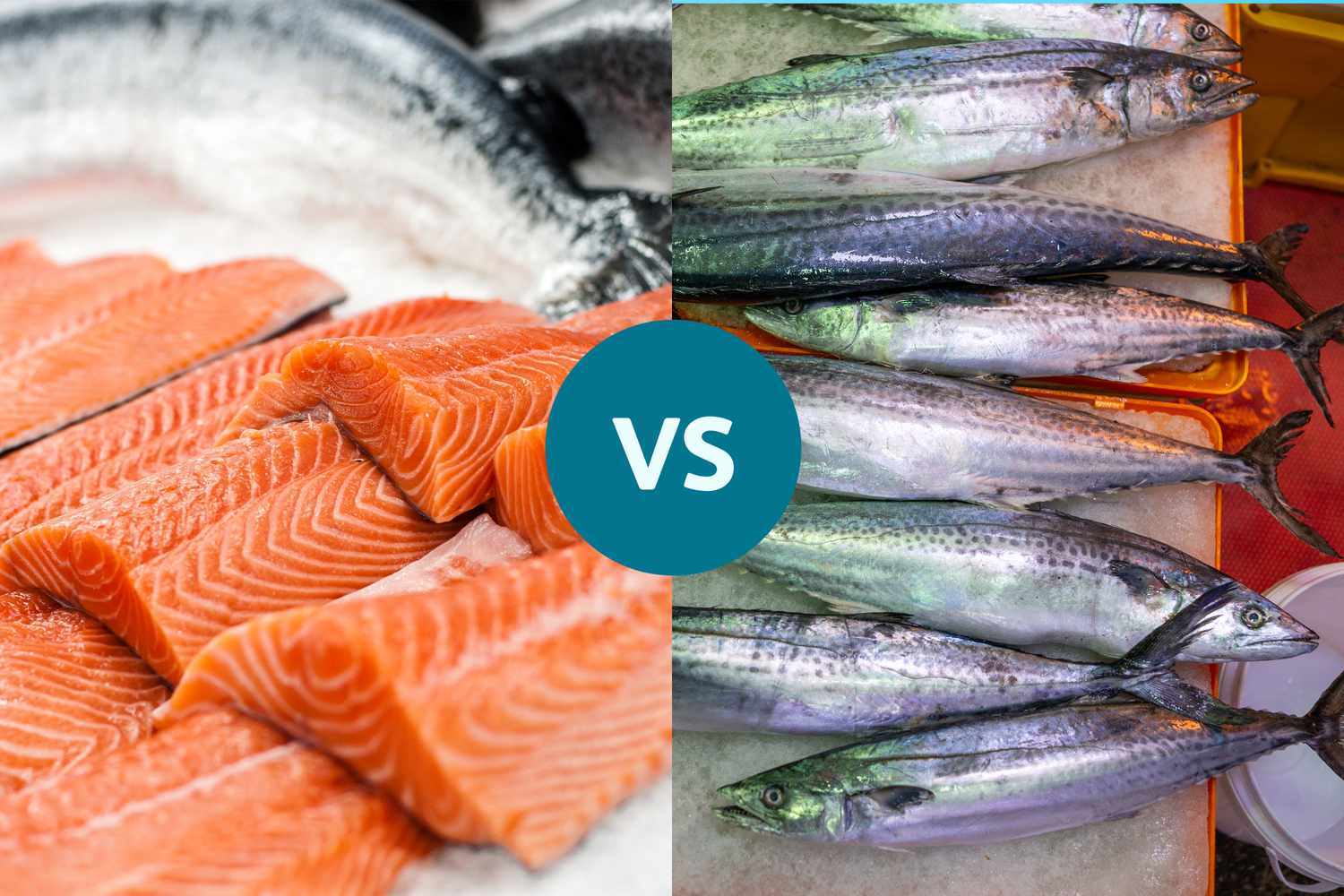
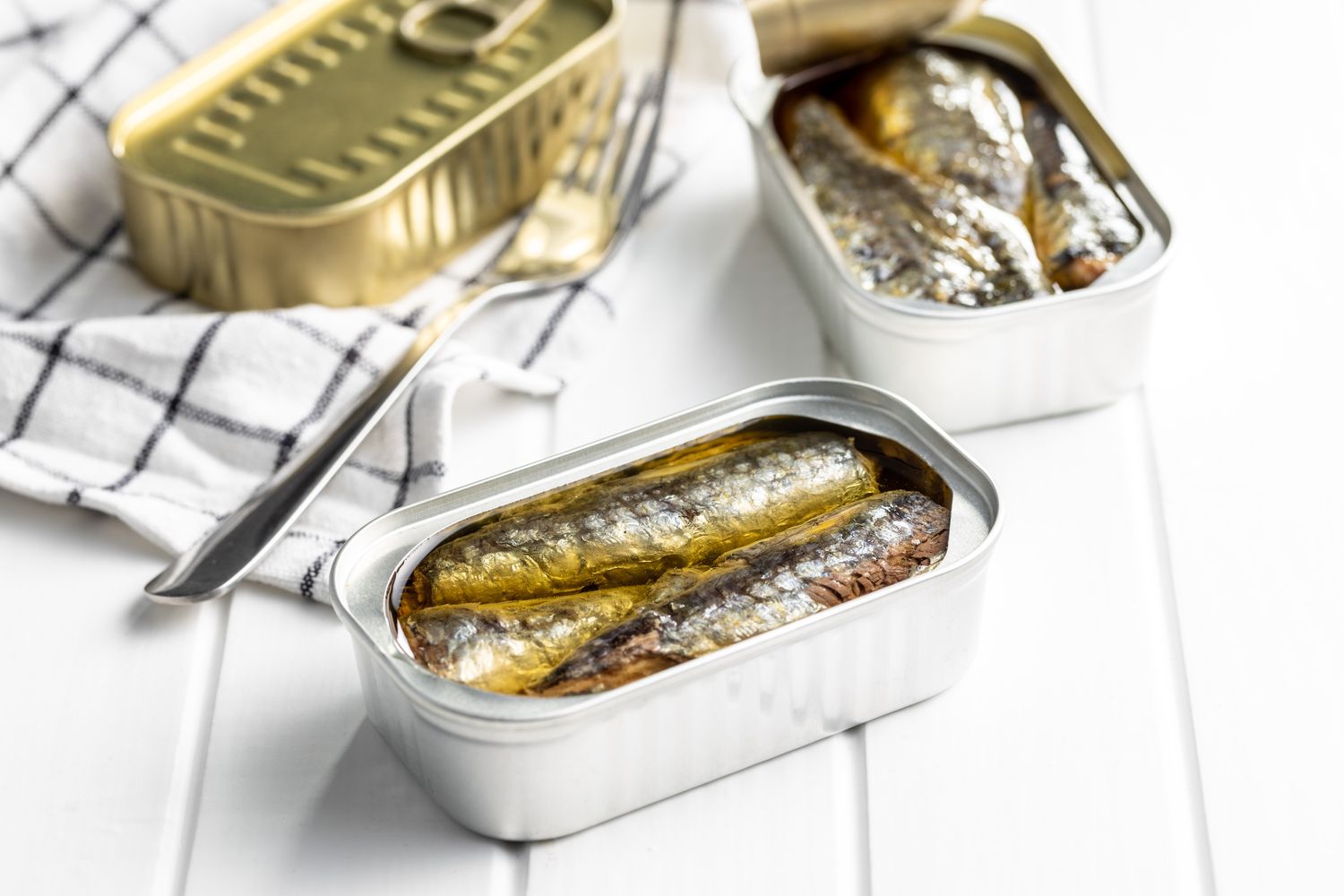
- Fatty fish: Mackerel, herring, and sardines offer moderate amounts.
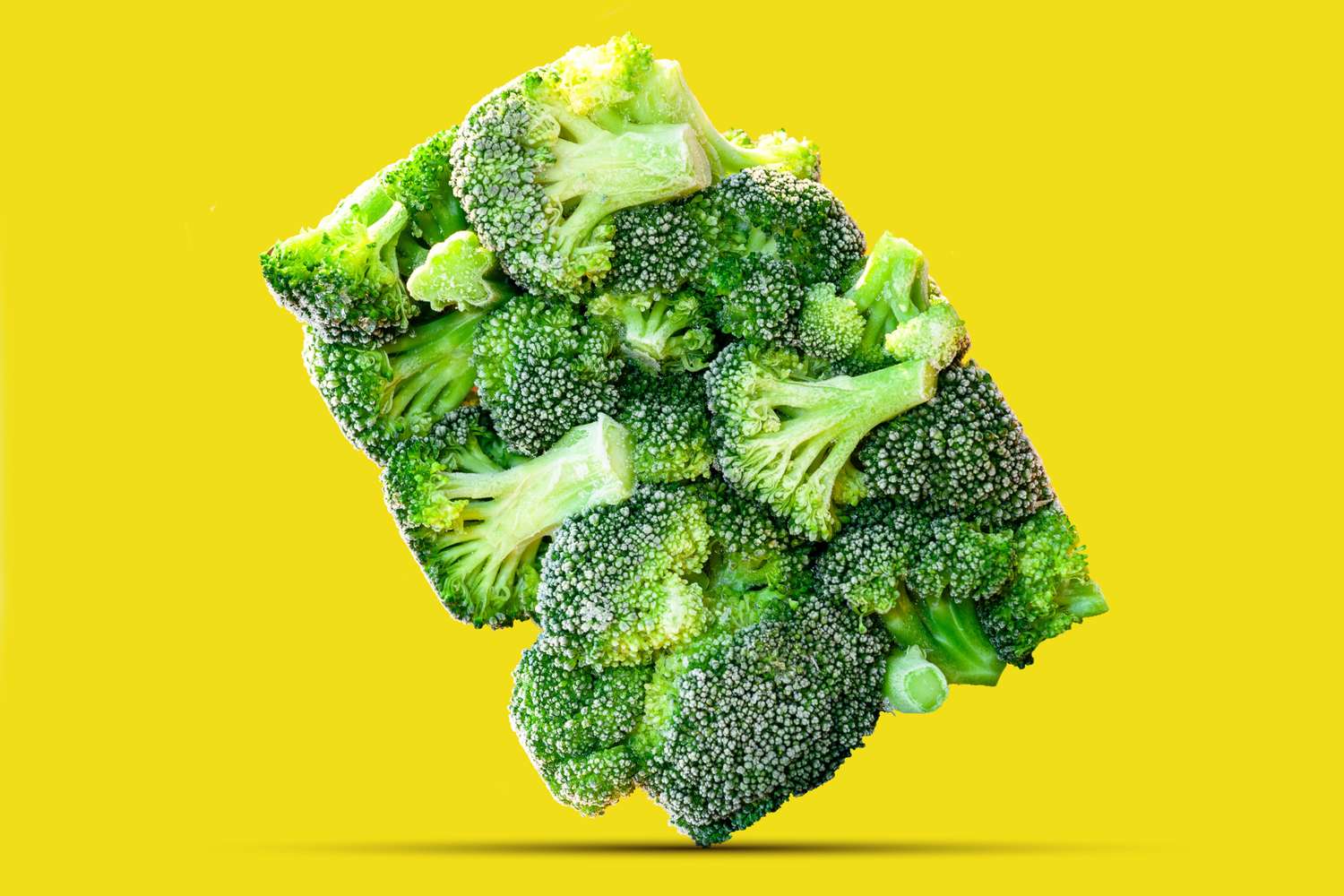
- Cruciferous vegetables: Broccoli and cauliflower contain small amounts but contribute to the overall pool.
- Legumes: Peanuts and soybeans provide plant-based options.
The CoQ10 supplement benefits extend far beyond just fixing a deficiency. In clinical settings, such as the Q-SYMBIO trial, high-dose CoQ10 has been shown to improve outcomes in heart failure management, reducing hospitalizations and improving functional capacity. Furthermore, because of its role in protecting cells from oxidative damage, it has gained significant traction in fertility support, particularly for improving egg quality and sperm motility.
Supplementation Guide: Dosage, Absorption, and Forms
When you enter the supplement aisle, the choice between ubiquinol vs ubiquinone for better absorption is the most common point of confusion. Ubiquinone is the oxidized form that has been used in clinical research for decades. Ubiquinol is the reduced, "active" form. While the body can convert one to the other, older adults (typically over age 50) may have a diminished ability to perform this conversion. For these individuals, ubiquinol is often the superior choice because it is more readily utilized by the body and offers higher bioavailability.
Determining the optimal coq10 dosage depends largely on your health goals and existing levels. Clinical literature suggests a broad range of effective doses:
| Health Goal | Recommended Daily Dosage | Form Preference |
|---|---|---|
| General Wellness/Anti-Aging | 100 mg - 200 mg | Ubiquinol or Ubiquinone |
| Heart Failure Support | 300 mg - 600 mg | Ubiquinol |
| Migraine Prevention | 400 mg - 600 mg | Ubiquinone (divided doses) |
| Statin-Induced Depletion | 200 mg - 400 mg | Ubiquinol |
Research indicates that standard daily supplemental doses typically range from 60 mg to 500 mg, though therapeutic applications for rare genetic disorders have safely utilized doses as high as 3,000 mg per day under medical supervision.
Because CoQ10 is a fat-soluble antioxidant, the best time of day to take coq10 for maximum efficacy is with your largest, fat-containing meal. Taking it on an empty stomach often results in very poor absorption, essentially wasting the supplement. Combining it with healthy fats like avocado, olive oil, or omega-3 fish oil can significantly enhance its uptake into the bloodstream.
Regarding safety, CoQ10 is remarkably well-tolerated. However, users should be aware of potential coq10 supplement side effects and drug interactions. The most significant concern is with blood-thinning medications like Warfarin; because CoQ10 is chemically similar to Vitamin K, it may decrease the effectiveness of these drugs. Always consult with a healthcare provider if you are on anticoagulants or blood pressure medication before starting a high-dose regimen.
The Recovery Timeline: How Long Until You Feel Better?
If you are starting a protocol to address a CoQ10 deficiency, patience is required. This is not a stimulant like caffeine that provides an immediate jolt; it is a structural nutrient that must be integrated into your cellular machinery.
During the first month, cellular saturation begins. You might not "feel" much, but your internal cellular energy metabolism is beginning to stabilize. By month three, most users report a noticeable improvement in muscle recovery after exercise and a reduction in the "heavy" feeling in their limbs. This is often when heart health metrics, such as blood pressure or ejection fraction, begin to show clinical improvement.
For more complex issues like fertility or chronic migraines, the full therapeutic benefit may take up to six months of consistent use. Reaching a steady state in the mitochondria takes time, and consistency is the most critical factor in seeing a return on your investment in your cellular health.
FAQ
What are the most common symptoms of CoQ10 deficiency?
The most frequent indicators are chronic fatigue that does not improve with rest, muscle weakness, and a significant decrease in exercise tolerance. Many individuals also report neurological issues like brain fog and difficulty concentrating, as well as physical signs like heart palpitations or shortness of breath during minor physical tasks.
What causes a CoQ10 deficiency in adults?
In most adults, the primary cause is the natural aging process, which significantly reduces the body's ability to synthesize this compound. Other common causes include the use of statin medications, chronic diseases like heart failure or diabetes that increase oxidative stress, and occasionally, nutritional deficiencies in the B-vitamins required for CoQ10 synthesis.
Can statins cause a CoQ10 deficiency?
Yes, statins are a well-documented cause of secondary CoQ10 depletion. They work by inhibiting the enzyme HMG-CoA reductase, which is a necessary step for producing both cholesterol and CoQ10. This depletion is believed to be a major contributor to the muscle pain and weakness experienced by many statin users.
Which foods are highest in CoQ10?
The most concentrated dietary sources are organ meats, specifically heart, liver, and kidney. Other good sources include fatty fish like salmon and mackerel, muscle meats like beef and chicken, and certain vegetables like broccoli, spinach, and cauliflower, though the amounts in vegetables are much lower than in animal products.
What is the recommended dosage for CoQ10 deficiency?
For general replenishment, a dosage of 100 mg to 200 mg per day is standard. However, for therapeutic purposes—such as managing statin-related muscle pain or supporting heart health—doses between 300 mg and 600 mg are often recommended. In rare cases of primary genetic deficiency, much higher doses may be prescribed by a physician.
How long it takes for coq10 supplements to work?
While some people notice a slight shift in energy levels within the first two weeks, it typically takes 4 to 12 weeks of consistent supplementation to reach peak tissue concentrations and experience significant improvements in physical performance and cardiovascular health.