Quick Facts
- Cost Efficiency: Home-cooked meals average $5 per serving compared to the national average for a restaurant meal at $23 per person.
- Storage Limit: Cooked chicken stays fresh for 3-4 days in the fridge; cooked grains last for 4-5 days.
- Gut Health: Aim for 30 different plant foods weekly to maintain microbiome diversity.
- Texture Secret: Use avocado or coconut oil for high-heat cooking of frozen veggies to prevent sogginess.
- Time Window: Micro-prep can be done in 10-15 minute pockets throughout your day.
- Core Strategy: Shift from cooking complex recipes to assembling high-quality staples and freezer-friendly snacks.
Meal prep shouldn't take all Sunday. Use these 6 expert meal prep hacks, from smoothie cubes to assembly-style meals, to save time and money. Efficient meal prep hacks involve utilizing micro-moments throughout the day, such as chopping vegetables while coffee brews. Focus on assembly-style meals using high-quality staples like rotisserie chicken and freezer-friendly snack ideas to reduce active cooking time and eliminate decision fatigue.
1. Eliminate Decision Fatigue with a 'Safe Foods List'
We have all been there. You come home after a long day at the office or an afternoon of chasing toddlers, and the question "What's for dinner?" feels like an insurmountable obstacle. This is decision fatigue in its purest form. When your brain is overstimulated, making one more choice feels like a chore, which often leads to the convenience of expensive takeout.
To combat this, you need a safe foods list. This is a static list of 5-7 meals that your family genuinely enjoys and that you can prepare with your eyes closed. Think of this as your survival meal prep strategies for overstimulated parents. By having a pre-set menu, you drastically reduce the mental load associated with weekly planning. You aren't reinventing the wheel every Sunday; you are simply restocking the components of a system that already works.
The goal here is Minimum Viable Prep. You don't need a five-course meal; you need nutrition that tastes good and requires zero deep thinking. Your list might include things like:
- Taco Tuesday (pre-browned ground beef or turkey)
- Pesto pasta with peas and rotisserie chicken
- Sheet pan sausages and peppers
- Breakfast for dinner (using those freezer friendly egg muffins)
- DIY Grain Bowls
When you know exactly what is on the menu for the next few days, you reclaim the mental energy you would have spent scrolling through Pinterest. This kitchen efficiency is the foundation of a sustainable healthy lifestyle.
2. Micro-Moment Prep: The Smoothie Cube Method
One of the biggest misconceptions about meal prep is that it requires a four-hour marathon in the kitchen on a Sunday afternoon. For busy professionals, that time is precious. Instead, we advocate for using morning rituals to engage in micro-prep. This involves taking small 10-minute pockets of time—like while your coffee is brewing or while you wait for the toaster—to do one small task.
A perfect example of this is the smoothie ice cubes technique. Instead of pulling out five different bags of frozen fruit, seeds, and greens every single morning, take one micro-prep window to blend your base ingredients with minimal liquid. Pour this concentrated mixture into large silicone ice cube molds and freeze them.

When you are learning how to make smoothie ice cubes for fast breakfast prep, the key is density. You want a powerhouse cube that just needs a splash of almond milk or water in the morning. This reduces cleanup to a single blender jar and ensures you start your day with nutrient-dense fuel even when you are running late. This approach to time-saving cooking techniques turns a chaotic morning into a streamlined flow. Flash freezing these cubes ensures the nutrients stay locked in without the ingredients turning into a giant icy block in a bag.
3. The Muffin Tin Method for Portion Control
Your muffin tin is one of the most underrated tools for batch cooking. It provides built-in portion control and creates items that are inherently grab-and-go. This is particularly useful for breakfast and snacks, which are the two times of day when busy people are most likely to grab processed, unhealthy options.
Using freezer friendly egg muffins for healthy make ahead meals is a game-changer. You can whisk a dozen eggs, add some chopped spinach and feta, and bake them all at once. For an extra protein boost and to save time on cleanup, use a slice of deli turkey or ham as a liner for the muffin tin. Once they are baked and cooled, you can toss them into a freezer bag. A quick 45 seconds in the microwave, and you have a high-protein breakfast ready as you head out the door.
This method isn't just for eggs. You can use muffin tins to freeze:
- Individual portions of oatmeal or baked grits
- Leftover soup or bone broth for quick reheating
- Mini meatloaves for easy dinners
- Homemade pesto or sauce portions
By focusing on these freezer-friendly snack ideas, you create a safety net for those days when the schedule falls apart. Having a stash of pre-portioned, nutritious options prevents the blood sugar crashes that lead to poor dietary choices at the end of a workday.
4. Master 'Assembly-Style' Meals with Rotisserie Chicken
We need to stop thinking that every meal has to be cooked from scratch. For the modern professional, the shift should be from cooking to assembling. This is where nutritious meal assembly using rotisserie chicken and frozen veggies becomes your best friend. A store-bought rotisserie chicken is one of the most versatile, high-quality proteins available, and it costs a fraction of what you would pay for raw poultry when you factor in the labor of cooking it.
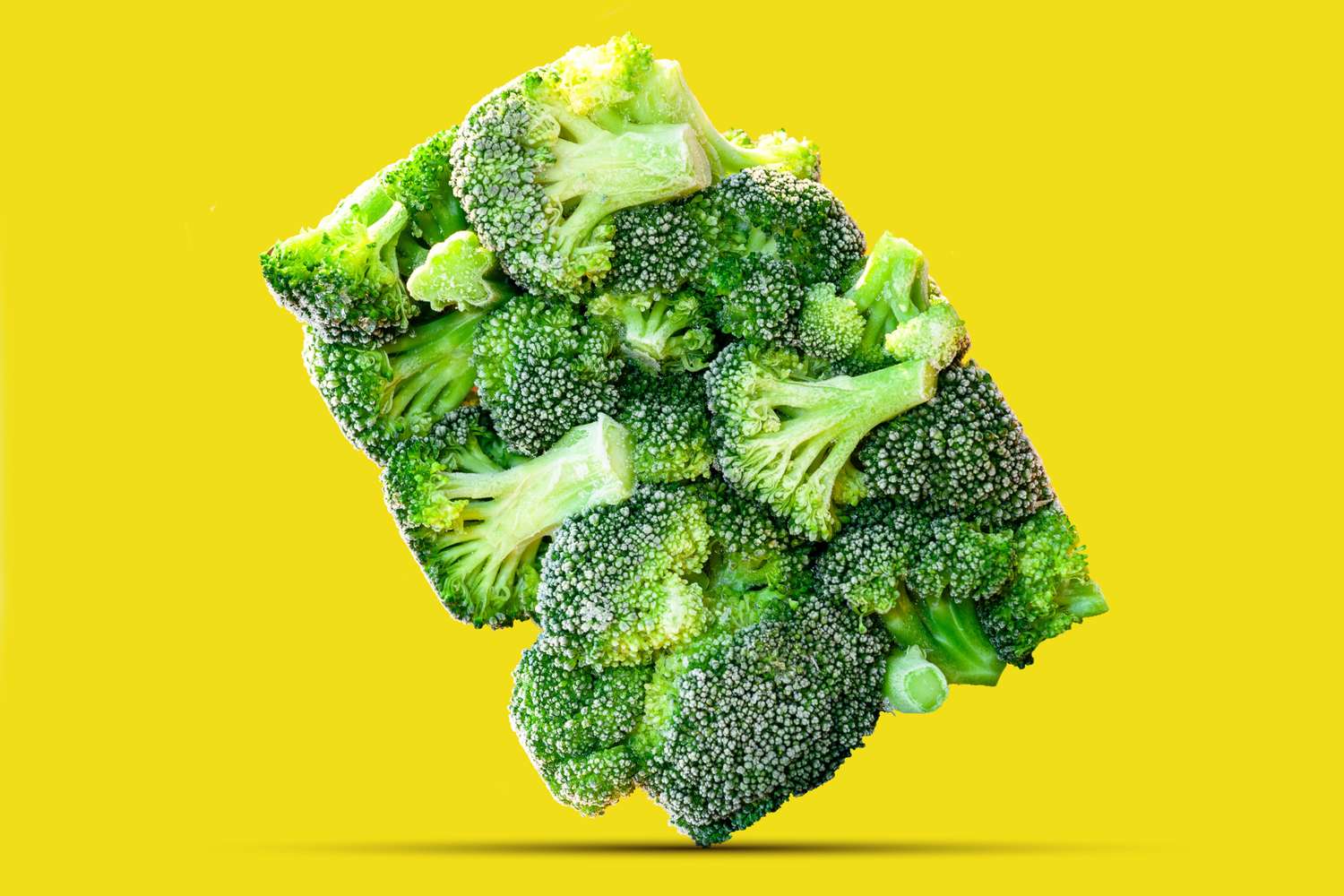
You can shred a whole chicken in five minutes and use it across three different meals: a hearty salad, a quick stir-fry, and chicken tacos. Combine this with bagged salads and frozen vegetables, and you have a dinner that takes ten minutes to put on the table. When using frozen vegetables, the secret to avoiding that dreaded sogginess is the heat.
Pro-Tip: When roasting or sautéing frozen vegetables, use a high-smoke point oil like avocado oil or coconut oil. Crank the heat to 400°F (200°C) or use a very hot skillet. This allows the moisture to evaporate quickly, giving you a crisp texture rather than a mushy one.
By utilizing sheet pan meal prep recipes for minimal kitchen cleanup, you can roast your veggies and your protein at the same time. This is assembly-style meals at their finest—low friction, high reward, and perfectly balanced for your health goals.
5. The 333 Method for Maximum Variety
One common complaint about meal prep is that it gets boring. No one wants to eat the exact same chicken, broccoli, and rice for five days straight. To prevent palate fatigue, we recommend the 333 Method. This is one of those time saving meal prep hacks for busy professionals that ensures you get a wide variety of nutrients without spending all night in the kitchen.
The rule is simple: Pick 3 proteins, 3 carbs, and 3 veggies.
- Proteins: Shredded chicken, hard-boiled eggs, canned chickpeas.
- Carbs: Quinoa, sweet potatoes, brown rice.
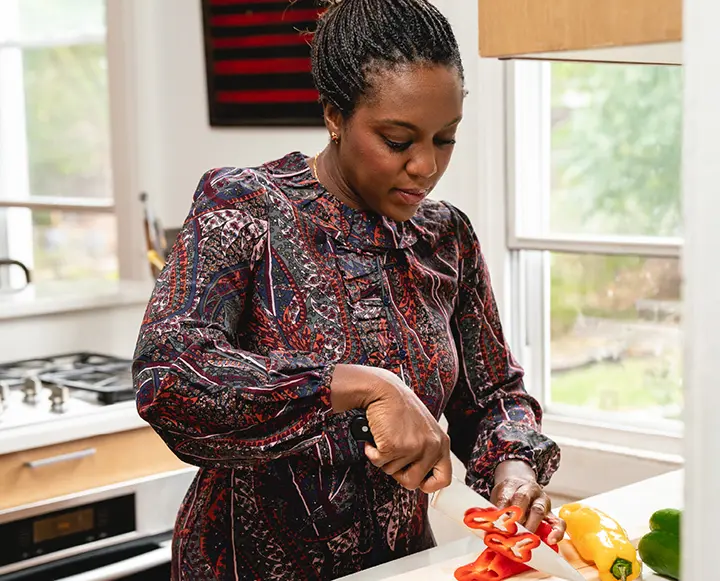
- Veggies: Roasted carrots, sautéed kale, raw bell pepper strips.
By having these components ready, you can rotate them throughout the week to create entirely different flavor profiles. Monday might be a Mediterranean bowl with chickpeas and kale; Tuesday might be a chicken and sweet potato power bowl. This weekly meal rotation ensures you are hitting that goal of 30+ plant foods for gut health while keeping your taste buds interested. It’s about creating a modular system rather than a rigid set of identical containers.
6. Visual Accountability & Proper Storage
Finally, the success of your meal prep depends on your storage system. If you can’t see the food, you won't eat it. This is why we highly recommend investing in glass airtight containers. Unlike plastic, glass doesn't stain or hold odors, and it allows you to see exactly what is inside.
Place your prepped meals on the top shelf of the fridge at eye level. This visual fridge organization acts as a form of accountability. When you open the fridge hungry, the first thing you see should be your healthy prep ahead meals, not the leftover pizza from three days ago.
Understanding the shelf life of your food is also crucial for safety and freshness. Use the table below as a quick reference for your weekly planning:
| Food Category | Fridge Life (3-40°F) | Freezer Life |
|---|---|---|
| Cooked Poultry/Beef | 3-4 Days | 2-3 Months |
| Cooked Grains (Rice/Quinoa) | 4-5 Days | 6 Months |
| Hard-Boiled Eggs | 7 Days | Do not freeze |
| Chopped Raw Veggies | 2-3 Days | 8-12 Months |
| Pre-made Sauces/Pesto | 5 Days | 3 Months |
Using airtight containers is the best way to extend the freshness of your food. For items like onions and peppers, you can actually flash-freeze them raw on a baking sheet before moving them to a bag. This prevents them from clumping together and allows you to grab exactly what you need for a quick omelet or stir-fry.
FAQ
How can I meal prep for a whole week in under two hours?
The secret is to use overlapping tasks and pre-cooked staples. Start by roasting your sheet pan veggies and boiling your grains simultaneously. While those are cooking, shred a rotisserie chicken and portion out your snacks like trail mix or veggie sticks. By using assembly-style meals rather than cooking every component from scratch, you can easily prep 10-12 meals in a single 120-minute window.
How do you keep meal prepped food fresh for five days?
Freshness depends on moisture control and temperature. Always let your food cool completely before sealing it in airtight containers to prevent condensation, which leads to sogginess and spoilage. For meals intended for the end of the week, consider freezing half of your prep on Sunday and moving it to the fridge on Wednesday night to thaw safely.
How do I prevent meal prep boredom while eating the same ingredients?
Use the 333 Method to mix and match different components, and rely heavily on varied sauces and spices. The same base of chicken and rice can taste like a Mexican burrito bowl one day and a Thai curry the next simply by changing the sauce. Keeping a "sauce library" of pesto, tahini dressing, and salsa in your fridge is a great way to maintain variety.
Which containers are best for keeping meal prep organized and fresh?
Glass airtight containers are the gold standard. They are microwave, dishwasher, and often oven-safe, and they provide the best seal against oxygen. For snacks and smoothie ingredients, silicone reusable bags are excellent for saving space in the freezer and are much more durable than single-use plastic bags.
How can I save time on vegetable prep for the week?
Utilize your food processor for shredding and slicing, or buy pre-washed and pre-cut vegetables for your most time-consuming items. You can also embrace micro-prep by chopping one extra vegetable every time you make dinner. If you are already cutting an onion for tonight's meal, cut two and save half in a container for tomorrow.