Quick Facts
- The 37% Rule: Sequencing vegetables and protein before carbohydrates can reduce post-meal blood glucose levels by approximately 37% within 60 minutes.
- Vinegar Power: One tablespoon of diluted apple cider vinegar before a meal can lower the resulting glucose response by up to 30%.
- The Movement Window: A simple five-minute walk taken within 60 to 90 minutes of eating can significantly moderate sugar levels by activating GLUT4 receptors.
- Savory First: Swapping a sweet breakfast for a savory one eliminates the mid-morning energy crash and stabilizes the glycemic curve for the rest of the day.
- Metric Shift: Longevity experts are moving away from HbA1c toward Time in Range (TIR) as the primary indicator of metabolic health and mitochondrial protection.
- Fiber Buffer: Consuming fiber first creates a viscous mesh in the small intestine, which slows down the absorption of any glucose that follows.
To prevent glucose spikes after eating, follow a specific food order by consuming fiber-rich vegetables first, followed by proteins and fats, and finishing with starches or sugars. This sequencing slows down the absorption of glucose into the bloodstream. Additionally, incorporating a ten-minute brisk walk after meals helps muscles utilize excess glucose, effectively flattening the glycemic curve and improving insulin sensitivity.
Master the Art of Food Sequencing
In the world of longevity science, we often talk about what to eat, but we rarely discuss the impact of the order in which we consume those foods. As a longevity editor, I look at every meal as a series of chemical signals. When you lead a meal with refined starches, you are essentially sending a shockwave to your mitochondria. However, by mastering food order for glucose control, you can dramatically alter your internal biochemistry without changing the ingredients on your plate.
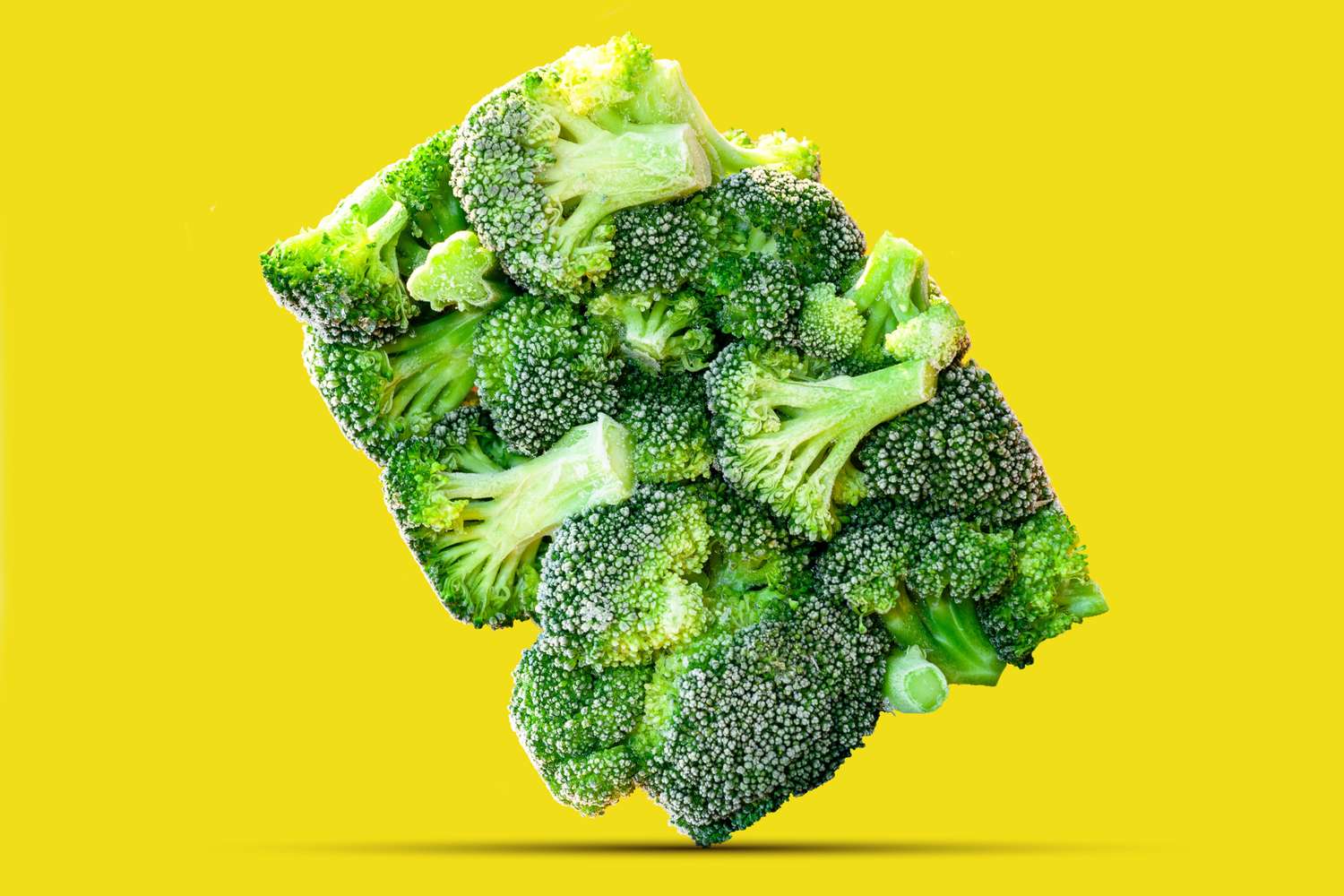
The most effective sequence for blood sugar management is vegetables first, proteins and fats second, and starches or sugars last. This strategy works because of the physical and chemical properties of dietary fiber intake. When you eat fiber-rich vegetables at the start of a meal, the fiber creates a protective, viscous mesh in the upper part of the small intestine. This mesh acts as a physical buffer, significantly slowing down the rate at which enzymes can break down starches and the rate at which glucose enters the bloodstream.
A key research finding suggests that consuming vegetables and protein before carbohydrates in a meal can reduce post-meal blood glucose levels by approximately 37% within an hour compared to eating the carbohydrates first. This shift effectively manages postprandial hyperglycemia, the sharp rise in blood sugar that follows eating, which is a known driver of oxidative stress and systemic inflammation.
| Component | Traditional "Mixed" Meal | Sequenced Meal (Veggies First) |
|---|---|---|
| First Bite | Often bread or starch | Fiber-rich vegetables |
| Digestion Speed | Rapid starch breakdown | Slowed by fiber mesh |
| Glucose Peak | High, sharp spike | Flat, manageable curve |
| Insulin Demand | High (leads to fat storage) | Lower, more efficient |
| Satiety | Short-lived, leads to cravings | Long-lasting |
For maximum efficacy, aim for a 10 to 15-minute gap between your fiber starter and your main starch, though even a 2-minute delay shows measurable benefits for insulin sensitivity. This protocol is one of the most accessible ways to prevent glucose spikes because it requires no restriction—only a reorganization of your plate.
Start with a Savory Breakfast
The first meal of the day sets the metabolic tone for the next 24 hours. Most modern breakfast options—muffins, cereals, sweetened yogurts, or even fruit smoothies—are essentially "glucose bombs" that trigger a massive insulin response nutrition cascade. When you start your day with a high-sugar meal, your body enters a cycle of glycemic variability, characterized by sharp peaks followed by deep crashes. This often leads to the mid-morning brain fog and intense hunger that many people mistake for a lack of willpower.
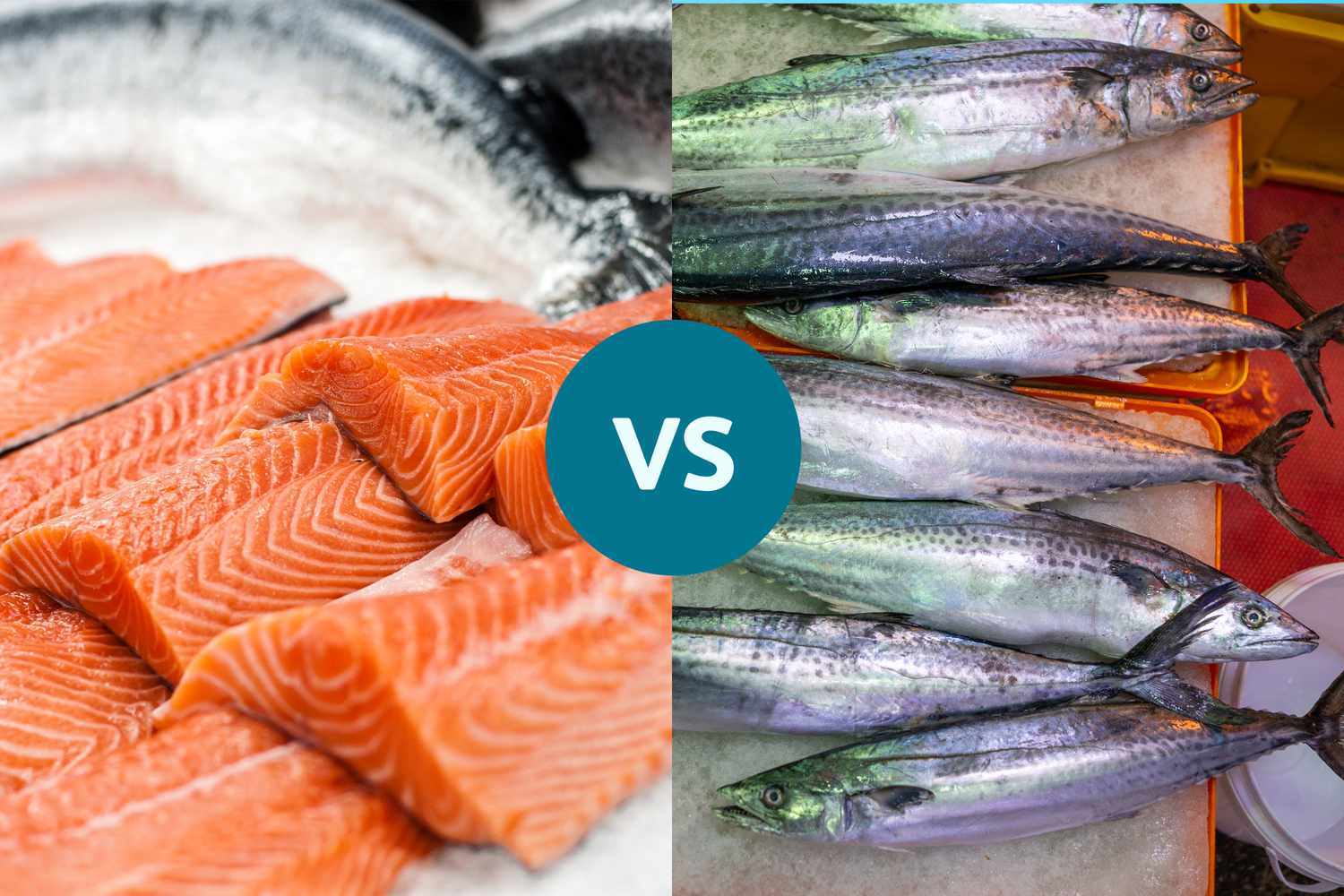
To break this cycle, I recommend pivoting to a savory breakfast. By focusing on proteins, healthy fats, and fiber instead of refined carbohydrates, you allow your body to maintain metabolic flexibility. This means your system can efficiently switch between burning glucose and burning stored fat for fuel. Savory breakfast ideas to avoid sugar crashes include omelets with spinach and avocado, full-fat Greek yogurt topped with almond butter and flax seeds, or even dinner leftovers like grilled salmon and sautéed greens.
High protein intake in the morning, ideally between 30 and 40 grams, provides the necessary amino acids to trigger satiety hormones like GLP-1 and PYY. This strategy is among the top science backed nutrition tips to stop blood sugar spikes because it prevents the initial morning surge, making it much easier to keep your glucose levels stable throughout the afternoon. When your first meal is savory, your mitochondria aren't overwhelmed by a sudden influx of sugar, reducing the overall oxidative stress on your cells.
The Pre-Meal Vinegar Protocol
One of the most powerful, yet often misunderstood, tools in the metabolic health toolkit is the use of acetic acid, the primary active component in vinegar. Incorporating a pre-meal vinegar habit is one of the easiest blood sugar management tips to implement, particularly when you know you will be consuming a meal high in starch.
The science behind this is fascinating. Acetic acid works in two distinct ways to prevent glucose spikes. First, it temporarily inhibits alpha-amylase, the enzyme in your saliva and small intestine that breaks down starch into glucose. This means that starches are converted to sugar more slowly. Second, once acetic acid enters the bloodstream, it signals the muscles to take up glucose and convert it into glycogen more rapidly than they otherwise would. This dual action effectively flattens the glycemic curve.
Following the apple cider vinegar glucose hack instructions is straightforward: take one tablespoon of vinegar and dilute it in a large glass of water, drinking it about 10 to 20 minutes before your meal. Research has shown that taking one tablespoon of vinegar diluted in water before a carbohydrate-rich meal can reduce the resulting blood sugar spike by up to 30%.
While apple cider vinegar is the most popular choice due to its additional prebiotic benefits, any grain-based or fruit-based vinegar will work. The key is the acetic acid content. If you are dining out and cannot mix a drink, a vinegar-based salad dressing on your first course of vegetables can provide a similar, albeit slightly less concentrated, benefit. This simple intervention reduces the mitochondrial health burden by preventing the cellular "traffic jam" caused by excessive glucose influx.
Post-Meal Movement: The Glucose Disposal Hack
Our muscles are the primary sink for glucose in the body. They possess a specialized transport protein called GLUT4, which acts like a gatekeeper to allow glucose to enter the muscle cells. Typically, insulin is required to "unlock" these gates. However, when we engage in physical activity, our muscles can bypass the need for insulin, drawing glucose directly from the bloodstream to fuel movement.
This is why post-meal movement is such a potent tool. You don't need a grueling workout to see results. Research indicates that even a five-minute walk taken within 60 to 90 minutes after eating can significantly moderate blood sugar levels and improve insulin sensitivity. This "disposal hack" is particularly effective because the 60-to-90-minute window is usually when your blood sugar is reaching its peak.
The benefits of post meal walking for glucose levels extend beyond just that single meal. By regularly clearing glucose from your blood through movement, you reduce the total amount of insulin your pancreas needs to produce. Over time, this preserves the health of your beta cells and prevents the downward spiral of insulin resistance. Whether it’s a brisk walk around the block, a few flights of stairs, or even simple calf raises while sitting at your desk, the goal is to engage the large muscle groups in the legs to act as a glucose sponge.

Modern Monitoring with Time in Range
For decades, the gold standard for tracking blood sugar was the HbA1c test, which provides a three-month average. However, as we look deeper into longevity and the prevention of chronic disease, we realize that averages can be misleading. Two people can have the same HbA1c, but one might have very stable levels while the other experiences massive daily swings. It is these swings—the glycemic variability—that cause the most damage to our blood vessels and organs.
Enter the Continuous Glucose Monitor (CGM). Originally designed for diabetics, these devices are now being used by health-conscious individuals to gain real-time data on how their lifestyle choices affect their biology. The new metric we focus on is Time in Range (TIR). Ideally, you want to spend more than 70% of your day between 70 and 180 mg/dL, with minimal time spent in the "spike" zone.
Using a Continuous Glucose Monitor (CGM) allows you to see exactly how you personally respond to different foods. You might find that while oats spike your neighbor’s sugar, they are perfectly fine for you, or that a 10-minute walk after pizza makes a 50 mg/dL difference in your peak. This data-driven approach removes the guesswork from blood sugar management and empowers you to make informed decisions about your metabolic health. By prioritizing Time in Range, you are not just managing a number; you are actively reducing the oxidative stress that accelerates aging.
FAQ
How do you prevent blood sugar spikes after meals?
To prevent glucose spikes after eating, the most effective method is a combination of food sequencing—eating fiber and protein before starches—and post-meal movement. By consuming a starter of green vegetables, you create a fiber buffer in the gut that slows down the absorption of sugars. Following this with a 10 to 15-minute walk ensures that your muscles actively pull glucose out of the bloodstream, reducing the burden on your pancreas and lowering the overall insulin response.
Does apple cider vinegar help prevent glucose spikes?
Yes, apple cider vinegar is a scientifically validated tool for glucose management. The acetic acid in vinegar inhibits the enzymes that break down starches and encourages muscles to absorb glucose more quickly. Research shows that a single tablespoon of diluted vinegar before a meal can reduce the resulting glucose spike by up to 30%. It is important to always dilute the vinegar in at least 8 ounces of water to protect your tooth enamel and esophageal lining.
In what order should you eat food groups to reduce glucose spikes?
The optimal food order for glucose control is fiber first, followed by protein and fats, and ending with starches and sugars. For example, in a meal consisting of salmon, broccoli, and rice, you should eat the broccoli first, then the salmon, and finally the rice. This sequence utilizes the fiber from the vegetables to slow down the digestion of the starches, resulting in a much flatter glycemic curve compared to eating all the components together or eating the rice first.
Why is it important to avoid frequent blood sugar spikes?
Frequent glucose spikes are problematic because they trigger the release of large amounts of insulin and cause oxidative stress within the mitochondria. Over time, these repeated "shocks" to the system lead to systemic inflammation, accelerated skin aging through a process called glycation, and an increased risk of developing insulin resistance and type 2 diabetes. Maintaining a stable blood sugar level is foundational for long-term health, stable energy levels, and cognitive clarity.
How long after eating does a glucose spike occur?
For most individuals, a glucose spike typically peaks between 60 and 90 minutes after the conclusion of a meal. This timing can vary based on the composition of the meal—high-fat meals may delay the peak, while liquid sugars like soda can cause a spike much faster. Understanding this window is crucial for timing interventions, such as a post-meal walk, which is most effective when performed during this 60-to-90-minute peak period to help clear glucose from the blood.