Quick Facts
- The 7-Day Goal: Achieve metabolic Food Calm by stabilizing glucose fluctuations through evidence-based habits.
- Meal Sequence: Eat fiber first, then protein and fats, then carbohydrates to create a digestive speed bump.
- Fiber Target: Aim for 25-35 grams of daily fiber from complex carbohydrates and whole-food sources.
- Protein Anchor: Include lean protein sources at every meal, aiming for 25-30 grams per serving to maintain satiety.
- Carb Budget: Target 30-45 grams per meal for women and 45-60 grams for men for optimal glucose control.
- The Result: Improved insulin sensitivity and significantly reduced postprandial glucose spikes within one week.
To learn how to stabilize blood sugar in 7 days, you must prioritize high-fiber foods and lean proteins while implementing meal sequencing to slow glucose absorption. This approach improves overall blood sugar management and metabolic health without extreme restriction.
Achieve better blood sugar management and reclaim your energy mojo with five simple nutrition habits. By focusing on meal sequencing and protein-rich foundations, you can stabilize glucose levels in just one week. Most people struggle with energy crashes and mid-afternoon hunger because their metabolic health is on a roller coaster of spikes and dips. By applying micronutrient science and intentional timing, you can smooth out those curves and find a state of metabolic calm that translates to steady focus and better long-term health outcomes.
Master the 'Speed Bump' Meal Sequence
The order in which you eat your food is just as important as what is on your plate. Think of your digestive system as a highway; if you send simple sugars down it first, they hit the bloodstream like a race car. However, if you place fiber and protein at the start of the meal, they act as speed bumps, slowing down the gastric emptying process. This intentional meal sequencing for glucose control ensures that by the time you reach your carbohydrates, the glucose enters your system at a manageable pace.
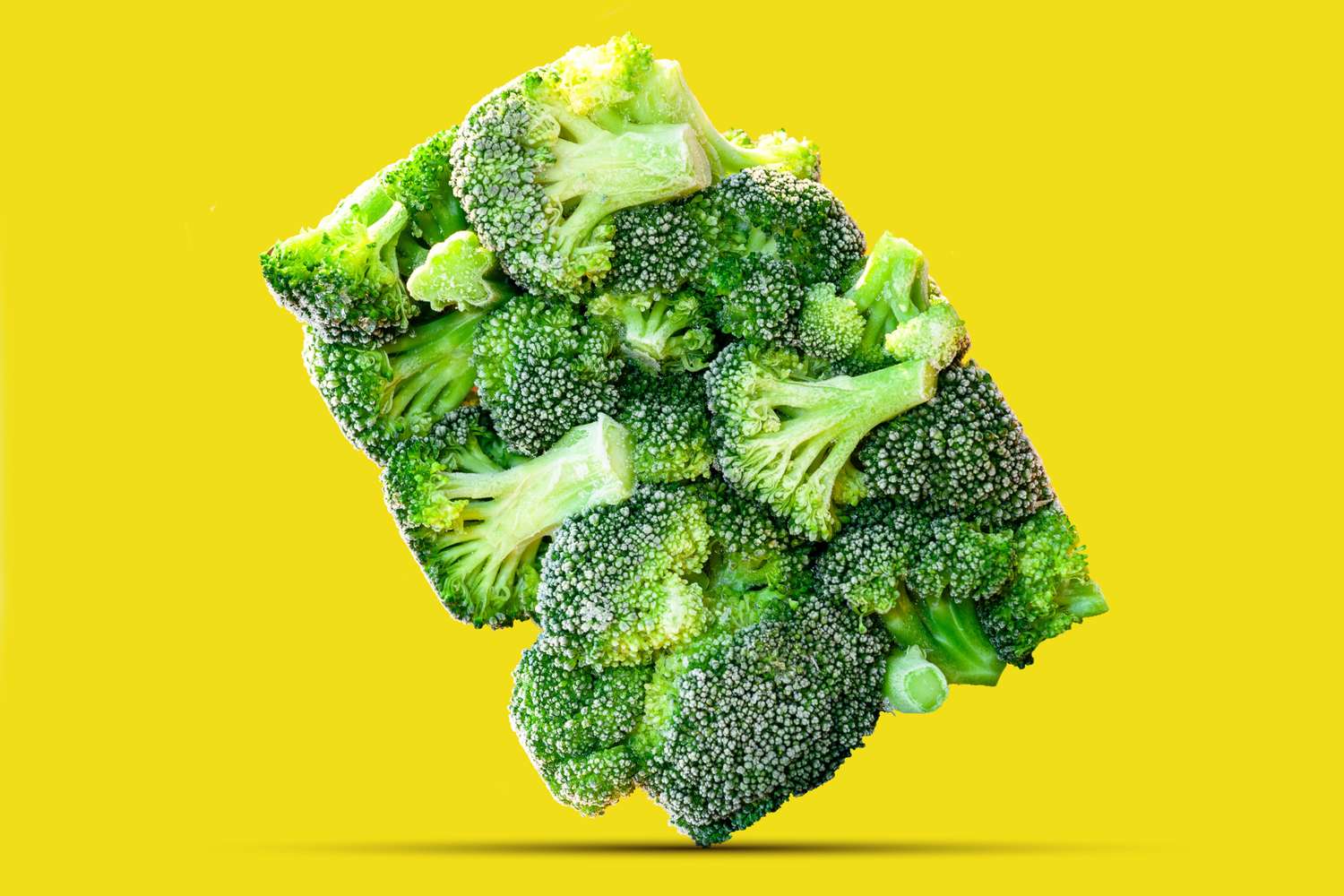
Research from Weill Cornell Medical College found that consuming protein and vegetables before carbohydrates can reduce post-meal glucose levels by 29%, 37%, and 17% at 30, 60, and 120-minute intervals, respectively. This is a profound shift that requires zero change in the total calories consumed. By simply prioritizing your salad or roasted broccoli before your pasta or bread, you are providing your body with the tools it needs for better postprandial glucose management.
Mechanism of Action: The Speed Bump Effect When you consume fiber and fat first, they trigger the release of GLP-1, a hormone that slows down the stomach's emptying. This delay ensures that the enzymes responsible for breaking down starch into sugar have less immediate access to the carbohydrates, resulting in a flatter glucose curve and improved insulin sensitivity throughout the day.
To implement meal sequencing for glucose control tips effectively, start every lunch and dinner with a "fiber starter"—a bowl of leafy greens, a side of green beans, or even a few stalks of celery. Follow this with your lean protein, such as chicken breast, fish, or tofu. Save the starch, like potatoes or rice, for the final portion of your meal. This subtle shift is one of the most powerful ways to improve blood sugar management without feeling deprived.
Anchor Your Day with High-Protein Breakfasts
The first meal of the day sets the metabolic tone for the next 24 hours. Many traditional breakfast options, like cereal, toast, or fruit smoothies, are essentially carbohydrate "bombs" that trigger an early insulin spike. This often leads to a reactive hypoglycemia dip a few hours later, leaving you feeling hangry and reaching for caffeine or more sugar. To break this cycle, you must anchor your morning with high protein breakfast ideas for stable glucose.
Protein provides a foundation of satiety cues that tell your brain you are fueled and safe. When you consume at least 25-30 grams of protein at breakfast, you stabilize your energy and reduce the likelihood of late-night cravings. Lean protein sources like Greek yogurt, eggs, cottage cheese, or a high-quality whey isolate are excellent choices. This "protein anchoring" helps maintain a steady baseline, preventing the wild fluctuations that often characterize poor blood sugar management.

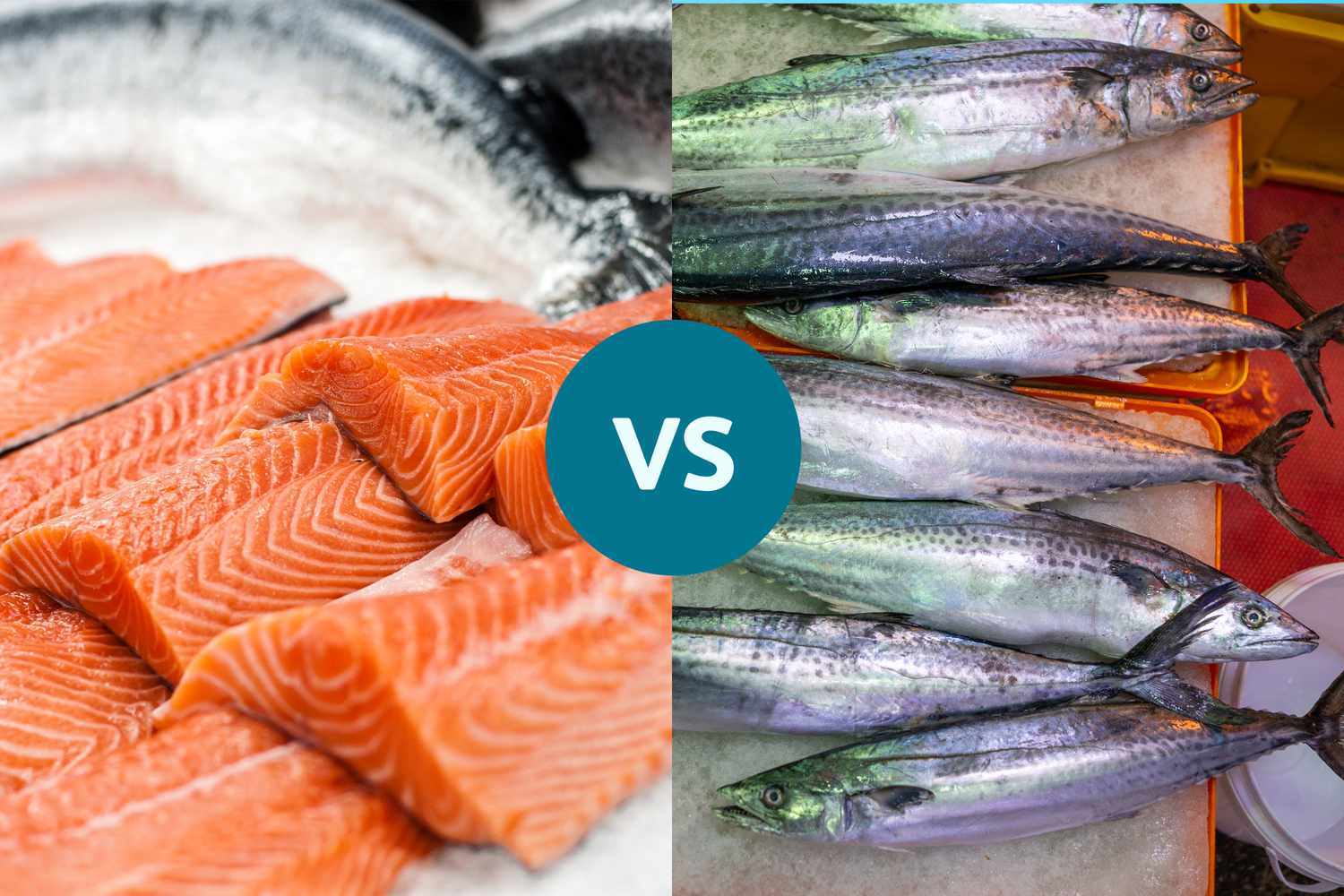
When considering high protein breakfast ideas, think beyond the traditional. A savory breakfast featuring smoked salmon and eggs or a bowl of cottage cheese topped with chia seeds provides the amino acids necessary for metabolic health. This habit ensures that you aren't fighting a losing battle with your appetite by noon, and it significantly contributes to your success in learning how to stabilize blood sugar in 7 days.
Hit the Fiber 'Sweet Spot' (25-35g Daily)
Fiber is the unsung hero of micronutrient science. It isn't just about digestion; it is about creating a physical barrier in the small intestine that traps sugar molecules and prevents them from rushing into the blood. To optimize your blood sugar management, you should target at least 14 grams of fiber per 1,000 calories from minimally processed, nutrient-dense sources, as recommended by the American Diabetes Association.
For most adults, this means hitting a sweet spot of 25-35 grams of daily fiber. Soluble fiber, found in oats, beans, and lentils, is particularly effective because it forms a gel-like substance that traps glucose. Insoluble fiber, found in vegetable skins and whole grains, adds bulk and speeds up the transit time of waste. Balancing both is key to maintaining long-term insulin sensitivity.
| Carb Type | Sources | Impact on Glucose |
|---|---|---|
| Complex Carbohydrates | Steel-cut oats, lentils, quinoa, berries | Slow, steady energy release; high fiber. |
| Simple Carbohydrates | White bread, fruit juice, pastries, soda | Rapid glucose spike; low satiety. |
Integrating best high fiber foods for blood sugar into your daily routine doesn't have to be complicated. Simple swaps, like using cauliflower rice instead of white rice or adding two tablespoons of ground flaxseed to your morning yogurt, can quickly add 5-10 grams of fiber to your daily total. Focus on complex carbohydrates that have a low glycemic index to ensure your body processes energy efficiently.
Proactive Pairing to Blunt Glucose Spikes
One of the most important rules for metabolic health is to never eat "naked" carbohydrates. A naked carb is any starch or sugar eaten in isolation—think of an apple by itself or a plain piece of toast. When eaten alone, these foods have a high glycemic load, meaning they exert a significant impact on your blood sugar levels. Proactive pairing involves matching every carbohydrate with a fat or protein to buffer the glucose response.
For example, instead of eating a plain banana, pair it with a tablespoon of almond butter. Instead of a bowl of pasta, mix in some sautéed spinach and grilled shrimp. This strategy of preventing glucose spikes after meals is about changing the chemistry of the bolus in your stomach. Healthy fats, such as those found in avocados or olive oil, further slow down digestion, providing an additional layer of protection against postprandial glucose surges.
Another science-backed tool for preventing glucose spikes is the use of vinegar. A systematic review and meta-analysis of clinical trials revealed that consuming vinegar with a meal significantly reduces postprandial glucose and insulin area under the curve (AUC) responses. The acetic acid in vinegar temporarily interferes with the enzymes that break down starch. Adding a simple vinaigrette to your fiber starter or taking one tablespoon of apple cider vinegar diluted in water before a carb-heavy meal can be a game-changer for your blood sugar management.
Nighttime Rituals for Fasting Stability
The way you end your day dictates your fasting blood sugar the following morning. Many people experience the "dawn phenomenon," where blood sugar rises in the early hours of the morning as the body prepares for wakefulness. If you consume a high-sugar snack or a meal high in sodium late at night, you may exacerbate this effect. To improve your nighttime habits to improve fasting blood sugar, aim to finish your last meal at least 3 hours before bedtime.
Excessive sodium is also a hidden culprit in metabolic strain. Aiming for a limit of 1,500 milligrams of sodium per day can help reduce fluid retention and support vascular health, which indirectly assists in better glucose transport. If you find yourself hungry before bed, use a state-based snacking approach. If your blood sugar is trending high, opt for a small, zero-carb snack like a few olives or a piece of cheese. If it is within a healthy range, a small serving of Greek yogurt can provide the slow-releasing protein (casein) needed to keep your levels stable overnight.
By focusing on these five habits, you can transform your metabolic health in just one week. Blood sugar management is not about perfection; it is about providing your body with the consistent, data-backed support it needs to function optimally. Start with the meal sequence today, and by day seven, you will likely feel the difference in your energy, focus, and overall mojo.
FAQ
How can I lower my blood sugar levels naturally?
Lowering blood sugar naturally involves a multi-faceted approach centered on fiber intake, meal timing, and physical activity. Prioritizing 25-35 grams of daily fiber and using meal sequencing to eat fiber and protein before carbohydrates are two of the most effective strategies. Additionally, a brief 10-minute walk after meals can help your muscles clear glucose from the bloodstream without requiring extra insulin.
What are the best foods for managing blood sugar?
The best foods are those with a low glycemic load and high nutrient density. Focus on leafy greens, cruciferous vegetables, lean proteins like wild-caught salmon and grass-fed beef, and healthy fats like avocado and extra virgin olive oil. Legumes and berries are excellent carbohydrate sources because they are packed with fiber, which naturally slows down glucose absorption.
What causes sudden spikes in blood sugar levels?
Sudden spikes are typically caused by consuming simple carbohydrates or "naked" starches without the buffering effect of protein or fat. However, other factors like dehydration, lack of sleep, and high levels of the stress hormone cortisol can also cause the liver to release stored glucose into the bloodstream, leading to unexpected surges even if you haven't eaten.
How does stress affect blood sugar management?
When you are under stress, your body enters "fight or flight" mode, releasing cortisol and adrenaline. These hormones signal the liver to release glucose to provide immediate energy for a perceived threat. In our modern world, where stress is often psychological rather than physical, this extra glucose isn't used by the muscles and can lead to persistently high blood sugar levels and reduced insulin sensitivity.
What is the best time of day to check blood sugar?
For a comprehensive view of your metabolic health, the most critical times to check are first thing in the morning (fasting blood sugar) and two hours after your largest meal (postprandial glucose). Checking two hours after a meal helps you understand how well your body handled the specific combination of foods you consumed, allowing you to refine your meal sequencing and pairing strategies.