Quick Facts
- The Big Five: The most frequent gaps in modern nutrition are Vitamin D, Iron, Vitamin B12, Magnesium, and Calcium.
- Prevalence: Over 94% of the US population is deficient in Vitamin D, and more than 50% lack sufficient Magnesium.
- Key Marker: Spoon-shaped nails, medically known as Koilonychia, are a primary clinical sign of advanced iron deficiency.
- Absorption Hack: To boost bioavailability, always pair Vitamin C-rich foods with plant-based iron sources.
- Top Symptom: Persistent fatigue remains the most common reported sign across almost all major micronutrient gaps.
- Global Impact: Iron deficiency remains the top nutritional disorder, affecting billions worldwide, particularly women and children.
The most common nutrient deficiencies include vitamin D, iron, vitamin B12, magnesium, and calcium. Early signs of vitamin and mineral deficiency often present as persistent fatigue, muscle weakness, hair loss, or brittle nails. For example, iron deficiency frequently leads to anemia and extreme exhaustion, while low magnesium levels may cause muscle cramps, numbness, and disrupted sleep patterns.
Introduction: Why Modern Diets Often Fall Short
In my years as a nutrition editor, I have observed a growing phenomenon known as the Malnutrition Paradox. We live in an era of caloric abundance, yet many of us are functionally starving at a cellular level. High-calorie, processed diets often lack the necessary micronutrient density required for optimal metabolic function. Even those who prioritize whole-food nutrition can face gaps due to soil depletion, gastrointestinal malabsorption, or specific lifestyle factors like lack of sun exposure.
Identifying common nutrient deficiencies requires a shift in perspective. We often wait for a clinical diagnosis, but our bodies provide subtle signals long before a blood test hits a "critical" value. Understanding the signs of vitamin and mineral deficiency is about listening to those whispers—the brittle nail, the twitching eyelid, or the afternoon slump—before they become shouts. By focusing on bioavailability and evidence-based dietary corrections, we can bridge these gaps effectively.
Physical Assessment: Identifying Gaps at a Glance
Before diving into specific nutrients, use this table as a preliminary screening tool to identify early signs of vitamin and mineral deficiency in adults.
| Body Part | Physical Sign | Potential Deficiency |
|---|---|---|
| Eyes | Poor night vision, dryness | Vitamin A |
| Mouth | Cracks at corners, swollen tongue (glossitis) | B-Vitamins (B2, B12, Folate) |
| Nails | Brittle, white spots, or spoon-shaped | Iron, Zinc, or Magnesium |
| Skin | Follicular hyperkeratosis (chicken skin), easy bruising | Vitamin C or Vitamin A |
| Muscles | Persistent cramping, twitching (fasciculations) | Magnesium, Potassium, or Calcium |
1. Vitamin D: The 'Sunshine' Hormone Gap
Vitamin D is unique because it functions more like a hormone than a traditional vitamin. It is essential for bone mineral density and immune regulation. However, because we spend more time indoors than any generation in history, we are seeing a massive resurgence in deficiency. In the United States, survey data indicates that approximately 94.3% of the population does not meet the daily dietary requirement for vitamin D.
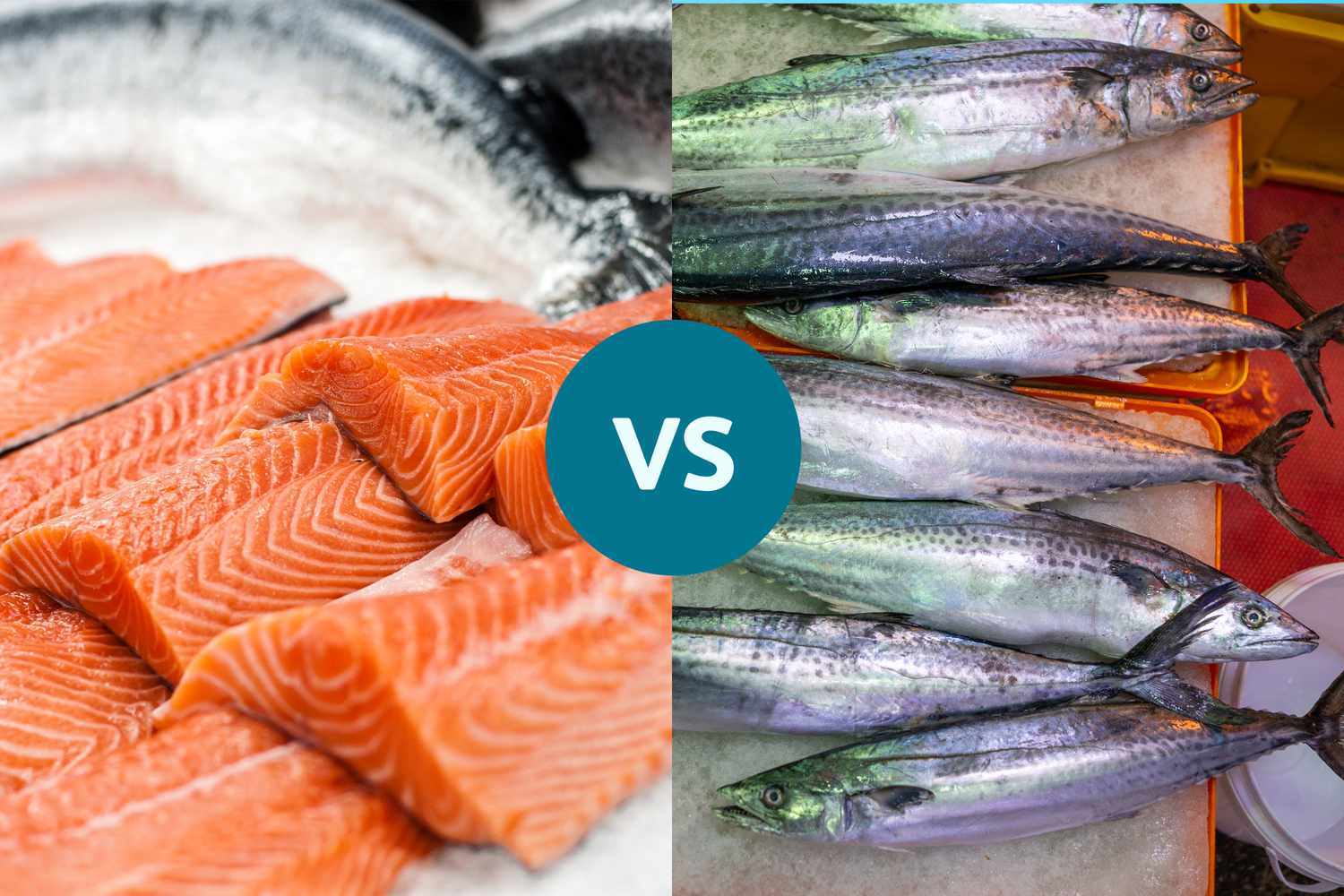
The symptoms are often non-specific, making them easy to ignore. You might experience bone pain, a low mood that mimics seasonal depression, or a general sense of muscle weakness. Improving your status involves more than just a walk in the park. While 10 to 30 minutes of midday sun exposure is helpful, many people require dietary support. Vitamin D3 conversion is most efficient when obtained from oily fish like salmon and mackerel, or through fortified foods such as milk and plant-based alternatives.
For those living in northern latitudes, increasing magnesium and vitamin d intake naturally through diet is often insufficient to reach optimal serum levels, necessitating a conversation with a clinician about targeted supplementation.
2. Iron: Beyond Just Fatigue
Iron deficiency is one of the most widespread common nutrient deficiencies globally. According to the CDC, it affects an estimated 40% of children younger than 5 years old and 30% of pregnant women worldwide. Iron is the primary vehicle for oxygen transport in your blood; without it, every organ in your body struggles to breathe.
One of the most distinct nutrient deficiency symptoms is Koilonychia, where the nails become thin and concave, resembling a spoon. Other subtle symptoms of iron and vitamin b12 deficiency include restless leg syndrome, a pale inner eyelid, and an unusual craving for non-food items like ice or dirt (pica).
To improve intake, you must understand the difference between heme and non-heme iron.
- Heme Iron: Found in animal products like red meat and shellfish. It has high bioavailability, meaning your body absorbs it easily.
- Non-Heme Iron: Found in plant sources like lentils, spinach, and fortified cereals. This form is harder for the body to process.
A key "bio-hack" is to pair non-heme iron with Vitamin C (like a squeeze of lemon on your spinach) to significantly increase absorption rates.
3. Vitamin B12: The Neurological Anchor
Vitamin B12 is essential for DNA synthesis and maintaining the protective sheath around your nerves. Unfortunately, gastrointestinal malabsorption becomes more common as we age, and since B12 is primarily found in animal products, vegetarians and vegans are at high risk.
The subtle symptoms of iron and vitamin b12 deficiency often overlap, but B12 deficiency has a distinct neurological component. You may feel "pins and needles" in your hands and feet, experience unexplained brain fog, or notice a swollen, smooth-looking tongue called glossitis.
Because B12 is water-soluble, it is generally safe to supplement, but the goal should always be to maintain steady levels through fortified foods like nutritional yeast or high-quality animal proteins. For those with absorption issues, sublingual drops or injections may be more effective than standard tablets.
Safety Alert: Do not attempt to treat suspected B12 deficiency with high-dose folic acid alone. High folate intake can "mask" a B12 deficiency by fixing the blood-related symptoms while allowing neurological damage to continue undetected.
4. Magnesium: The Muscle & Sleep Regulator
Magnesium is involved in over 300 enzymatic reactions in the human body, yet it remains one of the most overlooked common nutrient deficiencies. Recent data suggests that 52.2% of the US population falls below the requirement for magnesium.
If you suffer from night-time leg cramps, heart palpitations, or disrupted sleep patterns, you might be low on this essential mineral. Magnesium is crucial for metabolic health and helps regulate the nervous system to promote relaxation. Increasing magnesium and vitamin d intake naturally can be achieved by incorporating more magnesium-dense foods into your evening meals.
- Best Food Sources:
- Pumpkin seeds (pepitas)
- Swiss chard and spinach
- Dark chocolate (at least 70% cacao)
- Black beans and almonds
5. Calcium: Supporting Bone Mineral Density
While most people associate calcium only with bone health, it is also a vital electrolyte for heart rhythm and muscle contraction. Medically termed hypocalcaemia when levels are dangerously low, the signs of vitamin and mineral deficiency in this category include numbness in the fingertips and abnormal heart rhythms.
Maintaining bone mineral density is a lifelong process. If you aren't consuming enough calcium, your body will actually "leach" it from your bones to keep your blood levels stable, which can lead to osteoporosis later in life.
- How to Fill the Gap:
- Dairy products (yogurt, cheese)
- Sardines (with the soft bones included)
- Leafy greens like kale and bok choy
- Fortified plant milks and orange juice
6. Iodine: The Silent Global Crisis
Although often left off Western "Top 5" lists, iodine deficiency affects nearly one-third of the global population, with an estimated 1.8 billion people having insufficient intake. Iodine is the backbone of thyroid health; without it, your metabolism slows to a crawl, leading to weight gain and goiters (visible swelling in the neck).
Most people meet their needs through iodized salt, but the recent trend toward sea salt and Himalayan pink salt—which often lacks iodine—has caused deficiency rates to creep back up in developed nations. Seafood and seaweed remain the most potent natural sources of this mineral.
Solving the Gaps: Food vs. Supplements
When improving nutrient intake through diet, the gold standard is always whole-food nutrition. Whole foods contain a complex matrix of phytonutrients and enzymes that aid in absorption. However, there are times when choosing between supplements and food for nutrient gaps leans toward the bottle, especially for those with clinical malabsorption or strict dietary restrictions.
Safety Alert: Be cautious with fat-soluble vitamins like Vitamin A and minerals like Selenium. While necessary, excessive intake can lead to toxicity. For example, too much Selenium or Vitamin A can actually cause hair loss and skin changes from nutrient deficiencies, the very symptoms you may be trying to fix.
Before starting a new regimen, consider your current health status and any medications that might interfere with nutrient uptake.
Clinical Next Steps: Testing and Diagnosis
If you experience chronic symptoms like mouth ulcers, joint pain, or extreme lethargy, you should not guess. When to see a doctor for nutrient deficiency testing depends on the persistence and severity of your symptoms. A healthcare professional can perform a blood panel analysis to check your levels.
Serum testing is the most common method, though it’s worth noting that for some minerals like magnesium, blood levels only represent about 1% of the body's total stores. A clinician can help interpret these results in the context of your lifestyle and determine if your symptoms are linked to gastrointestinal malabsorption or simply inadequate dietary intake. A professional can then provide a structured nutritional intervention involving specific food choices or targeted supplementation.
FAQ
What are the most common nutrient deficiencies in adults?
The most frequent deficiencies in adults are Vitamin D, Magnesium, Iron, Vitamin B12, and Calcium. In some populations, Iodine and Vitamin A are also significantly low.
How do I know if I have a nutritional deficiency?
The best way to know is through a clinical blood test. However, you can watch for physical cues such as persistent fatigue, skin changes, brittle hair, muscle twitches, or cracks at the corners of the mouth.
What are the physical signs of a vitamin deficiency?
Common signs include spoon-shaped or brittle nails, pale skin, a swollen tongue, thinning hair, easy bruising, and poor night vision.
Which nutrient deficiency causes extreme fatigue?
Iron deficiency is the most common cause of extreme exhaustion because it reduces the blood's ability to carry oxygen. However, deficiencies in Vitamin B12, Vitamin D, and Magnesium can also lead to chronic tiredness.
How do doctors test for common vitamin deficiencies?
Doctors typically use a blood panel analysis or serum testing to measure the concentration of specific vitamins and minerals in your blood. For certain nutrients, they may also test urine or look at red blood cell markers.
Can you have a nutrient deficiency even if you eat a balanced diet?
Yes. Factors like soil depletion, high stress (which depletes magnesium), certain medications, and gastrointestinal malabsorption issues can prevent your body from absorbing the nutrients present in your food.