Quick Facts
- The 2026 Gold Standard: Aim for consuming 30 or more different plants weekly to maximize the diversity of your gut microbiota.
- Probiotic Powerhouse: Choose kefir over standard yogurt for a wider variety of live active cultures and higher microbial counts.
- Metabolic Support: Use the cooling technique on starches like potatoes to increase resistant starch, which fuels beneficial bacteria without spiking blood sugar.
- Anti-Inflammatory Choice: Select dark chocolate with at least 70% cocoa to harness polyphenols that microbes convert into health-boosting compounds.
- Scientific Validation: A high-fermented-food diet can significantly lower 19 different inflammatory proteins in the bloodstream.
- Fiber Strategy: Balance soluble fiber for metabolic health with insoluble fiber for digestive regularity to support the entire gut ecosystem.
The best gut health foods for a resilient microbiome include fiber-rich plants, fermented foods, and resistant starches. Key examples are ancient grains like farro and teff, legumes such as lentils, and cruciferous vegetables, while fermented options like kefir, kimchi, and sauerkraut provide live active cultures that help restore microbial balance and support the gut-brain axis.
Gut health is no longer just about digestion; it's the cornerstone of metabolic and mental wellness. In this science based gut health diet for 2026 reset, we explore the top 10 gut health foods backed by the latest clinical research. We have moved past the era of simply taking a pill to fix our stomachs. Today, we understand that the internal garden of our microbiome requires a diverse range of fuel to thrive.
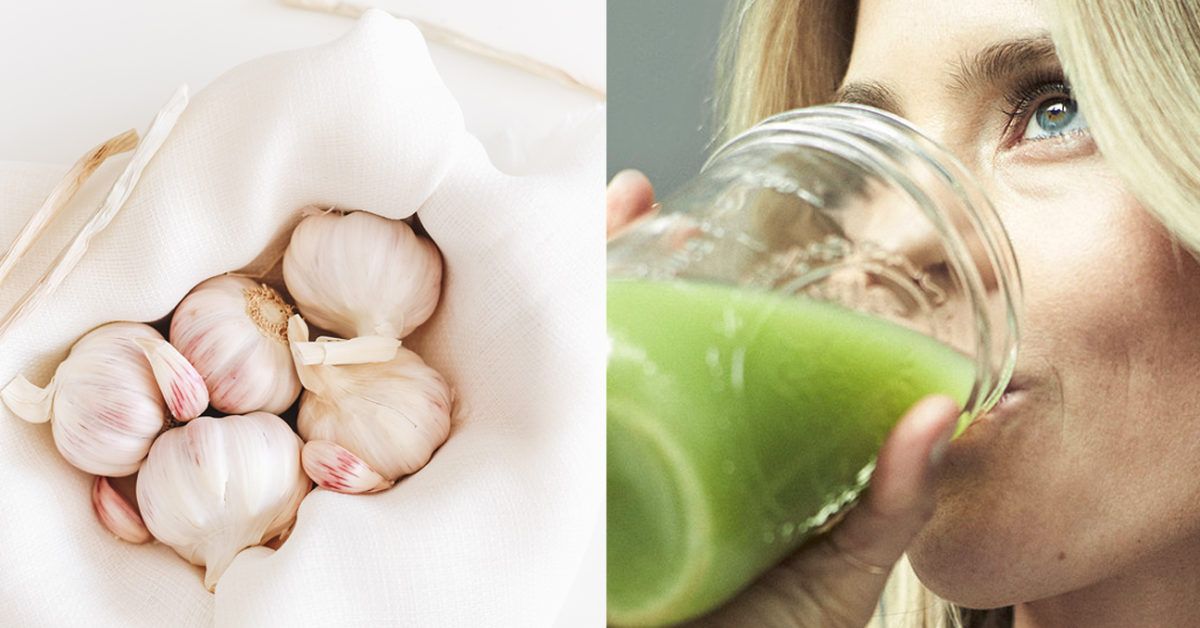
The Diversity Principle: Why 30 Plants a Week Matters
For years, the conversation around nutrition was about what to remove—cutting out sugar, gluten, or processed fats. In 2026, the focus has shifted toward what we add. The primary metric for a thriving gut is microbiome diversity. The more species of bacteria you host, the more resilient your immune system and metabolic health become. Research suggests that the most effective way to achieve this is by eating at least 30 different plant foods per week.
This target might sound daunting, but it includes everything from vegetables and fruits to nuts, seeds, herbs, and spices. Each plant contains a unique profile of fibers and polyphenols. These compounds act as chemical messengers and fuel sources for specific bacterial strains. By increasing diversity through dietary variety, you ensure that no single group of bacteria overpowers the others, maintaining a stable biological rhythm. This variety also supports the gut-brain axis, the bidirectional communication line between your enteric nervous system and your brain, which influences everything from mood to appetite.
Expert Tip: Think of your gut as an ecosystem like a rainforest. A rainforest thrives because of its vast variety of species. If you only eat five types of vegetables, you are essentially turning a lush rainforest into a monoculture wheat field.
Section 1: Probiotic Superstars (Live Cultures for Balance)
The most direct way to introduce beneficial organisms into your system is through fermented foods. However, not all fermented products are created equal. To truly benefit the gut microbiota, a food must contain live active cultures at the time of consumption.
Kefir and Yogurt
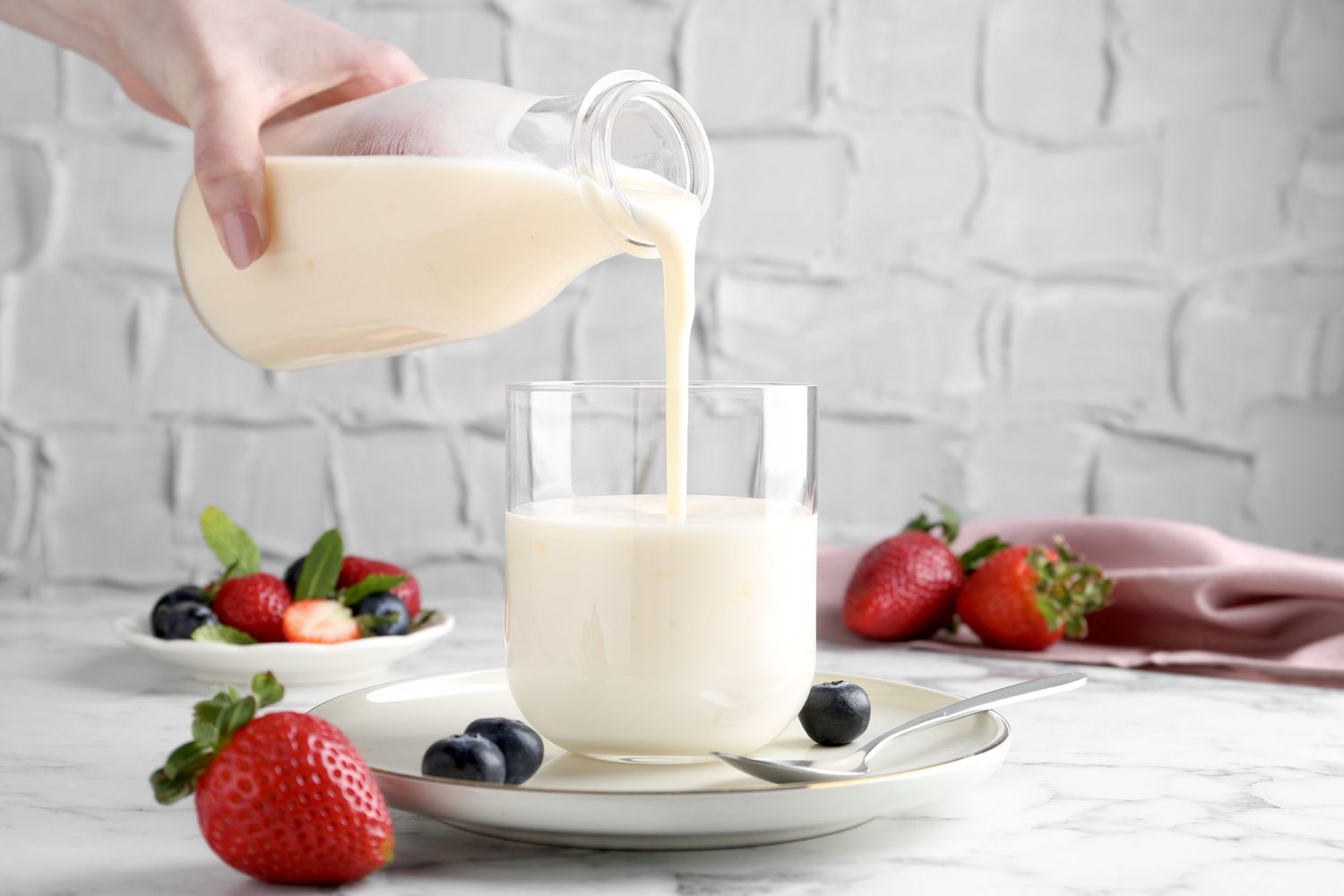
While traditional yogurt is excellent, kefir is often considered the superior choice in 2026. Kefir is fermented with a combination of bacteria and yeast, resulting in a more complex probiotic profile. A study involving over 1,000 adults found that consuming at least two cups of yogurt per week is associated with improved gut barrier function and lower markers of intestinal hyperpermeability.
Kimchi and Sauerkraut
These fermented vegetables provide more than just probiotics; they offer a dose of organic acids and vitamins. A 10-week clinical trial by Stanford Medicine found that a diet rich in fermented foods like kimchi and kefir significantly increases microbial diversity and decreases 19 different inflammatory proteins in the blood.
Medical Nuance: How to add fermented foods to your diet without bloating If you are new to fermented foods, start with just one tablespoon a day. A sudden influx of live cultures can cause temporary gas or bloating as your internal environment recalibrates. Gradually increase your intake over two to three weeks to allow your system to adapt.
Section 2: Prebiotic Powerhouses (Fueling Butyrate Production)
If probiotics are the "seeds," prebiotics are the "fertilizer." These are non-digestible fibers that pass through the upper gastrointestinal tract to become food for the bacteria in your colon. When bacteria ferment these fibers, they produce short-chain fatty acids, most notably butyrate.
Butyrate is the primary energy source for the cells lining your colon. It plays a critical role in maintaining gut lining integrity and preventing intestinal permeability, often referred to as leaky gut.
The Prebiotic and Probiotic Foods List
To maximize the production of short-chain fatty acids, focus on these top-tier prebiotic sources:
- Chicory Root: Extremely high in inulin, a potent prebiotic fiber.
- Garlic and Onions: These alliums contain sulfur compounds and fructooligosaccharides that fuel beneficial Bifidobacteria.
- Asparagus: A great source of soluble and insoluble fiber that helps move waste through the system.
Using prebiotic and probiotic food combinations for maximum benefit is a hallmark of the science based gut health diet. For example, topping your morning yogurt with sliced bananas or stirring minced garlic into a bowl of miso soup creates a synergistic effect where the fuel and the bacteria arrive in the gut together.
| Fiber Type | Function | Best Sources |
|---|---|---|
| Soluble Fiber | Dissolves in water to form a gel; slows digestion and feeds bacteria. | Oats, beans, apples, barley. |
| Insoluble Fiber | Adds bulk to stool and helps food pass more quickly. | Whole wheat, nuts, cauliflower, potatoes. |
Section 3: Resistant Starches and Ancient Grains for Gut Lining
Not all starches are treated the same by your body. Resistant starch is a unique type of carbohydrate that resists digestion in the small intestine. Instead, it travels to the large intestine where it ferments, acting as a powerful prebiotic.
The Magic of Cooling
One of the best sources of resistant starch for gut lining is the humble potato—but there is a catch. You must cook the potato and then let it cool completely. This process, known as retrogradation, changes the structure of the starch molecules. Even if you reheat the potatoes later, the resistant starch content remains higher than if they were eaten freshly cooked. Green bananas and raw oats are also excellent sources.
Ancient Grains and Beta-Glucan
For those looking for the best ancient grains for gut health and nutrient density, farro and teff are the 2026 favorites. Farro is packed with fiber and protein, while teff—a tiny grain from Ethiopia—is a powerhouse of resistant starch. Additionally, oats remain a staple because they contain beta-glucan. This specific type of soluble fiber has been shown to improve metabolic health by regulating blood sugar and cholesterol levels while providing a feast for your gut microbes.
Section 4: The Polyphenol Reset (Dark Chocolate and Berries)
Polyphenols are plant compounds known for their antioxidant properties, but we now know they are also essential for gut health foods. Most polyphenols are not absorbed in the small intestine; instead, they reach the colon where gut bacteria break them down into smaller, bioavailable compounds.
Dark Chocolate (70%+)
Cocoa is rich in flavanols that act as prebiotics. When microbes consume these polyphenols, they produce metabolites that reduce systemic inflammation and support the gut-brain axis. To get the benefit, ensure your chocolate is at least 70% cocoa to minimize sugar intake, which can otherwise fuel harmful yeast strains.
Anthocyanin-Rich Berries
Blueberries, blackberries, and raspberries are loaded with anthocyanins. These compounds help improve the ratio of beneficial bacteria like Akkermansia muciniphila, which is closely linked to a healthy gut lining and reduced obesity risk. Incorporating these into a science based gut health diet for 2026 reset helps protect the gut against oxidative stress.
Beyond the Plate: Lifestyle Habits for Motility
Even the best diet requires the right environment to work effectively. Gut motility—the movement of food through the digestive tract—is essential for preventing bacterial overgrowth in the small intestine.
- The Overnight Window: Aim for a 12 to 14-hour fasting window between dinner and breakfast. This allows the Migrating Motor Complex (MMC) to perform its "housekeeping" waves, clearing out undigested food and debris. You can find more details in an intermittent fasting for gut microbiome diversity guide.
- Physical Movement: Experts recommend 150 minutes of moderate weekly exercise. Physical activity increases blood flow to the gut and has been shown to independently improve the diversity of the gut microbiota.
- The Symptom Journal: When transitioning to a high-fiber diet, keep a log. Track what you eat and how you feel. This helps you identify which specific gut health foods work best for your unique biology and which ones might require a slower introduction.
30-Plant Tracker: A Weekly Checklist
To reach the goal of 30 plants a week, try to check off items from these categories:
- [ ] Vegetables: Leafy greens, cruciferous (broccoli, kale), root veggies.
- [ ] Fruits: Berries, citrus, apples, stone fruits.
- [ ] Grains: Farro, quinoa, oats, teff, brown rice.
- [ ] Legumes: Lentils, chickpeas, black beans, soy.
- [ ] Nuts & Seeds: Walnuts, chia, flax, pumpkin seeds, almonds.
- [ ] Herbs & Spices: Turmeric, ginger, basil, cilantro, oregano.
FAQ
What are the best foods for gut health?
The best foods include fiber-rich vegetables, fermented items like kefir and kimchi, and resistant starches such as cooked and cooled potatoes. These provide both the live bacteria and the fuel necessary for a diverse microbiome.
Which fermented foods are best for digestion?
Kefir, kombucha, miso, and unpasteurized sauerkraut are highly effective. Kefir is particularly beneficial because it contains a wide variety of bacterial and yeast strains that support digestive balance.
How can I improve my gut health naturally?
You can improve gut health by eating 30 different plants per week, staying hydrated, exercising regularly, and prioritizing sleep. Reducing highly processed foods and artificial sweeteners also helps maintain a healthy microbial balance.
What is the difference between prebiotics and probiotics?
Probiotics are live beneficial bacteria found in fermented foods, while prebiotics are the non-digestible fibers that act as food for those bacteria. You need both to maintain a healthy and functional gut ecosystem.
How long does it take to improve gut health with diet?
Research shows that changes in the gut microbiota can begin within 24 to 48 hours of a dietary shift. However, significant improvements in gut lining integrity and inflammatory markers typically take three to ten weeks of consistent dietary changes.