Quick Facts
- Top Prebiotic Source: Beans contain high levels of galactooligosaccharides and resistant starch, which act as a specialized fuel for the microbiome.
- Fiber Leader: Navy beans are the prebiotic heavyweight, offering roughly 9.5 grams of fiber per half-cup serving.
- Daily Goal: Consuming 3 to 5 grams of prebiotics daily significantly boosts beneficial bacteria, yet only 7 percent of U.S. adults meet overall fiber targets.
- The SCFA Benefit: Fermentation of legumes in the colon produces short-chain fatty acids like butyrate, which are essential for maintaining the intestinal lining.
- Direct Answer: Beans for gut health work by providing prebiotic fibers that escape digestion in the small intestine to feed beneficial bacteria in the colon, producing short-chain fatty acids like butyrate that support metabolic health and the intestinal lining.
Beans are a nutritional powerhouse, but their role as the ultimate prebiotic staple is often overlooked. If you are looking for beans for gut health, you are tapping into a source of fiber that does more than just aid digestion—it fuels your entire microbiome. Unlike many health trends that come and go, the relationship between legumes and your gut bacteria is one of the most well-documented success stories in nutritional science. By incorporating these versatile pulses into your diet, you are not just eating for satiety; you are providing a feast for the trillions of microbes that regulate your immunity, mood, and metabolism.
The Microbiome Engine: How Beans Fuel Gut Health
To understand why beans for gut health are so effective, we have to look at what happens when they reach your large intestine. Most of the food we eat is broken down in the stomach and small intestine, but beans contain specific carbohydrates called galactooligosaccharides. These complex sugars are resistant to human digestive enzymes. Instead of being absorbed as calories in the upper gut, they travel intact to the colon, where they become a gourmet meal for your beneficial bacteria.
When your gut microbes ferment these galactooligosaccharides, they create byproducts known as short-chain fatty acids. The most notable of these is butyrate. Butyrate is more than just a byproduct; it is the primary energy source for the cells lining your colon. By fueling these cells, butyrate helps maintain the integrity of the intestinal barrier, preventing unwanted particles from leaking into the bloodstream—a condition often referred to as leaky gut. This process also supports your metabolic health by helping to regulate blood sugar levels and improve insulin sensitivity.
Despite these clear benefits, we are currently facing a massive "fiber gap." Research shows that only 7 percent of U.S. adults consume the recommended daily amount of fiber, which is typically set at 25 grams for women and 38 grams for men. When dietary fiber intake is low, the microbiome is essentially starved, leading to a loss of microbiome diversity. Over time, this can disrupt the gut-brain axis, the bidirectional communication line between your digestive system and your central nervous system, potentially impacting your mental clarity and stress levels.
The beauty of beans lies in their ability to produce postbiotics—the beneficial compounds generated after the fermentation of prebiotics. By increasing your intake of legumes, you are encouraging the growth of Bifidobacteria and Lactobacilli, which are key players in warding off pathogens and keeping your internal ecosystem balanced. Scientific studies suggest that consuming 3 to 5 grams of prebiotics daily can significantly improve gut health by increasing these beneficial bacterial populations.
Beans vs. Meat: A Cleaner Protein for Your Gut
In the quest for protein, many consumers reach for red meat or highly processed plant-based alternatives. However, when we look at beans vs meat for gut microbiome health, legumes offer a much cleaner profile. Red meat is often high in saturated fat and lacks the fiber necessary to support a flourishing microbiome. Furthermore, certain compounds in red meat, when metabolized by gut bacteria, can produce trimethylamine N-oxide (TMAO), which has been linked to cardiovascular concerns.
On the other hand, legumes are natural plant-based protein sources that come packaged with their own digestive support system. While a steak provides protein, a bowl of lentils provides protein plus resistant starch and fiber. This combination promotes better satiety, meaning you feel full longer, and it avoids the mystery ingredients found in many modern "fake meat" products. Highly processed vegan alternatives often contain emulsifiers and stabilizers that can irritate the gut lining; beans are a whole-food solution that requires no additives to be effective.
We can see the long-term evidence for this in the Blue Zones—regions of the world where people consistently live past 100. A common thread among these diverse cultures, from Nicoya in Costa Rica to Ikaria in Greece, is a high daily intake of legumes. These populations rely on beans as their primary protein source, contributing to their legendary longevity and robust digestive health. By swapping meat for legumes even a few times a week, you reduce inflammatory markers and provide the benefits of resistant starch in legumes for gut bacteria.
Preparation Rituals: Eliminating Gas and Maximizing Digestion
The most common hesitation people have regarding beans is the fear of digestive discomfort. We have all heard the rhymes about "the musical fruit," but this gas is actually a sign that your gut bacteria are doing their job. However, you can learn how to prepare beans for better digestion and gut health to minimize the bloat.
The secret lies in the process of soaking and rinsing. If you are using dried beans, a long soak (8 to 24 hours) allows some of the gas-producing galactooligosaccharides to leach into the water. By discarding that water and rinsing the beans thoroughly before cooking in fresh water, you significantly reduce the "antinutrients" like phytic acid and lectins. This makes the minerals in the beans more bioavailable and the fibers easier on your digestive tract.
For those new to a high-fiber lifestyle, the "start low and go slow" approach is essential. If your microbiome is used to a low-fiber diet, a sudden influx of beans can cause temporary distress. Start with a quarter-cup serving and gradually increase over several weeks. This gives your microbial community time to adapt and expand its capacity to process the fiber.
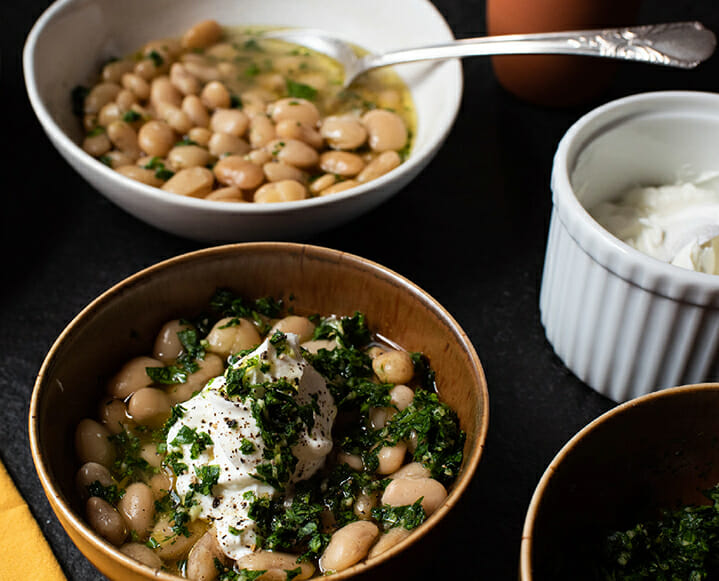
Another expert tip is pairing beans with fermented foods for gut health. This creates a "synbiotic" meal, where you provide both the beneficial bacteria (probiotics) and the food they need (prebiotics) at the same time. Try adding a dollop of Greek yogurt to a spicy bean chili or serving a side of pickled vegetables with a bean salad. These fermented additions introduce live cultures that can assist in the digestive process.

Variety Guide: The Best Beans for Prebiotic Fiber
Not all legumes are created equal when it comes to their prebiotic benefits of legumes. To maximize your results, you should aim for a variety of types to support greater microbiome diversity.
- Navy Beans: These are the gold standard for fiber, containing nearly 10 grams per half-cup. Their creamy texture makes them perfect for soups and stews.
- Black Beans: Known for their dark, antioxidant-rich coats, black beans provide significant phenolic compounds along with their prebiotic fiber.
- Lentils: These are among the easiest legumes to digest and cook quickly, making them ideal for simple gut health bean recipes for beginners.
- Chickpeas (Garbanzo Beans): High in both fiber and protein, they are the base for hummus, which is an excellent way to sneak prebiotics into snacks.
- Adzuki Beans: Often used in Asian cuisine, these are highly digestible and offer a unique nutrient profile compared to Western staples.
When selecting the best types of beans for prebiotic fiber content, remember that the "skin" or "coat" of the bean is where much of the magic happens. Darker beans generally have higher concentrations of polyphenols, which act as another type of fuel for the gut.
While beans are incredible, it is worth noting that they are part of a larger family of prebiotics. For comparison, chicory root is a very potent source, where about 68 percent of its total fiber content is the prebiotic fiber inulin. However, beans are much easier to incorporate into a hearty meal than chicory root. Integrating beans into different parts of your day—such as black beans in a breakfast burrito or white beans blended into a creamy pasta sauce—ensures you hit your fiber goals without it feeling like a chore.
FAQ
Are beans actually good for your gut health?
Yes, beans are one of the most effective foods for promoting gut health. They provide high amounts of prebiotic fiber and resistant starch that nourish beneficial bacteria, lead to the production of anti-inflammatory short-chain fatty acids, and help maintain a healthy intestinal lining.
Which beans have the most fiber for gut health?
Navy beans typically rank the highest, providing about 9.5 to 10 grams of fiber per half-cup serving. Other high-fiber options include adzuki beans, pinto beans, and black beans, all of which provide a substantial prebiotic boost.
How do beans improve gut bacteria?
Beans improve gut bacteria by acting as a food source for probiotics like Bifidobacteria. Because the fiber in beans cannot be digested by human enzymes, it reaches the colon where bacteria ferment it, allowing them to multiply and outcompete harmful pathogens.
Why do beans cause gas and how can I prevent it?
Beans cause gas because the fermentation process by gut bacteria releases gases as a byproduct. To prevent this, you should increase your bean intake gradually, drink plenty of water, and use the soaking and rinsing method for dried beans to remove excess fermentable sugars.
Does soaking beans really help with digestion and gut health?
Soaking beans is highly effective because it reduces the concentration of certain complex sugars and antinutrients that cause gas. This makes the legumes easier to digest and allows your body to better absorb the vitamins and minerals contained within the beans.
Start Your Weekly Bean Ritual
The path to a healthier microbiome doesn't require expensive supplements or complicated protocols. It can be as simple as a pot of simmering beans on the stove. By embracing beans for gut health, you are choosing a time-tested, science-backed way to nourish your body from the inside out.
I encourage you to start a "Weekly Bean Ritual." Whether it is a batch of lentil soup on Sunday or a vibrant black bean salad for your weekday lunches, consistency is the key to shifting your microbiome toward a more diverse and resilient state. Your gut bacteria are waiting—give them the prebiotic fuel they deserve.