Quick Facts
- The 90% Rule: Approximately 80% to 90% of tea polyphenols reach the colon where they feed beneficial bacteria.
- Microbiome Booster: Green tea is a premier source of Epigallocatechin gallate (EGCG), which directly fuels the growth of beneficial Bifidobacteria.
- The Bloat Fixer: For immediate relief from bloating and nausea, ginger root and peppermint infusions outperform true teas.
- Gut Barrier Support: Daily consumption of certain teas helps produce Short-chain fatty acids that strengthen the intestinal barrier function.
- Fat Digestion: Bitter botanicals like dandelion and burdock tea stimulate bile production, aiding the breakdown of dietary fats.
- Daily Limit: For optimal gut health without over-stimulation, aim for 3 to 5 cups of green tea daily.
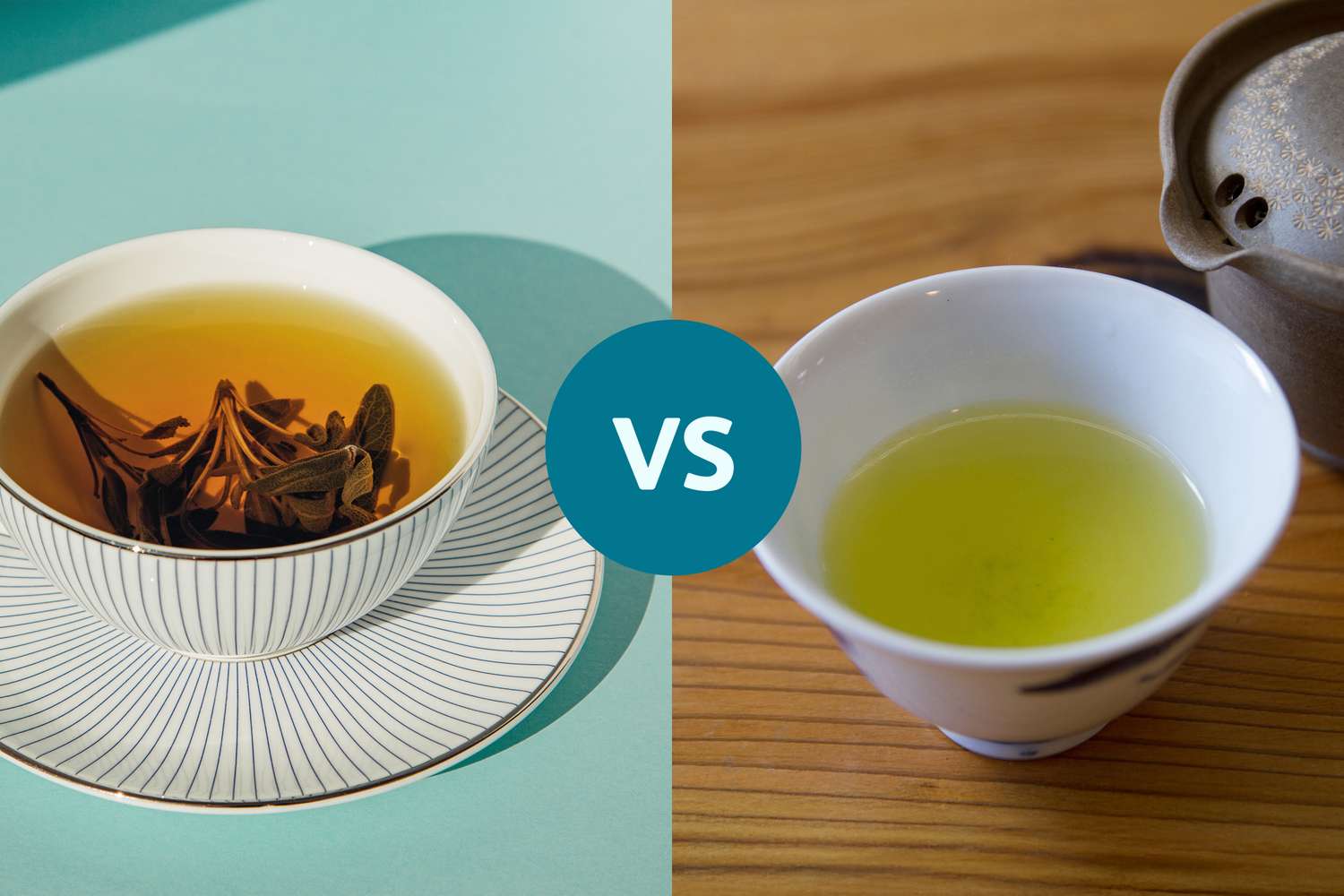
Green tea vs herbal tea—the choice depends on whether you want a prebiotic boost or instant relief. Green tea fuels microbial diversity by acting as a long-term engine for your microbiome, while herbal infusions target inflammation and acute digestive distress like a specialized stabilizer.
The Gut Health Showdown: Green Tea vs. Herbal Tea
When we talk about choosing tea for digestive health, the first thing we must do is define our terms. In the world of supplements and nutrition, Green tea is what we call a true tea, derived exclusively from the Camellia sinensis plant. Herbal teas, or tisanes, are actually botanical infusions made from dried fruits, flowers, herbs, or spices.
I often use the Engine vs. Stabilizer framework to help readers decide which to reach for. Green tea is the engine; it contains bioactive compounds that drive metabolic homeostasis and cultivate a diverse microbial landscape over time. On the other hand, herbal teas are the stabilizers. They are your go-to when you need to remove a physiological roadblock, such as gas, bloating, or a slow-moving stomach.
For someone with a low caffeine tea for sensitive stomach requirement, herbal options are often the first line of defense. However, if your goal is the long-term cultivation of a resilient internal ecosystem, the polyphenolic compounds found in true tea are unmatched. Understanding the difference between these two categories is the first step in optimizing your daily routine for better digestive wellness.
Green Tea: The Prebiotic Powerhouse for Microbiome Diversity
As an editor focusing on the microbiome, I find green tea to be one of the most fascinating functional beverages available. The primary reason is the high concentration of Epigallocatechin gallate (EGCG). While we often hear about the antioxidant benefits of EGCG for the heart or skin, its most significant impact might actually happen in the large intestine.
Most nutrients are absorbed in the small intestine, but green tea behaves differently. It is estimated that only 10% to 20% of green tea polyphenols are absorbed in the small intestine, leaving the remaining 80% to 90% to reach the colon where they are metabolized by gut bacteria into bioactive molecules. This makes green tea a powerful prebiotic.
Clinical data suggests that the best green tea for gut microbiome health is one that is minimally processed, like Matcha or high-quality loose-leaf Sencha. When you consume these, you are essentially providing a feast for your beneficial bacteria. In fact, daily consumption of 400 to 1,000 milliliters of green tea has been associated with increased proportions of beneficial Bifidobacterium species.
These bacteria ferment the tea’s polyphenols to produce Short-chain fatty acids. These fatty acids are the primary energy source for the cells lining your colon, helping to seal a leaky gut and maintain a robust intestinal barrier function. Furthermore, the green tea prebiotic effects on bifidobacteria help shift the balance of your microbiome toward a state that supports weight management and reduces systemic inflammation. By fostering this diverse environment, green tea also indirectly supports the gut-brain axis, potentially improving mood and cognitive clarity through the microbial production of neurotransmitters.
Herbal Teas: Targeted Relief for Digestive Roadblocks
While green tea builds the foundation, herbal tea for digestive inflammation provides the specific, acute relief many of us need after a heavy meal or during a flare-up. If green tea is the long-term investment, herbal infusions are the emergency fund.
One of the most evidence-backed "fixers" in the herbal world is Ginger root. If you struggle with a "heavy" feeling after eating, ginger is your best ally. Clinical research indicates that ginger tea can increase the rate of gastric emptying by approximately 12% and reduce the severity of nausea by up to 40%. This makes it an essential tool for those dealing with functional dyspepsia or slow motility.
When comparing green tea vs peppermint tea for bloating, peppermint usually wins for immediate comfort. Peppermint contains menthol, which acts as a natural antispasmodic, relaxing the smooth muscles of the GI tract to allow trapped gas to pass more easily.
Other functional herbs include:
- Dandelion and burdock tea for fat digestion: These bitter herbs stimulate the liver and gallbladder to produce and release bile, which is essential for emulsifying fats.
- Chamomile infusion: Known for its calming effects on the nervous system, chamomile also provides herbal tea for digestive inflammation relief by soothing the stomach lining and reducing acidity.
- Fennel: Often used alongside peppermint, fennel seeds contain compounds that discourage fermentation in the small intestine, further reducing gas production.
For individuals who find that the caffeine in green tea triggers their IBS or acid reflux, these caffeine-free botanical infusions offer a way to support digestion without the stimulating impact of caffeine.
Practical Choice Guide: Matching Tea to Your Gut Symptoms
Choosing between green tea vs herbal tea doesn't have to be an all-or-nothing decision. In fact, a diverse tea cabinet is often the hallmark of a resilient gut. To decide which to brew, look at your current symptoms and the time of day.
If you are looking for long-term health, ask yourself: how many cups of tea daily for gut health are necessary? Most studies suggest that the sweet spot is between 3 to 5 cups. If you have a sensitive stomach, you might start with one cup of green tea in the morning to benefit from the L-theanine content—which provides a calm focus—and then transition to herbal infusions in the afternoon.
Steeping duration is also a critical factor. To maximize the extraction of polyphenolic compounds in green tea, use water that is just below boiling (around 175°F) and steep for 3 to 5 minutes. Steeping too long can make the tea bitter due to excess tannins, which can actually irritate a sensitive stomach. Herbal teas, however, often require longer steeping times—up to 10 minutes—to fully extract the oils from roots like ginger or seeds like fennel.
If you are managing chronic issues like leaky gut, focus on the prebiotic power of green tea during the day and a soothing Chamomile infusion at night. This approach addresses both the microbial diversity and the need for inflammation control.
FAQ
What is the main difference between green tea and herbal tea?
Green tea is a true tea made from the leaves of the Camellia sinensis plant, containing caffeine and high levels of EGCG. Herbal tea is an infusion of various plants, such as flowers, roots, or seeds, and is typically caffeine-free with specialized medicinal properties.
Does green tea have more caffeine than herbal tea?
Yes, green tea naturally contains caffeine, usually ranging from 30 to 50mg per cup. Most herbal teas, including peppermint, ginger, and chamomile, are naturally caffeine-free, though some exceptions like yerba mate exist.
Which is healthier: green tea or herbal tea?
Both offer unique health benefits. Green tea is superior for metabolic homeostasis and long-term microbiome health due to its polyphenols. Herbal tea is often "healthier" for individuals needing symptomatic relief from bloating or those who are highly sensitive to stimulants.
Which tea is better for digestion?
It depends on the goal. Green tea is better for the long-term health of your gut bacteria and intestinal barrier function. Herbal teas like ginger or peppermint are better for immediate digestive relief from symptoms like nausea, gas, and slow gastric emptying.
Is it okay to drink both green tea and herbal tea every day?
Absolutely. Diversifying your intake allows you to reap the prebiotic benefits of green tea while using herbal infusions to manage specific daily digestive needs. Just be mindful of your total caffeine intake if you are drinking multiple cups of green tea.
Conclusion
The debate of green tea vs herbal tea isn't about finding a single winner; it's about understanding how to use these tools effectively. By incorporating the prebiotic power of green tea to fuel your beneficial bacteria and the targeted relief of herbal infusions to manage inflammation and bloating, you can create a comprehensive strategy for digestive wellness. Whether you are sipping Matcha for its EGCG or brewing ginger to speed up gastric emptying, you are taking an active, research-backed step toward a happier microbiome.