Quick Facts
- Trigger vs. Cause: Coffee is known to trigger symptoms like urgency and cramping but does not typically cause the underlying intestinal inflammation.
- Gut Motility: Caffeine stimulates peristalsis and gastrin secretion, which can lead to increased bowel frequency.
- Acid Levels: High levels of chlorogenic acid in standard coffee can irritate the gastrointestinal tract; dark roasts are a better alternative.
- Preferred Decaf: Swiss water process decaf is the most recommended method for removing caffeine without leaving chemical residues.
- Brewing Method: The cold brew method is the gentlest on the stomach, often containing significantly less acid than hot-brewed coffee.
For many individuals living with IBD, ulcerative colitis coffee consumption is a major point of concern during their morning routine. While coffee can trigger immediate symptoms such as abdominal urgency and cramping by stimulating gastrin secretion and increasing gut motility, it is generally not considered a direct cause of intestinal inflammation or can coffee cause ulcerative colitis flare ups. Most clinical evidence suggests that while the beverage affects how you feel, it does not necessarily worsen the actual disease state for the majority of patients.
Why Does Coffee Irritate the GI Tract? The Science of Motility
To understand why a morning cup might lead to a bathroom dash, we have to look at how caffeine and ulcerative colitis interact. Caffeine is a powerful stimulant that triggers peristalsis, the wave-like muscle contractions that move waste through your gastrointestinal tract. For someone with an already sensitive colon, this increased speed can translate directly into diarrhea and urgency. Beyond caffeine, coffee also stimulates the production of gastrin, a hormone that increases gastric acid secretion and speeds up colonic activity.
Interestingly, the impact of coffee seems to be more about digestive sensitivity than actual disease progression. In a survey of 442 patients with inflammatory bowel disease, only 20.2% of those with ulcerative colitis reported that coffee consumption negatively influenced their disease course by worsening intestinal symptoms. Furthermore, research indicates that approximately 72.8% of patients with ulcerative colitis are regular coffee drinkers, suggesting that many find ways to tolerate it.
Perhaps most surprising is that coffee might even have some protective or neutral effects on inflammation. A clinical study of 148 patients with inflammatory bowel disease found that regular coffee consumers, particularly those with ulcerative colitis, had significantly lower levels of fecal calprotectin, which is an objective biomarker used to measure intestinal inflammation. This suggests that while you might experience signs coffee is triggering UC symptoms, your internal inflammation levels might not be rising as a result.
The Low-Acid Solution: Selecting the Right Beans
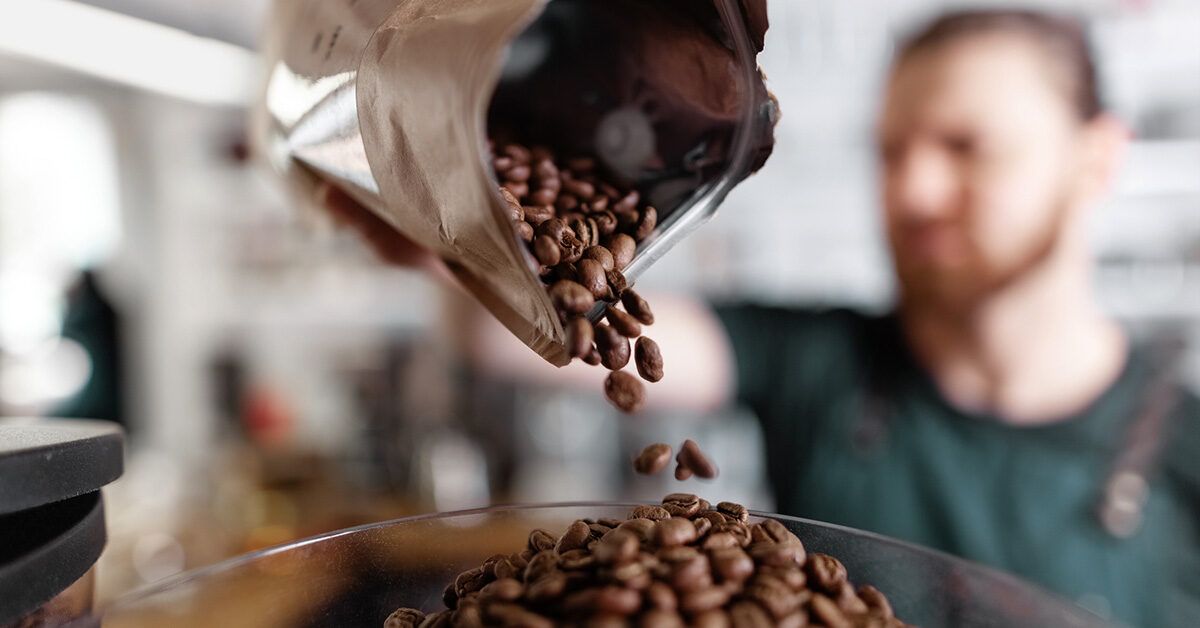
If you find that standard commercial coffee leaves you feeling bloated or cramped, the culprit might be the acid rather than the caffeine. Choosing a low acid coffee for IBD can make a world of difference. Coffee beans contain chlorogenic acid, which can be irritating to the lining of the stomach and intestines.
When shopping for beans, look for dark roast beans. The roasting process breaks down chlorogenic acid; therefore, a dark roast from regions like Sumatra or Brazil will naturally be much gentler on your gut than a light roast from Ethiopia or Kenya. There are also several best low acid coffee brands for ulcerative colitis that use specialized roasting techniques to further reduce acidity. Brands like Puroast claim to have 70% less acid than standard brands, while Mommee Coffee and Lifeboost offer organic, low-acid options specifically designed for those with digestive sensitivity.
Is Decaf Safer? Swiss Water Process vs. Standard Methods
For many, the primary trigger is the caffeine itself. If you find that caffeine and ulcerative colitis simply do not mix, switching to decaf coffee for ulcerative colitis is the next logical step. However, not all decaf is created equal. Many commercial decaffeination processes use chemical solvents like methylene chloride, which can leave trace residues that irritate the gut.
The benefits of decaf coffee for ulcerative colitis are most apparent when you choose swiss water process decaf for sensitive stomachs. This method uses only water, temperature, and time to remove 99.9% of the caffeine, ensuring no chemical irritants are added to the beans. By removing the stimulant that triggers rapid peristalsis, many patients find they can enjoy the flavor and ritual of coffee without the subsequent bowel urgency.
Brewing for Success: The Acid Hierarchy
How you brew your coffee is just as important as the beans you choose. Different methods extract different levels of oils and acids, which can impact your gastrointestinal tract differently.
Brewing Method Acid Scale
| Method | Acid/Irritant Level | Gut Impact |
|---|---|---|
| Cold Brew | Lowest | Least likely to trigger gastrin or cramping |
| Espresso | Medium | Concentrated but lower in total acid per serving |
| Drip (Paper Filter) | Medium | Paper filters trap irritating cafestol and kahweol oils |
| French Press | Highest | High in sediment and oils that can irritate the gut |
The cold brew method is widely considered the gold standard for gut health. By using cold water and a long extraction time (12-24 hours), you avoid extracting the bitter, acidic compounds that hot water pulls from the beans. If you are learning how to safely drink coffee during UC remission, starting with a diluted cold brew is often the safest entry point.
Using a food trigger diary during this process is essential. Start with a small amount of low-acid coffee and monitor your symptoms for 24 hours. This elimination diet approach allows you to identify your specific threshold for caffeine and acid without causing a major setback in your gut microbiome health.
Functional Alternatives and Safe Additives
Sometimes, the coffee itself isn't the problem—it is what we put in it. Traditional dairy and artificial sweeteners are notorious for causing gas, bloating, and diarrhea in those with IBD.
Safe vs. Trigger Additives
- Safe: Plant-based milk such as oat, almond, or coconut milk (ensure they are carrageenan-free).
- Safe: Natural sweeteners like a small amount of maple syrup or honey, which are often better tolerated than white sugar.
- Trigger: Cow’s milk or cream, which can be difficult to digest due to lactose sensitivity.
- Trigger: Sugar alcohols like xylitol or sorbitol, which are known to cause osmotic diarrhea.
If coffee remains too much of a challenge even with these modifications, consider functional alternatives. Matcha provides a gentler caffeine release thanks to L-theanine, which helps prevent the "jitters" and rapid gut motility often associated with coffee. Golden Milk, made with turmeric and ginger, provides anti-inflammatory support that can be soothing for the intestinal inflammation associated with UC.
FAQ
Can people with ulcerative colitis drink coffee?
Yes, many people with ulcerative colitis can drink coffee, especially during periods of remission. However, tolerance is highly individual. While it does not generally cause a flare of intestinal inflammation, it can trigger symptoms like urgency and diarrhea.
Does caffeine trigger ulcerative colitis flare-ups?
Caffeine does not usually cause a clinical flare-up (an increase in actual inflammation), but it is a common trigger for symptomatic episodes. It increases gut motility and stimulates the muscles in the colon, which can mimic the feeling of a flare.
Is decaf coffee safer for ulcerative colitis?
Decaf coffee is often safer because it lacks the caffeine that stimulates rapid bowel movements. For the best results, look for Swiss Water process decaf to avoid chemical residues that could further irritate the gastrointestinal tract.
Why does coffee irritate ulcerative colitis symptoms?
Coffee irritates symptoms primarily by stimulating the production of gastrin, which increases stomach acid and colonic activity. Additionally, the natural acids and caffeine in coffee can speed up the movement of waste, leading to cramping and urgency.
Is cold brew coffee better for people with UC?
Yes, cold brew coffee is typically better for those with UC because the cold extraction process results in a beverage that is significantly lower in acid compared to hot-brewed coffee, making it gentler on the digestive system.
Can coffee cause diarrhea in ulcerative colitis patients?
Coffee can cause diarrhea in UC patients because caffeine acts as a natural laxative, stimulating peristalsis and moving food through the colon more quickly than usual. This effect is often more pronounced in people with a sensitive or inflamed colon.
Finding Your Balance
Navigating the world of ulcerative colitis coffee consumption requires a bit of trial and error. By focusing on low-acid beans, exploring the benefits of decaf, and utilizing brewing methods like cold brew, you can often find a way to keep your morning ritual intact. Remember to listen to your body and keep a food trigger diary to track how different roasts and additives affect your symptoms. If you find that coffee consistently interferes with your quality of life, consult with a GI specialist or a registered dietitian who specializes in IBD to help you optimize your diet for long-term gut health.