Quick Facts
- The Risk: Research indicates that up to 40 percent of total weight lost during GLP-1 therapy may come from lean mass in the absence of specific interventions.
- Protein Goal: To counteract muscle wasting, aim for a daily protein intake of 1.2 to 2.0 grams per kilogram of body weight.
- Training Frequency: Perform resistance training two to five days per week to signal muscle preservation.
- Key Intensity: Target a 7 to 8 out of 10 on the Rate of Perceived Exertion (RPE) scale during lifting sets.
- Metric to Watch: Prioritize tracking lean body mass via DXA scans rather than relying solely on a standard bathroom scale.
- Workout Protocol: Focus on compound exercises that recruit multiple muscle groups to maximize metabolic stimulus.
To effectively prevent GLP-1 muscle loss, individuals must prioritize resistance training at least two to three times per week, focusing on progressive overload and compound exercises. Maintaining a high protein intake, specifically 1.2 to 2.0 grams per kilogram of body weight, is essential to provide the necessary amino acids for muscle protein synthesis and preservation during weight loss.
The Reality of GLP-1 Muscle Loss: Why It Happens
The arrival of GLP-1 medications like semaglutide and tirzepatide has revolutionized weight management, but the rapid drop in scale weight often hides a metabolic cost. When you lose weight quickly, your body does not discriminate between fat and functional tissue. Without a specific stimulus to protect your muscles, your body will break down lean body mass to meet its energy needs. Research indicates that up to 40 percent of total weight lost during GLP-1 therapy may come from lean mass in the absence of specific nutrition and exercise interventions.
This phenomenon can lead to what clinicians call sarcopenic obesity. This is a condition where an individual has a high body fat percentage despite having a "normal" weight, accompanied by low muscle strength. This loss of muscle significantly lowers your basal metabolic rate, making it much harder to maintain your new weight once you stop the medication. Furthermore, the steep caloric deficit often seen with these drugs can lead to anabolic resistance, a state where your muscles become less responsive to the signals that normally tell them to grow or stay strong. Monitoring the signs of muscle loss while taking GLP-1 drugs, such as increased fatigue or a noticeable drop in strength during daily tasks, is vital for long-term health.
The Protein Pillar: Calculating Your Needs
Protein is the primary defense against muscle wasting. When you are on a GLP-1, your appetite is suppressed, which makes hitting your protein targets a challenge. However, providing the body with sufficient essential amino acids is the only way to trigger muscle protein synthesis effectively. To counteract potential muscle wasting during weight loss, clinical experts recommend that GLP-1 users aim for a daily protein intake of 1.2 to 1.6 grams per kilogram of body weight. For those engaged in intense training, pushing that goal toward 2.0 grams is often more effective.
It is not just about the total daily protein intake goals for GLP-1 muscle preservation; it is about how you distribute that protein. Your body can only process a certain amount of protein for muscle repair at one time. Aim for protein meal distribution tips for GLP-1 users that include 25 to 40 grams of high-quality protein every 3 to 4 hours. This constant drip of amino acids keeps your body in an anabolic state, protecting your hard-earned muscle from being used as fuel.
Protein Intake by Body Weight
| Body Weight (kg) | Daily Protein Goal (1.2g/kg) | Daily Protein Goal (2.0g/kg) |
|---|---|---|
| 60 kg | 72 grams | 120 grams |
| 80 kg | 96 grams | 160 grams |
| 100 kg | 120 grams | 200 grams |
| 120 kg | 144 grams | 240 grams |
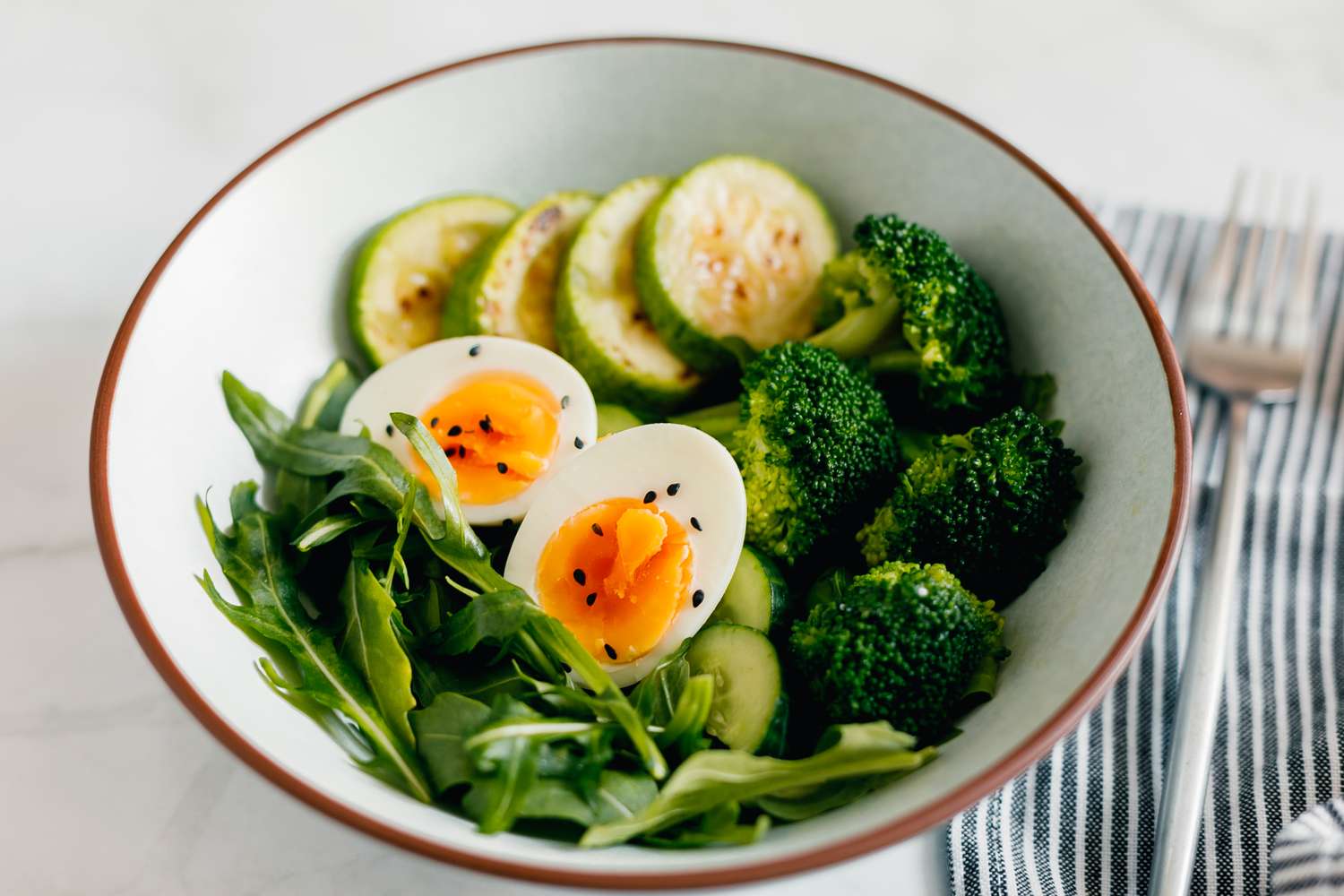
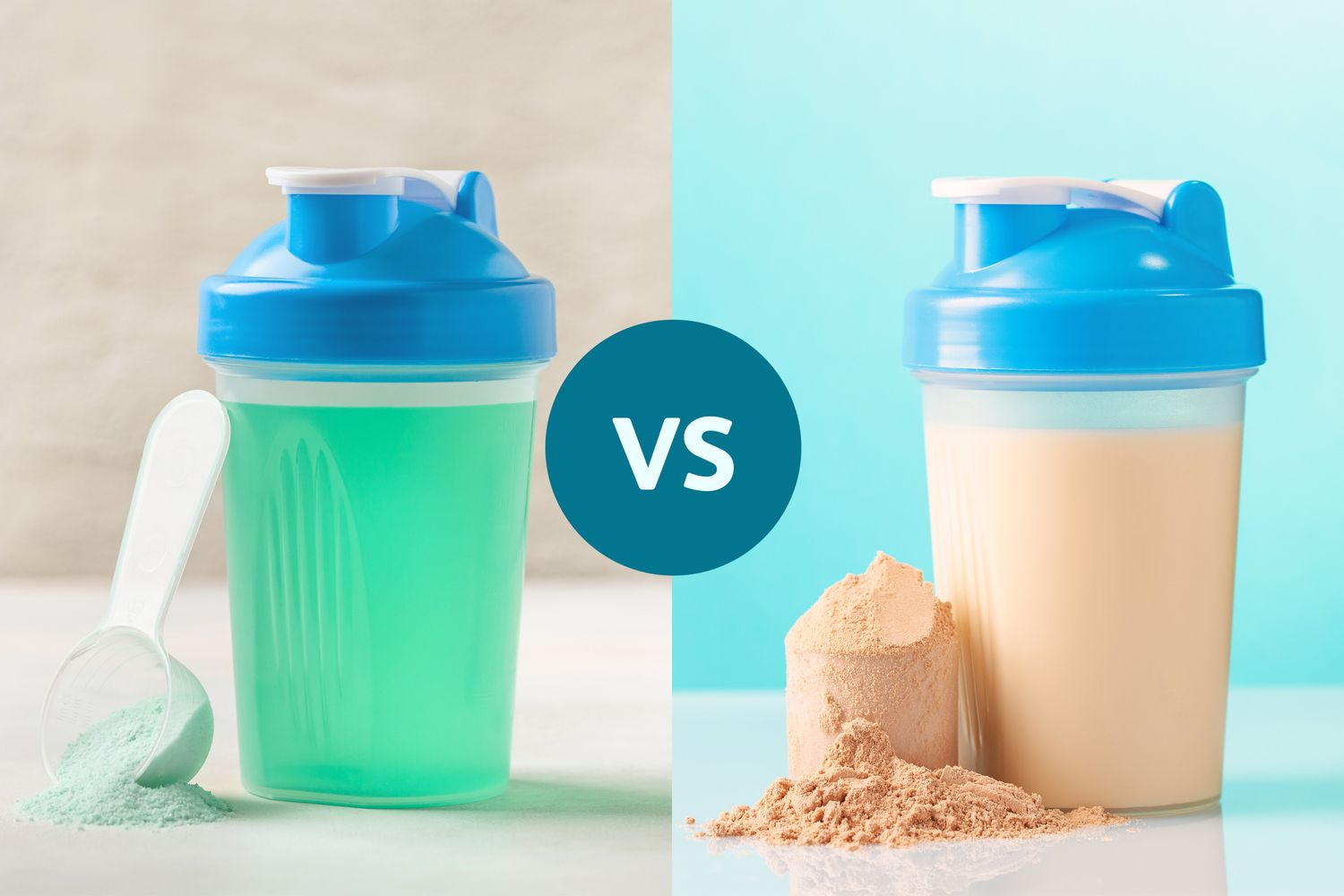
Use high-quality sources such as chicken breast, lean beef, fish, eggs, and whey protein isolates. These sources provide the full spectrum of amino acids required to maintain nitrogen balance. If you find it difficult to eat large meals, supplemental protein shakes can be a useful tool to hit your protein intake to maintain muscle on GLP-1 without feeling overly full.
The Resistance Blueprint: Training for Longevity
Resistance training for GLP-1 weight loss is not optional; it is a physiological requirement. While cardio is great for heart health, only resistance training provides the mechanical tension necessary to tell your brain that muscle tissue is still needed. The best resistance training exercises for GLP-1 users are compound exercises. These movements, like squats, deadlifts, presses, and rows, use multiple joints and muscle groups simultaneously, providing the greatest hormonal response and muscle retention for your time spent in the gym.
You should establish a consistent strength training frequency for GLP-1 patients of at least two to three days per week. For those with more experience, four to five days can provide even better results. The key is progressive overload—gradually increasing the weight, frequency, or number of repetitions in your strength training routine. This ensures that the muscle is constantly challenged to adapt.
Sample 3-Day Strength Split for GLP-1 Users
| Day | Focus | Core Movements | Rep Range |
|---|---|---|---|
| Day 1 | Lower Body | Goblet Squats, Lunges, Glute Bridges | 8–12 |
| Day 2 | Upper Body | Push-ups, Dumbbell Rows, Overhead Press | 8–12 |
| Day 3 | Full Body | Deadlifts, Planks, Step-ups | 10–15 |

During each set, aim for a hypertrophy rep range of 8 to 12 repetitions. You should reach a point where the last two reps are difficult but still performed with good form. This level of intensity signals the body to maintain its lean body mass even while the scale weight is dropping.
Adaptive Training: Managing Side Effects with RPE
Taking medications like semaglutide can sometimes result in days where energy is low or nausea is high. This is where the Rate of Perceived Exertion (RPE) scale becomes your most valuable tool. Instead of sticking to a rigid weight on the bar, adjust your intensity based on how you feel that day. On a scale of 1 to 10, your working sets should usually land between a 7 and 8. If you are feeling particularly fatigued, dropping to a 5 or 6 and focusing on functional mobility and lighter movements is better than skipping the session entirely.
In a prospective six-month study of 200 adults, those who combined GLP-1 medications with supervised strength training and high protein intake lost approximately 13 percent of their total body weight while limiting muscle mass loss to only 3 percent. This proves that while the medication drives the weight loss, the training drives the quality of that weight loss.
If you are just starting, look into strength training for beginners on GLP-1 medications that emphasizes bodyweight movements first. An at-home resistance training routine for GLP-1 weight loss using resistance bands or dumbbells can be just as effective as a commercial gym membership, provided you maintain that stimulus and consistency.
Beyond the Scale: Tracking Body Composition
A standard scale is a blunt instrument. It cannot tell the difference between 5 pounds of fat and 5 pounds of muscle. For anyone on a GLP-1, tracking body composition vs weight on GLP-1 medications is essential. This is why many performance coaches recommend a DXA scan every three to six months. This clinical-grade scan provides a detailed breakdown of your bone density, fat mass, and lean body mass.
If you see the scale going down but your lean body mass is also plummeting, it is a sign that you need to increase your strength training frequency for patients on semaglutide or boost your protein intake. Focus on non-scale victories, such as your clothes fitting better, improved energy levels, or the ability to lift heavier weights in the gym. These are the true markers of a successful body transformation.

FAQ
Do GLP-1 medications cause muscle loss?
GLP-1 medications themselves do not directly attack muscle tissue, but the rapid weight loss and severe caloric deficit they induce often lead to the body breaking down muscle for energy. Without resistance training and high protein intake, a significant portion of the weight lost can come from lean tissue.
How can I prevent muscle loss while taking GLP-1 drugs?
The most effective way to prevent muscle loss is to combine a high-protein diet with regular resistance training. You must provide the body with the building blocks (protein) and the mechanical signal (lifting weights) to keep your muscle tissue while burning fat.
How much protein should I eat to avoid muscle loss on a GLP-1?
Most clinical experts recommend a range of 1.2 to 2.0 grams of protein per kilogram of body weight. For a person weighing 80 kilograms, this equates to 96 to 160 grams of protein per day, distributed across multiple meals.
Does resistance training prevent muscle loss while on GLP-1s?
Yes, resistance training is the most powerful tool for muscle preservation. It signals the body that muscle tissue is functionally necessary, preventing the body from catabolizing it during a caloric deficit. It also helps maintain your basal metabolic rate.
How do I know if I am losing muscle or fat while on a GLP-1?
While a standard scale shows total weight, a DXA scan or bioelectrical impedance analysis (BIA) can track changes in body composition. Physical signs of muscle loss include significant drops in strength, persistent fatigue, and a "soft" appearance despite a lower weight.
The journey on GLP-1 medications is a marathon, not a sprint. By prioritizing the preservation of your lean body mass through targeted resistance training and aggressive protein goals, you aren't just losing weight—you are building a stronger, more resilient body that can maintain those results for a lifetime.