Quick Facts
- Muscle Loss Risk: Clinical data shows that approximately 25% to 40% of total weight lost on GLP-1 medications can come from lean body mass.
- The Golden Rule: A minimum of 60 to 90 minutes of resistance training per week is required to signal the body to retain muscle tissue.
- Protein Target: Aim for 1.2 to 2.0 g/kg of adjusted body weight to maximize muscle protein synthesis and prevent wasting.
- The Leucine Rule: Ensure each meal contains 2.5 to 3 grams of leucine to effectively trigger the anabolic pathways necessary for hypertrophy.
- Functional Longevity: Maintaining muscle during rapid weight loss prevents metabolic adaptation and ensures long-term physical independence.
- Skeletal Health: Weight-bearing exercises are necessary to counteract the potential decline in bone density associated with rapid weight reduction.
Strength training is non-negotiable for GLP-1 users because rapid weight loss on drugs like Ozempic often results in significant muscle wasting. Incorporating glp-1 strength training ensures that weight reduction targets fat while preserving lean body mass and skeletal health.
The Sarcopenia Threat: Why GLP-1 Users Lose Muscle
We are currently witnessing a metabolic crisis in the world of weight loss. While drugs like semaglutide and tirzepatide are revolutionary for obesity management, they come with a significant catch: the body does not naturally distinguish between burning fat and breaking down muscle when in a massive caloric deficit. In the 68-week STEP 1 clinical trial, participants using a weekly 2.4 mg dose of semaglutide lost an average of 6.9 kg of lean mass, which accounted for nearly 40% of their total weight reduction. This phenomenon is often referred to as medication-induced sarcopenia.
When you lose lean body mass at this rate, your basal metabolic rate plummets. Muscle is metabolically active tissue; it burns calories even when you are at rest. If you lose a third of your muscle mass along with the fat, your body undergoes metabolic adaptation, making it much easier to regain weight once the medication is tapered or stopped. This is why preventing muscle loss on glp-1 is the most critical pillar of your transformation.
The benefits of strength training while on ozempic extend beyond just aesthetics. Muscle is our primary engine for glucose disposal and functional mobility. Without a stimulus to keep that muscle, users may find themselves lighter on the scale but physically weaker, struggling with everyday tasks like carrying groceries or climbing stairs. The goal of any successful weight loss intervention should be a better body composition, not just a lower number on the scale.

The Resistance Training Protocol for Wegovy and Ozempic
To combat muscle wasting, you must provide a mechanical reason for your body to keep its muscle. This requires a structured glp-1 weight loss exercise plan that prioritizes heavy, compound movements. Research indicates that structured resistance training can shift the weight loss ratio significantly, ensuring that 80% to 85% of total weight lost is fat mass, compared to only 60% in sedentary individuals.
For those wondering how many days a week to lift weights on glp-1, the evidence suggests a minimum of three sessions per week. These sessions do not need to be marathon events, but they must be high-intensity and involve progressive overload. This means gradually increasing the weight, frequency, or number of repetitions in your strength training routine.
A Beginner Resistance Training Routine for GLP-1 Patients
A balanced routine should focus on movements that recruit multiple muscle groups simultaneously. This approach provides the greatest hormonal and mechanical stimulus for muscle protein synthesis.
- Squats or Leg Presses: Essential for maintaining lower body strength and bone density in the hips.
- Deadlifts or Hinges: Critical for posterior chain health and functional lifting.
- Pushing Movements: Chest presses or overhead presses to maintain upper body mass.
- Pulling Movements: Rows or lat pulldowns to support posture and back strength.
- Core Stability: Planks or carries to ensure spinal health as your center of gravity shifts.
Resistance training for wegovy users also serves as a vital safeguard for skeletal health. Rapid weight loss is frequently associated with a decline in bone mineral density. By applying mechanical stress to the bones through weight-bearing exercises, you are essentially preventing bone density loss on ozempic through exercise. This is a long-term investment in preventing fractures and osteoporosis later in life.
Nutritional Support: The Leucine Rule and Protein Timing
Training hard is only half the battle. To actually repair and build tissue, you need the right raw materials. This is where many patients fail. GLP-1 medications work by slowing gastric emptying and suppressing appetite, which makes it incredibly difficult to consume enough protein requirements for glp-1 strength training.
The most effective strategy is the Protein First rule. Because you will feel full quickly, you must consume your protein source at the beginning of every meal. Aim for a daily intake of 1.2 to 2.0 grams of protein per kilogram of adjusted body weight. If you weigh 90kg, you should be targeting roughly 110 to 180 grams of protein daily to maintain your lean body mass.
Triggering Muscle Protein Synthesis
To maximize hypertrophy and recovery, you need to understand the leucine rule. Leucine is an essential amino acid that acts as a chemical switch for muscle protein synthesis.
- Threshold: You need approximately 2.5 to 3 grams of leucine per meal to "flip the switch."
- Sources: This usually equates to 30 grams of high-quality whey protein, 150 grams of chicken breast, or 4-5 large eggs.
- Timing: Spread your protein intake across 3 to 5 meals throughout the day rather than consuming it all at once. This ensures that muscle protein synthesis remains elevated for as long as possible.

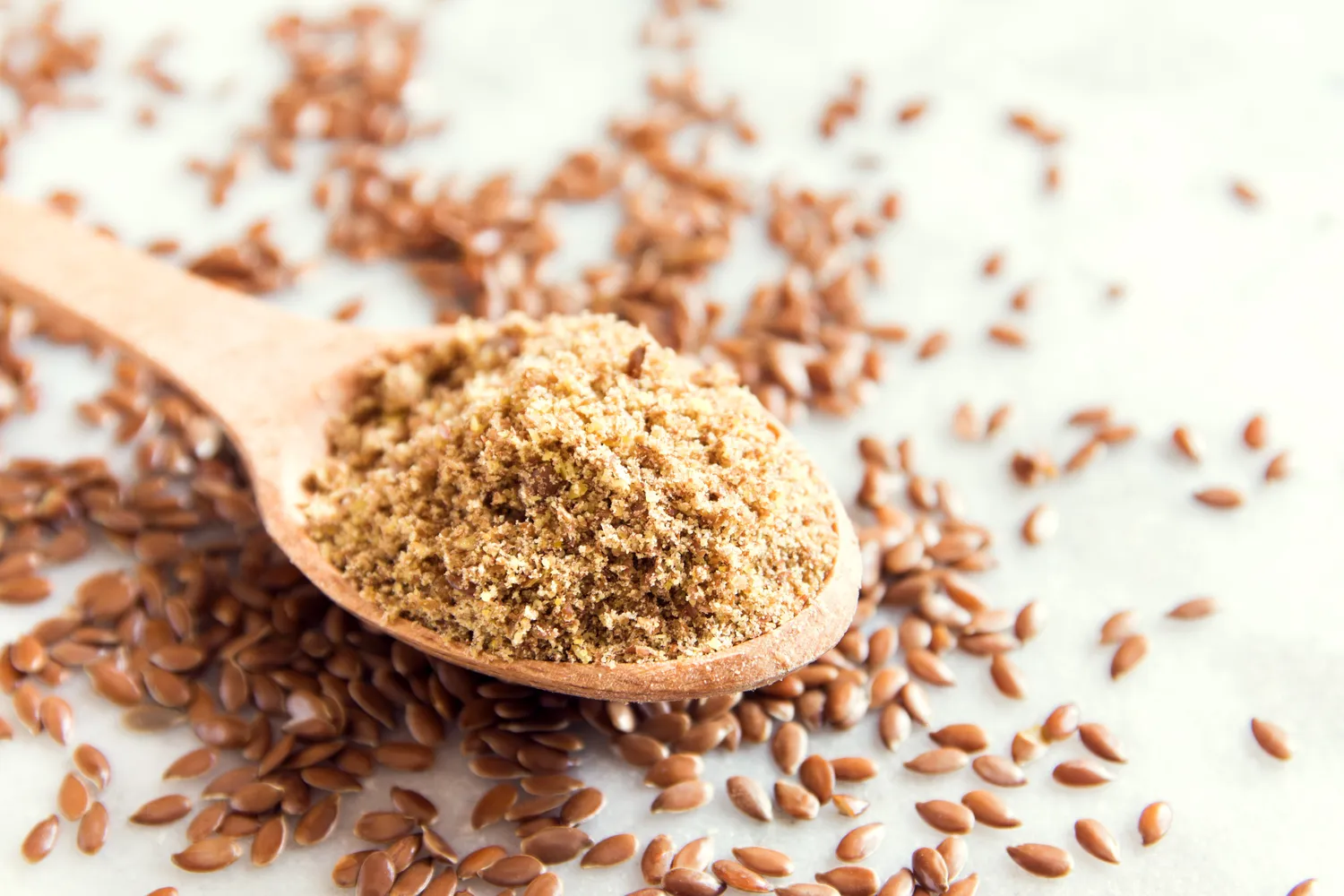
In addition to protein, do not ignore the role of micronutrients and healthy fats. Small additions like flaxseeds or chia seeds increase nutrient density and support hormonal health, which is often disrupted during a caloric deficit.
Maintaining this high protein intake is often the hardest part for those on semaglutide. If solid food becomes a struggle, utilize high-quality protein isolates or plant-based options like edamame to hit your targets without feeling overly stuffed.

Monitoring Success Beyond the Scale
When you are engaged in glp-1 strength training, the scale becomes a less reliable narrator of your progress. Because muscle is much denser than fat, you may find your weight loss slowing down even as your body composition improves dramatically. This is why we recommend moving beyond the standard scale and BMI.
Using a DEXA scan every 3 to 6 months is the gold standard for tracking progress. A DEXA scan provides a clear breakdown of exactly how much fat you have lost versus how much lean body mass you have preserved. If your scan shows that you are losing fat while keeping your muscle, your protocol is working perfectly, regardless of what the bathroom scale says.
You should also track functional markers of success. Ask yourself these questions:
- Am I getting stronger in my compound movements at the gym?
- Is my energy level stable throughout the day?
- Can I perform daily activities, like carrying heavy laundry or climbing stairs, with more ease?
- Am I managing fatigue during strength training on glp-1 medications effectively?
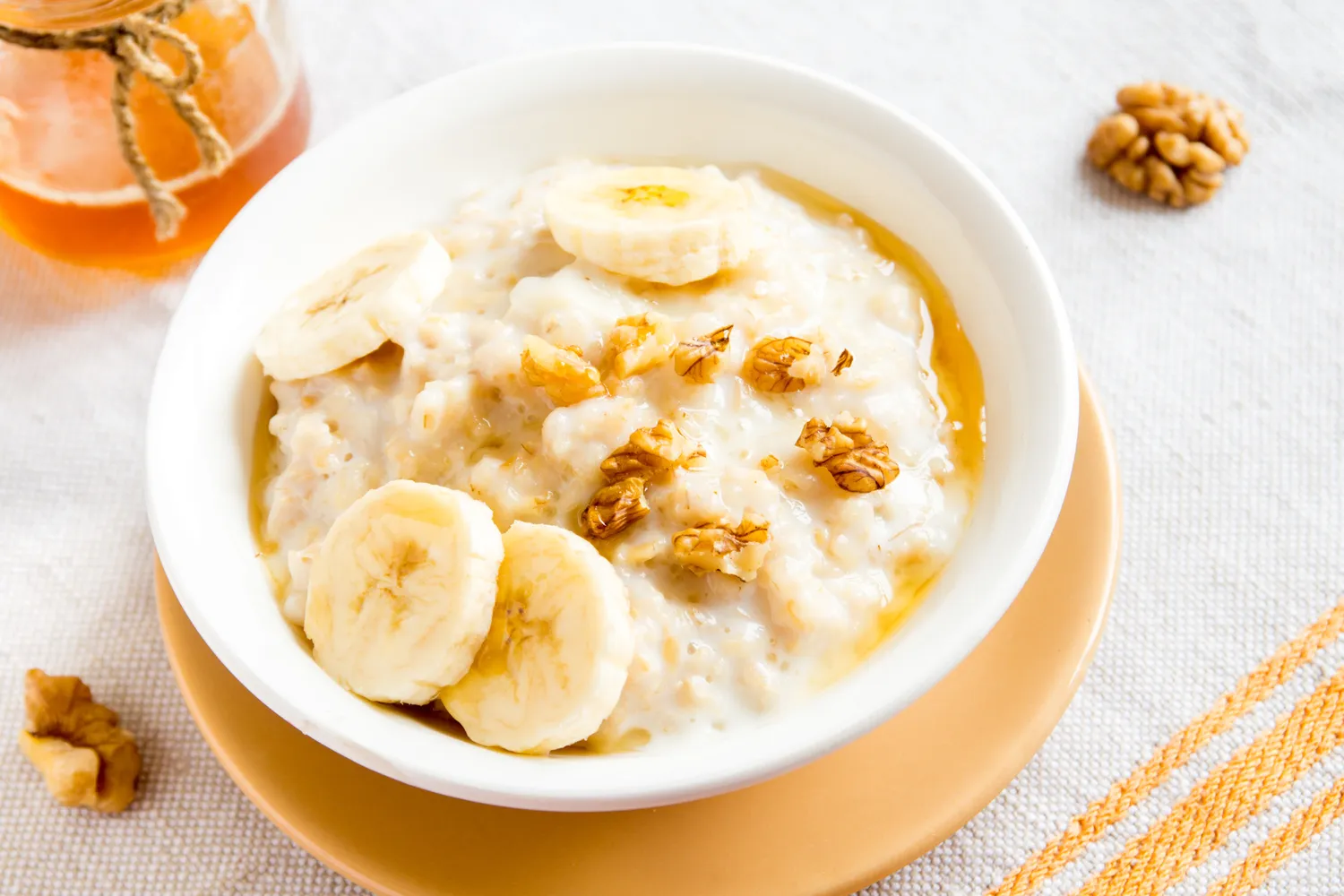
Managing fatigue is a common challenge. GLP-1 medications can sometimes lead to lethargy due to lower caloric intake. To combat this, ensure you are timing your complex carbohydrates around your workout window. A small bowl of oatmeal or a piece of fruit an hour before lifting can provide the glycogen necessary to power through a high-intensity session.
FAQ
Should I do strength training while on GLP-1?
Yes, strength training is essential. Without it, a significant portion of the weight you lose will be muscle and bone, which can damage your long-term metabolism and physical function. Lifting weights signals your body to prioritize fat burning while sparing your lean tissue.
Does GLP-1 medication cause muscle loss?
The medication itself does not directly "eat" muscle, but the rapid weight loss and reduced appetite it creates often lead to a massive caloric and protein deficit. Without the stimulus of resistance training, the body breaks down muscle tissue for energy, leading to a loss of lean body mass.
How often should you lift weights while taking GLP-1?
For most users, three days a week of full-body resistance training is the sweet spot. This allows for adequate recovery—which may be slower on these medications—while providing enough stimulus to maintain muscle protein synthesis.
Can strength training prevent muscle mass loss on weight loss drugs?
While it may not prevent 100% of lean mass loss in every individual, incorporating structured resistance training and high protein intake can ensure that the vast majority of weight lost comes from fat. It is the most effective tool available to protect your body composition.
Do I need more protein for strength training on GLP-1?
Yes, because your total calorie intake is lower, protein must make up a higher percentage of your diet. You should aim for 1.2 to 2.0 grams of protein per kilogram of body weight to support muscle repair and prevent the wasting associated with semaglutide and tirzepatide.