Quick Facts
- Risk Factor: Without intervention, approximately 20% to 50% of the total weight lost on GLP-1 medications can come from lean body mass rather than fat.
- The Solution: Engaging in resistance training two to four times per week creates the necessary stimulus for muscle protein synthesis to counteract drug-induced muscle wasting.
- Metabolic Preservation: Strength training helps maintain a healthy metabolic rate, preventing the metabolic adaptation that often leads to rapid weight regain after ending therapy.
- Protein Target: To support muscle health, a daily intake of 1.2 to 1.6 grams of protein per kilogram of body weight is the clinical standard for those on GLP-1 therapy.
- Quality of Loss: Combining resistance training with high protein intake can shift the ratio so that 80% to 85% of weight loss comes from fat mass, compared to just 60% in sedentary individuals.
- Key Monitoring: Utilizing dexa scan tracking for glp-1 body recomposition provides an accurate picture of fat-free mass index and bone mineral density beyond what a standard scale can offer.
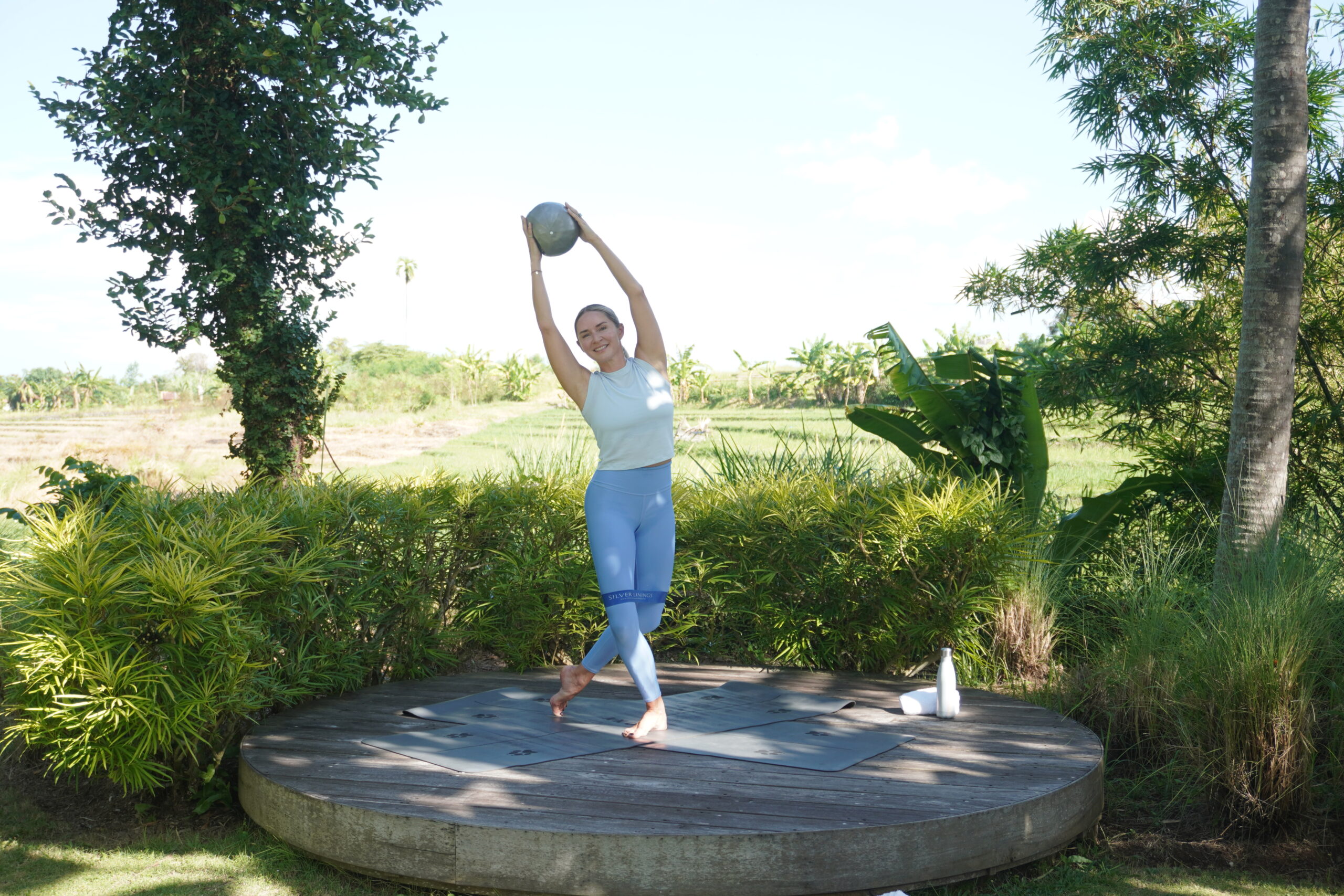
GLP-1 strength training is essential because it prevents the metabolic slowdown and functional decline associated with rapid muscle loss, ensuring that weight loss primarily targets fat stores rather than functional muscle tissue. By prioritizing resistance training, patients can avoid sarcopenic obesity and build a sustainable metabolic foundation for long-term weight maintenance.
The Muscle Crisis: Why GLP-1s Demand Resistance Training
As a performance editor, I’ve spent years looking at how athletes optimize their power-to-weight ratios. In the world of clinical weight loss, we are seeing a massive shift in how people drop pounds, but there is a hidden cost that isn't being discussed enough in the mainstream media. When you use medications like semaglutide or tirzepatide, the weight comes off fast—sometimes too fast for the body to preserve its most valuable metabolic asset: skeletal muscle.
Clinical data suggests that the "easy" weight loss provided by these agonists isn't always "healthy" weight loss. For example, in a substudy of the SURMOUNT-1 clinical trial, participants treated with tirzepatide lost an average of 10.9% of their lean mass, which accounted for roughly 25% of their total weight loss. This is the core of the muscle crisis. When you lose muscle, your metabolic rate drops. Muscle is metabolically expensive tissue; it burns calories even when you are sleeping. If you strip it away, you are essentially lowering your body's "engine size," making it much harder to keep the weight off once the medication protocol ends.
The danger here is a condition known as sarcopenic obesity. This occurs when an individual reaches a "normal" weight on the scale, but their body fat percentage remains high because a significant portion of the weight lost was muscle. This leaves the individual weaker, more prone to injury, and with a compromised metabolic rate. This is why preventing muscle loss on glp-1 is not just an aesthetic choice—it is a physiological necessity. Strength training serves as metabolic insurance, signaling to the body that the lean mass is functional and must be preserved even in a state of deep caloric deficit.
Signs of Muscle Loss to Watch For
If you are currently on a GLP-1 medication, keep a close eye on these red flags that suggest you are losing lean mass rather than fat:
- A sudden and noticeable drop in grip strength when performing daily tasks.
- Increased hair thinning or brittle nails, often a sign of inadequate protein and high physiological stress.
- Feeling "skinny fat" or noticing a lack of muscle tone despite significant scale weight loss.
- A plateau in weight loss that occurs because your metabolic rate has slowed down too significantly.
- Fatigue during functional movements, like climbing stairs or carrying groceries, that feels disproportionate to your weight loss.
The Protocol: Best Resistance Exercises for GLP-1 Patients
When patients ask me how to start strength training on glp-1 meds, I tell them to stop thinking about "toning" and start thinking about hypertrophy. To keep your muscle, you have to give the body a reason to hold onto it. This requires a specific strength training frequency for weight loss medications that balances intensity with the reality of reduced caloric intake.
The gold standard is two to four sessions per week. Any less, and you aren't providing a frequent enough stimulus for muscle protein synthesis. Any more, and you may struggle with recovery due to the systemic fatigue and reduced appetite common with these drugs.
The focus should be on compound movements. These are exercises that work multiple joints and muscle groups simultaneously, such as squats, deadlifts, overhead presses, and rows. These movements recruit the most muscle fibers and trigger a more significant hormonal response, which is crucial for maintaining bone mineral density and functional mobility.
Comparison: Muscle vs. Fat Loss Outcomes
| Metric | GLP-1 Alone (Sedentary) | GLP-1 + Resistance Training |
|---|---|---|
| Fat Mass Loss % | ~60% of total weight | ~80% to 85% of total weight |
| Lean Mass Loss % | 20% to 50% | ~15% to 20% |
| Resting Metabolic Rate | Significant Decrease | Preserved or Increased |
| Long-term Success | High Risk of Regain | Sustained Maintenance |
One hurdle many face is exercise anhedonia—a blunting of the "reward" or "high" typically associated with a workout. Because GLP-1s affect dopamine pathways, the "gym high" might feel out of reach. This is where discipline must replace motivation. Following a structured plan focused on progressive overload—gradually increasing the weight, frequency, or number of repetitions—is the only way to ensure the best resistance exercises for glp-1 lean mass actually yield results.
Nutrition as the Catalyst: Protein Pacing and the Leucine Threshold
Resistance training is the hammer, but protein is the nail. Without adequate amino acids, your efforts in the gym will be wasted. Many people on weight loss medications struggle with a total aversion to food, making it difficult to hit the required targets for preserving lean mass during glp-1 therapy.
To combat this, I recommend a protocol of protein pacing for muscle preservation on glp-1. This involves spreading your protein intake across four to five small meals throughout the day. Each meal should aim to hit the "Leucine Threshold"—approximately 2.5 to 3 grams of the amino acid leucine—which acts as the biological trigger for muscle protein synthesis. For most people, this equates to 25–40 grams of high-quality protein per meal.
If solid food is a struggle due to nausea, transition to high-quality liquid protein sources. Whey isolate or collagen peptides mixed with a dash of leucine can help you meet your requirements without the gastric distress of a heavy steak. You should aim for a range of 1.2 to 1.6 grams of protein per kilogram of body weight. Use your goal weight or "adjusted body weight" to calculate this if you have a significant amount of weight to lose, ensuring you aren't under-eating the very nutrients that protect your heart and skeletal muscle.
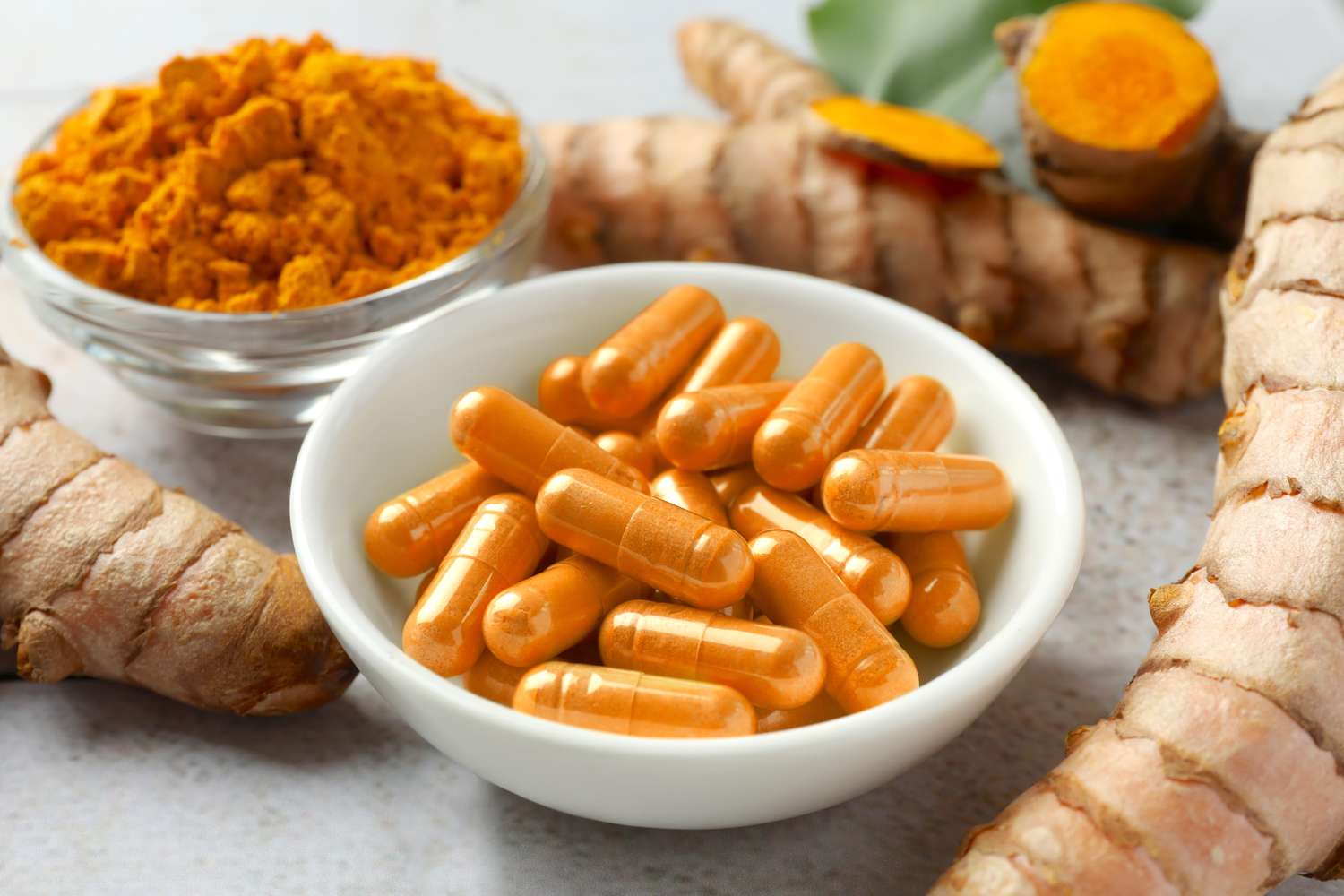
Managing systemic inflammation is another key component of the nutritional protocol. As you increase your training intensity, your body may face higher levels of oxidative stress. Integrating anti-inflammatory markers through nutrient density—think leafy greens, berries, and omega-3 fatty acids—can help manage the IL-6 pathways and support recovery.
Beyond the Scale: Monitoring Body Recomposition
If you only use a bathroom scale, you are flying blind. A scale cannot tell the difference between five pounds of visceral fat and five pounds of quadriceps muscle. For anyone serious about preventing sarcopenia during glp-1 therapy, more advanced tracking is required.
I strongly advocate for dexa scan tracking for glp-1 body recomposition. A DEXA scan provides a precise breakdown of your fat mass, lean tissue, and bone mineral density. Getting a baseline scan when you start medication and follow-up scans every three to six months allows you to adjust your training and nutrition in real-time. If you see your lean mass dropping significantly, it’s a sign to increase your resistance training for weight loss medications and check your protein intake.
Furthermore, pay attention to your fat-free mass index. This is a more accurate health marker than BMI because it focuses specifically on the weight of your muscles and bones. If your fat-free mass index is dropping alongside your fat mass, you are likely in a catabolic state that will lead to metabolic adaptation and a lower metabolic rate. Clinical proxies, like grip strength testing, are also excellent, low-cost ways to ensure your functional strength is trending upward even as your total body weight goes down.
Remember, the goal is not just to be smaller; the goal is to be healthier. True success on GLP-1 medications is defined by a transformed body composition where you have less fat but maintain the strength and vitality of your lean tissue.
FAQ
Does GLP-1 cause muscle loss?
Yes, clinical trials show that GLP-1 receptor agonists can lead to a significant loss of lean body mass. Without resistance training and high protein intake, between 20% and 50% of the weight lost can come from muscle and other non-fat tissues. This is largely due to the rapid weight loss and reduced caloric intake associated with the medication.
How can I prevent muscle loss while taking GLP-1 medications?
The most effective way to prevent muscle loss is to combine consistent resistance training with a high-protein diet. Aim for 1.2 to 1.6 grams of protein per kilogram of body weight and perform strength training sessions that focus on compound movements. This provides the stimulus and the raw materials needed for muscle protein synthesis.
How often should I lift weights while on GLP-1?
A strength training frequency for weight loss medications of two to four times per week is generally recommended. This frequency is enough to stimulate muscle growth and preservation while allowing for adequate recovery, which can be slower when you are in a significant caloric deficit.
Why is resistance training important when taking GLP-1?
Resistance training is vital because it protects your metabolic rate and prevents sarcopenic obesity. By maintaining muscle mass, you ensure that your body continues to burn calories efficiently, which is critical for long-term weight maintenance and overall functional health after you stop taking the medication.
How much protein do I need for strength training on GLP-1?
Most experts recommend consuming between 1.2 and 1.6 grams of protein per kilogram of body weight. It is also beneficial to ensure each meal contains enough leucine to trigger the muscle-building process, typically around 25 to 40 grams of protein per sitting.