Quick Facts
- Primary Metric: Grip strength is a powerful biomarker of aging and overall neuromuscular health.
- Mortality Predictor: Research shows every 7kg increase in grip strength correlates with a 12% lower mortality risk.
- Functional Benchmark: A 60-second dead hang is the gold standard for functional bodyweight endurance.
- Sarcopenia Indicator: Weakness in grip often precedes visible muscle loss and frailty.
- Heart Health Link: Grip strength is a more powerful predictor of cardiovascular death than systolic blood pressure.
- Biological Age: Higher grip strength is consistently associated with lower risks of chronic disease and increased physical resilience.
Grip strength serves as a powerful biomarker for overall health and biological age because it reflects the integrated function of the muscular, nervous, and cardiovascular systems. Research indicates that higher grip strength is associated with a lower risk of chronic diseases, improved cognitive health, and increased physical resilience. As a predictor of mortality, it often outperforms traditional markers like body mass index or blood pressure, making it an essential metric for monitoring long-term functional independence.
Why Your Hands Reveal Your Biological Age
When you shake someone’s hand, you aren't just feeling muscle; you are witnessing the end result of a complex neurological event. We often think of strength as something localized in the biceps or quads, but your grip is actually the distal end of what scientists call neuromuscular drive. This refers to the efficiency with which your brain sends signals through the nervous system to the muscles. Because your hands require fine motor control and high-force output, they are the first to show signs when this communication system begins to degrade.
For most adults, the silent process of Sarcopenia—the age-related loss of muscle mass and quality—begins as early as age 30. While you might not notice a slight loss of thigh muscle in your daily life, your grip strength for longevity acts as the canary in the coal mine. It is one of the most reliable ways to track your biological age, which is the actual physiological state of your body versus the number of candles on your birthday cake. If your grip is weakening faster than your peers, it may indicate that your systemic health is declining at an accelerated rate.
Maintaining grip strength for maintaining independence as you age is not just about opening jars or carrying groceries. It is a fundamental indicator of your physical resilience. When the body faces a stressor, such as a fall or a sudden illness, those with higher baseline strength and better neuromuscular drive tend to recover faster and more completely. Essentially, your hands are a window into your body’s internal reserve of vitality.
Grip Strength vs. BMI: Which Metric Matters More?
For decades, the Body Mass Index (BMI) has been the gold standard for assessing health in clinical settings. However, BMI is a blunt instrument. It measures total mass relative to height but fails to differentiate between muscle and fat, nor does it account for how well your body actually functions. This is where grip strength benefits truly shine as a more nuanced metric.
Unlike BMI, which only looks at your physical "footprint," grip strength measures your functional capacity. A person might have a healthy BMI but possess very little muscle mass or poor neural signaling, a condition sometimes referred to as "skinny fat." In contrast, your grip provides a direct snapshot of your muscular quality and neural health.
The data supporting this is significant. The 2015 Prospective Urban Rural Epidemiology (PURE) study, which analyzed nearly 140,000 adults across 17 countries, found that grip strength was a more powerful predictor of all-cause mortality and cardiovascular death than systolic blood pressure. While blood pressure tells us about the state of our arteries, grip strength tells us about the vitality of the entire human machine. This suggests that is grip strength a better metric than BMI for many individuals looking to assess their long-term health risks, as it bridges the gap between epidemiological research and actual physical performance.
How to Measure Your Grip Strength at Home
You do not need an expensive handheld dynamometer to get a baseline reading of your capabilities. While clinical tools are the most precise, you can assess your functional capacity using items you likely already have. Monitoring these functional capabilities can reveal early signs of declining physical capacity before more obvious symptoms emerge.
- The Scale Squeeze: Place a standard bathroom scale on a table at waist height. Stand comfortably and grip the scale with one hand, placing your thumb on the bottom and your fingers on the top. Squeeze as hard as you can for three seconds. The "weight" displayed on the scale gives you a rough estimate of your peak force in kilograms or pounds.
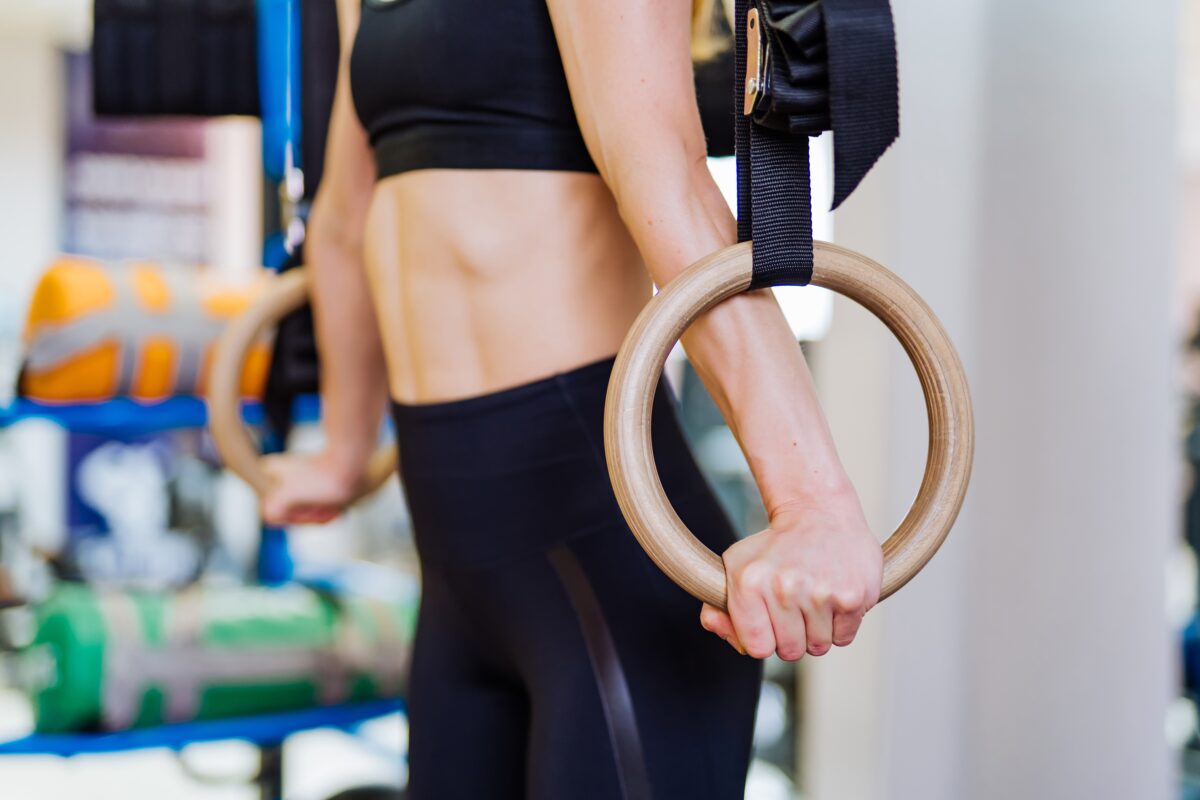
- The Functional Dead Hang: This is perhaps the best real-world test for improving functional grip strength. Using a sturdy pull-up bar, hang with both hands using an overhand grip. Your goal is to see how long you can hold your full body weight before your grip gives out. This test evaluates not just your hands, but your scapular stability and core tension.
- The Tennis Ball Compression: While less scientific, a tennis ball can serve as a simple at-home grip strength tests without equipment. If you can fully compress a standard tennis ball so that the sides touch, you likely possess adequate grip force for daily tasks. However, if the ball feels nearly unyielding, it may be time to incorporate more dead hang benefits for grip into your routine.
Strength Benchmarks: How Do You Stack Up?
To understand where you stand, it is helpful to compare your results to established benchmarks. While individual needs vary based on body size and athletic goals, these kilogram-based targets provide a clear picture of your physical resilience.
| Category | Men (under 40) | Women (under 40) |
|---|---|---|
| Strong | >55 kg | >35 kg |
| Average | 45-55 kg | 30-35 kg |
| Below Average | <45 kg | <30 kg |
The stakes for falling below these averages are higher than most people realize. Research indicates that each 5-kilogram decrease in grip strength is associated with a 16% higher risk of all-cause mortality and a 17% increase in the risk of cardiovascular-related death. Furthermore, a meta-analysis of 42 studies found that individuals with low grip strength have a 67% higher risk of early death from all causes compared to those with high grip strength. These numbers highlight why maintaining your biological age through strength training is a non-negotiable part of longevity.
The 5-Minute Daily Grip Circuit for Beginners
Improving your grip is most effective through consistent, integrated movements rather than isolated hand-squeezer gadgets. The goal is to challenge the hands while simultaneously engaging the core and stabilizing the shoulders. This approach ensures that you develop functional strength that translates to real-world tasks.
Try this 5 minute grip strength circuit for beginners three times a week. It focuses on progressive overload and connective tissue adaptation to ensure you build grip strength for wrist stability and injury prevention.
- Active Dead Hangs (2 rounds of 30-45 seconds): Hang from a bar, but instead of just dangling, pull your shoulder blades down and back. This engages the larger muscles of the back and provides better scapular stability. This is one of the most effective dead hang benefits for grip as it builds endurance under load.
- Farmer's Carries (2 rounds of 50 feet): Pick up the heaviest pair of dumbbells or kettlebells you can safely hold. Walk with a tall posture, keeping your core tight and your shoulders level. These loaded carries mimic daily tasks like carrying heavy luggage or groceries.
- Finger Extensions (2 sets of 15 reps): Place a thick rubber band around the outside of your fingers and thumb. Open your hand as wide as possible against the resistance. This balances the "crushing" motion of gripping by strengthening the extensor muscles on the back of the forearm, helping with improving functional grip strength and preventing repetitive strain.
Consistency is key here. Connective tissues, like the tendons in your fingers and wrists, take longer to adapt than muscles. A "little and often" approach is far safer and more effective than one high-intensity session a month.
Safety Check: When Weakness is a Medical Red Flag
While most people can improve their grip through the exercises mentioned above, there are times when weakness is not just a fitness issue but a clinical one. If you notice a sudden drop in your ability to hold objects, or if you experience numbness and tingling in your palm or fingers, it is important to consult a professional.
Issues such as carpal tunnel syndrome, nerve compression in the neck, or even early-stage neurological conditions can manifest as a loss of grip strength. If the weakness is unilateral (only on one side) or accompanied by a loss of fine motor skills—like struggling to button a shirt—this is a sign that your neuromuscular drive may be compromised by a medical issue rather than just a lack of training. Always prioritize safety and listen to your body’s signals of physical resilience.
FAQ
Why is grip strength considered a key indicator of health?
Grip strength is a key indicator because it acts as a proxy for your overall muscle mass and the health of your central nervous system. It requires the brain, nerves, and muscles to work in perfect coordination. If one part of that system is failing due to chronic disease or aging, grip strength is often the first metric to decline, making it a reliable biomarker of aging.
Does grip strength correlate with a longer life expectancy?
Yes, extensive research shows a strong correlation. Individuals with higher grip strength generally have a lower risk of all-cause mortality. This is because strong grip often reflects a lifestyle of physical activity and a higher level of physical resilience, which helps the body survive and recover from health stressors later in life.
Is there a link between grip strength and heart health?
There is a significant link. Large-scale epidemiological research has shown that grip strength is a more accurate predictor of cardiovascular events, such as heart attacks or strokes, than traditional measures like systolic blood pressure. It reflects the systemic health of the body's muscular and vascular systems.
How does grip strength change as you age?
Grip strength typically peaks in a person's 30s and then begins a gradual decline. This decline is part of Sarcopenia, the natural loss of muscle mass. However, the rate of decline varies significantly based on physical activity levels. Those who engage in resistance training and functional movements can maintain high levels of grip strength well into their 70s and 80s.
How can you tell if your grip strength is weak?
You can tell your grip is weak if you struggle with common daily tasks, such as opening jars, carrying bags, or turning doorknobs. For a more objective measure, you can use the functional dead hang test; if you cannot support your own body weight for at least 15 to 30 seconds, it is a sign that your grip strength may be below the functional threshold for your age.