Quick Facts
- Primary Cause: Increased intracranial pressure and vasodilation during high intensity movement.
- The 15-Minute Rule: A gradual warm-up serves as the most effective non-pharmacological defense against pain.
- Hydration Threshold: Losing just 2% of your body water can trigger vascular triggers in the brain.
- Breathing Fix: Eliminating the Valsalva maneuver and adopting rhythmic patterns prevents sudden pressure spikes.
- Stop Threshold: Cease activity immediately if pain reaches a 7/10 on the diagnostic framework scale.
- Nutritional Support: Magnesium, Riboflavin, and CoQ10 are evidence-backed tools for exertion headache prevention.
Exercise headaches, often called primary exertion headaches, occur when physical activity causes blood vessels in the brain to dilate and intracranial pressure to increase. This guide covers how to stay pain-free during workouts by managing physiological stress through rhythmic breathing, steady electrolyte intake, and gradual warm-up protocols.
Understanding the Physiology: Why Workouts Trigger Pain
When you push your body to its limits, your cardiovascular system undergoes a dramatic transformation to meet the demand for oxygen. While we often focus on the muscles in our legs or chest, the most sensitive reaction happens within the skull. An exercise headache is fundamentally a vascular event. During heavy exertion, particularly heavy resistance sessions, your blood pressure can experience rapid blood pressure spikes. In some extreme lifting scenarios, internal pressures have been recorded as high as 400/300 mmHg. This surge forces the blood vessels in the brain to dilate rapidly to accommodate the flow, leading to increased intracranial pressure.
For most people, the autonomic nervous system manages these transitions seamlessly. However, the estimated lifetime prevalence of primary exercise headache in the general population is approximately 1%. These episodes are distinct from typical tension headaches. They are characterized by a duration ranging from five minutes to 48 hours and are directly precipitated by strenuous physical activity.
A major contributor to this pain is the Valsalva maneuver. This is the technical term for holding your breath while straining—common among weightlifters trying to stabilize their core. While it protects the spine, it creates a massive spike in thoracic pressure that prevents blood from leaving the brain efficiently. This "bottleneck" effect is one of the primary post-workout headache causes. Furthermore, research indicates that between one-third and two-thirds of individuals who experience primary exercise headaches also have a comorbid diagnosis of migraine, suggesting a shared sensitivity in vascular health.
The causes of sudden headache during high intensity interval training often involve this combination of internal pressure and sudden shifts in heart rate. If your body isn't given the chance to adapt through a gradual warm-up, the sudden vasodilation acts like a hammer against the sensitive linings of the brain. Understanding this "Rule of Too’s"—too much weight, too fast, with too little breath—is the first step toward lasting relief.
The Breathing Solution: Rhythmic Patterns for Prevention
If the cause of the pain is pressure, the solution is a release valve. Proper breathing techniques for exercise headaches focus on maintaining a steady CO2 balance and preventing the mechanical strain that leads to muscle guarding in the neck and shoulders. When you breathe shallowly through your chest, you activate the "fight or flight" response of the autonomic nervous system, which can constrict certain vessels while dilating others, creating a turbulent environment for your vascular health.
To maintain a stable aerobic threshold and keep the brain calm, athletes should focus on belly breathing. By utilizing the diaphragm, you ensure that oxygenation is maximized without the need for the neck muscles to "help" pull in air. This reduces cervicogenic triggers, where tension in the upper cervical spine mimics or triggers a cranial headache.
For those engaging in cardio, rhythmic breathing patterns for exercise headache prevention are essential. Runners often benefit from a 2:2 or 3:3 pattern (inhaling for two steps, exhaling for two steps). However, if you are prone to pain, try an asymmetrical 2:3 pattern. This ensures you aren't always exhaling on the same foot strike, which can reduce the impact-related jar to your head.
When lifting, the rule is simple: never hold your breath. If you are looking for how to prevent exertion headaches while lifting weights, focus on "exhaling through the stick point." If you are performing a squat, you should be exhaling forcefully as you drive upward. This prevents the Valsalva maneuver from building up that dangerous intracranial pressure.
In addition to active breathing, incorporating neck and shoulder stretches for workout-related tension headaches into your cool-down can prevent the lingering "muscle guarding" that often keeps a headache going for hours after the gym. Focus on the upper trapezius and levator scapulae muscles, which are notorious for referring pain directly to the temples and behind the eyes.
Nutritional & Metabolic Support: Beyond the Workout
As a vitamins and minerals editor, I cannot stress enough that your vascular system is only as resilient as the nutrients it has to work with. Many people think they are experiencing a primary exercise headache when they are actually suffering from a metabolic or electrolyte imbalance. Maintaining your hydration and electrolyte tips for exercise headache relief starts long before you hit the treadmill.
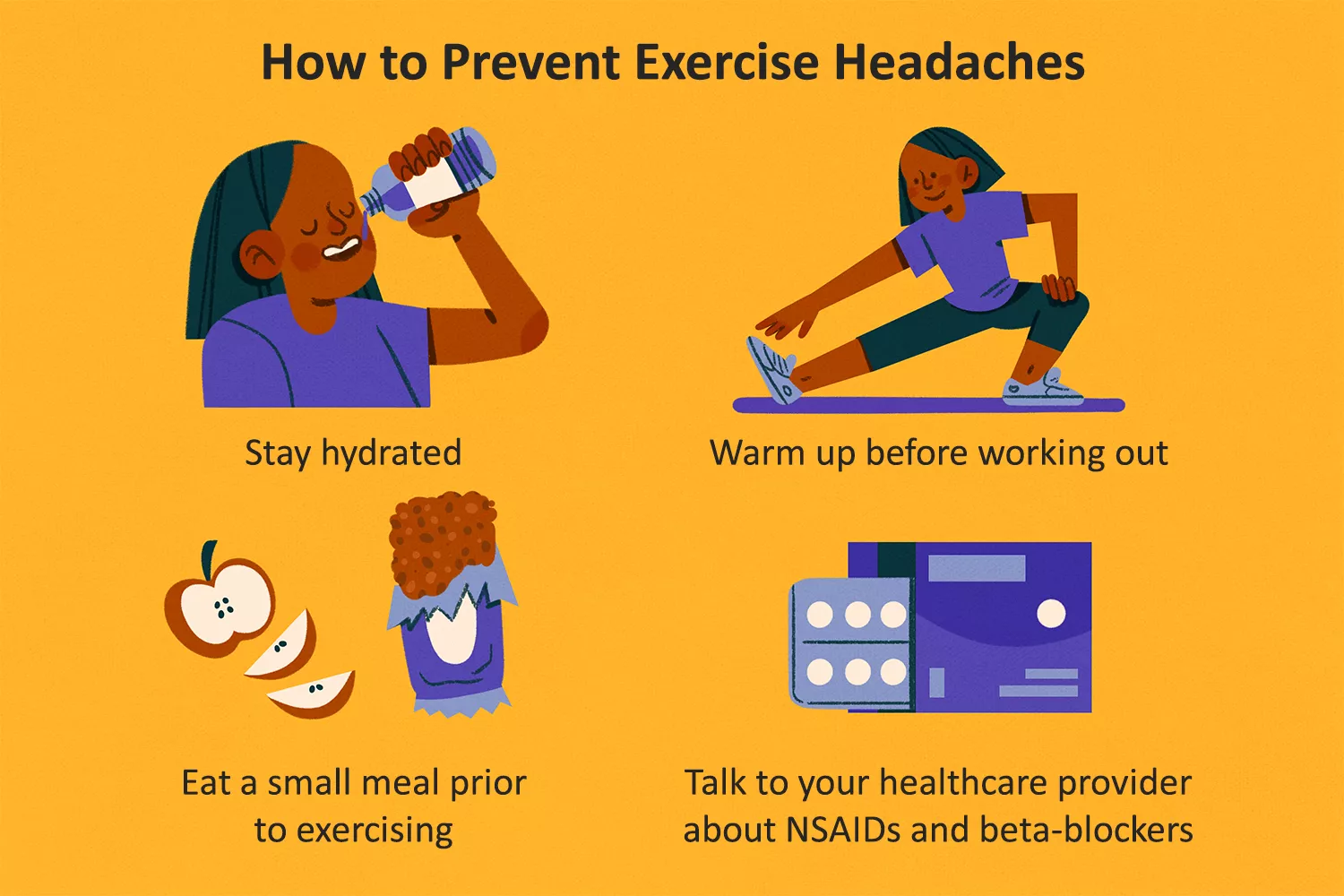
Dehydration is a potent trigger for vasodilation. When your blood volume drops, your heart has to work harder, and your blood vessels must adjust their tone to maintain pressure. Even a 2% loss in body water can lead to a throbbing sensation. I recommend a "hydration sandwich" protocol: 500ml of water two hours before exercise, 250ml every 20 minutes during, and 500ml afterward.
Specific micronutrients play a massive role in how your blood vessels react to stress:
- Magnesium (400mg daily): This mineral is a natural calcium channel blocker. It helps blood vessels relax and prevents the hyper-excitability of nerves that can lead to a migraine-like response. Magnesium deficiency is incredibly common in active individuals because we lose it through sweat.
- Riboflavin / Vitamin B2 (400mg daily): Riboflavin improves mitochondrial energy metabolism. Research suggests it can significantly reduce the frequency of vascular headaches by providing the brain with a more stable energy supply.
- Coenzyme Q10 (300mg daily): CoQ10 is vital for vascular health and has been shown in clinical trials to reduce the duration of exertion-related pain.
Furthermore, pay attention to your pre-workout nutrition to avoid low blood sugar headaches. Hypoglycemia (low blood glucose) causes the brain to release stress hormones that cause vasoconstriction followed by a rebound vasodilation. A small snack containing complex carbohydrates and a bit of protein 60 minutes before your session can keep your glucose levels within a safe zone, preventing this metabolic trigger.
When to Seek Medical Attention: Safety Protocols
While most exercise headaches are benign "primary" headaches, it is crucial to understand the difference between primary exertion headache and migraine or, more importantly, a "secondary" headache caused by an underlying medical condition. Because physical activity puts stress on the vascular system, it can occasionally unmask issues like an aneurysm or structural abnormality.
You should seek immediate neurological evaluation if you experience what is known as a "thunderclap" headache. This is a pain that reaches 10/10 intensity within seconds of beginning an activity. Unlike a primary exercise headache which builds as you work harder, a thunderclap headache feels like a literal explosion in the brain.
Consider a medical consultation if:
- The pain is accompanied by vomiting, neck stiffness, or double vision.
- This is the first time you have ever experienced such a headache (new onset after age 40).
- The headache lasts longer than 48 hours despite rest and hydration.
- You notice a loss of coordination or weakness on one side of the body.
For the 1% of the population dealing with primary issues, the 15-minute rule is your best friend. Start with very low-intensity movement and slowly ramp up your heart rate. This allows the autonomic nervous system to "dial in" the vascular tone of your brain gradually, rather than being shocked into a state of painful dilation.
FAQ
Why do I get a headache after exercising?
Most post-workout pain is caused by the rapid expansion of blood vessels in the brain due to increased blood pressure and heart rate. Other common triggers include dehydration, low blood sugar, or excessive tension in the neck and shoulder muscles that occurs during heavy lifting.
How can I prevent getting a headache while working out?
Focus on a gradual 15-minute warm-up to allow your vascular system to adapt. Maintain a steady rhythmic breathing pattern to avoid internal pressure spikes, and ensure you are hydrated with adequate electrolytes like magnesium and sodium to support blood vessel stability.
Are headaches during exercise a sign of something serious?
In the vast majority of cases, they are primary exertion headaches, which are painful but not dangerous. However, if a headache comes on suddenly like a "thunderclap" or is accompanied by neurological symptoms like blurred vision or confusion, it could indicate a secondary issue that requires medical attention.
What is the difference between a tension headache and an exercise headache?
A tension headache usually feels like a tight band around the head and is caused by muscle contractions. An exercise headache is typically throbbing and vascular in nature, occurring specifically during or immediately after strenuous physical exertion and lasting from five minutes to two days.
When should I see a doctor for exercise-related headaches?
You should see a doctor if your headaches are becoming more frequent, if they do not respond to lifestyle changes like better hydration and breathing, or if the pain is the "worst headache of your life." Any headache accompanied by fainting, weakness, or fever should be evaluated by a professional immediately.