Quick Facts
- Core Benefit: Natural liver detoxification and improved bile flow to facilitate seasonal transition.
- Primary Ingredients: Dandelion root, Burdock root, Nettle, and Cleavers.
- Preparation Time: 2-week infusion period in a cool, dark place.
- Shelf Life: Potent for up to 5 years when stored correctly in amber glass.
- Dosage: Half-teaspoon daily added to a small glass of water or tea.
- Key Mechanism: Bitter compounds stimulate digestive enzymes and bile production to process metabolic waste.
A spring herbal tincture is a concentrated extract of seasonal herbs like dandelion and burdock designed to support the liver's natural detoxification processes during the transition into spring. To make a spring herbal tincture for liver support, combine equal parts of fresh or dried chickweed, cleavers, nettle tops, and burdock root in a glass jar, covering them with high-proof alcohol to extract the medicinal compounds.

The Biological Why: Spring Renewal and Liver Function
In the world of holistic wellness and Traditional Chinese Medicine, spring is synonymous with the wood element and the liver organ system. As the world awakens from its winter slumber, our internal systems also experience a shift. This period marks a transition from the introspective, slower Yin energy of winter to the rising, active Yang energy of spring. Scientifically, this seasonal shift often coincides with changes in our metabolic rate and dietary patterns. Our bodies naturally attempt to shed the "heaviness" of winter, making it the ideal time to focus on liver support.
The liver is an essential organ responsible for performing more than 500 vital functions, including the detoxification of blood, the production of bile for digestion, and the regulation of blood sugar levels. When the liver is taxed by environmental pollutants, processed foods, or chronic stress, it can lead to a sense of seasonal sluggishness. Modern clinical research underscores the urgency of proactive liver care; for instance, metabolic dysfunction-associated steatotic liver disease (MASLD) currently affects approximately 16.1% of the global population, which is roughly one in six people worldwide.
By utilizing natural liver support herbs for spring renewal, we are not just following an ancient tradition; we are providing the biological tools necessary for the liver to filter metabolic waste more efficiently. During this transition, the liver works overtime to process fats and hormones that may have accumulated during the sedentary winter months. Supporting this process helps maintain metabolic health and prevents the systemic inflammation often associated with a congested hepatic system.
The Ingredients: Protectors and Movers
When selecting the best herbs for spring liver detox tincture, I categorize them into two functional groups: the Protectors and the Movers. A balanced liver support herbal recipe should include both to ensure the organ is shielded while its eliminative functions are stimulated.
The Protectors are known for their hepatoprotective properties. These plants contain compounds that stabilize liver cell membranes and promote the regeneration of damaged tissue. The Movers are primarily bitters and alteratives that stimulate bile flow and improve lymphatic drainage, ensuring that once toxins are processed, they are effectively moved out of the body.
| Herb Name (Common & Latin) | Functional Category | Primary Benefit |
|---|---|---|
| Milk Thistle (Silybum marianum) | Protector | Contains silymarin; promotes liver cell regeneration and shields against toxins. |
| Dandelion Root (Taraxacum officinale) | Mover / Bitter | Stimulates bile flow and acts as a gentle diuretic to flush the kidneys. |
| Burdock Root (Arctium lappa) | Mover / Alterative | Rich in prebiotic inulin; supports gut motility and blood purification. |
| Cleavers (Galium aparine) | Mover / Lymphatic | Improves lymphatic drainage and clears skin-related congestion. |
| Nettle Tops (Urtica dioica) | Nutritive / Mover | Provides essential minerals (iron, magnesium) and supports immune modulation. |
Using a diy burdock and dandelion tincture recipe allows you to harness the synergistic power of these roots. Dandelion and burdock are rich in bitter compounds and prebiotic inulin, which work together to improve digestion. While the bitters trigger the gallbladder to release bile, the inulin feeds the beneficial bacteria in your gut, ensuring that the metabolic waste removal process is completed through healthy bowel movements.

Expert Recipe: How to Make Your Spring Herbal Tincture
Creating a diy herbal tincture for digestion and liver health is a rewarding process that bridges the gap between the garden and the medicine cabinet. The goal is plant-based extraction—using a solvent (menstruum) to pull the active alkaloids, flavonoids, and bitters out of the plant material and into a shelf-stable liquid form.
For this alcohol based herbal tincture recipe for liver support, we will use a specific ratio designed for maximum efficacy. While you can use equal parts of the herbs mentioned in the introduction, this expert blend focuses on heavy-hitting hepatic roots.
Ingredients & Equipment
- 20ml dried Burdock root
- 10ml dried Dandelion root
- 20ml dried Milk Thistle seeds (crushed)
- High-proof vodka or brandy (at least 40% alcohol/80 proof)
- A clean glass mason jar with a tight-fitting lid
- Amber glass dropper bottles for final storage
- Cheesecloth or a fine-mesh strainer
Step-by-Step Instructions
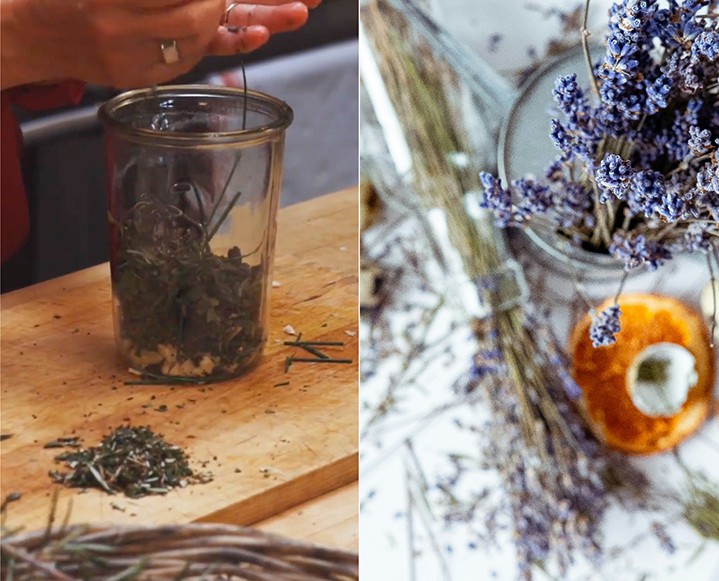
- Prepare the Herbs: Place your Burdock, Dandelion, and crushed Milk Thistle into the clean glass jar. If you are using fresh spring herbs like cleavers or nettle, chop them finely to increase the surface area for extraction.
- Add the Menstruum: Pour your high-proof alcohol over the herbs. Ensure the liquid covers the plant material by at least two inches. This is crucial; any herbs exposed to air can develop mold.
- Seal and Label: Tighten the lid and label the jar with the date and the specific herbs used. This is a common step missed by beginners, but vital for tracking your 2-week infusion.
- The Infusion Process: Store the jar in a cool, dark cupboard. Shake the mixture daily for fourteen days. Shaking ensures the alcohol moves through the plant material, consistently extracting the active compounds.
- Strain and Bottle: After two weeks, drape your cheesecloth over a bowl and pour the mixture through it. Squeeze the cloth tightly to extract every last drop of the potent liquid.
- Storage: Pour the strained liquid into your amber dropper bottles. Store them away from direct sunlight to preserve the tincture's integrity.
When learning how to make spring herbal tincture for liver, remember that the quality of your menstruum matters. Vodka is flavor-neutral, while brandy offers a sweeter profile that can mask the intense bitterness of the roots.
Maximizing Results: Bitters and the Elimination Chain
The efficacy of homemade bitters for liver health and digestion relies heavily on the "bitter reflex." When the bitter compounds in your spring herbal tincture hit the tongue, they stimulate the vagus nerve. This triggers the cephalic phase of digestion, signaling the stomach to produce hydrochloric acid and the gallbladder to release bile. Bile is the primary vehicle the liver uses to export fat-soluble toxins.
However, supporting the liver is only half the battle. You must ensure the elimination chain is open. If a person is constipated, the toxins the liver has worked so hard to filter can be reabsorbed into the bloodstream through the intestinal wall. This is why the inclusion of Burdock root is so strategic; its prebiotic inulin and mild laxative effect ensure healthy gut motility.
To get the most out of your spring detox herbs, timing is everything. The liver is most active during the night, specifically between 1:00 AM and 3:00 AM according to biological rhythms. Taking your tincture in the evening or before a bitter-heavy dinner can prepare the body for its nightly "housekeeping" tasks. Furthermore, staying hydrated is essential. The kidneys and liver work in tandem, and water helps the kidneys process the water-soluble waste products that the liver has neutralized.
FAQ
What are the best herbs for a spring detox tincture?
The most effective herbs for a spring detox include Dandelion root for bile stimulation, Burdock root for blood purification and gut health, Cleavers for lymphatic drainage, and Nettle for its mineral-rich tonic properties. Milk Thistle is also a primary choice for its ability to protect and regenerate liver cells.
How do you make a homemade spring herbal tincture?
You make a spring herbal tincture by placing dried or fresh herbs into a glass jar and covering them with a high-proof alcohol like vodka. The mixture must sit for at least two weeks and be shaken daily before the plant material is strained out, leaving a concentrated liquid extract.
What are the benefits of using spring herbal tinctures?
These tinctures help the body transition between seasons by tonifying the liver and gallbladder. Benefits include improved digestion, reduced systemic inflammation, better skin clarity, and a decrease in the seasonal sluggishness often felt after winter.
How long do herbal tinctures stay fresh?
Because alcohol acts as a powerful preservative, an alcohol-based herbal tincture can stay fresh and potent for up to five years. For the best results, store the final product in a cool, dark place in amber or cobalt glass bottles to protect it from light degradation.
How often should you take a spring herbal tincture?
A standard maintenance dose for liver support is a half-teaspoon (approximately two dropperfuls) taken once daily in a small amount of water. During a specific spring cleanse, some herbalists suggest taking this dose up to three times a day before meals for a period of two to three weeks.
Start Your Seasonal Renewal Today
Embracing the rhythms of nature through herbalism is one of the most profound ways to reclaim your health. By starting your 2-week infusion today, you are giving your body a head start on the energy and vitality that spring promises. Whether you are a seasoned gardener or a curious beginner, this spring herbal tincture offers a simple, evidence-backed method to support your liver's 500+ vital functions.
If you found this guide helpful and want to dive deeper into the science of botanical extracts, consider signing up for our weekly herbalism newsletter. We share clinical insights, seasonal recipes, and the latest research on adaptogens to help you live a more balanced, holistic life. Your liver works hard for you every single day—this spring, it’s time to return the favor.