Quick Facts
- Prevalence: Psoriasis affects approximately 125 million people worldwide, which represents about 2 to 3 percent of the global population.
- The Core Mechanism: It is an immune-mediated condition where T-cell activity in psoriasis triggers skin cells to mature in just 3 to 4 days instead of the typical 28-day cycle.
- Systemic Scope: This is not just a skin issue; 30 percent of individuals with psoriasis also develop psoriatic arthritis, a condition where the immune system attacks the joints.
- Primary Drivers: Psoriasis causes are rooted in a combination of genetic predisposition and environmental triggers like stress or skin injury.
- Treatment Target: Modern therapies focus on specific proteins like Interleukin-17 and TNF-alpha to regulate the immune response and achieve clear skin.
Psoriasis is more than just a skin condition; it is a complex immune-mediated disease. When we look at psoriasis causes, the story begins beneath the surface with an overactive immune system. Normally, skin cells take a month to mature, but for the millions affected globally, this process is hyper-accelerated. Understanding the psoriasis immune system connection—specifically the role of T-cell activity in psoriasis—is key to managing the rapid skin cell production causes that lead to painful plaques. Psoriasis causes are rooted in an overactive immune system that mistakenly attacks healthy skin cells. This immune dysregulation involves T-cells and dendritic cells releasing cytokines like Interleukin-17 and TNF-alpha. These signals trigger a rapid epidermal turnover rate, where skin cells mature in just four to seven days rather than the usual weeks, leading to the accumulation of thick, scaly plaques.
The Biological Clock: Why Skin Cells Pile Up
To understand why psoriasis looks the way it does, we have to look at the microscopic timeline of your skin. In a typical healthy body, skin cells are produced deep in the dermis and slowly rise to the surface over about 28 days. By the time they reach the top, they are flat, dead cells that shed naturally. However, when exploring psoriasis causes at a cellular level, we see this clock spinning out of control.
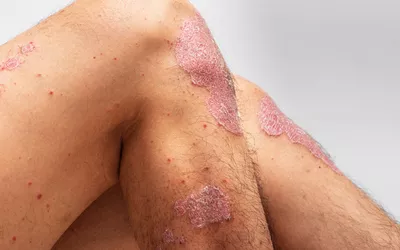
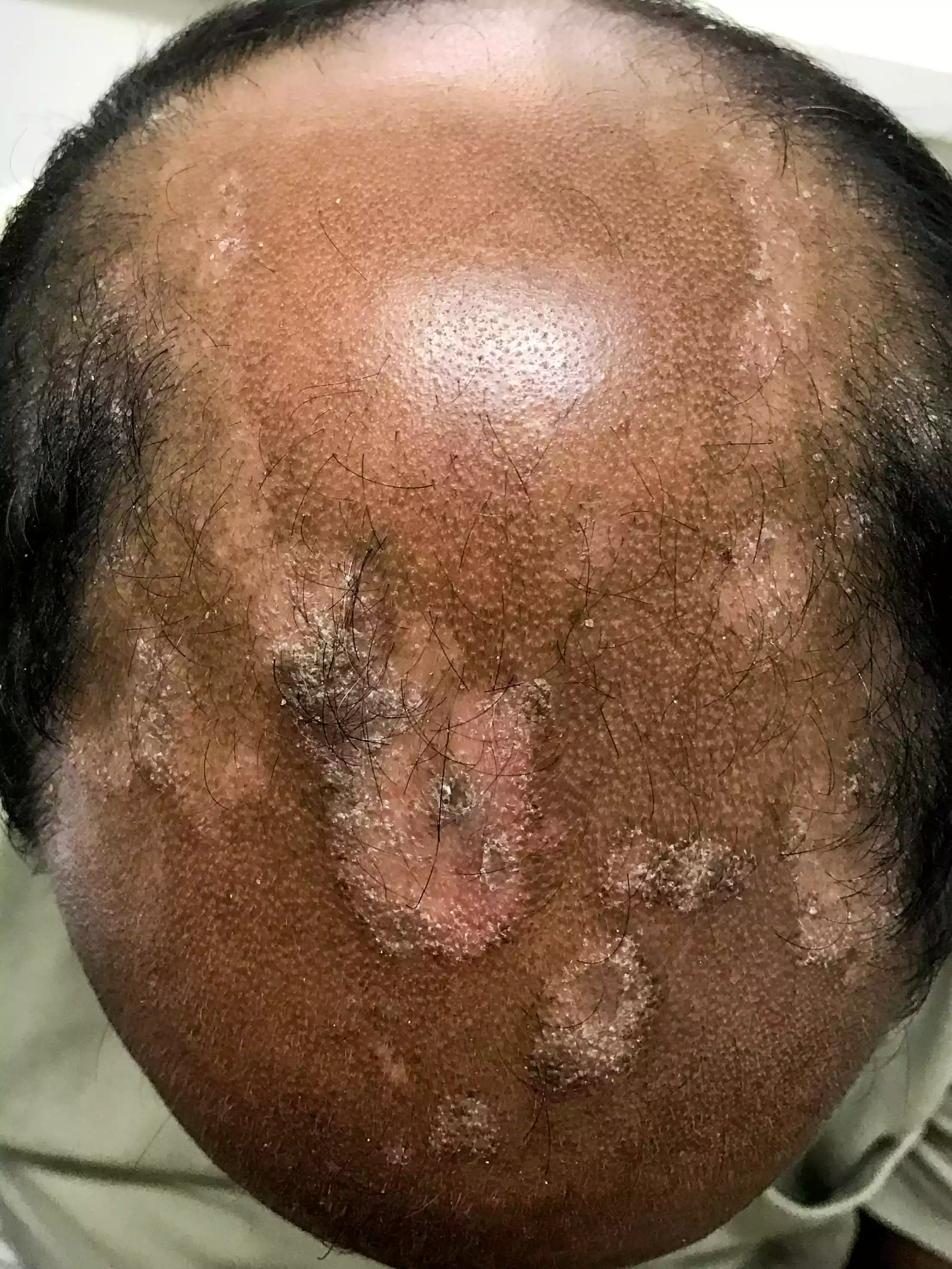
The immune system’s Th17 pathway plays a central role in psoriasis development. When T-cells become overactive, they stimulate keratinocyte hyperproliferation, causing skin cells to pile up on the surface before they can be shed. This results in the characteristic plaque induration—the thickening and hardening of the skin. Instead of a month-long journey, these cells rush to the surface in less than a week. Because the body cannot shed them fast enough, they accumulate into the raised, scaly patches we recognize as plaques.
This process is driven by cytokine signaling. Think of cytokines as the "text messages" of the immune system. In a person with psoriasis, the immune system is essentially "group chatting" an emergency signal that doesn't exist. Specifically, proteins like Interleukin-17 and TNF-alpha act as the primary messengers that keep the inflammatory cycle running. This constant state of high alert is what sustains the rapid epidermal turnover rate.
| Skin Process | Normal Skin Cycle | Psoriasis Skin Cycle |
|---|---|---|
| Cell Maturation Time | ~28 Days | 3 to 7 Days |
| Immune Activity | Regulatory / Defensive | Overactive / Autoimmune |
| Surface Appearance | Smooth, regular shedding | Thick plaques, silvery scales |
| Primary Cell Action | Controlled replacement | Keratinocyte hyperproliferation |
Triggers and Genetics: What Wakes Up the Immune System?
While we know how the skin behaves during a flare, the question of why the immune system starts attacking in the first place is more complex. Psoriasis is a multifactorial condition driven by genetic predisposition and environmental triggers. If you have certain genetic and hereditary risk factors for psoriasis, your immune system is essentially "pre-wired" to be more sensitive to specific external stressors.
These external factors activate a hereditary immune response that results in the chronic inflammation and plaque induration characteristic of the disease. Common environmental triggers for psoriasis flares include:
- Physical Trauma: Known as the Koebner phenomenon, this occurs when a skin injury—like a cut, burn, or even a tattoo—triggers a new psoriasis plaque to form at the site of the injury.
- Infections: Strep throat is a notorious trigger, particularly for guttate psoriasis, because the immune response to the bacteria can cross-react with skin cells.
- Stress: Emotional or psychological stress is one of the most frequently reported triggers, creating a feedback loop where stress causes flares, and flares cause more stress.
- Weather and Environment: Cold, dry air can strip the skin of moisture, making it easier for the immune system to react to the damaged barrier.
- Lifestyle Factors: Heavy alcohol consumption and smoking have been shown to not only trigger flares but also decrease the effectiveness of certain treatments.
Understanding the role of T-cells in psoriasis development helps us see why these triggers are so potent. In a genetically predisposed individual, these triggers act as the spark that turns a dormant autoimmune response into a full-blown inflammatory fire.

Beyond the Skin: Systemic Inflammation and Psoriatic Arthritis
One of the most important shifts in modern medicine is the realization that psoriasis is not just a "skin deep" problem. This systemic inflammation is not limited to the skin and can lead to related health complications, including psoriatic arthritis and metabolic syndrome. When the immune system is in a state of chronic overactivity, the inflammation can travel through the bloodstream, affecting other organs and systems.
There is a significant link between systemic immune inflammation and psoriatic arthritis. For about 30 percent of patients, the same immune pathways attacking the skin begin to target the joints and connective tissues. This can lead to pain, stiffness, and permanent joint damage if left untreated. It is vital to recognize that the skin and joints are two sides of the same coin in this disease.
Furthermore, people with moderate to severe psoriasis may face an increased risk of cardiovascular issues, such as heart disease and stroke. This is because the same cytokines, like TNF-alpha, that cause skin plaques can also contribute to the inflammation of blood vessels. This "systemic march" highlights why managing the condition early and effectively is about more than just aesthetics—it is about long-term internal health.
The 1% Rule and PASI 100 In the world of dermatology, the 1% Rule refers to a common goal where a patient aims to have psoriasis cover less than 1% of their body surface area (roughly the size of one’s palm). Meanwhile, PASI 100 represents a "Psoriasis Area and Severity Index" score of 100, meaning the skin is 100% clear of visible plaques. These benchmarks help doctors and patients measure the success of their treatment plan.
Managing the Overactive Immune System
The good news is that our understanding of psoriasis causes has led to a revolution in treatment. We are no longer limited to just "calming the skin" with coal tar or heavy ointments. Modern medicine allows us to target the specific biological drivers of the disease.
Practical ways to manage an overactive immune system for skin health often involve systemic treatments. These include biologics, which are engineered proteins that block specific parts of the immune system, such as the IL-23 receptor or the Th17 pathway. By neutralizing these specific signals, we can slow down the rapid skin cell production causes and allow the skin to return to its normal 28-day cycle.
In addition to medical intervention, patients can take daily steps to support their immune health:
- Anti-inflammatory Diet: Focusing on Omega-3 fatty acids, fruits, and vegetables can help dampen systemic inflammation.
- Moisturization: Maintaining the skin barrier helps prevent the Koebner phenomenon by reducing small cracks and injuries.
- Stress Management: Practices like mindfulness and regular exercise can help lower the cortisol levels that often precede a flare.
- Targeted Topicals: Using vitamin D analogues or corticosteroids can manage localized plaques by slowing down keratinocyte hyperproliferation at the site.
When you work with a dermatologist, the goal is often to reach a state of minimal disease activity. Whether you are aiming for a PASI 100 result or simply looking to reduce the discomfort of plaque induration, the focus remains the same: calming the internal immune storm to find peace on the surface.
FAQ
What is the main cause of psoriasis?
The main cause is a combination of genetics and an overactive immune system. In people with psoriasis, the immune system mistakenly attacks healthy skin cells, triggering a process that makes new skin cells grow much faster than normal.
Is psoriasis caused by an overactive immune system?
Yes, psoriasis is an immune-mediated disease. Specifically, T-cells and other white blood cells become overactive and release cytokines that cause inflammation in the skin and other parts of the body.
Is psoriasis hereditary or genetic?
Psoriasis has a strong genetic component. While not everyone with the associated genes will develop the condition, having a family history significantly increases your risk. Scientists have identified specific genes that affect how the immune system functions, making certain individuals more susceptible to triggers.
What are common environmental triggers for psoriasis?
Common triggers include skin injuries (cuts or burns), infections like strep throat, cold and dry weather, smoking, and heavy alcohol consumption. These factors can "wake up" the immune system and cause a flare-up.
Can stress trigger a psoriasis flare-up?
Absolutely. Stress is one of the most common triggers for psoriasis. When you are stressed, your body releases chemicals that can increase the inflammatory response, which in turn leads to the rapid production of skin cells and the formation of plaques.