Quick Facts
- Market Growth: The global boutique fitness studio market is projected to expand at a compound annual growth rate of 7.2% to reach $80.4 billion by 2034.
- Dominant Modality: Pilates has become the leading force in the sector, with 43% of studios identifying it as their primary offering as of late 2024.
- Recovery Focus: Holistic health is driving innovation, with 27% of fitness studios now offering dedicated recovery and wellness services such as infrared saunas or cold plunges.
- Attendance Trends: Yoga and Pilates classes saw a 27% increase in attendance between 2022 and 2024, signaling a shift toward low-impact movement.
- Technical Innovation: September 2026 sees the standard use of AI-integrated reformers and heart rate-monitored Zone Zero training to prioritize longevity over high-intensity burnout.
- Clinical Integration: Physiotherapy-led sessions are bridging the gap between medical rehabilitation and boutique luxury, offering movement analysis and bespoke sessions.
Boutique Fitness Trends in September 2026 center on clinical integration and high-tech recovery, specifically through physiotherapy-led Pilates and infrared-heated environments that prioritize longevity over intensity. As the global boutique fitness studio market climbs toward a valuation of $80.4 billion, the industry is shifting away from the "no pain, no gain" mentality toward holistic wellness and evidence-based performance optimization.
Clinical Precision: The Rise of Physiotherapy-Led Pilates
The fitness landscape is undergoing a significant transformation where the boundary between a gym and a clinic is increasingly blurred. Leading this movement is the evolution of traditional Pilates into a more clinical, evidence-based practice. While Pilates has long been a staple of boutique fitness, the specific physiotherapy-led Pilates benefits are now becoming the primary draw for high-performance seekers and those navigating injury recovery.
Unlike standard group classes, these sessions are often helmed by qualified sports physicians or physical therapists who apply a rigorous movement analysis to every participant. This clinical oversight ensures that the exercises are not just about burning calories, but about addressing specific muscular imbalances and improving core stability. For many, this is the key to sustainable fitness, especially when dealing with the demands of postnatal fitness or chronic back pain from sedentary desk jobs.
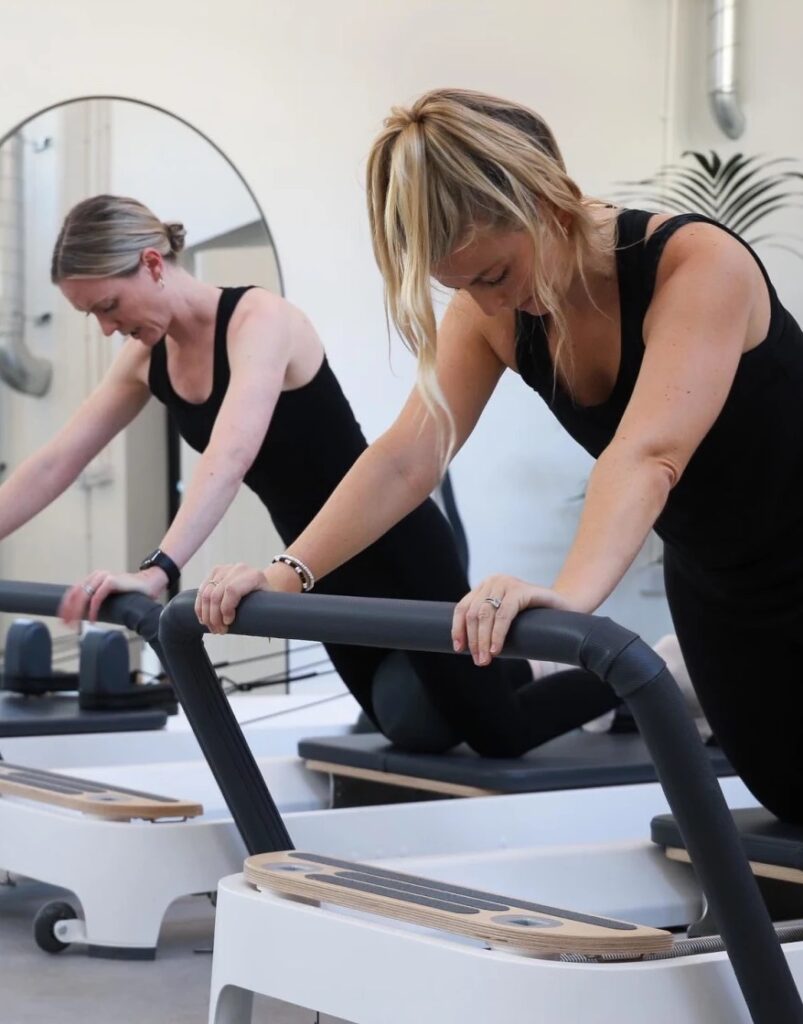
Hardware innovation is playing a massive role in this transition. September 2026 brings the debut of advanced, foldable reformers that maintain a depth of under 30cm, making them ideal for high-end, space-efficient urban studios. These machines now feature electronic resistance adjustments in 0.5kg increments, allowing for a level of precision that traditional springs simply cannot match. Furthermore, the integration of AI-coaching sensors provides real-time form correction, alerting the user via haptic feedback if their pelvis is misaligned or if they are overcompensating with their lower back.

Comparing Performance: Traditional vs. Clinical Pilates
| Feature | Traditional Boutique Pilates | Physiotherapy-Led Pilates |
|---|---|---|
| Primary Instructor | Certified Pilates Instructor | Physical Therapist or Sports Physician |
| Resistance Type | Manual Springs (Heavy/Medium/Light) | Digital Resistance (0.5kg increments) |
| Assessment | Visual observation | 17-point biometric movement analysis |
| Focus | General toning and flexibility | Injury recovery and posture correction |
| Tech Integration | Standard Reformer | AI-coaching sensors and biometric tracking |
For those looking to optimize their physical health, the benefits of physiotherapy-led Pilates for injury recovery cannot be overstated. By focusing on mobility training and muscular endurance through a medical lens, these classes provide a safer, more effective route to long-term strength.
The Heat Factor: Infrared Technology in Fitness Classes
The days of stifling, humid hot yoga studios are giving way to a more sophisticated thermal experience. Infrared technology in fitness classes is the standout trend for September 2026, offering a scientifically backed method to enhance the workout without the discomfort of traditional steam-heated rooms.
The primary difference lies in how the heat is delivered. While traditional heaters warm the ambient air, infrared panels emit radiant heat that penetrates the body directly. This creates a sensation of warmth from within, which many enthusiasts find much more tolerable for intense movement. The physiological benefits are substantial: infrared light aids in inflammation reduction and promotes detoxification by stimulating sweat at a lower ambient temperature.
Many boutique studios in London and New York are now launching hybrid classes that combine reformer Pilates with infrared heat. This combination is particularly effective for muscle relaxation and increasing flexibility. Research suggests that the deeper penetration of infrared waves allows for faster muscle recovery times, making it an ideal choice for those who train daily. Participants often report a significant reduction in joint pain and a greater sense of mental clarity following these sessions.

When considering infrared pilates vs hot yoga for muscle relaxation, the former often wins for those who prefer a drier, more controlled heat. It allows for a more intense muscular workout while the infrared panels work silently to soothe the nervous system and aid in the removal of metabolic waste.
Elite Recovery: Luxury Sports Medicine Retreats
Wellness travel has moved far beyond simple massages and green juice. The newest iteration of high-end travel is the luxury sports medicine retreats, where the focus is on high-tech biohacking and clinical precision. These retreats cater to elite athletes and high-net-worth individuals who view their bodies as high-performance machines requiring regular "tuning."
A typical stay at one of these facilities begins with a comprehensive 17-point biometric tracking session. This isn't just a basic check-up; it involves assessing fat-to-muscle ratios, hormone testing, and bone density scans. For the growing number of individuals using GLP-1 medications for weight management, these retreats offer specialized muscle preservation programs designed to ensure that weight loss comes from fat, not functional tissue.
The recovery protocols at these retreats are equally advanced. Participants often engage in contrast therapy, alternating between high-tech infrared saunas and specialized cold plunges to stimulate the circulatory system and reduce systemic inflammation. This is often paired with hydrotherapy and sessions led by sports physicians who design bespoke recovery plans based on the guest's unique physiological profile.
If you are looking for the best luxury sports medicine retreats for elite athlete recovery, look for programs that integrate hormone health tools and movement analysis. These retreats are less about pampering and more about optimizing physical performance and mental clarity through scientific intervention. Understanding how to use contrast therapy for faster fitness recovery is a core component of these programs, teaching guests skills they can take back to their urban lives.
Urban Expansion: New September Studio Openings
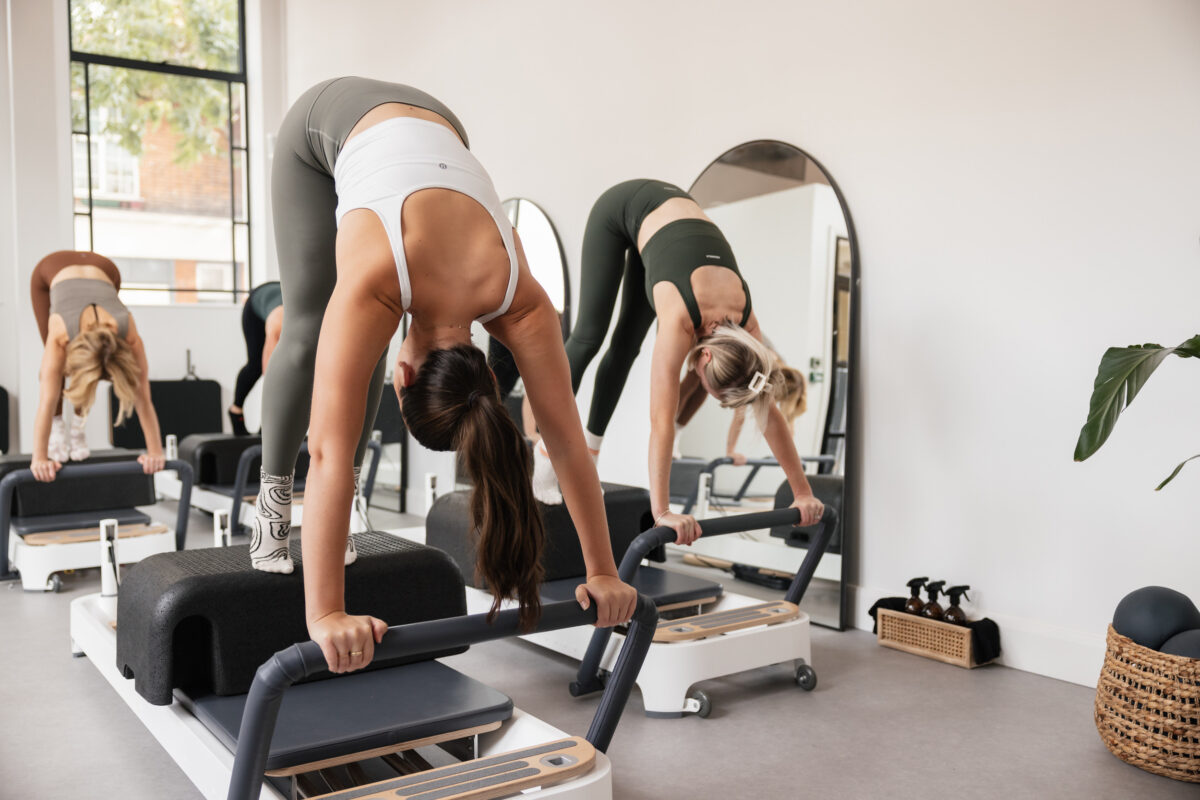
London’s boutique fitness scene is reaching a fever pitch this September, with several high-profile openings that reflect the broader industry trends of sustainability and clinical excellence. In Battersea, the new Reformcore flagship is drawing attention for its focus on power Pilates, while Heartcore’s latest expansion in Bayswater emphasizes a more soulful, holistic approach.
These new boutique fitness studio openings to try this September share a common thread: an investment in sustainable hardware. We are seeing a shift away from plastic and chrome toward FSC-certified ash wood and carbon fiber components. This aesthetic shift mirrors the industry's move toward holistic wellness, where the environment in which you train is considered as important as the workout itself.
When choosing between these new options, consider your specific postural needs. Many of the best boutique fitness classes for correcting desk job posture are those that offer integrated movement analysis. If you spend eight hours a day at a computer, a session that prioritizes thoracic mobility and glute activation will be far more beneficial than a generic HIIT class.
The global boutique fitness studio market is no longer just about the workout; it’s about a curated lifestyle that blends technology, luxury, and medical science. Whether you are booking a diagnostic session at a new neighborhood studio or planning a week-long biohacking retreat, the focus for 2026 is clear: train smarter, recover harder, and prioritize long-term vitality.
FAQ
What are the biggest boutique fitness trends for 2024?
The biggest boutique fitness trends for 2024 include the surge in Pilates popularity, the integration of recovery tools like infrared saunas and cold plunges directly into studio spaces, and a shift toward longevity-focused training. Data shows that 27% of studios now offer dedicated wellness services, reflecting a broader consumer desire for holistic health rather than just high-intensity exercise.
Why is boutique fitness more expensive than a regular gym?
Boutique fitness is generally more expensive because it offers a higher ratio of instructors to students, specialized equipment like reformers, and a more curated, luxurious environment. Furthermore, many boutique studios now include clinical expertise—such as physiotherapy-led sessions—and high-tech amenities like infrared panels and biometric tracking that are rarely found in traditional big-box gyms.
What makes boutique fitness different from a traditional gym experience?
The primary difference lies in specialization and community. While traditional gyms offer a wide variety of equipment for self-guided use, boutique studios focus on a single modality (like Pilates or rowing) and provide expert-led group classes. The boutique experience is also more personalized, often including movement analysis and bespoke sessions that cater to the specific goals of the individual.
Are boutique fitness classes better for weight loss?
Boutique fitness classes can be highly effective for weight loss because they often provide more motivation and accountability than solo gym sessions. However, the current trend is shifting toward "body composition" rather than just weight loss. By focusing on muscular endurance and core stability through classes like Pilates, participants often see more sustainable changes in their physique and metabolic health.
How do I choose the right boutique fitness class for my goals?
To choose the right class, first identify your primary objective—whether it is injury recovery, stress reduction, or building strength. For those with desk jobs, choosing boutique fitness classes with integrated hormone health tools or postural correction focus is ideal. It is often beneficial to book a diagnostic session or a trial membership to experience the studio's tech and teaching style before committing.