Quick Facts
- Primary Cause: Epstein-Barr virus (EBV)
- Global Exposure: Approximately 95% of the global adult population by age 40
- Symptom Peak: 2 to 4 weeks
- Recovery Period: Fever usually fades in 10 days, but fatigue can last 2–6 months
- Key Risk: Splenic rupture (avoid contact sports for at least 3–4 weeks)
- Transmission: Primarily through saliva (the kissing disease)
Mononucleosis, primarily caused by the Epstein-Barr virus, typically presents with extreme fatigue, fever, sore throat, and swollen lymph nodes. It is most commonly transmitted through saliva, leading to its nickname as the kissing disease. Diagnosis generally involves clinical evaluation and blood tests, such as the Monospot test, to identify the infection and antibodies. Effective home care for mononucleosis involves significant rest, proper hydration, and using over-the-counter medications like ibuprofen or acetaminophen to reduce fever and pain. It is crucial to seek urgent medical attention if you experience severe Mononucleosis symptoms such as difficulty breathing, sharp pain in the upper left abdomen which may indicate a spleen issue, or persistent yellowing of the skin.
What Causes Mononucleosis and How Is It Spread?
Infectious mononucleosis is most frequently triggered by the Epstein-Barr virus, a member of the herpesvirus family. While it is one of the most common human viruses, the way it manifests depends heavily on the age of the person infected. In young children, the virus often causes no symptoms or very mild ones that look like a common cold. However, the experience is quite different for older age groups. At least one out of four teenagers and young adults who become infected with the virus will develop symptomatic infectious mononucleosis.
If you are wondering how is epstein-barr virus transmitted, the answer lies mostly in saliva. This is why it earned the nickname kissing disease, though kissing is far from the only way to catch it. The virus can spread through shared drinks, toothbrushes, eating utensils, or even a cough or sneeze that sprays droplets into the air. Once the virus enters your body, there is a relatively long incubation period. It can take anywhere from four to six weeks before you start feeling sick. During this time, you might be contagious without realizing it.
One of the most complex things about Epstein-Barr virus transmission is that once you are infected, the virus stays in your body in an inactive state for the rest of your life. In most cases, it never causes trouble again. However, in some individuals, the virus can reactivate and be found in their saliva, potentially spreading it to others even if the person feels perfectly healthy.
Identifying Mononucleosis Symptoms: Common vs. Emergency Signs
When the virus finally takes hold, the onset can feel like a heavy blanket of exhaustion has dropped over you. While everyone’s experience varies, most patients report a specific cluster of Mononucleosis symptoms that progress over a few days.
Common symptoms to watch for include:
- Extreme fatigue that doesn’t improve with sleep
- A high fever, often accompanied by chills
- Severe sore throat, often referred to as Pharyngitis, which may have white or yellow patches
- Swollen lymph nodes in the neck and armpits (Lymphadenopathy)
- Headaches and general body aches (Malaise)
- Loss of appetite
It is important to distinguish between these standard symptoms and red flags that require immediate intervention. While most cases are managed at home, certain complications are life-threatening.
When to Go to Urgent Care for Mono
You should seek medical attention immediately if you notice:
- Difficulty breathing or a feeling that your airway is closing
- Sharp, sudden pain in the upper left side of your abdomen
- Difficulty swallowing your own saliva
- A high fever that does not respond to medication
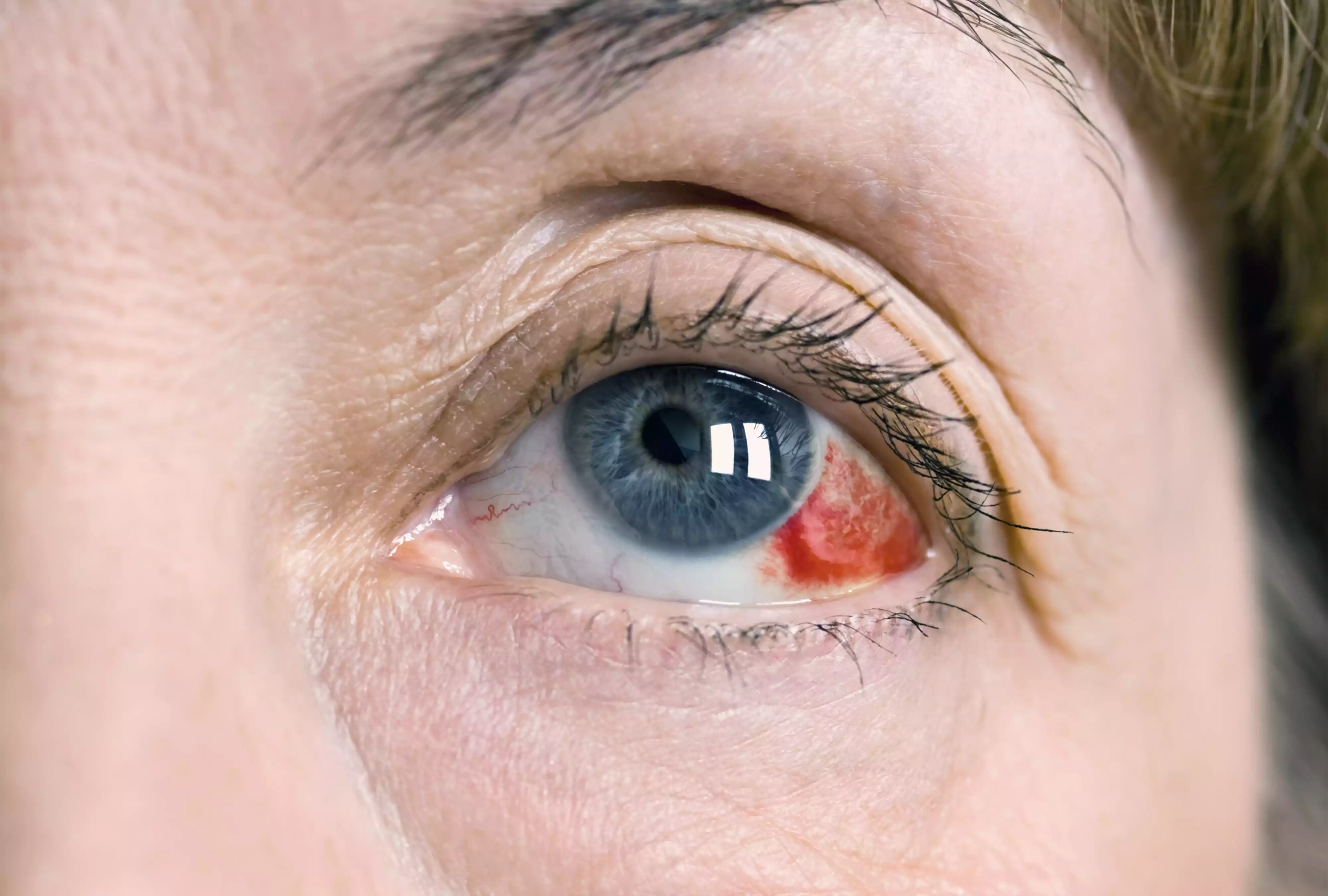
- Yellowing of the eyes or skin (jaundice), suggesting liver inflammation
A major concern for doctors is the potential for Splenic rupture. This happens because the virus often causes the spleen to become enlarged and fragile. Even a minor bump to the belly can cause it to tear. Therefore, recognizing the signs of spleen enlargement in mononucleosis—such as pain or a feeling of fullness in the upper left abdomen—is critical for your safety.
Mono Diagnosis and Testing: What to Expect
If you suspect you have mono, a healthcare provider will start with a physical exam. They will check for swollen tonsils, look for those characteristic white patches in your throat, and feel your neck for Lymphadenopathy. They may also gently press on your abdomen to see if your liver or spleen feels enlarged.
Since many symptoms of mono overlap with strep throat or the flu, blood tests are usually necessary for a definitive diagnosis. The most common tool is the Monospot test, which looks for heterophile antibodies. While the Monospot test is quick, it is not always 100% accurate. During the first week of illness, it can have a false-negative rate of up to 25% because your body hasn't produced enough antibodies yet. If your symptoms persist but your test is negative, your doctor might suggest a repeat test or more specific EBV antibody titers.
In addition to antibody tests, a complete blood count (CBC) is often performed. Doctors look for an increased number of white blood cells and, specifically, a high percentage of atypical lymphocytes. If more than 10% of your white blood cells are atypical, it is a strong indicator of an active infection.
Essential Mononucleosis Home Care Strategies
Because mononucleosis is a viral infection, antibiotics won't help unless you have a secondary bacterial infection like strep throat. Instead, mononucleosis home care focuses on supportive therapy—giving your body the resources it needs to fight the virus on its own.
The cornerstone of managing mononucleosis fatigue at home is aggressive rest. This isn't just "sleeping in"; it means clearing your schedule and avoiding all forms of physical exertion for several weeks. Hydration is equally important. Drinking plenty of water, broth, and electrolyte-rich drinks helps manage fever and prevents the dehydration that can make fatigue feel even worse.
For the sore throat, a saltwater gargle can provide significant relief. A commonly recommended ratio is 1/4 teaspoon of salt dissolved in 8 ounces of warm water. Gargling several times a day can help reduce the swelling in the throat tissues.
Medication Safety and Warnings
When choosing safe over the counter medicine for mono fever and pain, stick to Acetaminophen or Ibuprofen. However, there are two major warnings to keep in mind:
Warning: Avoid Aspirin and Amoxicillin
- No Aspirin: Children and teenagers should never take aspirin for mono because it is linked to Reye’s syndrome, a rare but fatal condition affecting the brain and liver.
- No Amoxicillin/Ampicillin: If your doctor prescribes these antibiotics (often before mono is confirmed), patients with mono frequently develop a non-allergic, itchy red rash across the body. If you develop a rash after starting an antibiotic, contact your doctor immediately.
Your Recovery Timeline: When Can You Return to Sports and School?
The recovery process for mono is famously slow. While most individuals recover from the acute symptoms within two to four weeks, associated fatigue can persist for several months. Managing your expectations during this period is vital for your mental health and physical safety.
Recovery Milestones
- Days 1–10: This is the acute phase. Expect high fever and severe throat pain. Bed rest is non-negotiable.
- Weeks 2–4: Fever and throat pain usually subside, but swollen nodes and fatigue remain. Most people can start light, non-strenuous daily activities.
- Month 1–2: Energy levels begin to stabilize. This is the typical period for returning to school after mononucleosis recovery, though a "half-day" schedule may be needed initially.
- Month 3 and Beyond: Long-term fatigue usually clears up. By this point, most patients are back to their baseline energy.
For student-athletes, the mono recovery timeline for athletes and sports is much stricter. Because of the risk of Splenic rupture, you must avoid contact sports, heavy lifting, or any activity that involves a risk of falling or abdominal impact for at least three to four weeks after symptoms start. Some doctors recommend waiting even longer—up to six weeks—depending on the severity of the infection. Always get formal medical clearance before returning to the field or the gym.
FAQ
What are the first signs of mononucleosis?
The earliest signs are often a general feeling of being unwell, followed by a persistent headache and a mild sore throat. Many people mistake the beginning of mono for a standard case of the flu or even severe seasonal allergies until the extreme exhaustion and high fever set in a few days later.
How long do mono symptoms typically last?
Most of the intense symptoms, like the fever and sore throat, improve within about two weeks. However, the lymph node swelling and the deep, heavy fatigue often linger for much longer. It is very common for the tiredness to last for at least a month, and for some, it can take several months to feel completely back to normal.
How long is someone with mono contagious?
The contagious period is difficult to pin down exactly. You can spread the virus during the long incubation period before you even feel sick. Once symptoms start, you remain contagious for several weeks or even months. Because the virus stays in the body forever, it can occasionally shed in your saliva years later, meaning there is always a tiny risk of transmission even after full recovery.
When should I see a doctor for mono symptoms?
You should schedule a visit if you have a sore throat and fever that don't improve after a few days, or if you feel a level of exhaustion that prevents you from going about your day. Urgent medical attention is required if you have trouble breathing, difficulty swallowing, or sharp pain in your upper left abdomen.
Can mono symptoms come back after you have recovered?
True recurrences of mono are very rare. Once you have had the infection, your body builds up immunity to the Epstein-Barr virus. However, if your immune system becomes severely weakened later in life, the virus can reactivate. Most of the time, "recurring" symptoms are actually just a sign that you tried to return to normal activity too quickly and your body needs more time to finish the initial healing process.