Quick Facts
- Invention: Created by Louie Simmons in 1973 as a solution for his own debilitating spinal injuries.
- Primary Benefit: Specifically decompresses the lumbar spine via vertebral traction during the eccentric phase.
- Standard Loading: Use 25% of your back squat max for hypertrophy and 50% for absolute strength development.
- Key Muscles: Primarily targets the glutes, hamstrings, and the erector spinae group.
- Space Requirement: Typical footprint is approximately 74 inches long by 47 inches wide, comparable to a standard treadmill.
- Form Essential: Focus on a controlled eccentric phase to maximize the nutrient diffusion into the spinal discs.
A reverse hyper machine is a specialized piece of strength equipment that trains the posterior chain while providing vertebral traction to the lumbar spine. Unlike traditional exercises, it uses a pendulum mechanism to decompress the spine, making it highly effective for both glute activation and lower back rehabilitation.
The reverse hyper machine stands as a landmark in the evolution of strength and conditioning. Originally born out of necessity in the early 1970s at Westside Barbell, this pendulum-based tool has transitioned from a niche powerlifting secret to a cornerstone of modern athletic performance and spinal hygiene. For the athlete looking to build a bulletproof back or the lifter struggling with the cumulative effects of heavy axial loading, mastering the reverse hyper exercise benefits both performance and longevity.
The Science of Traction + Contraction
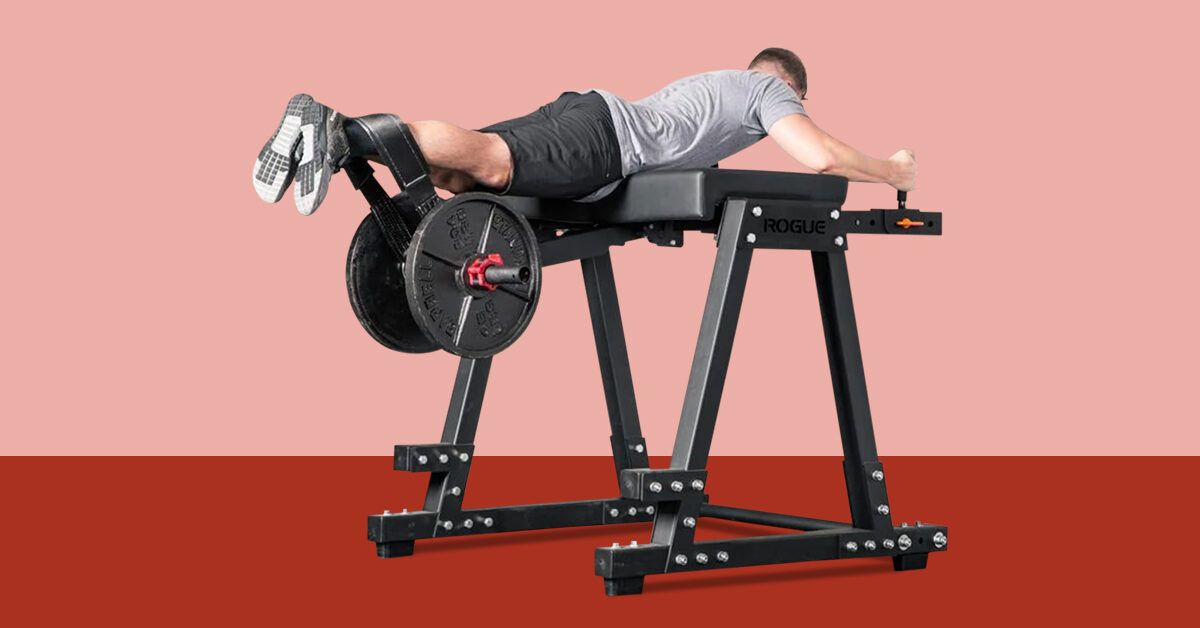
The primary differentiator of the reverse hyper machine is the way it interacts with the lumbar spine. Most posterior chain movements, such as the deadlift or the back extension, involve some level of compressive force. Even the standard hyperextension requires the spine to support the weight of the torso under gravity. The reverse hyper flips this script. By suspending the lower body and using a swinging pendulum mechanism, the exercise creates a traction effect.
As the weight swings forward and down during the eccentric loading phase, it gently pulls on the lower vertebrae. This creates a vacuum-like effect known as nutrient diffusion. Because spinal discs are largely avascular, they do not receive a direct blood supply. Instead, they rely on movement-based pressure changes to "pump" nutrients in and waste products out. The reverse hyper machine facilitates this flushing effect, which is why many athletes report that their back feels better after a session than before it.
Furthermore, this traction allows for significant glute activation and hamstring recruitment without the spinal compression associated with heavy squats. It provides a unique environment where the erector spinae can work through a full range of motion while being decompressed. This dual-action of traction and contraction is why the reverse hyper machine for lumbar spine decompression is often cited as the ultimate tool for "bulletproofing" the lower back.
Biomechanical Comparison: Reverse Hyper vs. Traditional Hyperextensions
To understand why the reverse hyper machine is superior for specific outcomes, we have to look at the data. Traditional back extensions and GHD movements have their place, but they lack the specific range and safety profile of the pendulum-based reverse hyper.
A biomechanical study highlighted that the reverse hyperextension provides a significantly greater thigh-to-trunk range of motion of 76.6 degrees compared to only 64.7 degrees for the traditional hyperextension. This increased range translates to more time under tension for the glutes and hamstrings.
Safety is also a major factor. The same research noted that the reverse hyperextension exercise utilizes significantly less lumbar flexion at 20.4 degrees compared to 31.1 degrees for the standard hyperextension. By reducing the angular stress on the lower back, lifters can move heavier loads with a lower risk of aggravating existing disc issues.
| Metric | Reverse Hyperextension | Traditional Hyperextension |
|---|---|---|
| Range of Motion (Thigh-to-Trunk) | 76.6 Degrees | 64.7 Degrees |
| Lumbar Flexion (Lower Back Stress) | 20.4 Degrees | 31.1 Degrees |
| Loading Type | Decompressive Traction | Compressive Axial Loading |
| Primary Goal | Rehab and Power | Hypertrophy and Endurance |
Mastery Guide: Proper Reverse Hyper Form
Technical execution is where most lifters fail to reap the full reverse hyper machine benefits for lower back pain. It is not just about swinging a weight; it is about controlled oscillation.
First, consider your pelvic alignment. You should lie prone on the machine with your hips positioned at the very edge of the padded tabletop. If you are too far forward, your pelvis is locked, and you will over-leverage your lower back. If you are too far back, you lose stability. The "sweet spot" allows your hips to hinge freely.
The movement begins with the concentric phase. Grip the handles firmly to provide core stabilization. Lift your legs by squeezing the glutes until your body forms a straight line or is slightly above horizontal. Avoid the temptation to kick the weight up with momentum. You are looking for a controlled squeeze at the top.
The magic, however, happens in the controlled eccentric phase. As the pendulum swings back down under the machine, resist the weight slightly. Let the weight pull your legs forward and down into that traction position. This is where the spinal hygiene happens. Proper reverse hyper form for glute activation requires you to maintain a tight core even at the bottom to ensure the traction is felt in the spine and not as a jarring force on the hip joints.
Equipment Buyer's Guide 2026
If you are looking to add this to your home gym, the market in 2026 offers more variety than ever before. Choosing the best reverse hyper machine for home gym 2026 use depends on your footprint and your specific training goals.
- Standard Westside Barbell Units: These are the gold standard. They are built with heavy-gauge steel and have the exact geometry Louie Simmons intended. If you have the space, a full-sized unit provides the best pendulum arc.
- Compact and Foldable Models: For those searching for reverse hyper machine reviews for small spaces, Rogue Fitness and other manufacturers offer "Z-Hyper" models or wall-mounted versions. These often have a smaller footprint but still provide the necessary height for full traction.
- 2-in-1 Units: Brands like Bells of Steel have popularized machines that combine a reverse hyper with a GHD (Glute Ham Developer). While these save space, ensure the pendulum mechanism is still smooth and not compromised by the dual-design.
- Strap vs. Roller: Most reverse hyper machine reviews debate the attachment. A strap (often called the Spud Inc. strap) is more comfortable for many as it conforms to the ankles and allows for more natural pelvic movement. A roller attachment feels more "locked in" and is often preferred by powerlifters moving extremely heavy loads.
Regardless of the model, ensure it has high-quality weight plate sleeves and a stable base. A machine that wobbles when the pendulum swings is a safety hazard.
Programming for Strength and Hypertrophy
Integrating this movement into your routine depends on your objective. Are you using it for rehab, or are you trying to build a massive squat? Here is how to incorporate reverse hyper into strength training routine.
The Loading Matrix
| Goal | Frequency | Sets/Reps | Load (% of Squat Max) |
|---|---|---|---|
| Recovery/Rehab | 3-4x per week | 2-3 Sets of 20-30 | 10-15% (Light) |
| Hypertrophy | 2x per week | 3-4 Sets of 12-15 | 25-35% (Moderate) |
| Absolute Strength | 1-2x per week | 4-5 Sets of 8-10 | 50% (Heavy) |
For many athletes, the reverse hyper serves as a perfect finisher on leg days. It pumps blood into the lower back after it has been taxed by heavy lifting. If you are a home gym owner without the budget for a machine yet, a common reverse hyper exercise variations for injury rehab is the "home-gym hack." You can lie prone on a high flat bench, hang your legs off the edge, and use a resistance band or a small dumbbell between your feet to mimic the movement. While it lacks the traction of the pendulum, it can still provide significant glute and erector work.
Ultimately, the reverse hyper machine is about more than just muscle; it is about longevity. By prioritizing spinal hygiene alongside raw power, you ensure that your posterior chain remains strong enough to handle the demands of heavy training for decades to come.
FAQ
What are the benefits of using a reverse hyper machine?
The primary benefits include strengthening the posterior chain—specifically the glutes, hamstrings, and erector spinae—while providing vertebral traction. This traction helps decompress the lumbar spine and promotes nutrient diffusion into the spinal discs, which is essential for recovery and long-term spinal health.
Does the reverse hyper help with lower back pain?
Yes, many users find it highly effective for lower back pain. Because it strengthens the muscles of the lower back without adding axial compression, it provides a safe way to build stability. The pendulum movement also helps "reset" the vertebrae and improve blood flow to the area.
What muscles does the reverse hyper exercise target?
The exercise primarily targets the glutes and hamstrings. It also heavily involves the erector spinae muscles of the lower back. Secondary muscles involved include the core for stabilization and the calves depending on the attachment used.
Is a reverse hyper better than back extensions?
"Better" depends on the goal, but the reverse hyper offers unique advantages. Biomechanically, it allows for a greater range of motion and puts significantly less stress on the lumbar spine through reduced flexion. While back extensions are great for endurance, the reverse hyper is superior for spinal decompression and heavy posterior chain loading.
What is the difference between a reverse hyper and a GHD?
The primary difference is the direction of movement and the force on the spine. A reverse hyper machine uses a swinging pendulum to create traction and decompress the spine as the legs move. A GHD (Glute Ham Developer) typically involves moving the torso while the legs are fixed, focusing on tension and bodyweight resistance without the decompression element.