Quick Facts
- Primary Target: Gluteus maximus and hamstrings
- Equipment: 45-degree hyperextension bench or 90-degree Roman chair
- Key Technique Cue: Flare toes outward at a 45-degree angle to isolate glute gains
- Safety Protocol: Maintain a neutral spine and stop the ascent at a straight line
- Performance Benefit: Progressive resistance can increase back muscle strength by up to 41%
- Volume Recommendation: 2-4 sets of 8-15 reps, 2-3 times per week for functional hypertrophy
To target the glutes on a back extension machine, adjust the hip pad so it sits just below your pelvic bone to allow for full hip hinging. Maintain a slightly rounded upper back and a tucked chin while flaring your toes outward at a 45-degree angle to maximize Gluteus maximus activation while minimizing spinal erector involvement.
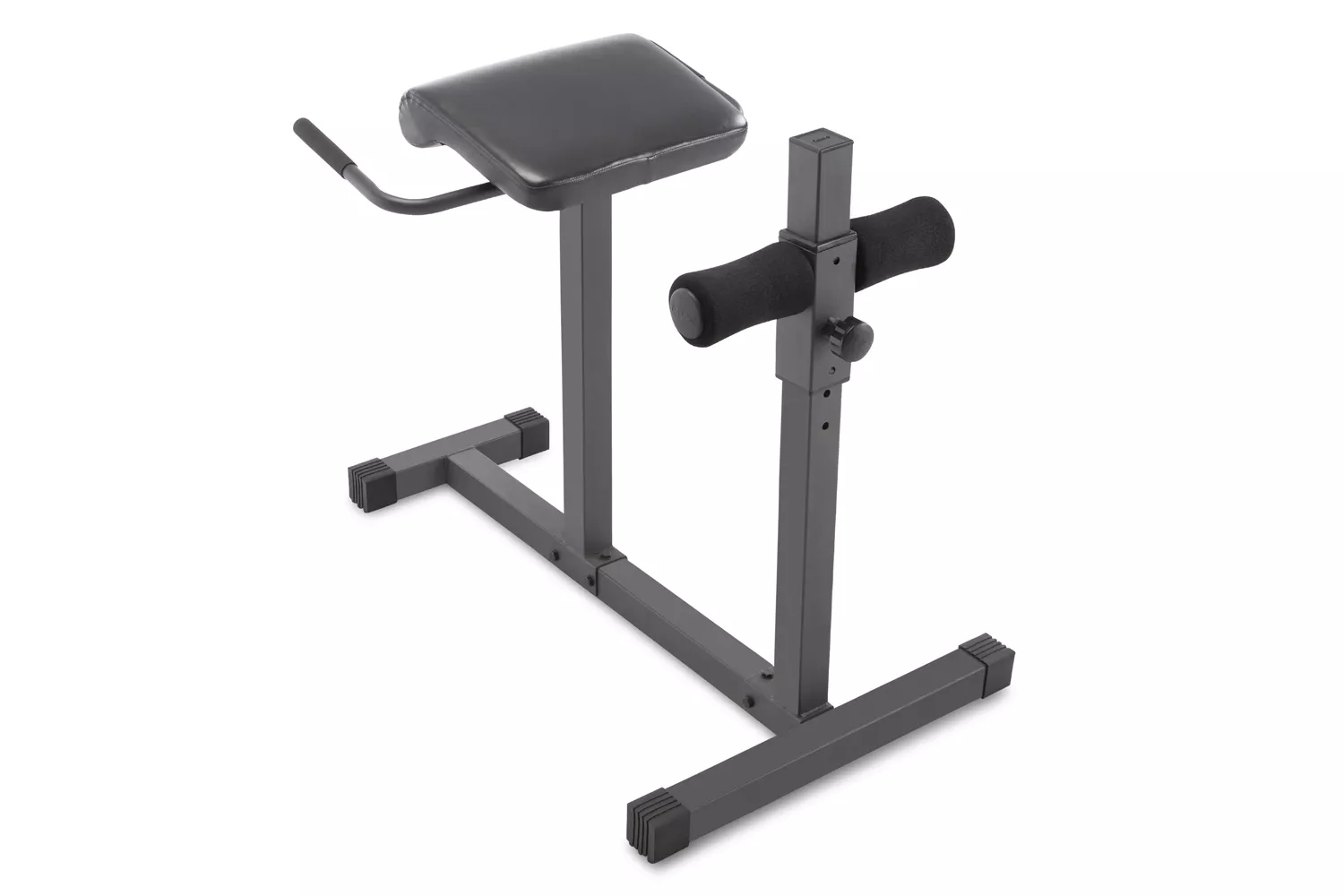
Choosing Your Bench: 45-Degree vs. 90-Degree Roman Chairs
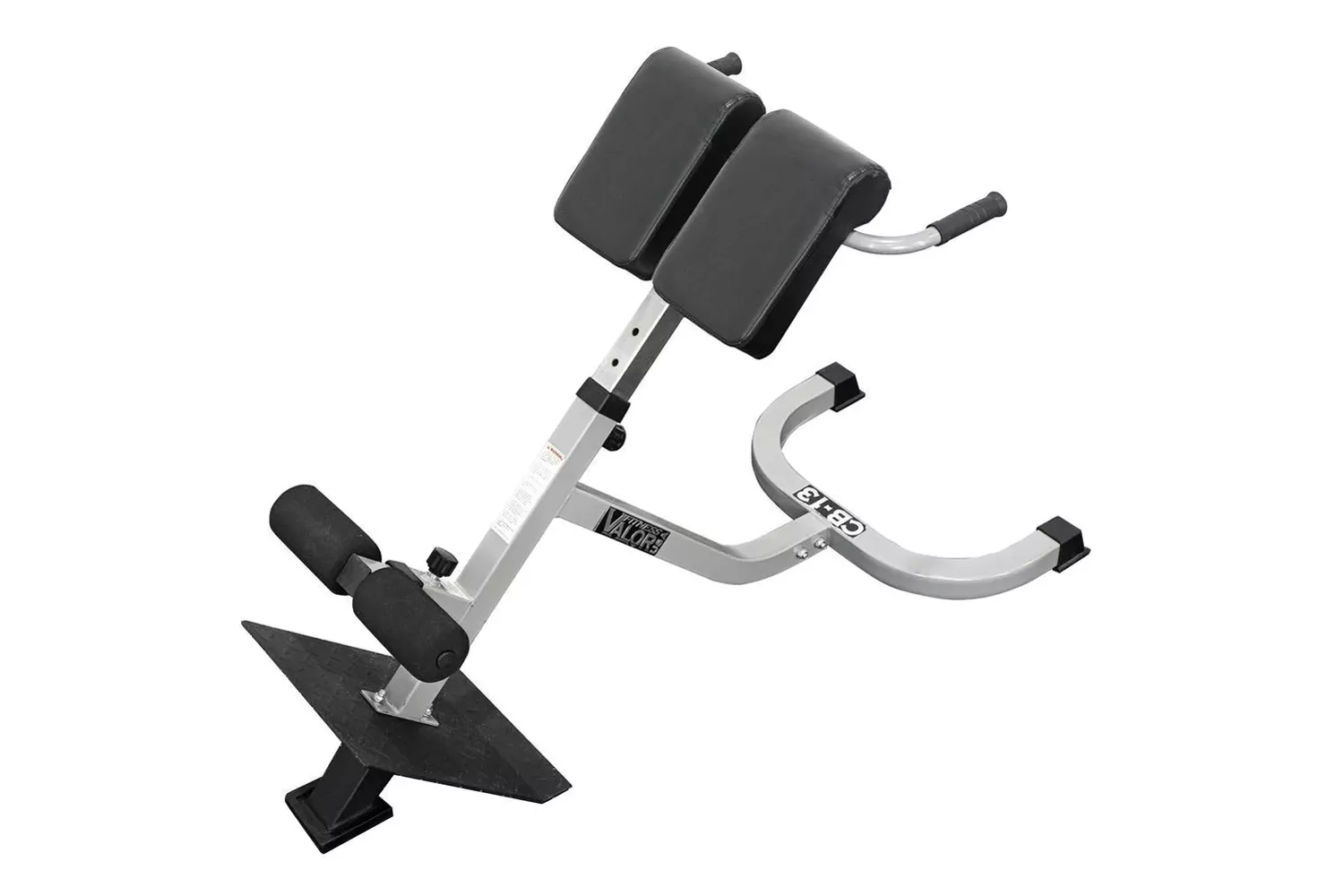
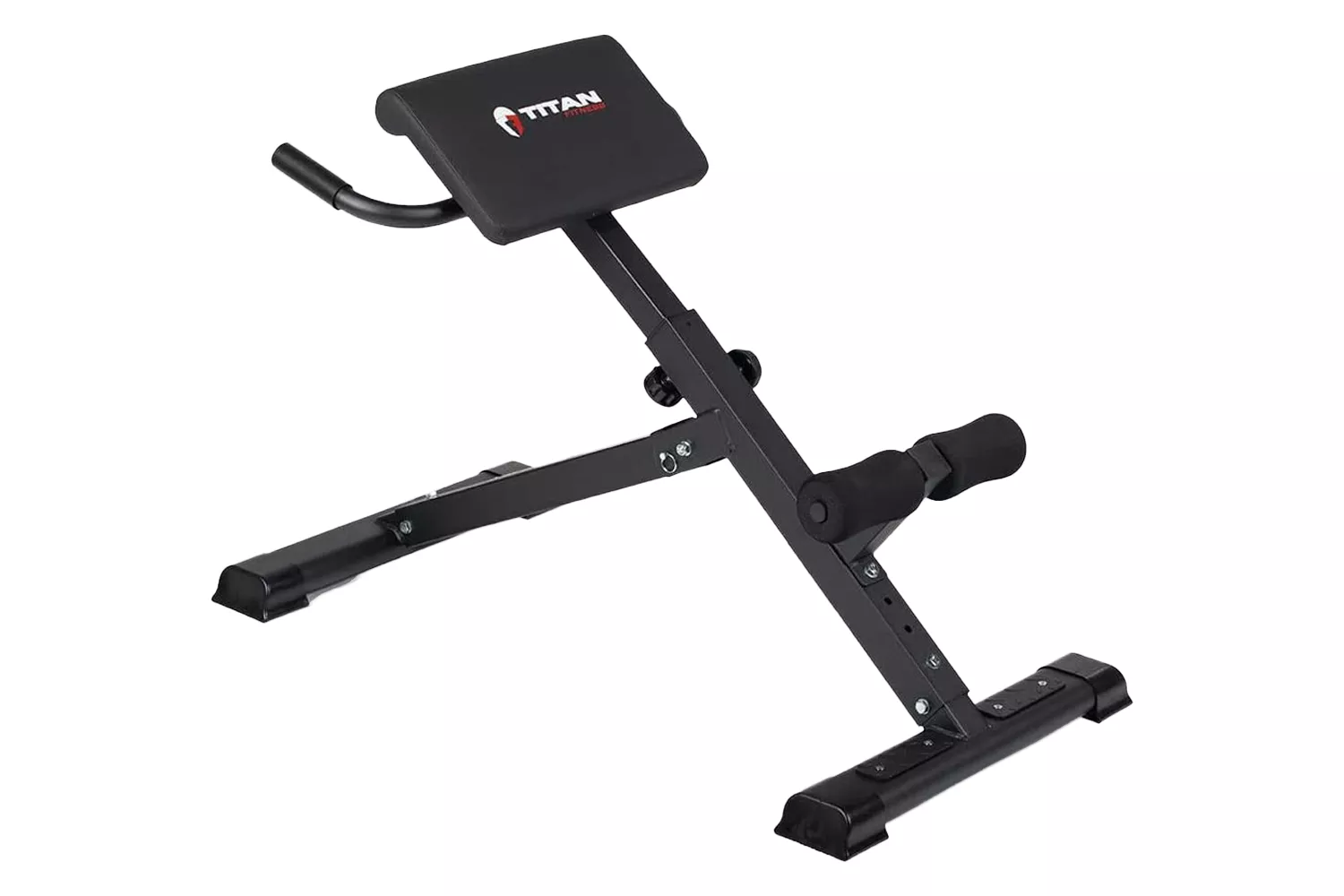
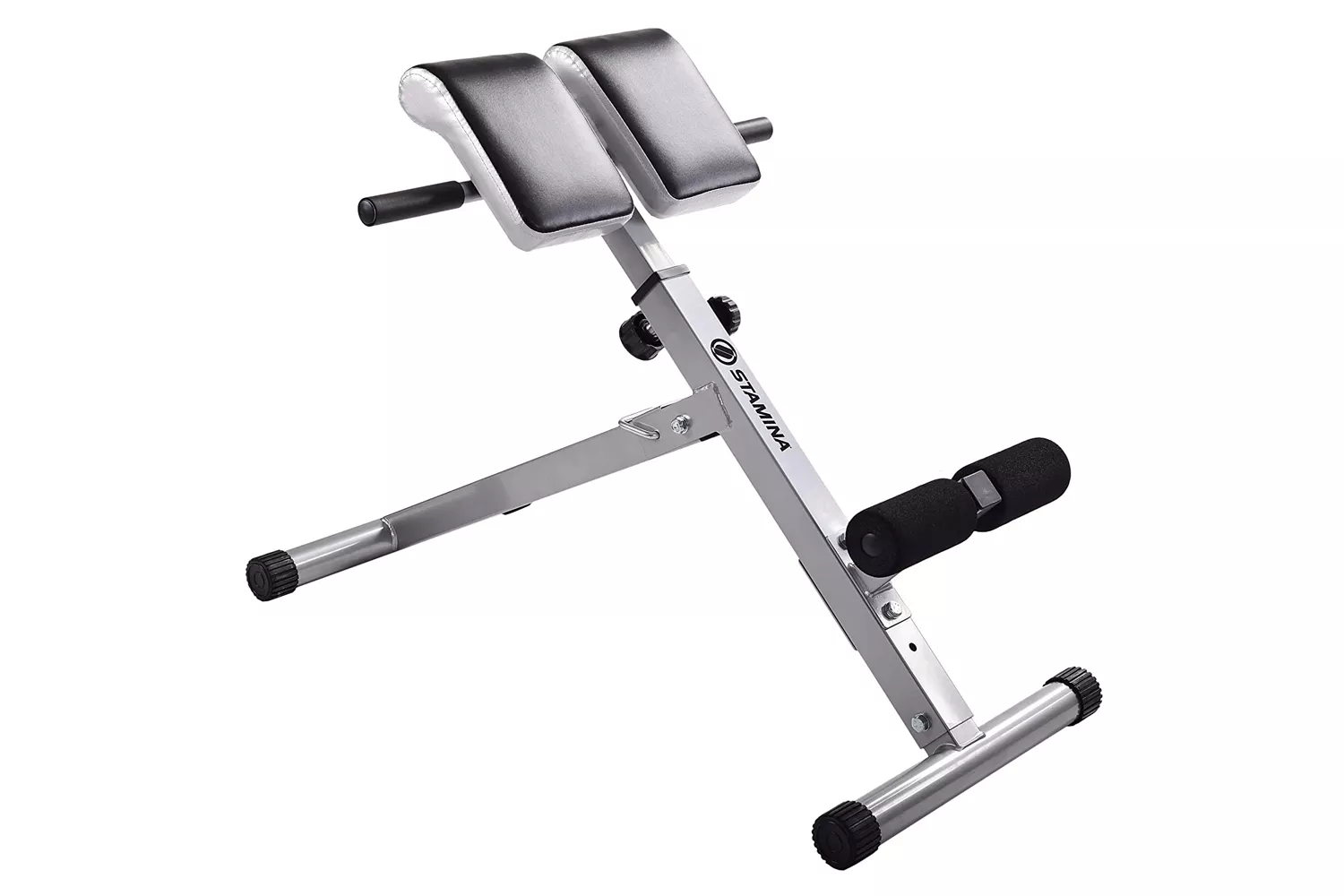
When you walk into a high-performance training facility, you will likely encounter two different types of equipment designed for posterior chain development. Understanding the difference between a 45-degree vs 90-degree back extension machine is the first step toward optimizing your programming. The 45-degree hyperextension bench is the most common and accessible option. It places your body at a diagonal, which creates a more consistent resistance curve throughout the range of motion. For many athletes, this machine is the gold standard for metabolic stress and glute isolation because it is easier to maintain the mind-muscle connection without the extreme gravitational pull found in other variations.
The 90-degree Roman chair, however, is a different beast. In this setup, your torso starts in a completely vertical position and moves to a horizontal one. This requires significantly more core stability and generates peak tension at the very top of the movement where your body is parallel to the floor. While the difference between roman chair and hyperextension bench setups may seem subtle, the 90-degree version places a higher demand on the Erector spinae to stabilize the trunk against gravity. If your primary goal is raw strength and spinal health, the 90-degree version is excellent, but for pure glute gains, the 45-degree bench often allows for better loading and volume.
| Feature | 45-Degree Hyperextension Bench | 90-Degree Roman Chair |
|---|---|---|
| Difficulty Level | Beginner to Intermediate | Intermediate to Advanced |
| Resistance Curve | Constant and manageable | Peaks at horizontal (top of rep) |
| Primary Focus | Glute isolation and hypertrophy | Lower back strength and core stability |
| Range of Motion | Standard hip hinge | Extended range of motion |
Mastering the Form: How to Isolate Glutes vs. Hamstrings
The magic of the back extension machine lies in the nuances of your setup. Most lifters treat this as a "lower back exercise," but with a few technical adjustments, you can shift the tension almost entirely to your glutes and hamstrings. The most critical factor is the hip hinge mechanics. To truly target the glutes, you must ensure that your hips are the only thing moving, while your spine remains a rigid lever.
The Glute-Focused Setup
If you want to maximize glute gains, you need to change your leverage. Start by flaring your toes outward at roughly a 45-degree angle. This position facilitates external rotation of the hip, which is a primary function of the Gluteus maximus. As you descend into the eccentric phase, allow your upper back to round slightly and keep your chin tucked toward your chest. This "crunch" position helps to shorten the anterior chain and mechanically prevents the lower back from taking over the lift. You should only rise until your body is in a straight line; going any higher shifts the work back to the spine.
The Hamstring-Focused Setup
For hamstring focused back extension form tips, the approach is different. Keep your feet pointed straight ahead and parallel. Instead of rounding the upper back, maintain a strictly neutral spine with your chest up. As you lower your torso, focus on pushing your hips back into the pad. You will feel a deep stretch in the hamstrings. By keeping the back flat, you force the hamstrings to work harder to pull your torso back to the starting position.
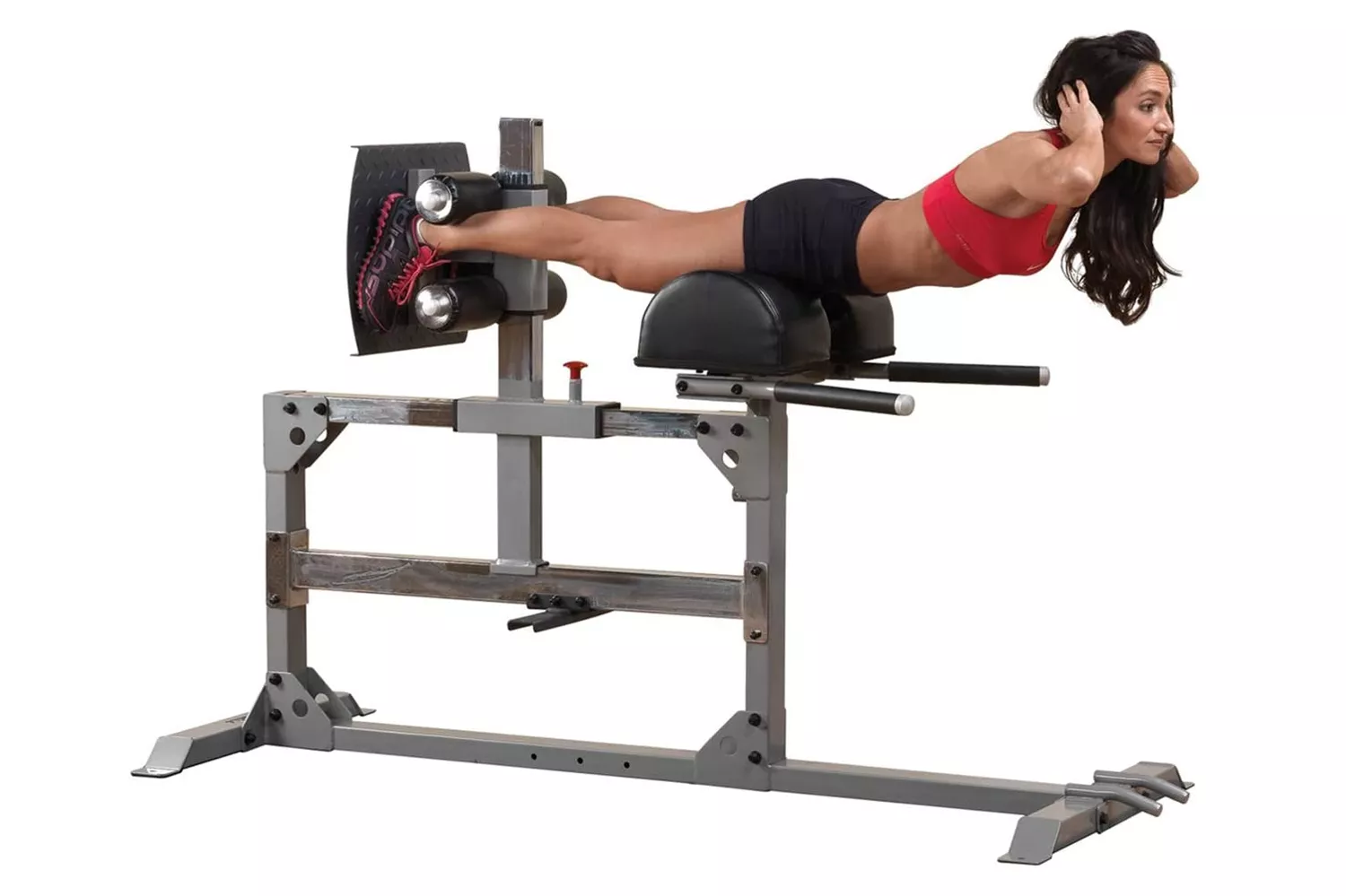
The Golden Rule of Pad Height: If the pad is too high, it will block your pelvis and force your lower back to bend. If it is too low, you will lose stability. Always adjust the machine so the top of the pad sits just below the crease of your hips.
Advanced Techniques and Safety Protocols
Once you have mastered the bodyweight version of the Roman chair back extension, it is time to introduce progressive overload. You can hold a weight plate or a dumbbell against your chest, but for the most advanced glute activation, hold the weight at arm's length toward the floor. This increases the lever arm and makes the glutes work much harder at the bottom of the movement.
However, with added weight comes an increased risk of injury if your back extension form for glutes is sloppy. The most common cause of lower back pain during back extensions is hyperextension at the top of the rep. Many lifters try to "arch" their back to finish the movement, which creates a shearing force on the lumbar vertebrae. You must learn how to avoid lower back pain during back extensions by stopping the movement once your hips are fully extended. Think about squeezing your glutes to finish the rep, not pulling with your back.
For those looking to fix muscular imbalances, the single leg back extension on roman chair benefits are immense. Performing the movement one leg at a time forces each side of your posterior chain to handle the load independently, which is excellent for athletes who have a dominant side or those recovering from hamstring strains. It also places a massive demand on core stability to prevent the torso from rotating during the rep.
Programming for Strength and Hypertrophy
Integrating the back extension machine into your routine should be done with specific intent. If you are looking for pure size, research on posterior chain exercises is enlightening. One study found that the 45-degree Roman chair produced significantly higher neuromuscular activation in the glutes and hamstrings than traditional movements like the Romanian deadlift. This makes it an elite choice for finishing off a leg day or as a primary accessory movement.
For those focused on longevity and spinal health, the data is equally compelling. Longitudinal studies on lumbar extension training indicate that a 12-week program of progressive resistance can result in a 37% to 41% increase in back muscle strength. This type of functional hypertrophy creates a "muscular corset" that protects the spine during heavy squats and deadlifts.
- For Hypertrophy: 3 sets of 10-15 reps with a 2-second eccentric phase. Focus on the glute squeeze at the top.
- For Strength/Stability: 4 sets of 8-10 reps using external resistance (plates or bands).
- For Endurance/Warm-up: 2 sets of 20 reps with bodyweight to pump blood into the posterior chain and prime the hip hinge mechanics.
FAQ
What muscles does a back extension machine work?
The primary muscles targeted are the Gluteus maximus, the hamstrings (biceps femoris, semitendinosus, and semimembrasnosus), and the Erector spinae. Depending on your form, you can also engage the adductor magnus and various core stabilizers.
Are back extension machines good for lower back pain?
When performed with a neutral spine and proper hip hinge mechanics, these machines can be highly beneficial for lower back pain by strengthening the supporting musculature of the spine. However, poor form or hyperextending at the top can aggravate existing disc issues, so focus on a controlled range of motion.
How do you use a back extension machine correctly?
Start by adjusting the pad height to just below the hip crease. Secure your ankles against the rollers and lower your torso by hinging at the hips while maintaining a braced core. Raise your body back up until it forms a straight line from head to heels, avoiding any arching in the lower back.
What is the difference between a 45-degree and 90-degree back extension?
A 45-degree machine provides a more consistent level of tension and is generally more comfortable for glute isolation. A 90-degree Roman chair is more difficult because the resistance peaks when your body is parallel to the ground, requiring more strength from the lower back and core.
Can back extension machines help with posture?
Yes, by strengthening the posterior chain and the Erector spinae, these machines help counteract the "slumped" posture often caused by prolonged sitting. Strengthening the muscles that keep the spine upright makes it easier to maintain a healthy, neutral posture throughout the day.
Mastering the back extension machine is one of the most efficient ways to build a powerful posterior chain and bulletproof your lower back. Whether you are using a 45-degree hyperextension bench for high-volume glute gains or a 90-degree Roman chair for core stability, the key is in the details. Focus on your pelvic positioning, respect the eccentric phase, and always prioritize a neutral spine over the amount of weight on the bar. Optimize these protocols, and your training results will follow.