Quick Facts
- Prevalence: Simple liver cysts are estimated to affect between 2.5% and 5% of the general population.
- Size Threshold: Healthcare providers typically begin closer monitoring when a cyst reaches 4 centimeters (approximately 1.5 inches).
- Symptom Rate: Only about 5% to 10% of liver cysts grow large enough to cause noticeable physical discomfort.
- Malignancy Risk: Over 95% of these lesions are benign and non-cancerous, posing no long-term threat to health.
- Primary Symptom: If pain occurs, it is most commonly localized in the right upper quadrant of the abdomen.
- Diagnosis: Most cases are incidental findings discovered during radiographic imaging for unrelated health concerns.
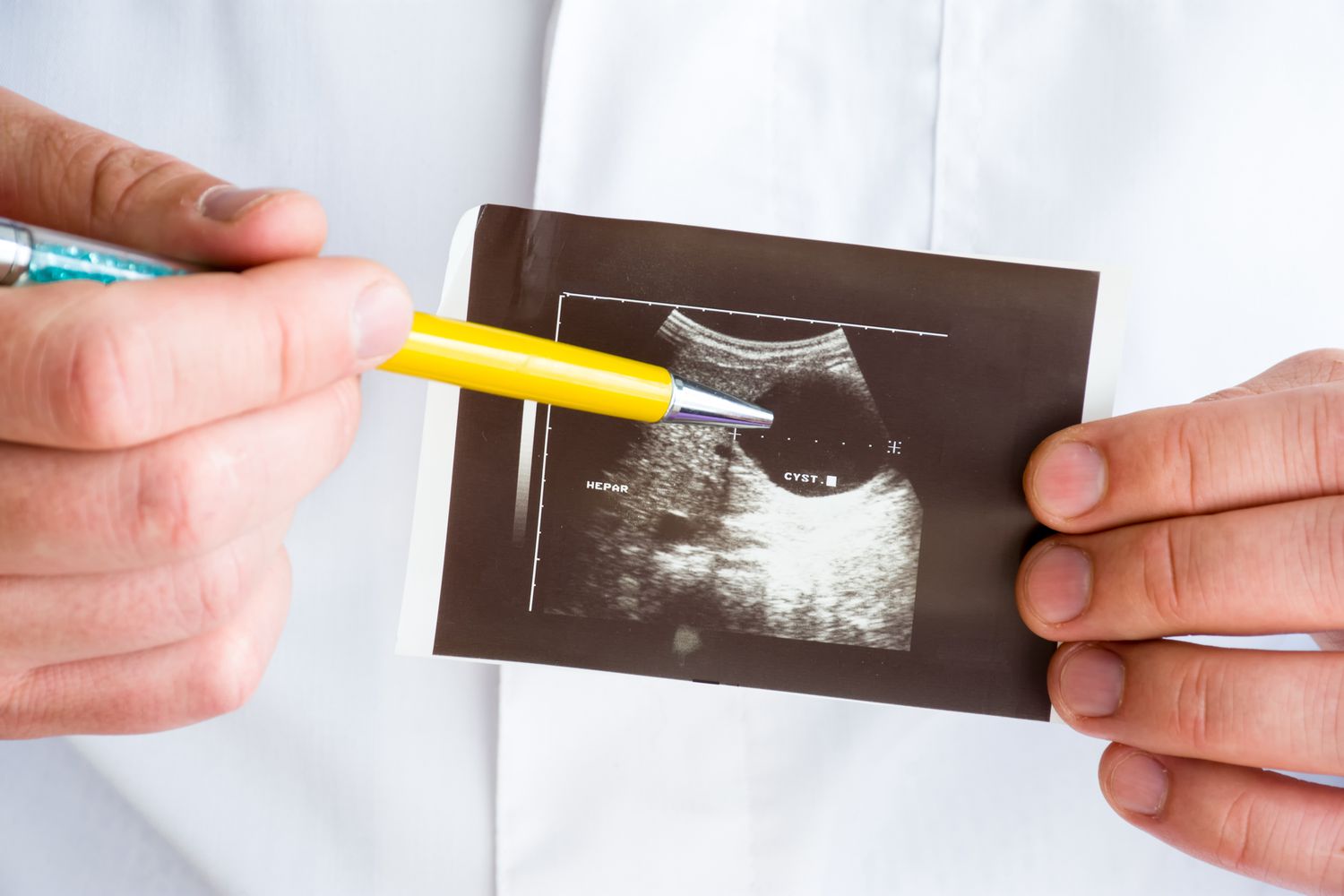
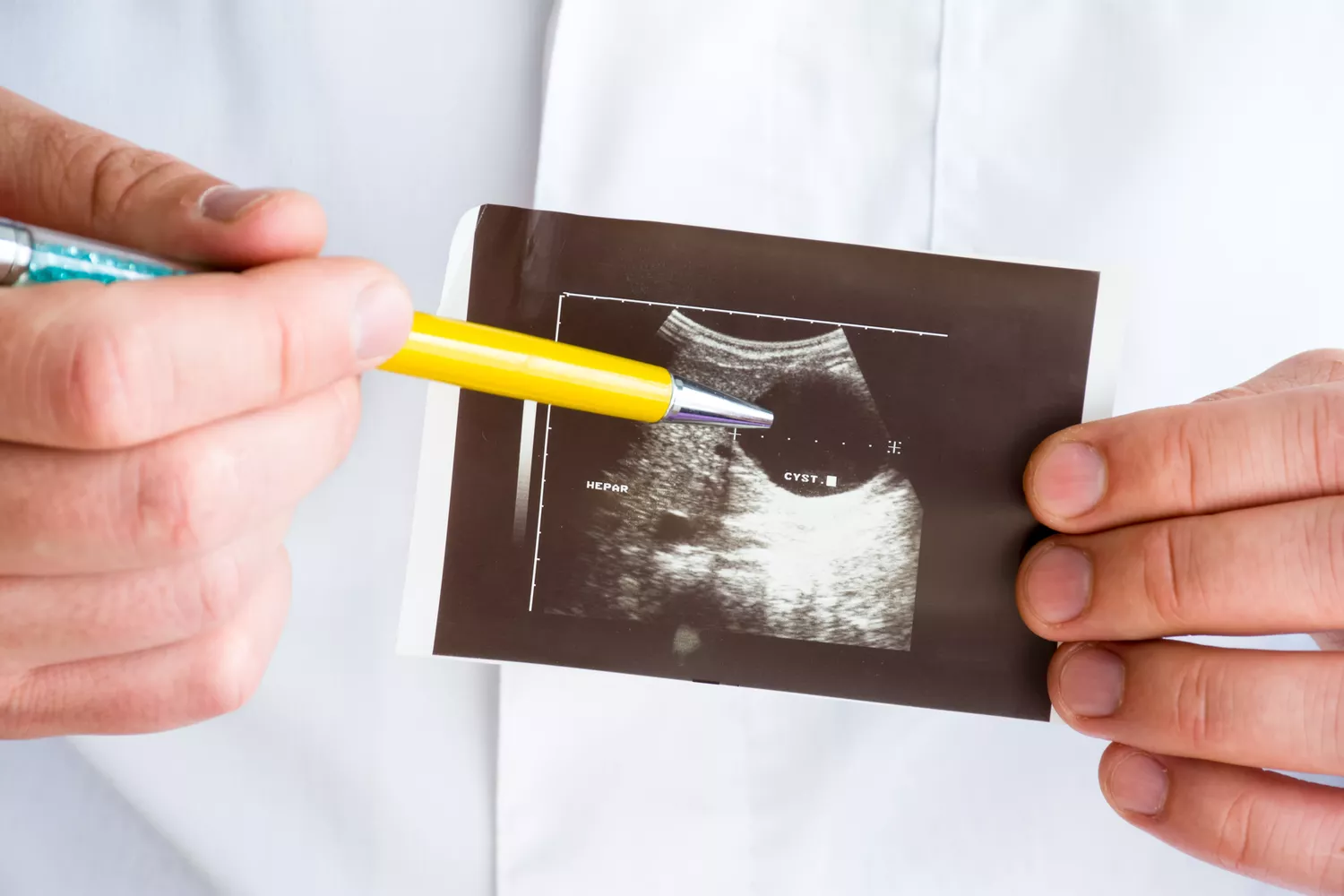
A liver cyst is a fluid-filled sac within the hepatic parenchyma, typically appearing as a benign lesion on an ultrasound or CT scan. While most cysts are harmless and asymptomatic, healthcare providers generally begin to monitor them more closely when they exceed 4 centimeters in size. Large cysts are more likely to cause physical symptoms or complications, such as pressure on nearby organs, necessitating regular radiographic imaging to ensure they remain stable.
What is a Liver Cyst and Why Do They Form?
Discovering you have a liver cyst can be a jarring experience, especially if the discovery happened by accident during a routine scan for something else entirely. In clinical terms, a liver cyst is a localized collection of fluid within the hepatic parenchyma. These sacs are remarkably common, and as imaging technology has improved, we are finding them more frequently than ever before. In fact, while physical exams rarely detect them, detection rates can reach up to 18% when using sensitive tools like an abdominal CT scan or MRI.
Most of these lesions are congenital, meaning they have been present since birth. They typically form when small segments of bile duct tissue are "misplaced" during embryonic development, creating a pocket that slowly fills with fluid over decades. While they can affect anyone, simple cysts are significantly more prevalent in women over the age of 40.
In some cases, a patient may have multiple cysts due to a genetic condition known as Polycystic Liver Disease (PCLD). This condition often mirrors Polycystic Kidney Disease and can lead to a significantly enlarged liver. However, for the vast majority of people, a liver cyst is a solitary, quiet neighbor that requires nothing more than an occasional check-in. Understanding the origin of these lesions helps demystify the diagnosis; they are usually a quirk of anatomy rather than a result of lifestyle choices or acute illness.
Liver Cyst Size: When to Worry?
One of the most frequent questions patients ask is about liver cyst size when to worry. In the medical community, the 4-centimeter mark is generally viewed as the tipping point for increased surveillance. When a cyst is smaller than 4 centimeters (about 1.5 inches), it is very unlikely to cause any trouble. It sits tucked away in the liver tissue, taking up very little space and exerting no pressure on the surrounding capsule.
If your radiology report shows a cyst exceeding this threshold, your doctor will likely transition from a "diagnose and forget" approach to a more structured monitoring plan. The primary reason size matters is volume. As the cyst expands, it can begin to stretch the liver capsule or press against the stomach and diaphragm.
To ensure stability, doctors often recommend a follow-up abdominal CT scan or ultrasound 3 to 6 months after the initial discovery. If the cyst remains the same size during this period, the frequency of how often to monitor liver cysts usually decreases to once a year or even every few years. The goal is to identify a "growth trend." A cyst that stays at 5 centimeters for a decade is far less concerning than one that grows from 2 centimeters to 5 centimeters in a single year.
Symptoms: Where is Liver Cyst Pain Felt?
Most people go their entire lives without knowing they have a liver cyst because the vast majority are asymptomatic. However, when a cyst reaches a significant size, it can manifest in several ways. The most common question for those experiencing discomfort is: where is liver cyst pain felt? Typically, the pain is located in the right upper quadrant of the abdomen, just below the ribs.
This discomfort is often described as a dull, persistent ache rather than a sharp or stabbing sensation. Beyond localized pain, large cysts can lead to:
- Abdominal bloating: A feeling of persistent distension that doesn't resolve with diet changes.
- Early satiety: Feeling full after eating only a small amount of food because the cyst is pressing against the stomach.
- Hepatomegaly: A visible or palpable enlargement of the liver that a doctor can feel during a physical exam.
There are also "red flag" symptoms that suggest a more complex issue. If a liver cyst grows near the bile ducts, it may cause a bile duct obstruction. This can lead to jaundice, characterized by yellowing of the skin or eyes, dark urine, and pale stools. While rare, these symptoms require immediate consultation with a hepatologist.
Simple vs. Complex Liver Cysts: Reading Your Scan
The language used in a radiology report can be confusing. The most important distinction to look for is whether the lesion is "simple" or "complex." This categorization dictates the entire treatment path and determines the level of concern.
| Feature | Simple Liver Cyst | Complex Liver Cyst |
|---|---|---|
| Wall Structure | Thin, smooth, and uniform | Thick, irregular, or calcified walls |
| Internal Content | Clear, watery fluid | Presence of septations (internal walls) or solid components |
| Malignancy Risk | Virtually zero | Requires evaluation to rule out cystic tumors |
| Imaging Signature | Sharp borders on ultrasound | Shadowing or enhancement on CT scan |
A simple liver cyst is almost always a benign lesion. Complex cysts, however, require a more nuanced look. If a report mentions calcified walls or internal structures, the physician must rule out other conditions, such as hydatid disease (caused by a parasite) or a rare type of cystic neoplasm. Even in the complex category, it is worth remembering that potentially malignant lesions account for less than 5% of all cases.
Complications: Rupture and Obstruction
While the overall risk is low, it is important to be aware of potential liver cyst complications. The most dramatic event is a cyst rupture. If a liver cyst bursts, it releases its fluid into the abdominal cavity, which can cause sudden, intense belly pain. This pain is often accompanied by a low-grade fever and a rapid heart rate.
Another specific complication involves the origin of the cyst. In parts of the world where Echinococcosis is present, a hydatid cyst (caused by a tapeworm) can form. If these specific types of cysts rupture, they can cause a severe allergic reaction known as anaphylaxis.
Beyond rupture, a large cyst can cause issues through sheer mechanical pressure. We previously mentioned bile duct obstruction, but a large lesion can also compress major blood vessels, such as the portal vein. While these scenarios are statistically rare, they highlight why the 4-centimeter monitoring rule is so important for patient safety.
Treatment Options: From Monitoring to Surgery
If you have a small, asymptomatic cyst, the standard treatment is "watchful waiting." This means no surgery, no needles, and no medication—just periodic radiographic imaging to ensure nothing has changed. However, for those dealing with persistent symptoms or rapidly growing lesions, there are several medical interventions available.
- Sclerotherapy: This is a minimally invasive procedure where a doctor performs percutaneous aspiration (draining the fluid with a needle) and then injects a hardening agent like ethanol into the sac. This causes the cyst walls to collapse and scar over, preventing the fluid from returning.
- Laparoscopic deroofing: This is often considered the gold standard for how to treat a large liver cyst. A surgeon makes a few small incisions in the abdomen and removes the "roof" or top portion of the cyst wall. This allows the fluid to drain into the abdominal cavity where the body naturally reabsorbs it.
- Surgical fenestration: Similar to deroofing, this procedure involves creating openings in the cyst to allow for continuous drainage. This is often used for patients with Polycystic Liver Disease.
Recovery from these procedures is generally quick. In the case of laparoscopic surgery, most patients are back to their normal activities within a week or two. The success rate for these treatments is high, with a very low rate of recurrence for simple cysts.
FAQ
What are the symptoms of a liver cyst?
Most people with liver cysts do not experience symptoms; however, when they occur, pain is typically felt in the right upper quadrant of the abdomen. Other common signs include abdominal bloating, a sense of fullness, and hepatomegaly. More serious symptoms like jaundice can occur if a cyst causes a bile duct obstruction.
Are liver cysts usually cancerous?
The vast majority of liver cysts are benign and non-cancerous. Neoplastic or potentially malignant cystic lesions account for less than 5% of all cases. If a cyst has thin walls and contains clear fluid, it is categorized as a simple cyst, which has virtually no risk of becoming cancerous.
When should I worry about a liver cyst?
Medical concern typically increases when a liver cyst exceeds 4 centimeters in size or if the patient begins to experience physical symptoms like persistent abdominal pain or bloating. You should also seek attention if a scan shows complex features like thick internal walls or calcified borders.
How do you treat a liver cyst?
Treatment depends on the type and size. Small, asymptomatic cysts require no intervention. Symptomatic or large cysts may be treated with percutaneous aspiration and sclerotherapy, or through surgical methods like laparoscopic deroofing or surgical fenestration to prevent the cyst from refilling.
Can a liver cyst be dangerous if it bursts?
If a liver cyst ruptures, it may cause sudden, intense belly pain and fever, which requires immediate medical attention. While the fluid in a simple cyst is usually harmless, the sudden rupture can cause inflammation in the abdominal lining or, in the case of certain parasitic cysts, a severe allergic reaction.