Quick Facts
- Window Period: 10 to 33 days (the shortest available for any screening method).
- Accuracy: Over 99% sensitive when performed after the initial window period.
- Detection Target: Directly identifies viral genetic material (RNA).
- Primary Use: Diagnosing acute HIV infection and screening high-risk neonates.
- Clinical Advantage: Detects infection approximately one week earlier than 4th generation tests.
- Cost: Typically covered as a zero-cost preventive service under the Affordable Care Act.
The HIV NAT test, or nucleic acid test, has the shortest window period of any HIV screening method, typically detecting infection within 10 to 33 days after exposure. It identifies the virus's genetic material in the blood during the eclipse period, making it the most effective tool for diagnosing acute HIV infection before antibodies or antigens reach detectable levels.
What is the HIV NAT Test?
In the landscape of modern diagnostics, the HIV NAT test stands as the most sophisticated tool for early detection. Unlike traditional screenings that look for the body's immune response, this method identifies the virus itself. NAT, which stands for nucleic acid test, works by amplifying the genetic material of the virus, specifically the plasma HIV-1 RNA. This process allows clinicians to see the virus in the bloodstream long before the immune system begins producing detectable levels of antibodies.
The mechanism behind this test often involves technologies like transcription-mediated amplification or polymerase chain reaction. These methods are designed to find even minute amounts of viral genetic material. For those seeking early detection HIV tests, understanding this mechanism is vital because it explains why NAT can bridge the gap between exposure and the time other tests become effective. By focusing on the viral load rather than the immune response, healthcare providers can diagnose an acute HIV infection during its earliest stages, which is critical for both individual health outcomes and preventing further transmission.
One common question is the difference between HIV NAT and p24 antigen tests. While the 4th generation antigen/antibody test is a powerful tool, it relies on the p24 protein, which generally takes a few days longer to appear in the blood than the viral RNA itself. The NAT remains the gold standard for those who require the absolute earliest confirmation possible.
The Window Period: Why NAT is the Most Sensitive
The primary reason patients seek out the HIV NAT test is to shorten the period of uncertainty following a potential exposure. In clinical terms, we refer to the earliest phase of infection as the eclipse period. This is the time during which no current diagnostic tool can detect the virus. However, once the virus begins to replicate in the bloodstream, NAT is the first to pick up the signal.
Current data from the CDC indicates that a Nucleic Acid Test (NAT) can typically detect HIV infection between 10 and 33 days after exposure, which is the shortest window period of any current HIV testing method. This is significantly faster than antibody-only tests, which might take several weeks or even months to show a positive result. When users ask how soon can HIV NAT test detect infection, the answer lies in this narrow 10 to 33-day window.
The following table illustrates the biomarker chronology and how NAT compares to other common diagnostic markers:
| Marker Type | Detection Method | Typical Window Period |
|---|---|---|
| Viral RNA | HIV NAT test | 10 to 33 days |
| p24 Antigen | 4th Gen Antigen/Antibody | 18 to 45 days |
| HIV Antibodies | 3rd Gen or Rapid Tests | 23 to 90 days |
By detecting the virus's genetic material directly, NAT can identify acute HIV infection approximately one week before antigen/antibody tests. This week can be crucial for those considering early treatment or for individuals who may have been exposed and are experiencing symptoms of primary infection, such as fever or fatigue, which often occur during the initial spike in viremia.
Clinical Applications: Neonatal Care and PrEP/PEP
Beyond general screening, the HIV NAT test plays a specialized role in high-stakes clinical environments. One of the most critical applications is in the field of maternal and infant health. When an infant is born to a mother living with HIV, standard antibody tests are ineffective because the mother’s antibodies cross the placenta and remain in the infant's system for up to 18 months.
To address this, birth HIV nucleic acid testing protocols for infants are utilized. These protocols require testing at birth, and then again at specific intervals (usually 4 to 6 weeks and 4 to 6 months) to confirm the infant's status. If the initial results are negative, clinicians can manage postnatal prophylaxis more effectively, potentially de-escalating treatments like zidovudine or nevirapine based on the infant's specific risk profile.
Another complex scenario involves individuals using Pre-Exposure Prophylaxis (PrEP) or Post-Exposure Prophylaxis (PEP). These antiretroviral medications are highly effective at preventing infection, but they can also suppress viral replication and delay the process of seroconversion. In these cases, standard tests might yield indeterminate results. Clinicians often turn to NAT to resolve these cases, though patients should be aware of the HIV RNA testing window after PEP completion, which usually requires waiting until the medication has been out of the system for a short period to ensure the viral load is not being artificially suppressed by the drugs.
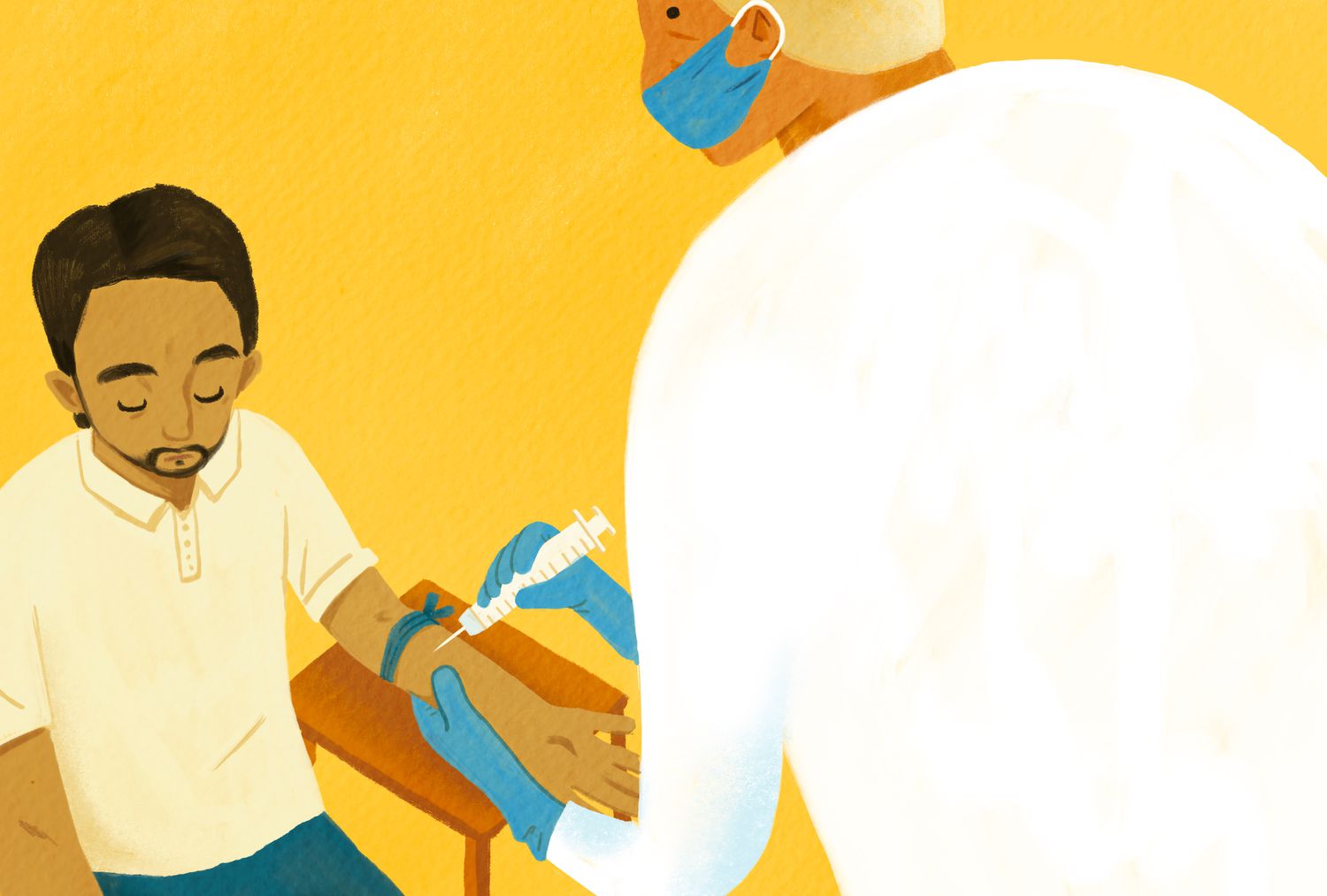
Accuracy, Specimen Types, and Detection Limits
When discussing HIV RNA test accuracy, it is important to distinguish between different testing environments. In a clinical laboratory setting, nucleic acid tests for HIV are highly sensitive and are estimated to be more than 99% accurate when performed after the initial window period. This high degree of precision makes it a preferred method for blood donor screening, ensuring that the global blood supply remains safe from undiagnosed acute infections.
However, the specimen type matters immensely. Plasma and serum are the preferred specimens for NAT because they contain much higher concentrations of the virus compared to other fluids. For example, research indicates there are significantly lower levels of markers in oral fluid compared to plasma, which is why NAT is almost exclusively a blood-based test.
Performance is also measured by the HIV NAT test lower limit of detection. Most modern assays, such as the Aptima HIV-1 RNA qualitative test, have a very low threshold, meaning they can detect the virus even when the viral load is as low as 20 to 50 copies per milliliter. This sensitivity is what allows the test to be used for confirmatory testing when other screening results are unclear. If a patient is tested too early—within the first 10 days of the HIV NAT window period—there is still a risk of a false negative because the virus hasn't reached the lower limit of detection yet. Therefore, while HIV RNA test accuracy after 10 days is quite high, testing closer to the 14-to-21-day mark provides a much higher level of confidence.
Medical Alert: The 72-Hour Window If you believe you have been exposed to HIV within the last 72 hours, do not wait for a diagnostic test. Go to an emergency room or sexual health clinic immediately to request Post-Exposure Prophylaxis (PEP). PEP must be started within 72 hours of exposure to be effective at preventing infection. A NAT test will not show a positive result this early, so PEP is the only medical intervention that can prevent the virus from taking hold.
FAQ
What is the window period for an HIV NAT test?
The window period for an HIV NAT test is typically between 10 and 33 days after a potential exposure. This is the time it takes for the virus to replicate enough to be detected in the blood. While some highly sensitive tests may pick up the virus as early as 10 days, clinicians often recommend waiting at least two weeks for a more definitive result.
How accurate is an HIV NAT test after 10 days of exposure?
While the test can begin detecting the virus at 10 days, its accuracy increases as the viral load rises during the acute phase. At exactly 10 days, there is still a small possibility that the viral genetic material is below the lower limit of detection. For maximum HIV RNA test accuracy after 10 days, testing between days 14 and 28 is often considered the optimal window for early detection.
What is the difference between an HIV NAT test and a 4th generation test?
The primary difference lies in what they are looking for. A 4th generation test looks for both the p24 antigen (a protein on the virus) and HIV antibodies produced by the immune system. The HIV NAT test looks for the genetic material (RNA) of the virus itself. Because the RNA appears in the blood before the p24 antigen or antibodies, the NAT has a shorter window period.
Can an HIV NAT test detect the virus earlier than other tests?
Yes, the HIV NAT test is currently the most sensitive diagnostic tool available for early detection. It can typically identify an infection about one week before a 4th generation antigen/antibody test and several weeks before a standard antibody-only test. This makes it the preferred choice for diagnosing an acute HIV infection.
Is an HIV NAT test the same as a viral load PCR test?
Technically, they use very similar technology. Both use polymerase chain reaction or similar amplification methods to find HIV RNA. However, a qualitative NAT (like the Aptima test) is designed to give a simple "yes or no" answer for diagnosis, whereas a quantitative viral load PCR test is used to measure exactly how many copies per milliliter are in the blood to monitor the effectiveness of treatment.
How much does an HIV NAT test typically cost?
In the United States, most health insurance plans are required to cover HIV testing with no out-of-pocket cost under the Affordable Care Act's preventive services mandate. However, because NAT is a more complex and expensive laboratory process than standard screenings, some clinics may only use it if the patient has specific symptoms or a high-risk exposure. If paying out-of-pocket, the cost can range from $100 to $300 depending on the laboratory.
The transition from potential exposure to clarity is often a stressful time. Utilizing the high sensitivity of the HIV NAT test can provide peace of mind or the opportunity for immediate care. If you have had a recent high-risk encounter, consult a healthcare provider about whether a nucleic acid test is the right choice for your situation. Early detection is not just about a diagnosis; it is the first step toward a long, healthy life with modern medical management.