Quick Facts
- Primary Target: The brachialis and brachioradialis muscles.
- Core Benefit: Enhances overall arm thickness, creates a 3D aesthetic, and improves grip strength.
- Key Technique: Utilizing a neutral grip with palms facing inward throughout the movement.
- Performance Edge: The brachialis is capable of producing 50% more force than the biceps brachii.
- Variations: Includes crossbody, seated, and cable options for varied tension.
- Programming: Best used as a secondary lift following heavy compound pulling movements.
Hammer curls primarily target the brachialis and the brachioradialis, a key muscle in the forearm. By using a neutral grip, this exercise also engages the biceps brachii, promoting balanced arm development, improved grip strength, and enhanced elbow stability.
The Anatomy of 3D Arms: Why the Brachialis Matters
When most lifters think about arm day, they obsess over the biceps brachii. While the "peak" is visually impressive, focusing solely on the biceps is a mistake if you want true arm thickness. To achieve that 3D look, you have to prioritize the brachialis. This muscle sits deep beneath the biceps brachii. Think of it as the powerhouse of the upper arm; as it grows, it physically pushes the biceps upward and outward, making the entire arm look wider from the front and thicker from the side.
The primary role of the brachialis is elbow flexion. Unlike the biceps, which also helps with forearm supination (turning your palm up), the brachialis is a dedicated flexor. Because of its structural positioning, it is actually the strongest flexor of the elbow. In fact, research indicates it can produce 50% more force than the biceps brachii. Neglecting brachialis muscle exercises means you are leaving significant strength and size gains on the table.
Incorporating hammer curls into your routine also addresses the brachioradialis. This is the thick muscle on the thumb-side of your forearm. Stronger brachioradialis development bridges the visual gap between the upper arm and the forearm, creating better arm symmetry. By shifting the load to these muscles through a neutral grip, you reduce the strain on the bicep tendons, which can often become a bottleneck in high-volume training programs.
Step-by-Step Guide: Perfecting Hammer Curl Form
To get the most out of hammer curls, you need to move beyond just swinging weights. Precision in execution is what separates a mediocre workout from a professional-grade training session. The goal is maximum muscle hypertrophy, and that requires keeping the tension exactly where it belongs.
Start by standing with your feet shoulder-width apart, holding a pair of dumbbells at your sides. Use a neutral grip, meaning your palms should be facing your torso. Pull your shoulder blades back and down to create scapular stability. This prevents the anterior deltoids from taking over the lift.
During the execution, curl the weights toward your shoulders while keeping your elbows stationary at your sides. One of the most common hammer curl form tips I give athletes is to imagine their elbows are pinned to a board. If your elbows drift forward, you are using your shoulders to move the weight. If they drift back, you are likely using momentum. Squeeze the dumbbells hard at the top of the movement to maximize the mind-muscle connection, then control the weight during the descent. The eccentric phase—the lowering of the weight—is where a significant amount of muscle damage and subsequent growth occurs.
If you find yourself struggling with momentum, try the kneeling hack. Perform your neutral grip dumbbell curls while kneeling on the floor. This eliminates the ability to use your legs or hips to "cheat" the weight up. It forces your core to stabilize your torso and ensures that the brachialis and forearms are doing 100% of the work. Avoid waist-rocking at all costs; if you can't lift the weight without swinging, the dumbbells are too heavy for your current level of hammer curl form for brachialis growth.
Advanced Variations: Beyond Standard Dumbbell Curls
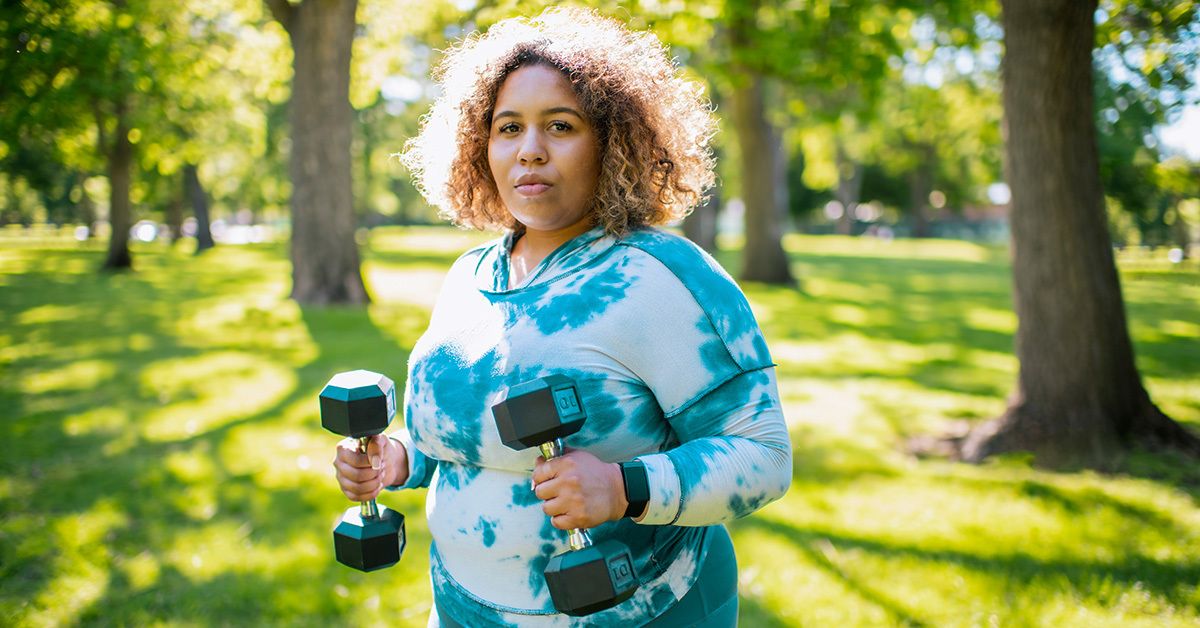
Once you have mastered the basic movement, you can introduce hammer curl variations to challenge the muscles from different angles and maintain progressive overload. Each variation offers unique benefits for different goals, whether you are looking for pure size or functional grip strength.
Crossbody hammer curls are particularly effective for isolating the brachialis and the outer head of the biceps. Instead of curling the dumbbell straight up toward your shoulder, you bring it across your chest toward the opposite shoulder. This slight change in the plane of motion increases the stretch on the brachialis. Many bodybuilders prefer cross body hammer curls for outer biceps development because it creates a more distinct separation between the arm muscles.
Another way to adjust the intensity is by choosing between seated vs standing hammer curls. Standing curls allow for more total weight and engage the core, making them better for overall athletic power. However, seated hammer curls, especially when done on an incline bench, provide a deeper stretch at the bottom of the movement and make it nearly impossible to use momentum.
For those focused on forearm development, using Fat Gripz or wrapping a towel around the dumbbell handle is a game-changer. This increases the diameter of the grip, forcing the muscles in the hands and forearms to work significantly harder. If you prefer constant tension, cable hammer curls using a rope attachment are an excellent choice. Unlike dumbbells, where the tension drops off at the top and bottom of the rep, cables provide a consistent resistance profile throughout the full range of motion.
The Science: Hammer Curls vs. Standard Bicep Curls
Understanding the biomechanics of hammer curls vs bicep curls is essential for balanced programming. The primary difference lies in the hand position. Standard curls utilize a supinated grip (palms up), which puts the biceps brachii in a position of mechanical advantage. Hammer curls use a neutral grip, which puts the biceps in a more neutral position and forces the brachialis and brachioradialis to take over the majority of the load.
When analyzing hammer curls vs bicep curls for arm thickness, EMG data shows that while supinated curls might have higher peak activation for the biceps, the neutral grip allows for much higher force production from the deeper muscles. Specifically, a neutral grip dumbbell curls setup can increase anterior deltoid stabilization by about 9%, which helps protect the shoulder joint during heavy lifting.
You shouldn't choose one over the other; rather, you should use both to ensure no muscle is left under-stimulated. Standard curls build the peak, while hammer curls build the foundation and the width. Using a variety of grips ensures that you are training elbow flexion in its entirety, leading to better long-term elbow stability and reduced risk of overuse injuries like tendonitis.
Programming for Results: Sets, Reps, and Frequency
To see real changes in your arm measurements, your programming must be as disciplined as your form. The best rep range for hammer curls depends on your specific goal, but I generally recommend a hybrid approach that hits both metabolic stress and mechanical tension.
For those looking to build raw strength and grip power, stick to 3 sets of 6-8 reps with heavier weights. Focus on explosive concentric contraction and a controlled two-second eccentric. If your goal is pure muscle hypertrophy, increase the volume to 3-4 sets of 12-15 reps. This higher rep range increases the time under tension, which is a primary driver for growth in the brachialis and forearms.
I often recommend a 1-2-1-2 tempo for my athletes. This means one second to lift, a two-second isometric squeeze at the top, one second to lower, and a two-second pause at the bottom to reset and eliminate momentum. This protocol ensures you aren't just "moving the weight" but are actually challenging the muscle fibers.
Incorporate hammer curls into your routine twice a week. You can add them to the end of a back workout or include them as a cornerstone of a dedicated arm day. Remember that progressive overload is the most important factor; aim to increase the weight, the number of reps, or decrease the rest periods every few weeks to keep the muscles adapting.
FAQ
What muscles do hammer curls work?
Hammer curls primarily work the brachialis and the brachioradialis. The brachialis is located deep in the upper arm, while the brachioradialis is a prominent muscle in the forearm. Additionally, the exercise engages the biceps brachii and the various stabilizer muscles in the wrist and shoulder.
Are hammer curls better than regular bicep curls?
Neither is strictly better; they serve different purposes. Regular bicep curls with a supinated grip are superior for isolating the biceps brachii and building the "peak." Hammer curls are better for building overall arm thickness, increasing forearm size, and improving grip strength by targeting the brachialis and brachioradialis.
Do hammer curls help build bigger forearms?
Yes, hammer curls are one of the most effective exercises for forearm development. By using a neutral grip, the load is shifted heavily onto the brachioradialis. Because this muscle crosses the elbow joint and makes up a significant portion of the forearm's mass, training it directly leads to much thicker, more muscular-looking forearms.
What is the correct form for hammer curls?
The correct form involves standing or sitting with a neutral grip (palms facing each other). Keep your torso stable and your elbows tucked into your sides. Curl the weights toward your shoulders without swinging your body or moving your elbows. Focus on a controlled descent to maximize time under tension.
How many sets and reps of hammer curls should I do?
For muscle growth, aim for 3 to 4 sets of 10 to 15 reps. If you are focusing on strength and grip endurance, you might perform 3 sets of 6 to 8 reps with heavier weights. Regardless of the rep range, focus on maintaining perfect form and avoiding the use of momentum to move the dumbbells.