Quick Facts
- The Risk: Up to 40% of weight lost on GLP-1 medications can be lean muscle mass rather than fat.
- The Goal: Incorporating GLP-1 strength training can reduce muscle loss to just 10-15% of total weight reduction.
- Protein Target: Maintain a daily intake of 1.2 to 1.6 grams of protein per kilogram of body weight.
- Frequency: A resistance training frequency of 2 to 4 sessions per week is the clinical recommendation for muscle preservation.
- The Protocol: Focus on compound movements like squats, rows, and presses to maximize muscle protein synthesis.
- Monitoring: Use DEXA scans every 3 to 6 months to verify that weight loss is coming from fat, not muscle.
- The Leucine Rule: Aim for 2.5 to 3 grams of leucine per meal to effectively trigger the body's muscle-building signals.
GLP-1 strength training is vital because up to 40% of weight lost on medications like Semaglutide or Tirzepatide can come from lean muscle mass. By implementing a structured resistance training plan 2-4 times per week, users can reduce muscle loss to just 10-15%, preserving their basal metabolic rate and ensuring long-term weight maintenance.
The Muscle Mass Crisis in GLP-1 Therapy
When you start a journey with Semaglutide or Tirzepatide, the rapid drop on the scale feels like a massive victory. However, as a sports nutrition editor, I have to look deeper than the total number. The reality of modern weight loss medications is that they are incredibly efficient at reducing appetite, which often leads to a massive caloric deficit. Without the correct metabolic signaling, your body doesn't just burn through fat stores; it begins to break down your lean body mass for energy.
Clinical data suggests that lean body mass can account for approximately 25% to 40% of the total weight lost during therapy. This is a significant concern because muscle tissue is the primary driver of your basal metabolic rate. When you lose muscle, your body requires fewer calories to function, leading to a phenomenon known as metabolic adaptation. This makes it harder to continue losing weight and significantly increases the risk of rapid weight regain if you ever stop the medication.
Furthermore, a meta-analysis involving nine randomized controlled trials found that lean mass loss constituted an average of 30.8% of the total body weight reduction for adults on these therapies. Losing this much fat-free mass can lead to a "skinny fat" physique, where you appear smaller but have a higher relative body fat percentage and reduced physical strength. Preventing muscle loss on GLP-1 is not just about aesthetics; it is about protecting your functional health and metabolic longevity.
Designing Your Resistance Training Protocol
To fight back against muscle wasting, you need to provide your body with a reason to keep its muscle. This is where a dedicated beginner GLP-1 strength training plan becomes your most valuable tool. Lifting weights sends a mechanical signal to your cells to prioritize muscle protein synthesis even when you are in a calorie deficit.
For most people using weight loss medications, a resistance training frequency for GLP-1 weight loss of 2 to 4 days per week is the sweet spot. This frequency allows for enough stimulus to maintain tissue without overtaxing your recovery systems, which might already be stressed by a lower calorie intake. Your workouts should be built around the best compound exercises for GLP-1 muscle preservation. These movements involve multiple joints and muscle groups, providing the greatest hormonal and metabolic bang for your buck.
Key movements for your protocol should include:
- Squats or lunges for lower body strength and bone mineral density.
- Push-ups or overhead presses for upper body push strength.
- Rows or pull-downs to support posture and upper body pull strength.
- Planks or carries for core stability.
The goal is progressive overload. This means you should aim to slightly increase the weight, the number of repetitions, or the quality of your form in every session. By consistently challenging your muscles, you ensure that optimizing body composition during weight loss remains the primary outcome of your hard work.

Nutrition and Supplementation for Muscle Preservation
Training is only half of the equation. Because GLP-1 medications significantly reduce hunger, many users find it difficult to eat enough food to support their muscles. This is why following specific protein intake guidelines for GLP-1 resistance training is non-negotiable. You should target 1.2 to 1.6 grams of protein per kilogram of body weight daily. For a 180-pound person (approx. 82kg), this means aiming for roughly 100 to 130 grams of protein per day.
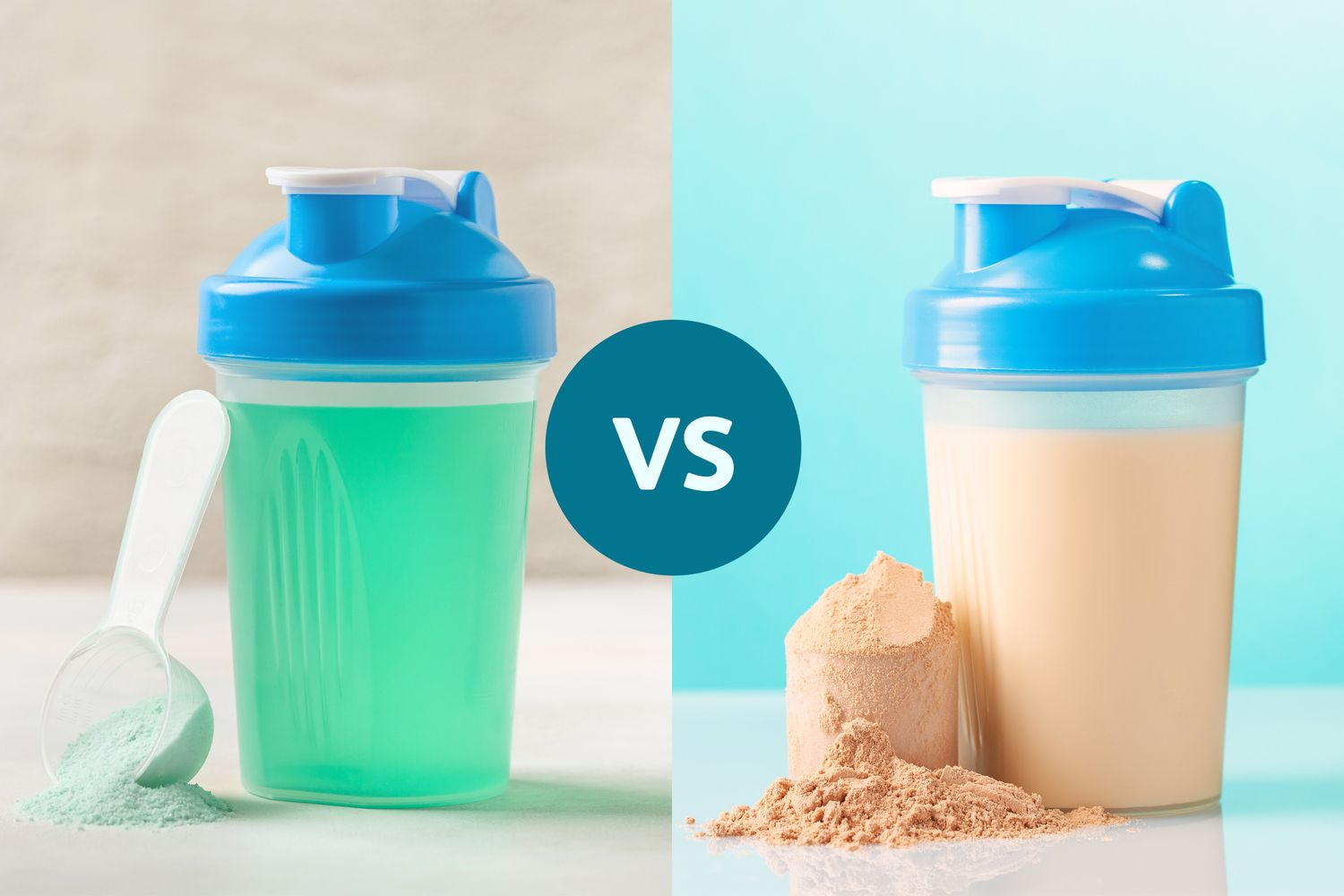
To maximize the impact of that protein, follow the Leucine Rule. Leucine is an essential amino acid that acts as a "light switch" for muscle protein synthesis. Aiming for 2.5 to 3 grams of leucine per meal—usually found in about 30 to 40 grams of high-quality whey protein isolate or lean meat—ensures your body actually uses the protein you eat to repair muscle tissue.
In addition to protein, using creatine while strength training on GLP-1 is a highly effective strategy. Creatine is one of the most researched supplements in the world. It helps pull water into the muscle cells, improving hydration and providing the energy needed for high-intensity efforts during your resistance training for weight loss medications. It can also help mitigate some of the fatigue that occasionally accompanies a large calorie deficit, keeping your power output high during your lifting sessions.
Research shows that participants who combine GLP-1 medications with structured resistance training can preserve between 70% and 85% of their muscle mass while losing fat. This shift in body composition is the difference between simply looking smaller and actually becoming healthier and more metabolically active.
Beyond the Scale: Tracking Composition with DEXA
If you only use a standard bathroom scale, you are only seeing part of the story. A scale cannot tell the difference between five pounds of fat and five pounds of muscle. This is why tracking body composition with DEXA on GLP-1s is considered the gold standard. A Dual-Energy X-ray Absorptiometry (DEXA) scan provides a detailed breakdown of your bone density, fat mass, and lean body mass.
By getting a scan every 3 to 6 months, you can objectively see if your beginner GLP-1 strength training plan is working. If the scale goes down but your lean body mass stays stable, you are winning. If the scale goes down but you see a significant drop in muscle, it’s a sign that you need to increase your resistance training frequency for GLP-1 weight loss or up your protein intake.
This data-driven approach removes the guesswork. It shifts your focus from "weight loss" to "fat loss," which is the only metric that truly matters for long-term health and insulin sensitivity. Remember, muscle is your most expensive metabolic real estate—don't let your weight loss medication pay for it.

FAQ
Should you do strength training while on GLP-1 medications?
Yes, strength training is essential while taking GLP-1 medications. Because these drugs can cause up to 40% of weight loss to come from muscle, resistance training is the primary way to protect your lean tissue and keep your metabolism running efficiently.
How to prevent muscle loss while taking GLP-1 drugs?
To prevent muscle loss, you should combine regular resistance training (2-4 times per week) with a high-protein diet. Aim for 1.2 to 1.6 grams of protein per kilogram of body weight and focus on compound exercises that challenge multiple muscle groups simultaneously.
Can you build muscle while on a GLP-1 weight loss plan?
While it is more difficult to build significant muscle mass during a calorie deficit, it is possible, especially for beginners. The primary goal for most should be muscle preservation, but with high protein intake and consistent progressive overload, some hypertrophy can still occur.
What is the best workout routine for someone on GLP-1?
The best routine focuses on total-body compound movements like squats, deadlifts, presses, and rows. A beginner GLP-1 strength training plan should include 2-3 sets of 8-12 repetitions per exercise, performed 2-4 times a week, ensuring all major muscle groups are stimulated.
How to maintain muscle mass while eating less on GLP-1?
Maintenance requires prioritizing protein density. Since you are eating less, every calorie must count. Focus on lean proteins, use supplements like whey protein or creatine, and never skip your strength training sessions, as they provide the stimulus your body needs to retain muscle.