Quick Facts
- The Risk: Clinical data shows that 25-40% of weight lost on GLP-1 medications can be lean muscle mass.
- The Solution: Engage in resistance training at least two to three times per week to preserve metabolic health.
- Protein Target: Consume between 1.2 to 2.0 grams of protein per kilogram of body weight daily.
- The Formula: Use Adjusted Body Weight to calculate protein needs if you have a high starting BMI.
- Training Focus: Prioritize compound movements like squats and presses to maximize muscle protein synthesis.
- Recovery Rule: Aim for seven to nine hours of sleep to counteract medication-induced fatigue and anabolic resistance.
To prevent muscle loss while taking GLP-1 medications, prioritize resistance training at least twice a week focusing on compound movements and optimize protein intake to 1.2-2.0g/kg of body weight. Implementing a structured GLP-1 strength training protocol is the most effective way to signal to your body that it should burn fat for fuel while protecting the lean body mass essential for a healthy metabolic rate.
Why GLP-1 Medications Lead to Muscle Loss
When you use medications like semaglutide or tirzepatide, the primary mechanism of action is delayed gastric emptying and suppressed appetite. This leads to a significant caloric deficit, which is necessary for weight loss. However, the body is naturally catabolic during rapid weight loss. Without the right stimulus, your system will break down muscle tissue just as readily as fat stores.
Clinical trials indicate that approximately 25% to 40% of the weight lost by individuals using GLP-1 medications like Ozempic comes from lean mass, which includes muscle and bone. This loss of lean body mass is problematic because muscle is the most metabolically active tissue in the body. Losing it causes your metabolic rate to drop, making it harder to maintain your weight loss in the long term.
This phenomenon is often referred to as medication-induced sarcopenia. When you are in a deep caloric deficit, your body enters a state of anabolic resistance, where it becomes less efficient at building and maintaining muscle. To fight this, you must use external signals—specifically heavy resistance training and high protein intake—to force the body to preserve its muscle. Maintaining your body composition is not just about aesthetics; it is about ensuring your hormonal and metabolic health remains intact as you reach your goal weight.
The GLP-1 Strength Training Protocol
To successfully navigate a resistance training routine for GLP-1 users, you must change how you view intensity. Because these medications can cause fatigue and nausea, you cannot always train with the same high-intensity grit as someone in a caloric surplus. The goal is to provide a sufficient hypertrophy signal without overtaxing your central nervous system.
A beginner resistance training plan for Ozempic users should focus on compound movements. These are exercises that involve multiple joints and muscle groups, such as:
- Lower Body: Goblet squats, lunges, or leg presses.
- Pushing: Push-ups, overhead presses, or chest presses.
- Pulling: Lat pulldowns, seated rows, or face pulls.
The most effective GLP-1 strength training frequency is two to three times per week. This schedule allows for enough stimulus to maintain muscle protein synthesis while providing ample time for muscle recovery for GLP-1 patients.
For many, especially in the context of strength training for women on GLP-1 meds, the focus should be on a 8-12 repetition range. This range is the "sweet spot" for maintaining functional fitness and muscle mass. As you get stronger, you must apply progressive overload on GLP-1 medications. This means gradually increasing the weight or the number of repetitions over time. Even if you are losing weight, your lifts should ideally stay the same or slightly increase to prove to your brain that the muscle is still required for survival.
If you find yourself struggling with low energy, adopt the Volume over Intensity rule. Instead of trying to hit a new one-rep max, keep the weights moderate but ensure your form is perfect and your total sets remain consistent. This approach preserves strength without leading to burnout.
GLP-1 Protein Optimization: The 1.2-2.0g Rule
Nutrition is the second half of the muscle preservation equation. Because GLP-1 agonists make you feel full quickly, you may find it difficult to eat enough food to support your training. This makes GLP-1 protein optimization the most critical dietary adjustment you can make.
To counteract muscle loss during GLP-1 therapy, health experts recommend a protein intake of 1.2 to 2.0 grams per kilogram of body weight daily. This high range is necessary because your body is in a catabolic state, and higher protein intake helps overcome anabolic resistance.
The Adjusted Body Weight Formula
If you are significantly overweight, calculating protein based on your current weight might result in an impossibly high number. Use this formula instead:
(Current Weight - Goal Weight) x 0.25 + Goal Weight = Adjusted Body Weight
Use this Adjusted Body Weight (in kg) to multiply by the 1.2-2.0g rule.
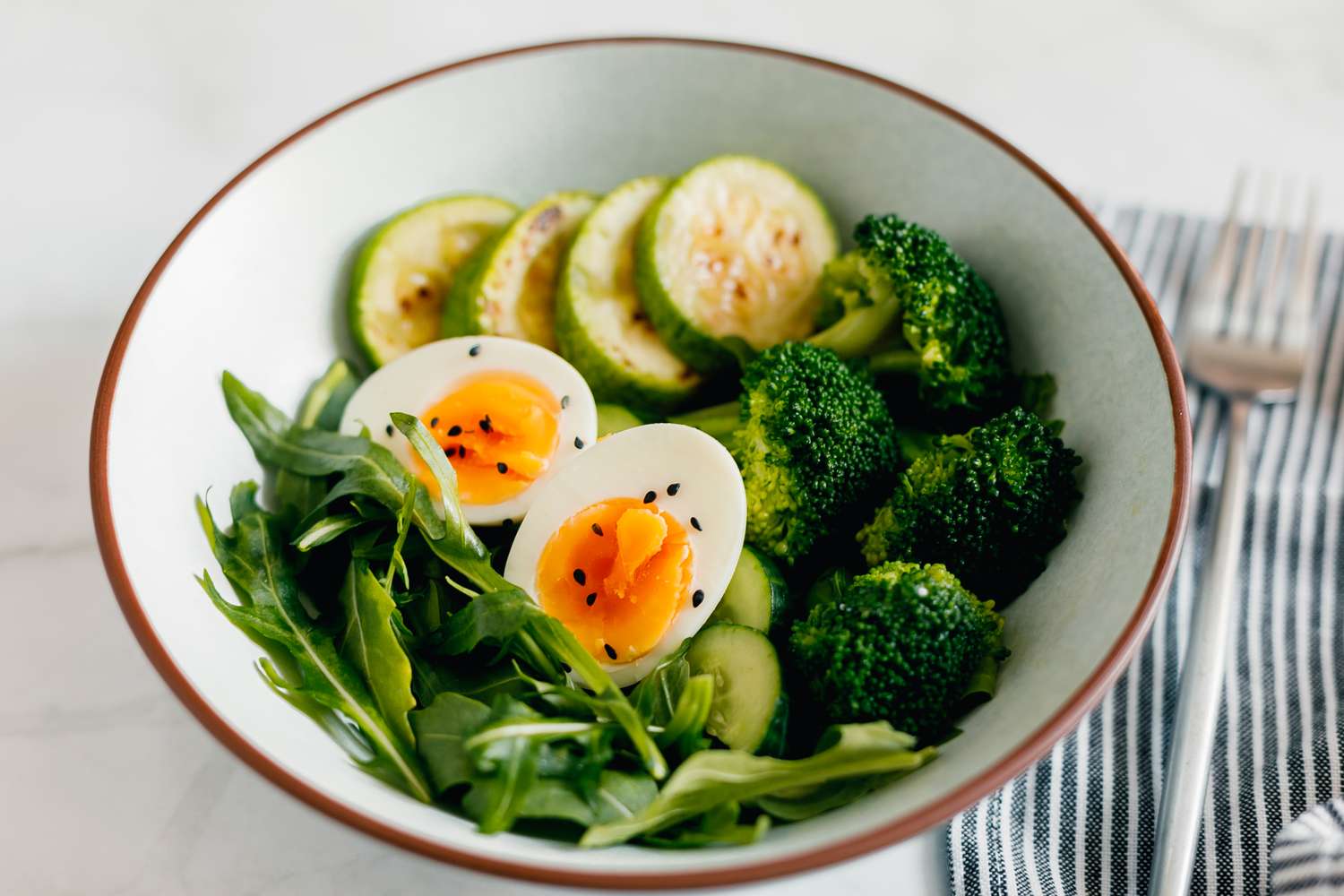
To meet your protein intake for GLP-1 strength training, focus on leucine-rich sources. Leucine is the amino acid responsible for "turning on" the muscle-building machinery in your cells. Lean chicken, turkey, Greek yogurt, and egg whites are excellent choices.
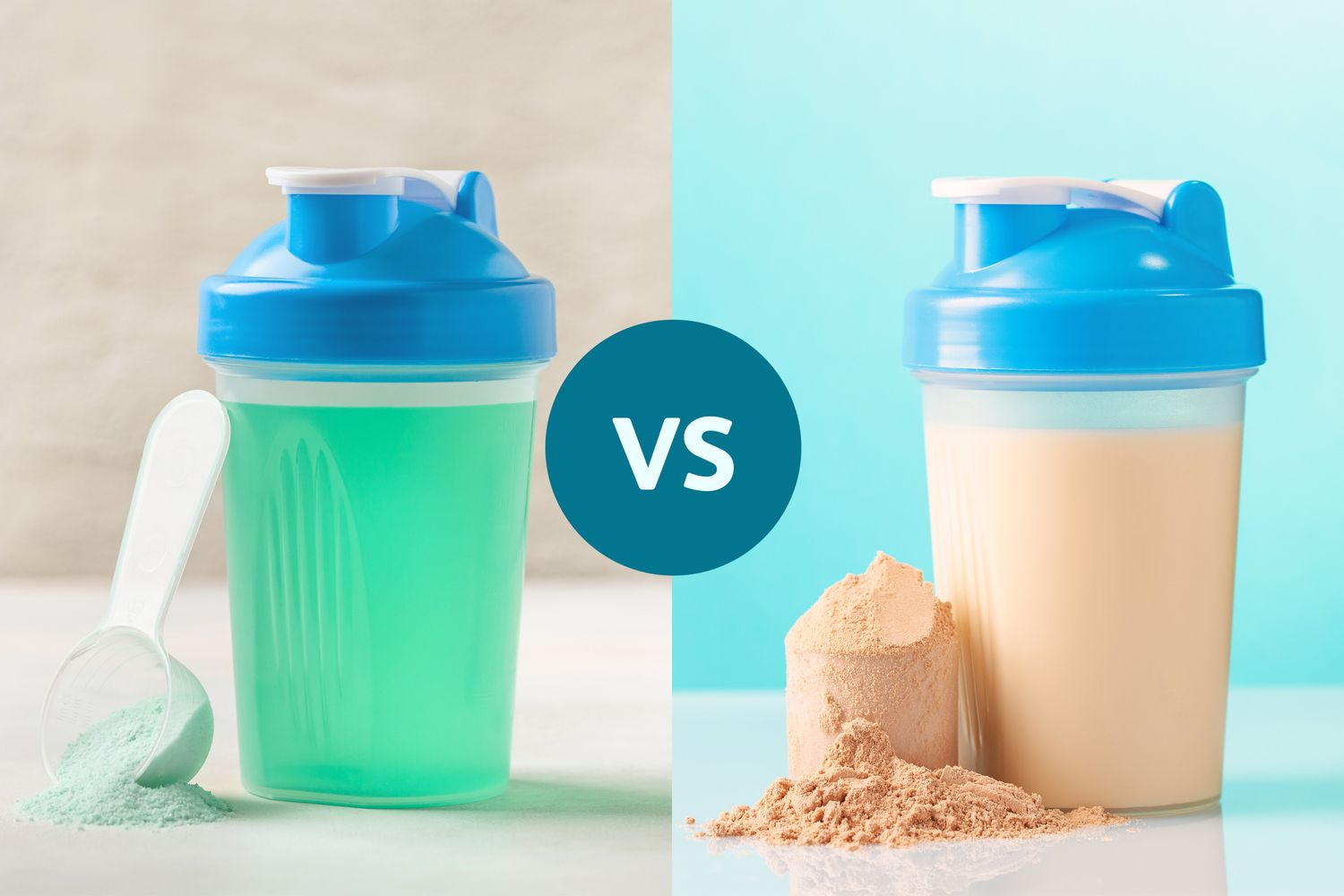
Since appetite suppression is a major factor, many users struggle to eat solid meals. In this case, liquid nutrition is a lifesaver. Using a high-quality whey protein or casein shake can help you hit your macronutrient profile without making you feel uncomfortably full. Aim for 25-40g of protein per meal to maximize the muscle protein synthesis response.
Managing Exercise Fatigue and Recovery
One of the most common complaints for those on semaglutide or tirzepatide is a profound sense of lethargy. Managing exercise fatigue on semaglutide requires a tactical approach to supplementation and lifestyle.
First, prioritize hydration and electrolyte replenishment. GLP-1 medications can change how your body manages fluids, and dehydration is a leading cause of mid-workout crashes. Drinking water with added sodium, potassium, and magnesium before and during your workout can significantly improve your endurance.
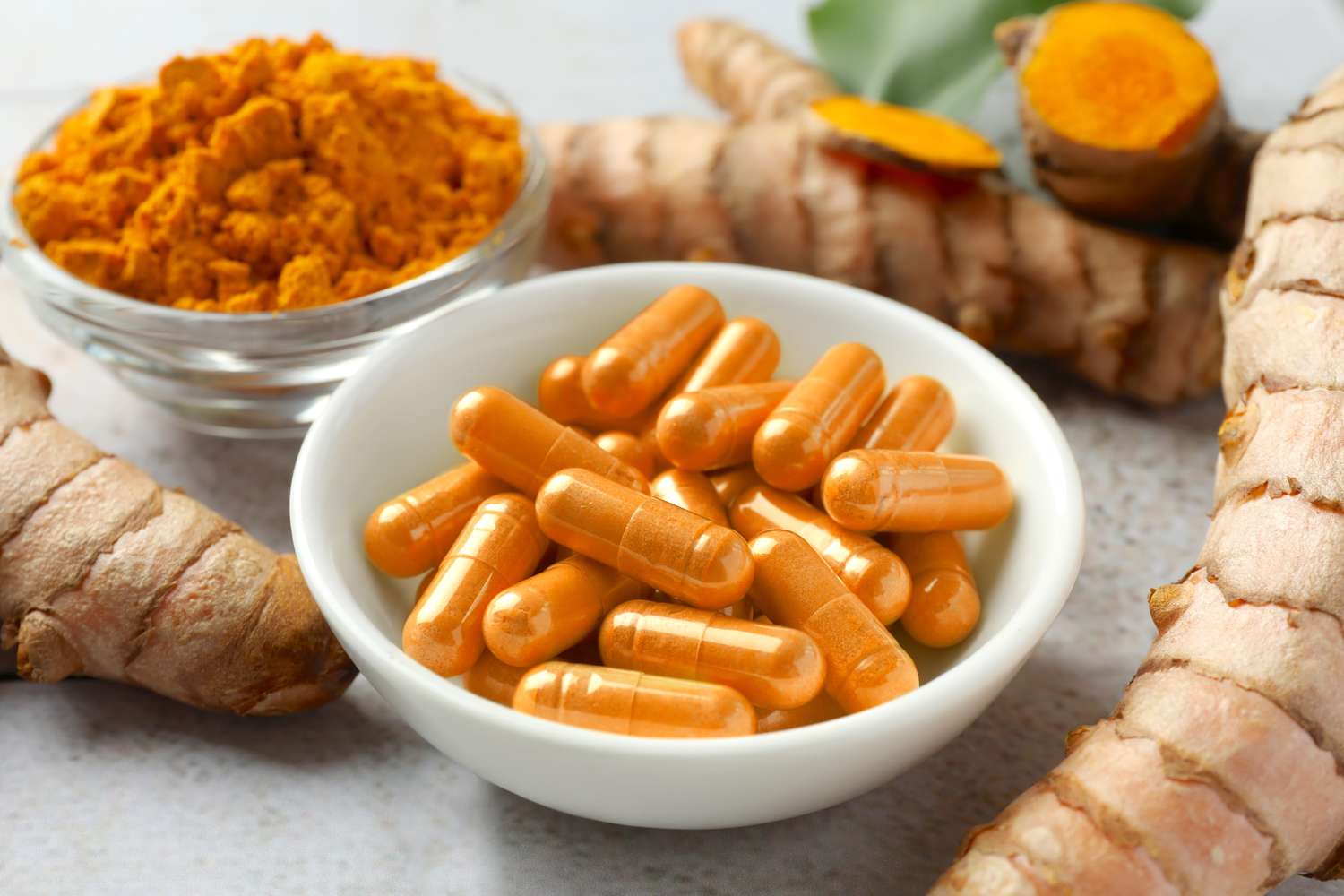
Second, consider adding 3-5g of creatine monohydrate to your daily routine. Creatine is one of the most researched supplements in sports science. It helps replenish ATP (the primary energy currency of your cells), which can help you maintain strength even when your calorie intake is low. It also aids in muscle recovery, ensuring you are ready for your next session.
Finally, do not underestimate the power of sleep. Most muscle repair occurs during the deep stages of sleep. If you are training hard and eating at a deficit but only sleeping five hours a night, you are inviting muscle wasting. Aim for 7-9 hours of quality rest. If the medication is causing nausea that interferes with sleep, try moving your largest protein meal to earlier in the day and focus on smaller, frequent snacks in the evening.
FAQ
Is strength training necessary while taking GLP-1 medications?
While you will lose weight without it, strength training is essential for ensuring that the weight lost comes from fat rather than muscle. Without resistance training, you risk losing up to 40% of your weight from lean tissue, which can damage your metabolism and lead to a "skinny fat" appearance.
Can you build muscle while on GLP-1 agonists?
It is possible, though challenging, to build muscle while on these medications. It requires a very high protein intake and a dedicated focus on progressive overload. Most users should focus on "muscle preservation" as their primary goal, with muscle growth being a secondary benefit if their protein and training protocols are perfect.
How many days a week should I strength train on GLP-1?
The recommended frequency is two to three days per week. This provides enough of a stimulus to maintain muscle mass while acknowledging that recovery may be slower due to the caloric deficit and medication-related fatigue.
How much protein is needed for strength training on GLP-1?
You should aim for 1.2 to 2.0 grams of protein per kilogram of body weight. For a person weighing 80kg, this equates to roughly 96g to 160g of protein per day. Using liquid protein supplements like whey can help you reach these targets if your appetite is low.
Does strength training prevent muscle loss during rapid weight loss?
Yes, strength training provides a mechanical signal to the body that muscle tissue is necessary for survival. This signal can override the body's tendency to break down muscle for energy during a caloric deficit, shifting the weight loss focus toward fat stores.
Maintaining your strength while on GLP-1 medications is a marathon, not a sprint. By prioritizing compound movements, hitting your protein targets, and allowing for adequate recovery, you can achieve a body composition that is lean, strong, and metabolically resilient. Always consult with your healthcare provider before beginning a new heavy lifting regime while on medication to ensure your protocol is safe for your specific health needs.