Quick Facts
- Incidence: Gallbladder sludge is identified in up to 80% of gallbladder-related clinical cases as an incidental finding during imaging.
- Progression Risk: There is a 2% annual risk of asymptomatic cases developing into symptomatic conditions or complications.
- The 20% Rule: Research indicates that approximately 20% of individuals diagnosed with gallbladder sludge will eventually develop gallstones.
- The Three Paths: Once detected, sludge typically follows one of three clinical paths: it resolves spontaneously, recurs periodically, or progresses into stones.
- The Fat Paradox: Switching to a zero-fat diet to "save" the gallbladder is counterproductive; it prevents necessary contraction and worsens bile stagnation.
- Complication Rate: In clinical studies, about 24% of patients with isolated biliary sludge developed pancreaticobiliary complications within roughly 21 months.
Gallbladder sludge, also known as biliary stasis or microlithiasis, is a collection of cholesterol crystals and calcium salts that can thicken your bile into a gel-like consistency. While often discovered incidentally on an ultrasound, even asymptomatic gallbladder sludge carries a 2% annual risk of progressing into gallstones or causing inflammatory conditions like acute cholecystitis.
The 'Silent' Risk: Why Asymptomatic Findings Matter
Finding out you have gallbladder sludge during a routine checkup can be confusing, especially if you feel perfectly fine. In the world of gut health, we often look at sludge as the "pre-stone" phase of gallbladder disease. It is essentially muddy bile that has not yet hardened into solid stones. Because this echogenic material is still fluid or semi-solid, it is often dismissed, but longitudinal data tells a more complex story.
When we look at the long-term monitoring biliary sludge progression, the cumulative risks become clearer. While the annual risk of developing symptoms is relatively low at 2%, those numbers climb over time. Clinical observations suggest a 10% risk at five years, 19% at ten years, and a 26% cumulative risk at fifteen years. More importantly, having sludge presents a Hazard Ratio of 1.63, meaning you are 63% more likely to develop biliary symptoms compared to someone with a clear gallbladder.
Biliary sludge is also recognized as a major cause of acute pancreatitis in cases where no other apparent cause, such as large gallstones or alcohol use, is identified. This occurs because the fine particles of cholesterol crystals can migrate into the common bile duct and cause temporary blockages or irritation to the pancreatic duct. While certain factors like being male or taking statins are considered protective, the presence of supersaturated bile remains a primary concern for long-term digestive health.
Understanding Your Ultrasound Results
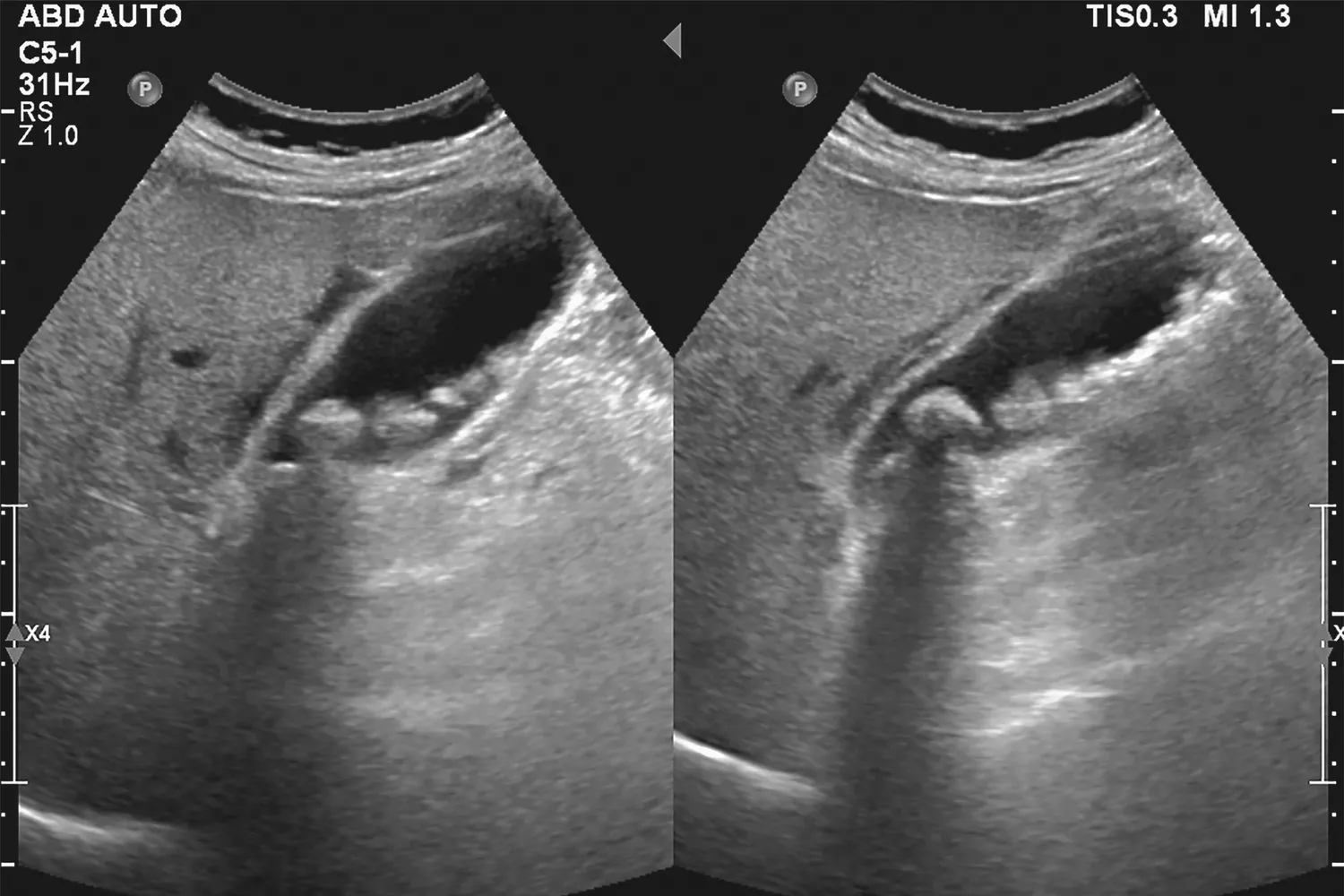
When you review your asymptomatic gallbladder sludge ultrasound results explained by a technician, you might see terms like "low-level echoes" or "gravity-dependent material." This simply means that the thickened bile is sitting at the bottom of the gallbladder. Unlike gallstones, which cast a distinct shadow on the ultrasound, sludge looks like a hazy cloud.
The clinical significance of this finding depends largely on your metabolic health. If you have diabetes or hyperlipidemia, the risk of gallbladder sludge turning into gallstones is significantly higher. Healthcare providers use these scans to determine if the sludge is a transient event—perhaps caused by a recent bout of illness or a period of fasting—or a chronic state of biliary stasis that requires intervention.
The 'Fat Paradox' and Dietary Management
One of the biggest mistakes patients make after a diagnosis is cutting out fat entirely. This leads us to the 'Fat Paradox.' Your gallbladder is a storage pouch; it only empties when you eat fat, which triggers a hormone called cholecystokinin (CCK). This hormone causes a postprandial contraction, squeezing the bile out into the small intestine to help with digestion.
If you follow a zero-fat diet, the gallbladder never receives the signal to contract. The bile sits stagnant, becoming more concentrated and more likely to form cholesterol crystals. To keep the system moving, the gallbladder sludge diet and prevention strategy focuses on "the middle ground."
| Diet Component | The Sludge-Inducing Diet (Avoid) | The Biliary Health Diet (Adopt) |
|---|---|---|
| Fat Content | Zero-fat or very high-saturated fat | Moderate healthy fats (olive oil, avocado) |
| Meal Frequency | Intermittent fasting or skipping meals | Eating every 4-5 hours |
| Fiber Type | Low-fiber, processed carbohydrates | High soluble fiber (oats, beans, lentils) |
| Weight Loss | Crash dieting (>3lbs per week) | Gradual weight loss (1-2lbs per week) |
To prevent gallbladder sludge progression without surgery, your ideal meal frequency for healthy gallbladder emptying should be every four to five hours. This regular "flushing" of the gallbladder prevents the bile from becoming supersaturated bile. Including best foods to clear gallbladder sludge naturally, such as beets, artichokes, and plenty of soluble fiber, can help bind bile acids and improve the overall lipid profile of your bile.
Monitoring and Medical Red Flags
While you may feel no pain now, it is vital to know the early warning signs gallbladder sludge is becoming symptomatic. The transition from sludge to biliary colic (gallbladder pain) often happens after a heavy, fatty meal.
The Red Flag Checklist:
- Sudden, sharp pain in the upper right abdomen or "pit" of the stomach.
- Pain that radiates to the right shoulder blade or back.
- Nausea or vomiting that occurs specifically after eating.
- A feeling of intense fullness or bloating that lasts for hours.
If you experience these symptoms, the "wait and see" approach usually ends. In some cases, a doctor may prescribe ursodeoxycholic acid. This medication works by decreasing the amount of cholesterol produced by the liver and dissolved in the bile, effectively thinning the mixture and making it easier for the gallbladder to empty. Monitoring through ultrasound is often recommended every 6 to 12 months for those with high risk factors to ensure the sludge is not hardening into obstructive stones.
Managing gallbladder sludge is not about living in fear of a future surgery; it is about taking the "incidental finding" as a nudge to optimize your biliary rhythm. By maintaining a steady intake of healthy fats and fiber, you provide your gallbladder with the daily exercise it needs to stay clear and functional.
FAQ
Is gallbladder sludge a serious medical condition?
Gallbladder sludge is generally not considered an emergency when it is asymptomatic, but it is a clinical sign that your bile is not flowing correctly. It is a precursor to more serious issues like gallstones, cholecystitis, or pancreatitis, meaning it requires lifestyle management and monitoring rather than immediate surgery.
Can gallbladder sludge turn into gallstones?
Yes, approximately 20% of people with gallbladder sludge will see it progress into hardened gallstones over time. This happens when the cholesterol crystals and calcium salts within the sludge continue to aggregate and calcify due to prolonged biliary stasis.
What foods should be avoided if you have gallbladder sludge?
You should avoid highly processed "trans" fats, excessive sugar, and refined carbohydrates, which can increase the cholesterol saturation of your bile. Most importantly, you must avoid crash diets or extremely low-calorie fasting, as rapid weight loss is a primary driver for sludge formation and stone progression.
Are there natural ways to clear gallbladder sludge?
The most effective natural way to clear sludge is to encourage regular gallbladder contraction. This is achieved by eating balanced meals with moderate healthy fats like olive oil every few hours and increasing soluble fiber intake. Staying hydrated and maintaining a healthy weight through gradual loss rather than rapid dieting also helps normalize bile composition.
Can gallbladder sludge go away on its own without treatment?
Yes, gallbladder sludge can be a transient finding. If it was caused by a temporary factor such as pregnancy, rapid weight loss, or certain medications, it might resolve on its own once the underlying cause is addressed and a regular eating pattern is established. However, follow-up imaging is usually necessary to confirm it has cleared.