Quick Facts
- Primary Goal: Maintaining Activities of Daily Living (ADL) and supporting independent living through movement-based health.
- Muscle Loss: Research shows that older adults can lose up to 30% of their muscle mass between the ages of 50 and 70 if they do not engage in resistance training.
- Risk Reduction: Consistent mobility training and functional balance training for elderly individuals can lower fall risks by approximately 40%.
- Frequency: A routine of two to three sessions per week is recommended to achieve progressive overload and allow for muscle recovery.
- Insurance Support: Many Medicare Advantage plans provide cost-free access to fitness programs like SilverSneakers, Renew Active, and Silver&Fit.
- Current Statistics: As of 2022, only 13.9% of adults in the United States aged 65 and older met federal physical activity guidelines for both aerobic and muscle-strengthening activities.
Functional fitness for seniors focuses on movements that mimic daily activities, such as squatting to sit, lifting groceries, or reaching overhead. Unlike isolated muscle training, these exercises engage multiple muscle groups and joints simultaneously to improve coordination, balance, and practical strength. This approach helps maintain independent living by making everyday tasks safer and more efficient while directly addressing sarcopenia prevention and postural alignment.
Why Functional Strength is the Key to Active Aging
As we age, the way we think about exercise shifts. In our younger years, many of us focused on aesthetics or hitting a specific number on a bench press. Today, the goal of active aging is much more practical: it is about maintaining the ability to pick up a grandchild, carry a heavy bag of soil in the garden, or navigate a flight of stairs without hesitation. This shift toward movement-based health is a defining trend for 2026, prioritizing longevity and quality of life over raw muscle size.
The biological reality is that individuals lose approximately 1.5% of their strength annually starting in their mid-30s. This rate often accelerates as we enter our 60s and 70s. Functional fitness for seniors acts as a protective shield against this decline. By focusing on compound movements, we can improve bone mineral density and enhance proprioception—the body's ability to sense its position in space. These factors are critical for fall prevention and ensuring that the posterior chain remains strong enough to support the spine.
| Feature | Traditional Strength Training | Functional Fitness |
|---|---|---|
| Focus | Isolated muscles (e.g., bicep curls) | Movement patterns (e.g., pulling) |
| Joint Involvement | Usually single-joint | Multi-joint/Compound movements |
| Real-world Application | General fitness/Bodybuilding | Activities of Daily Living (ADL) |
| Stability | Often uses machines for support | Requires core stability and balance |
Safety Checklist Before Starting
- Consult with your healthcare provider for medical clearance.
- Ensure you have a sturdy, non-slip pair of athletic shoes.
- Clear a safe space in your home free of rugs or tripping hazards.
- Keep a water bottle nearby to stay hydrated.
- Always start with a 5-minute warm-up like gentle marching in place.
11 Best Functional Workouts for Seniors
This list includes a mix of bodyweight resistance and light-weight exercises designed to be performed at home or in a gym setting. These mobility exercises for seniors focus on range of motion and practical power.
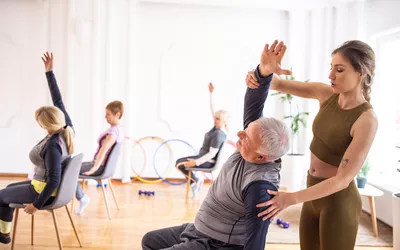
1. Sit-to-Stands (Chair-based) ⏱️ 5 min This exercise mimics the most common daily movement: getting in and out of a chair. It builds the quadriceps and glutes, which are essential for independent living. Simply sit on a sturdy chair, keep your feet shoulder-width apart, and stand up without using your hands if possible. Slowly lower yourself back down.
2. Farmer’s Walk ⏱️ 3 min The Farmer’s Walk is excellent for grip strength and core-focused functional movements for better posture in seniors. Hold a light weight (like a water bottle or small kettlebell) in each hand and walk in a straight line for 30 seconds. Keep your shoulders back and your gaze forward. This translates directly to carrying groceries or suitcases.
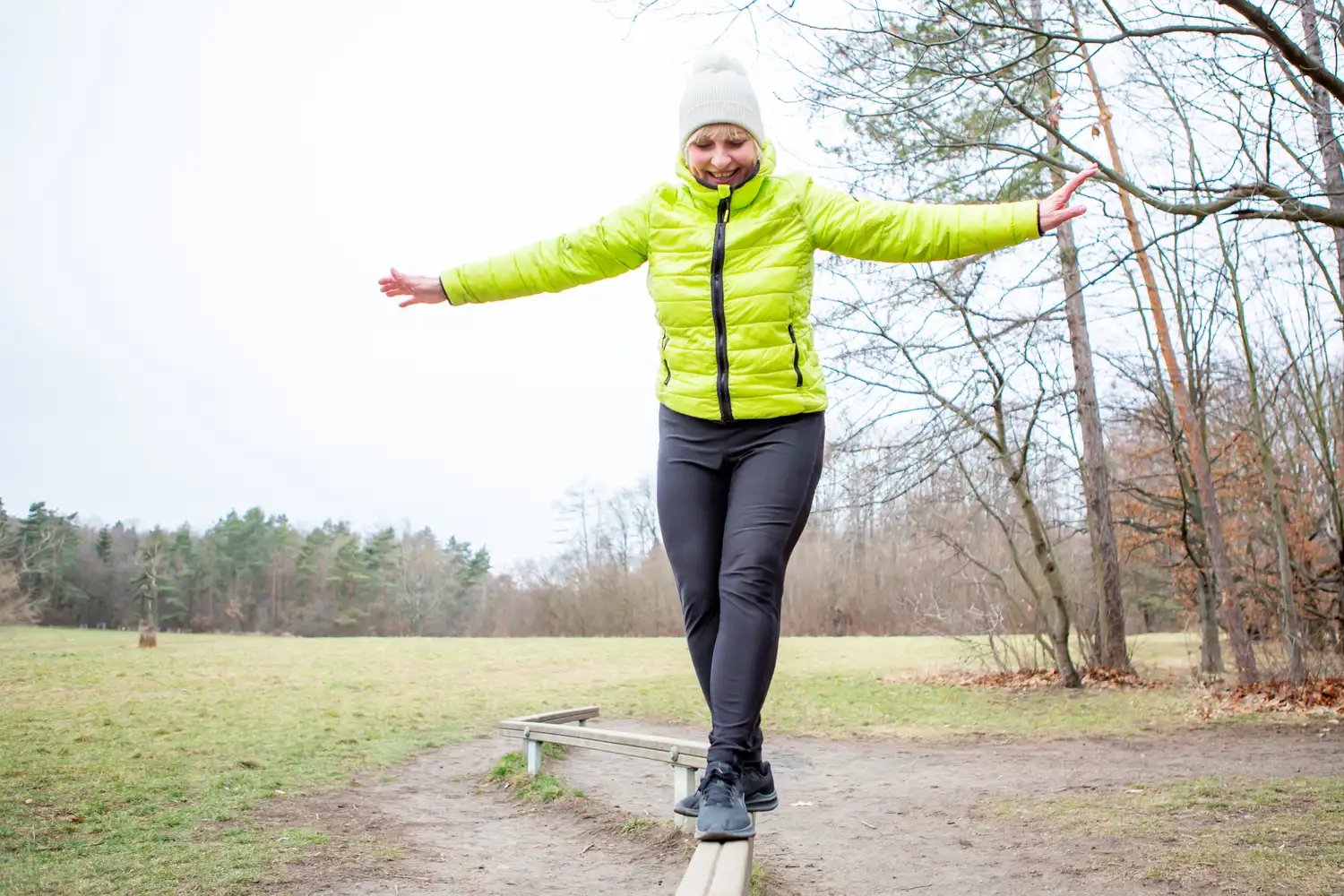
3. Single-leg Stance ⏱️ 2 min One of the most effective functional balance exercises for seniors to prevent falls is the single-leg stance. Stand near a counter for support and lift one foot off the ground. Hold for 10-20 seconds, then switch sides. This improves ankle stability and gait speed.
4. Wall Push-ups ⏱️ 4 min Maintaining upper body strength is vital for pushing open heavy doors or getting up from the floor. Stand facing a wall, place your hands at shoulder height, and perform a push-up. This is a great example of at-home functional strength training for older adults no equipment needed.
5. Bird-Dog ⏱️ 5 min To improve core stability and protect the lower back, the Bird-Dog is a gold standard. On your hands and knees, extend your right arm forward and your left leg backward. Hold for a few seconds and alternate. This enhances coordination and helps with postural alignment.
6. Deadbugs ⏱️ 5 min Performed lying on your back, the Deadbug is another excellent core exercise that protects the spine. Slow, controlled movements of opposite limbs help train the deep abdominal muscles without straining the neck.
7. Step-ups ⏱️ 5 min Using a bottom stair or a low aerobic step, step up with one foot and follow with the other. This mimics stair climbing and improves hip power and balance.
8. Kettlebell Swings ⏱️ 5 min The benefits of kettlebell workouts for senior functional strength are immense, particularly for the posterior chain. Use a light weight and focus on the hip hinge movement. This builds the explosive power needed to prevent a stumble from becoming a fall.
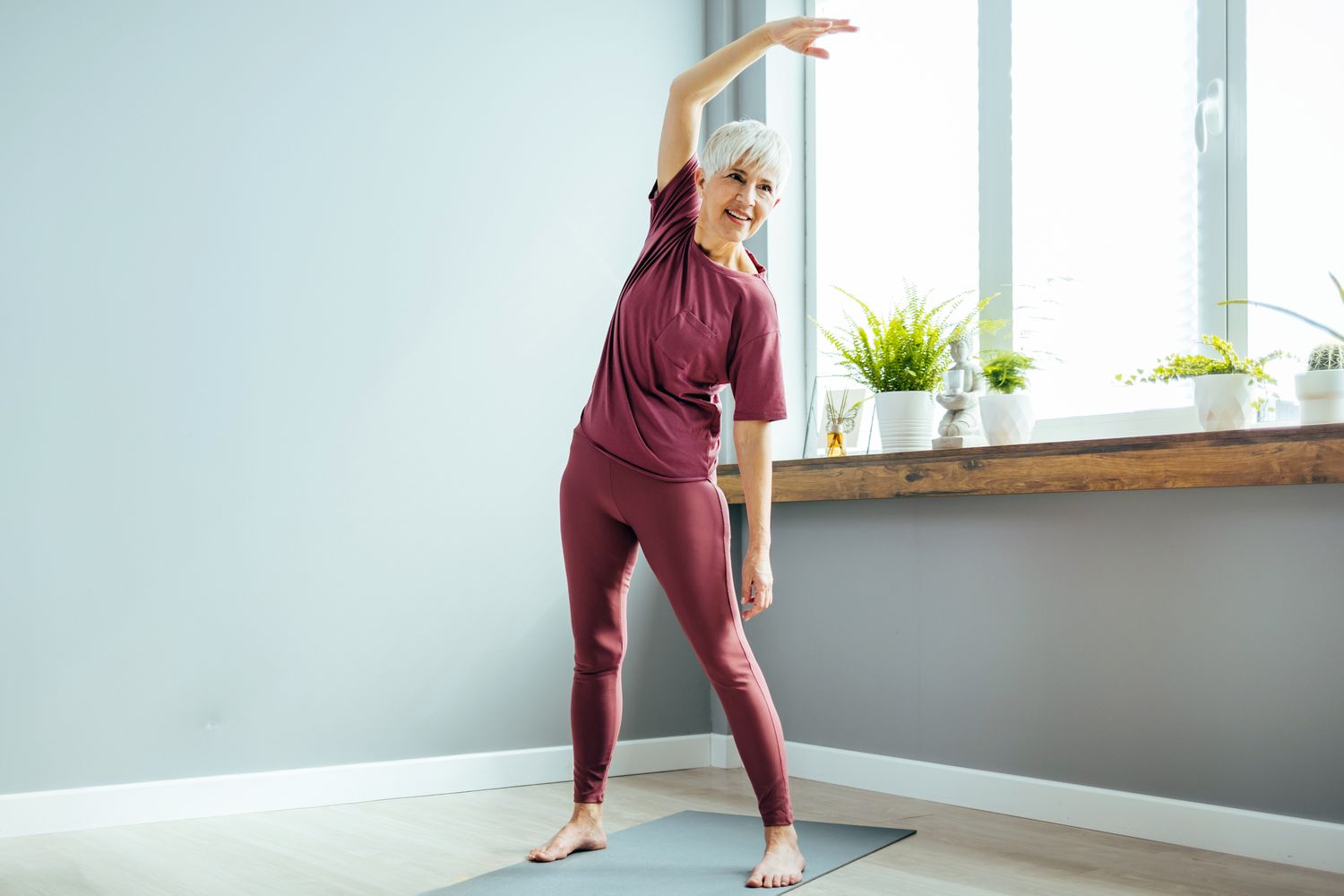
9. Overhead Reaches ⏱️ 3 min Stand tall and reach one arm up toward the ceiling as if reaching for a high shelf. This maintains shoulder range of motion and prevents the stiffness often associated with aging.
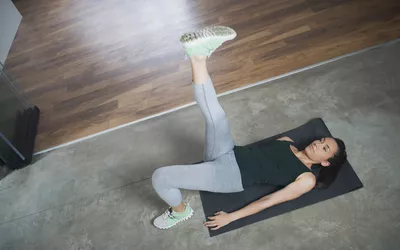
10. Glute Bridges ⏱️ 4 min Lie on your back with knees bent and feet flat. Lift your hips toward the ceiling. This strengthens the glutes and hamstrings, which are the primary drivers for walking and standing.
11. Tandem Walk ⏱️ 3 min Walk heel-to-toe in a straight line, as if walking on a tightrope. This is a classic for functional balance training for elderly people, as it challenges the vestibular system and improves gait stability.
Integration Strategy: Exercise Snacking & Daily Routine
You don’t need to spend an hour in the gym to see results. A concept gaining popularity is exercise snacking—performing short, one-minute bursts of movement throughout the day. For example, you can do five sit-to-stands while waiting for the microwave or practice your single-leg stance while brushing your teeth. These small moments of strength training for older adults add up quickly.
To see real progress, you must apply progressive overload safely. This means that as an exercise becomes easy, you slightly increase the challenge. This could mean doing two more repetitions, holding a slightly heavier weight, or moving a bit slower to increase time under tension. The key to how to start a functional fitness routine for seniors safely is consistency over intensity. Aim for two to three dedicated sessions a week, but keep your body moving every day.
Exercise Snacking Sidebar
- The Kettle Boil: Do wall push-ups while waiting for your tea or coffee.
- Commercial Break: Perform glute bridges or leg lifts during TV commercials.
- Mail Run: Do a tandem walk down the hallway on your way to get the mail.
Safety First: Medical Clearance and Equipment
While functional fitness for seniors is generally low-impact, safety remains the priority. If you experience sharp pain, dizziness, or shortness of breath, stop immediately. It is often helpful to work with a physical therapist or a certified trainer who specializes in senior fitness when you are first learning how to start a functional fitness routine for seniors safely.
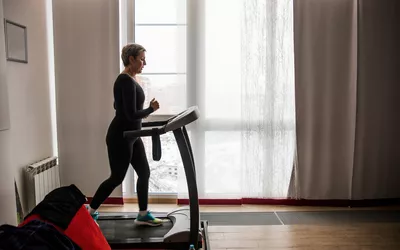
For those training at home, you don't need a full gym. A sturdy chair, a set of resistance bands, and a couple of light dumbbells or kettlebells are plenty. If you prefer cardio machines, an elliptical is often better for joints than a treadmill, though walking on a treadmill at a slight incline can be excellent for building the posterior chain.
Resource Guide: Insurance and Community Programs
Many seniors are surprised to find that their fitness journey can be supported by their insurance provider. Under many Medicare Advantage (Part C) and Supplement (Medigap) plans, programs like SilverSneakers offer free access to thousands of gyms and community centers across the country. These programs often host specific classes for functional fitness for seniors, providing both professional instruction and a social environment that supports independent living.
Other programs like Renew Active by UnitedHealthcare or Silver&Fit also provide similar benefits. Check your insurance card or call your provider to see if you qualify. These resources make it much easier to access the equipment and expert guidance needed for effective strength training for older adults.
FAQ
What are the benefits of functional fitness for seniors?
The primary benefits include improved ability to perform daily tasks, reduced risk of falls, and the maintenance of bone mineral density. By engaging in multi-joint movements, seniors can improve their coordination and cardiovascular health while fighting off sarcopenia prevention. It ultimately supports a higher quality of life and long-term independence.
What is the difference between strength training and functional fitness for older adults?
Traditional strength training often focuses on isolating specific muscles to build size or power, sometimes using machines that restrict movement. Functional fitness for seniors emphasizes movement patterns used in real life, such as pulling, pushing, and squatting. It trains the body to work as an integrated unit, which is more practical for Activities of Daily Living (ADL).
Can functional fitness help prevent falls in the elderly?
Yes, it is one of the most effective ways to reduce fall risk. By incorporating functional balance training for elderly individuals, such as the single-leg stance and tandem walks, you improve proprioception and ankle stability. Strengthening the core and legs also helps you recover more quickly if you do happen to trip.
What equipment is needed for a senior functional fitness routine?
Many of the best exercises require no equipment at all, utilizing bodyweight resistance. For added challenge, you might use resistance bands, light dumbbells, or a kettlebell. A sturdy chair and a wall are also helpful "tools" for many at-home functional strength training for older adults no equipment routines.
How do I start a functional fitness program as a beginner over 60?
The best way to start is slowly. Begin with chair-based movements and simple balance exercises. Focus on your form and range of motion before worrying about adding weight. It is highly recommended to seek medical clearance first and consider joining a program like SilverSneakers to get professional guidance on how to start a functional fitness routine for seniors safely.
The journey toward active aging starts with a single movement. Whether it is a few sit-to-stands this morning or a short walk to improve your gait speed, every effort counts toward a stronger, more independent future. Don't wait until you feel "old" to start; the best time to build the strength you need for tomorrow is today.