Quick Facts
- Daily Fiber Goal: Aim for 20 to 35 grams of total fiber daily to help maintain digestive ease.
- Risk Reduction: Research shows that 30 grams of fiber daily can lead to a 41% reduction in diverticular disease risk.
- Prevalence: Diverticulosis is common, affecting one-third of adults aged 50–59 and up to 80% of those over 80.
- The Golden Rule: Always pair increased fiber with 8–10 cups of water to ensure smooth transit.
- Safe Foods: Contrary to old myths, most patients can safely enjoy nuts, seeds, and popcorn.
- Transition Speed: Increase your fiber intake by no more than 5 grams per week to minimize gas and bloating.
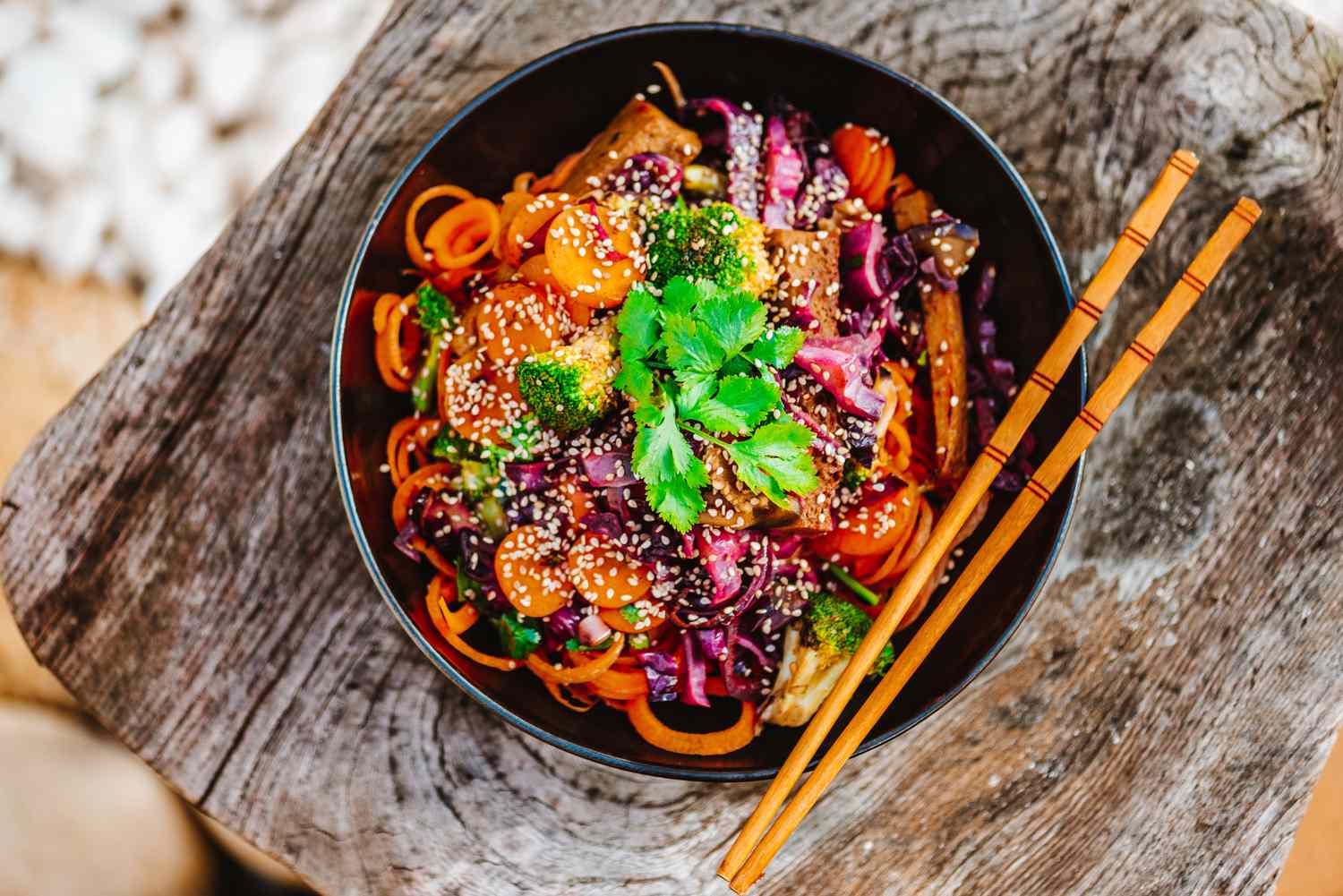
Managing diverticulosis requires a transition to a high-fiber lifestyle to improve bowel regularity and stool consistency. A diverticulosis diet focuses on high-fiber foods to promote regular bowel movements and reduce colonic wall pressure. Key components include whole grains like oats, quinoa, and brown rice, along with legumes such as lentils and beans. Incorporating a variety of fresh fruits and vegetables helps meet the recommended daily fiber intake while supporting microbiome diversity and overall gastrointestinal health.
Understanding Diverticulosis vs. Diverticulitis
When you receive a diagnosis involving diverticular disease, the terminology can be confusing. As a gut health editor, I often see patients mistake the maintenance phase for the acute phase. Diverticulosis refers to the presence of small pouches, called diverticula, that develop in the lining of the colon. This condition is incredibly common in Western societies. In the United States, diverticulosis prevalence increases significantly with age, affecting approximately one-third of adults aged 50 to 59 and up to 80% of those aged 80 and older.
The management of these two states is fundamentally different. During an active flare-up, known as diverticulitis, the pouches become inflamed or infected. In this low-residue phase, your doctor will likely recommend a clear liquid diet or low-fiber foods to allow the bowel to rest and achieve inflammation reduction. However, once the infection clears, transitioning from clear liquid to high fiber diet becomes the priority. The goal of a long-term diverticulosis diet is to keep stool soft and bulky, reducing the pressure required by the colon to move waste.
| Feature | Diverticulosis (Maintenance) | Diverticulitis (Flare-up) |
|---|---|---|
| Primary Goal | Prevent inflammation and maintain regularity | Reduce irritation and heal infection |
| Fiber Focus | High fiber (25–35g per day) | Low fiber or clear liquids |
| Key Foods | Whole grains, legumes, raw produce | White bread, broth, cooked eggs |
| Hydration | High (critical for fiber transit) | Balanced (electrolyte focus) |
| Bowel State | Regularity and gut motility | Acute inflammation |
The 4-Week Ramp-Up: Gradually Increasing Fiber
One of the biggest mistakes people make when adopting a diverticulosis diet is trying to hit the 35-gram target overnight. If your gut is used to 10 grams of fiber, a sudden jump to 30 grams will likely cause significant bloating, gas, and cramping. Instead, use a structured approach to gradually increasing fiber for diverticulosis relief. This allows your microbiome diversity to adapt and your enzymes to catch up.
Your fiber intake consists of two main types. Soluble fiber dissolves in water to form a gel-like substance, which helps with stool consistency and slowing digestion. Insoluble fiber adds bulk to the stool and aids in gut motility, helping food pass more quickly through the stomach and intestines. Both are essential for reducing colonic wall pressure.
To manage expectations, follow this weekly schedule:
- Week 1: Focus on your morning routine. Swap your processed cereal for steel-cut oats or add a serving of fruit to your breakfast. Aim for an extra 5 grams of fiber per day.
- Week 2: Address your midday meal. Incorporate a side salad or swap white bread for a hearty whole-grain version. You should be seeing a total increase of 10 grams from your baseline.
- Week 3: Focus on prebiotic intake. Start introducing small portions of lentils or chickpeas into your dinners. These legumes are powerhouses for bowel regularity.
- Week 4: Evaluate your snacks. Swap processed chips or crackers for air-popped popcorn or a handful of almonds. By this stage, you should be nearing your goal of 25 to 35 grams.
High-Fiber Breakfast and Lunch Ideas
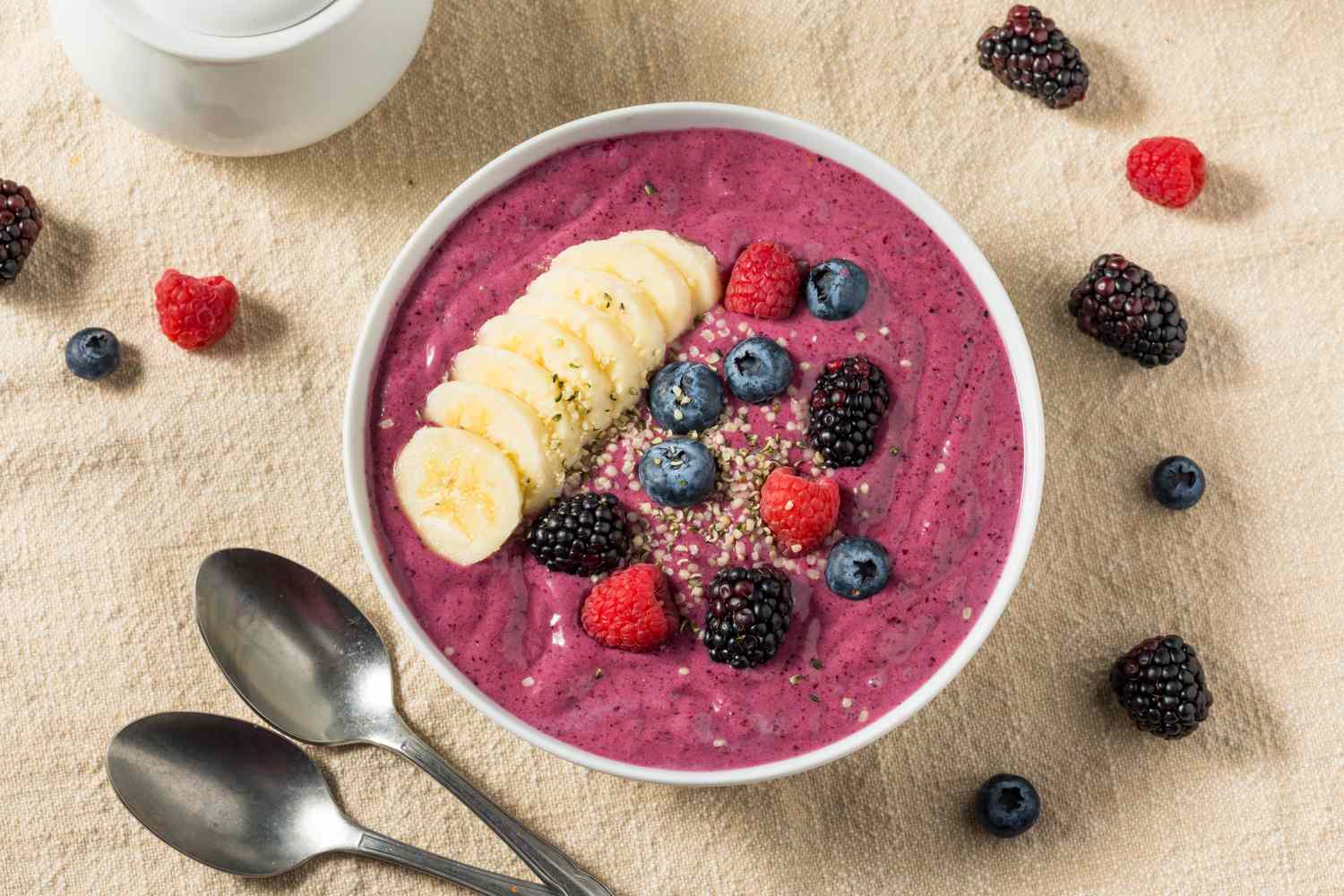
Breakfast is the easiest time to make a significant dent in your daily requirements. When considering high fiber breakfast ideas for diverticulosis patients, whole grains are your best friend. A cup of cooked oatmeal provides about 4 grams of fiber, but you can easily double that by adding a half-cup of raspberries (4g) or a tablespoon of chia seeds (5g).
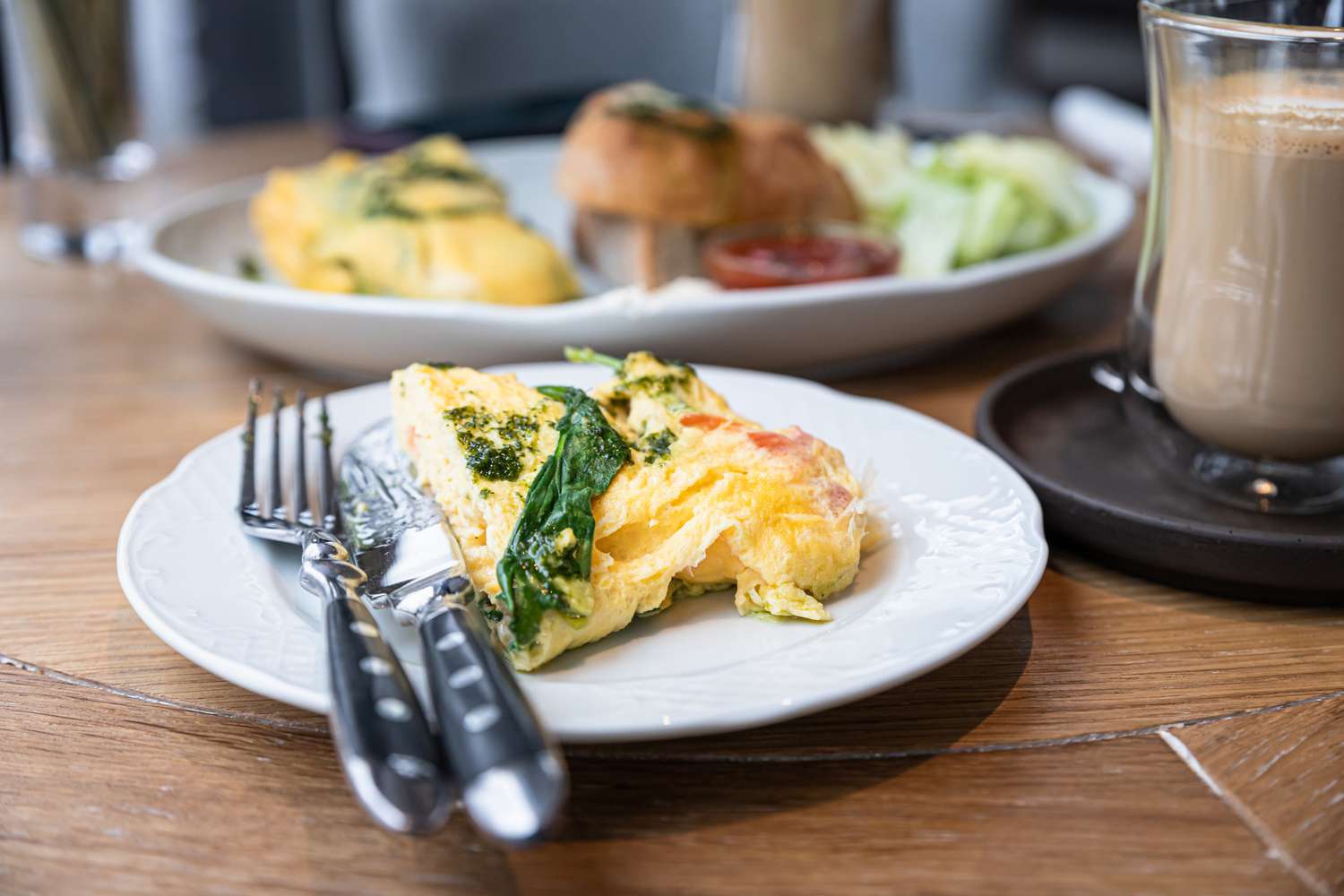
For those who prefer savory options, consider best whole grains for diverticulosis meal planning like quinoa or farro. These can be used as a base for breakfast bowls topped with soft-cooked vegetables like sautéed spinach or peppers. During the initial transition, cooking your vegetables thoroughly can make them easier on your digestive system than raw versions.
Lunch should focus on portable, complex carbohydrates that keep your energy stable and your gut moving. Here are a few diverticulosis meal planning tips for the middle of the day:
- Whole-Grain Wraps: Use a high-fiber whole-wheat tortilla (6g) filled with turkey, avocado (5g per half), and shredded carrots.
- Quinoa Salads: Cooked quinoa (5g per cup) stays fresh in the fridge and pairs perfectly with cucumber, tomatoes, and a lemon-tahini dressing.
- Lentil Soups: A simple cup of lentil soup can provide up to 8 grams of fiber. It is a comforting way to ensure gastrointestinal health during the colder months.
Dinner: Incorporating Beans, Lentils, and Vegetables
Dinner is often where we have more time to experiment with high fiber foods for diverticulosis. Legumes are arguably the most effective tool in your dietary arsenal. Navy beans, for example, offer a staggering 19 grams of fiber per cup, while split peas offer about 16 grams.
When incorporating beans and lentils into high fiber meals, preparation is key. If you are using dried beans, soaking them overnight and rinsing them thoroughly can help reduce the sugars that cause gas. If you are using canned beans, a thorough rinse is equally important to remove excess sodium.
For your vegetable sides, keep the skins on whenever possible. A medium sweet potato with the skin contains about 4 grams of fiber, but that drops significantly if you peel it. Focus on soft cooked high fiber vegetables for diverticulosis such as broccoli (5g per cup), Brussels sprouts (4g per cup), or artichokes (10g for a medium globe). Clinical practice recommendations suggest a daily fiber intake of 20 to 35 grams to help prevent the development of diverticulitis.
Portable Fiber-Rich Snacks for Gut Health
Maintaining gut motility throughout the day is easier when you have portable fiber rich snacks for gut health ready to go. Many people with diverticulosis worry about snacking because of the outdated advice to avoid small, hard particles. However, current research suggests that unless a specific food causes you personal distress, there is no reason to avoid nuts and seeds.
Here are some nutrient-dense options that provide both fiber and satiety:
- Greek Yogurt and Berries: A cup of yogurt topped with a half-cup of blackberries provides about 4 grams of fiber and a boost of probiotics.
- Hummus and Veggies: Three tablespoons of hummus paired with raw or lightly steamed carrot sticks offers roughly 5 grams of fiber.
- Air-Popped Popcorn: This is a whole grain that provides about 3.5 grams of fiber per 3-cup serving. It is an excellent low-calorie way to support bowel regularity.
- Dried Fruits: Options like dried apricots or dates are very fiber-dense. However, consume them in moderation as they are high in concentrated sugars.
- Nuts and Seeds: A small handful of almonds or pumpkin seeds can provide 3 to 4 grams of fiber.
Hydration: The Critical Partner to Fiber
If you increase your fiber without increasing your fluid consumption, you may inadvertently cause the very constipation you are trying to avoid. Think of fiber as a sponge; it needs water to expand and soften. Without adequate hydration, high-fiber diets can lead to hard stools that are difficult to pass, increasing the pressure on your colonic walls.
The importance of hydration with high fiber diverticulosis diets cannot be overstated. You should aim for a fluid consumption goal of at least 64 to 80 ounces (8 to 10 cups) of water per day. This doesn't all have to be plain water—herbal teas, broths, and water-rich fruits like watermelon also count—but water remains the gold standard for digestive health.
If you find it difficult to remember to drink water, try carrying a reusable bottle or using an app to track your intake. Consistent hydration ensures that the fiber you consume can do its job of promoting regular bowel movements and maintaining a healthy gut environment. Clinical research indicates that individuals consuming 30 grams of fiber daily may experience a 41% reduction in the risk of diverticular disease compared to those with a low fiber intake, but this benefit is heavily dependent on proper fluid intake.
FAQ
What foods should you avoid if you have diverticulosis?
In the maintenance phase of a diverticulosis diet, there are very few foods that are universally "forbidden." In the past, doctors told patients to avoid nuts, seeds, and popcorn for fear they would get stuck in the pouches, but modern science has debunked this. You should only avoid specific foods if you find they personally trigger digestive discomfort or gas. During an active flare-up (diverticulitis), however, you must avoid high-fiber foods and follow a low-residue diet as directed by your physician.
Is a high-fiber diet recommended for diverticulosis?
Yes, a high-fiber diet is the primary recommendation for managing diverticulosis. High fiber intake helps to bulk up the stool and soften it, which allows for easier passage through the colon. This reduces the internal pressure on the colonic walls and helps prevent the formation of new diverticula or the inflammation of existing ones.
Can you eat nuts and seeds with diverticulosis?
Yes, most people with diverticulosis can safely eat nuts and seeds. There is no clinical evidence showing that these foods increase the risk of diverticulitis. In fact, nuts and seeds are excellent sources of fiber and healthy fats that contribute to overall gastrointestinal health. If you feel hesitant, start with small amounts or choose nut butters to see how your body responds.
What is the difference between a diverticulosis diet and a diverticulitis diet?
The two diets are opposites. A diverticulosis diet is for long-term maintenance and is high in fiber to prevent problems. A diverticulitis diet is a short-term therapeutic diet used during an active infection or inflammation. It is a low-fiber or clear liquid diet designed to minimize bowel activity and allow the colon to heal. Always consult your doctor before transitioning from a low-residue phase back to a high-fiber plan.
How much fiber should I eat daily for diverticulosis?
Most clinical guidelines, including those from Stanford Healthcare, recommend a daily intake of 20 to 35 grams of fiber. Some research suggests that aiming for the higher end of that range, approximately 30 grams, provides the greatest protection against future complications. Remember to reach this goal through a combination of whole grains, legumes, fruits, and vegetables.