Quick Facts
- The Suffix Rule: If it ends in -osis, it is a structural condition; if it ends in -itis, it is an active inflammatory event.
- Prevalence: Diverticulosis affects approximately 5% of the population at age 40 and increasing to over 70% for individuals older than 80.
- Risk of Progression: It is estimated that approximately 4% to 15% of individuals with diverticulosis will eventually develop diverticulitis.
- Pain Location: The hallmark of a flare-up is sharp, constant lower left abdominal pain diverticulitis vs diverticulosis.
- Complication Rate: Among those with diverticulitis, 15% to 25% will experience serious complications such as abscesses or perforations.
- Diagnosis Gold Standard: A contrast-enhanced CT scan is the preferred method for diagnosing an acute flare-up.
- The Fiber Paradox: High fiber prevents progression, but a liquid diet is required during an active infection to ensure bowel rest.
The primary difference between diverticulitis vs diverticulosis is the presence of inflammation. Diverticulosis refers to the structural presence of small pouches (diverticula) in the colon wall, while diverticulitis occurs when these pouches become infected, leading to acute symptoms and complications. Understanding this distinction is the first step in managing your gut health and preventing a minor structural change from becoming a medical emergency.
Understanding the Suffixes: -Osis vs. -Itis
When navigating the world of gastrointestinal health, the terminology can often feel like a maze of similar-sounding words. To clear the confusion, it helps to look at the suffixes. The term diverticulosis refers to the state of having diverticula—small, grape-like pouches that bulge outward through weak spots in the colon wall. These pouches are most commonly found in the sigmoid colon, which is the last section of the large intestine before the rectum. This area experiences the highest amount of pressure during bowel movements, making it the most vulnerable to structural changes.
Think of it using the asthma analogy. Having diverticulosis is like having asthma—it is a chronic, underlying state that you live with every day. Most of the time, it does not interfere with your life. Having diverticulitis, however, is like having an asthma attack. It is the acute flare-up, the moment when the condition moves from a passive state to an active crisis requiring medical intervention.
In most cases, diverticulosis is caused by high pressure within the colon. When the colon has to work too hard to move small, hard stools—often due to a lack of dietary fiber intake—the internal pressure causes the lining to push through the muscle layer, creating these 5-10mm pouches. As long as these pouches remain clear and quiet, the condition is manageable. It only becomes diverticulitis when a pouch becomes blocked by fecal matter or bacteria, leading to intestinal inflammation and infection.

Symptoms and Warning Signs: When to Worry
One of the biggest challenges in identifying diverticulitis vs diverticulosis is that the former is usually an asymptomatic condition. Many people walk around with diverticula for decades without ever knowing it. They might only discover the pouches during a routine screening like a colonoscopy. In some cases, diverticulosis can cause painless rectal bleeding, which occurs when a small blood vessel near a pouch bursts. While seeing blood can be frightening, this type of bleeding is typically not associated with pain or infection.
The clinical picture changes drastically when diverticulitis enters the frame. The most common symptom is a sudden, sharp, and persistent pain. When looking at the lower left abdominal pain diverticulitis vs diverticulosis comparison, the pain of an infection is unmistakable—it is constant and often worsens when you move. Because the sigmoid colon sits on the lower left side of the abdomen for most people, that is where the distress is concentrated.
Beyond pain, you should monitor for systemic signs of infection. If you have known diverticula and start experiencing the following red flags, you may be moving from a state of "osis" to "itis."
Red Flag Symptoms: Seek Medical Attention If You Experience:
- High fever and chills
- Severe, worsening pain in the lower left abdomen
- Persistent nausea or vomiting that prevents eating
- A complete inability to pass gas or have a bowel movement
- Significant changes in bowel habits, such as sudden constipation or diarrhea
Differentiating symptoms is vital for timely treatment. While diverticulosis symptoms vs diverticulitis can overlap in rare cases of "smoldering" inflammation, the presence of a fever is almost always a sign that you have moved into the inflammatory stage.
Diagnosis and Clinical Staging
If a doctor suspects you have progressed to an acute flare-up, they will likely order a CT scan. This is considered the gold standard for diagnosis because it allows clinicians to see not just the pouches, but the inflammation in the surrounding tissue. It can also identify diverticular disease complications like an abscess (a pocket of pus) or a fistula (an abnormal connection between the colon and other organs like the bladder).
One critical rule in gastrointestinal medicine is the 6-8 week delay for colonoscopies following an acute flare-up. While a colonoscopy is excellent for seeing diverticulosis, performing one during an active diverticulitis episode is dangerous. The air used to inflate the colon during the procedure can put too much pressure on the inflamed, weakened walls, leading to an intestinal perforation. Doctors prefer to wait until the inflammation has subsided before performing any invasive screening.
While the majority of people recover with outpatient care, roughly 15% to 25% of patients will experience complications. In some severe cases, an infection can lead to peritonitis, a life-threatening condition where the infection spreads into the abdominal cavity. This is why understanding how to prevent diverticulosis from turning into diverticulitis is so much more than just a dietary preference—it is a preventative health necessity.
The Fiber Paradox: Diet and Nutrition Management
The way we manage these two conditions is where most people get confused, as the advice for one is the exact opposite of the advice for the other. This is often called the fiber paradox.
When you are in the chronic, structural stage of diverticulosis, your goal is to keep stool moving smoothly and keep pressure low. This requires a high fiber diet. Current dietary recommendations for diverticulitis vs diverticulosis suggest that men aim for 38 grams of fiber per day and women aim for 25 grams. This fiber acts like a sponge, soaking up water to create bulkier, softer stools that the colon can move easily without straining.
However, everything changes during an acute flare-up. If you are experiencing intestinal inflammation, adding fiber is like rubbing sandpaper on an open wound. During this time, your doctor will likely put you on a liquid diet or a low-fiber regimen to allow for bowel rest. By reducing the amount of work the colon has to do, you give the tissue a chance to heal.
Once the infection is cleared—often through antibiotic therapy, though mild cases are now sometimes managed with just rest—you will slowly reintroduce fiber. You might start with well-cooked vegetables and white bread before moving back to the high-fiber foods that prevent future issues.
High Fiber vs. Low Fiber: What to Eat and When
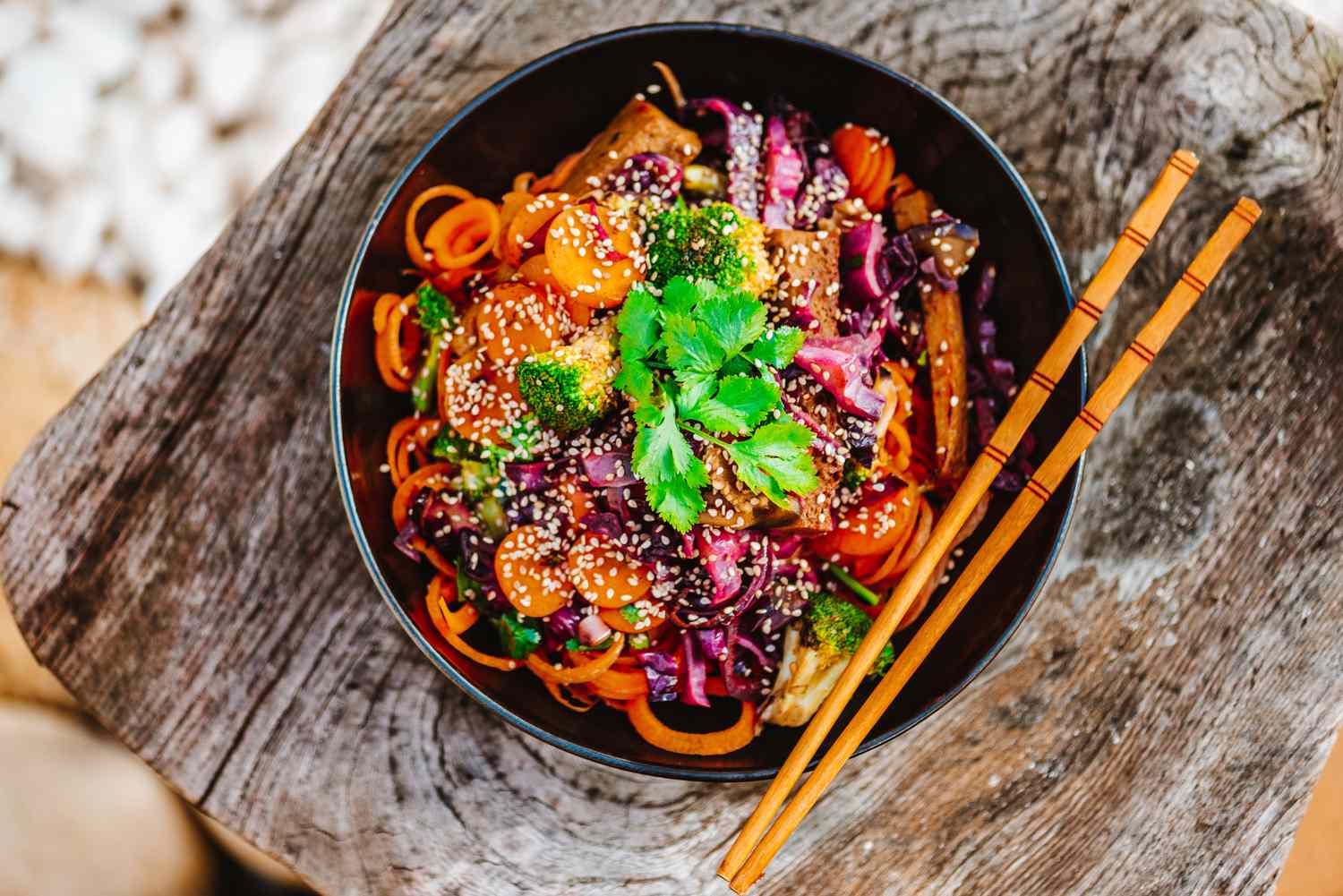
For Diverticulosis (Prevention & Maintenance):
- Legumes: Lentils, chickpeas, and black beans.
- Whole Grains: Quinoa, brown rice, and oats.
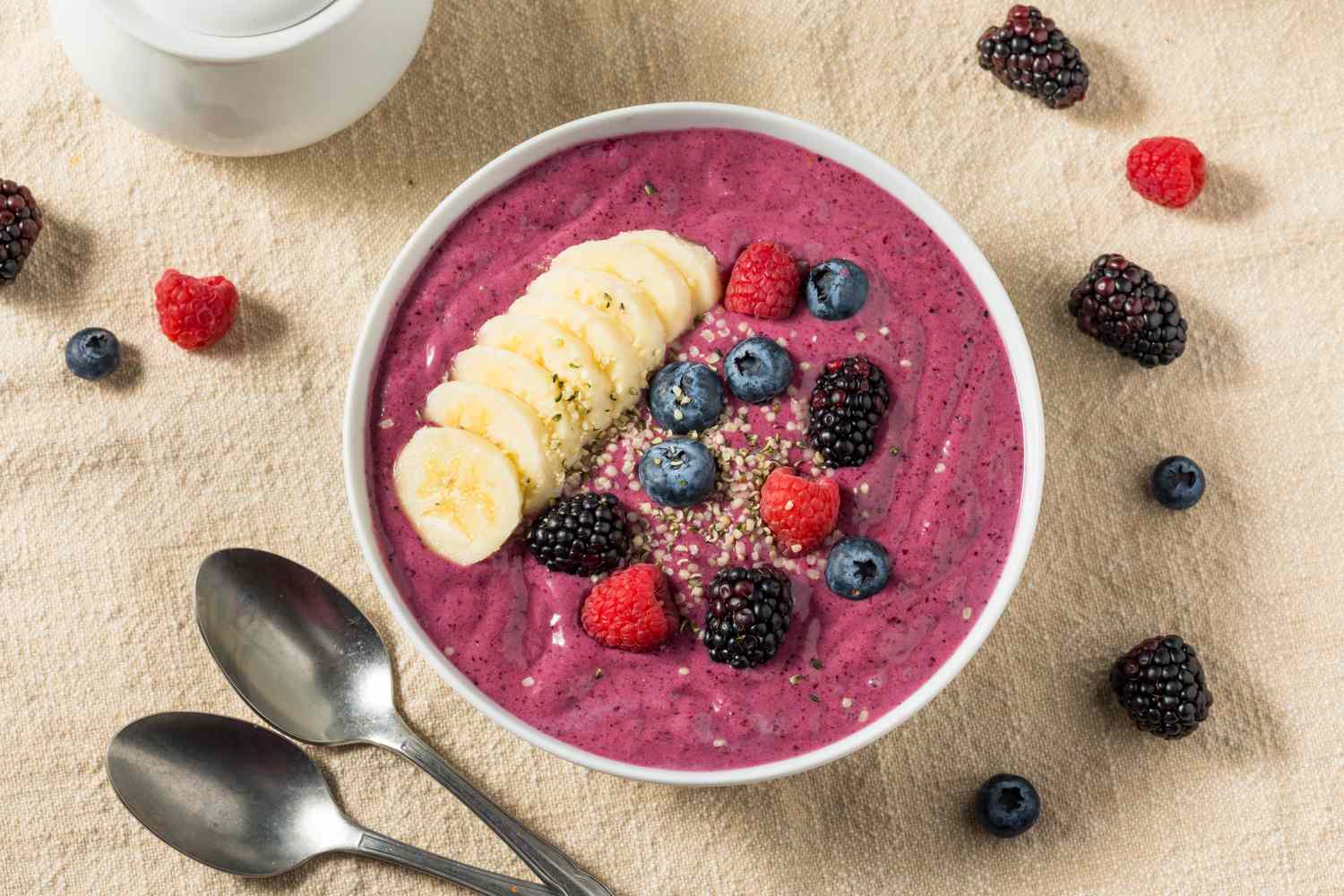
- Fruits: Raspberries, apples (with skin), and pears.
- Vegetables: Broccoli, Brussels sprouts, and carrots.
For Diverticulitis (During an Active Flare-Up):
- Liquids: Broth, clear juices (no pulp), and ice pops.
- Low-Residue Solids: White rice, plain crackers, and eggs.
- Proteins: Tender, well-cooked chicken or fish without heavy seasoning.
- Cooked Vegetables: Canned or soft-cooked vegetables without skins or seeds.
FAQ
What is the main difference between diverticulosis and diverticulitis?
The main difference is the presence of inflammation and infection. Diverticulosis is a structural condition where small pouches exist in the colon wall, usually without causing any pain or symptoms. Diverticulitis is a medical condition where those pouches become inflamed or infected, causing severe pain, fever, and requiring medical treatment.
Can diverticulosis progress to diverticulitis?
Yes, diverticulosis can progress to diverticulitis, though it only happens in a minority of cases. Statistics suggest that between 4% and 15% of people with the structural pouches will experience at least one inflammatory flare-up in their lifetime. Factors like diet, obesity, and smoking can increase the risk of this progression.
What foods should be avoided during a diverticulitis flare-up?
During an active diverticulitis flare-up, you should avoid high-fiber foods such as whole grains, raw vegetables, fruits with skins or seeds, nuts, and beans. These foods increase the amount of waste moving through the colon, which can irritate the inflamed area. Doctors usually recommend a clear liquid diet followed by a low-fiber diet until symptoms improve.
Is diverticulosis considered a life-threatening condition?
In its standard form, diverticulosis is not life-threatening and is often considered a normal part of aging. However, it can become dangerous if it progresses to complicated diverticulitis. Complications like a perforated colon or peritonitis are medical emergencies that require immediate surgery and can be life-threatening if left untreated.
What is the recommended diet for someone with diverticulosis?
The best diet and nutrition plan for diverticulosis is one that is high in fiber and includes plenty of hydration. You should focus on whole, plant-based foods like legumes, vegetables, fruits, and whole grains. Staying hydrated is equally important, as fiber needs water to move effectively through the digestive tract and prevent the constipation that causes increased colon pressure.