Quick Facts
- Top Essential Nutrients: Vitamin C, Vitamin D3, and Zinc are the non-negotiable pillars of pediatric immune defense.
- Growth Trend: The pediatric immune market is expanding rapidly, with a projected 9.7% CAGR through 2033.
- Selection Standard: Prioritize products with NSF or USP Third-party certification to ensure ingredient accuracy and safety.
- Format Matters: Liquid and oral sprays offer higher Bioavailability for infants compared to traditional gummies.
- Consistency over Seasonality: 57% of parents now choose year-round support rather than just seasonal interventions.
- Clean Label Priority: Avoid artificial dyes, high fructose corn syrup, and synthetic fillers to protect developing systems.
Effective natural immune support for children typically centers on essential nutrients like vitamins C, D3, and zinc. Many high-quality kids immunity supplements also incorporate botanical extracts such as elderberry for antioxidant benefits and omega-3 fatty acids to support overall cellular health. Probiotics and prebiotics are increasingly used to strengthen the gut microbiome, which plays a critical role in a child's systemic pathogen defense.
The Triple Threat: Vitamins C, D3, and Zinc
When we talk about natural immune support for kids, three specific micronutrients form the bedrock of clinical recommendation. These are not just "nice to have" additions; they are fundamental to how a child's immune system recognizes and responds to threats.
Vitamin D3 is arguably the most critical. It is more of a pro-hormone than a simple vitamin, acting as a key that unlocks the body's pathogen defense mechanisms. Without adequate Vitamin D3, T-cells—the "special forces" of the immune system—remain dormant. Zinc, meanwhile, is indispensable for cellular growth and the production of new immune cells. Because the body does not store zinc, a consistent daily intake is necessary, especially during the school year.
Vitamin C serves as a powerful antioxidant, protecting immune cells from oxidative stress during an active response. However, parents must distinguish between a multivitamin vs targeted immune supplements for kids. A general multivitamin is excellent for covering nutritional gaps in picky eaters, but it may not provide the concentrated dosage required for true seasonal resilience. Targeted supplements allow for precise Vitamin D3 and Zinc levels that can be titrated based on a child's specific needs and age.
2026 Market Insight: The focus on pediatric wellness is at an all-time high. According to data from the Centers for Disease Control and Prevention (CDC), approximately 34% of children and adolescents in the United States used at least one dietary supplement in the 30 days prior to being surveyed during 2017-2018.

Advanced Botanicals: Elderberry and Zinc Benefits
As we look toward 2026, the shift toward "food-as-medicine" has brought botanical extracts into the mainstream of pediatric care. Among these, elderberry stands out for its high concentration of anthocyanins—pigments that provide potent antioxidant support.
When searching for the best immune boosters for children, many parents find success with a combination of elderberry and zinc. This pairing is particularly effective during the best vitamins for kids immune system during school year searches because it targets both immediate response and long-term protection. Research into elderberry and zinc supplements for kids benefits suggests they may help maintain a healthy inflammatory response when the body is under stress from environmental triggers.
The efficacy of these botanicals depends heavily on the extraction method and the concentration of active compounds. Look for standardized extracts rather than simple "fruit powders," as these ensure that every dose contains the necessary level of active phytochemicals to support seasonal resilience.
Industry Data: The immune support segment of the global children's dietary supplements market is projected to be the fastest-growing category, with an expected compound annual growth rate (CAGR) of 9.7% from 2026 to 2033.
The Gut-Immune Connection: Probiotics and Prebiotics
One of the most significant shifts in nutritional science is our understanding of the Gut-lung axis. Approximately 70% to 80% of a child’s immune cells reside in the lymphoid tissue of the gut. This means that a healthy immune system vitamins for kids protocol must include attention to the microbiome.
Microbiome diversity is a hallmark of a robust immune system. When the gut is populated with beneficial bacteria, it creates a competitive environment that discourages the overgrowth of harmful pathogens. Probiotic and prebiotic supplements for kids immune health are designed to foster this diversity. Prebiotics act as the "fuel" for probiotics, ensuring the beneficial bacteria can thrive and colonize the digestive tract effectively.
Using dual-action formulas that combine specific probiotic strains with prebiotic fibers can enhance the overall systemic immunity of school-aged children. This approach provides a more holistic form of natural immune support for kids by addressing the internal environment where immune cells are "educated" to tell the difference between friendly bacteria and external threats.
Clean Label Standards: What to Look for on the Label
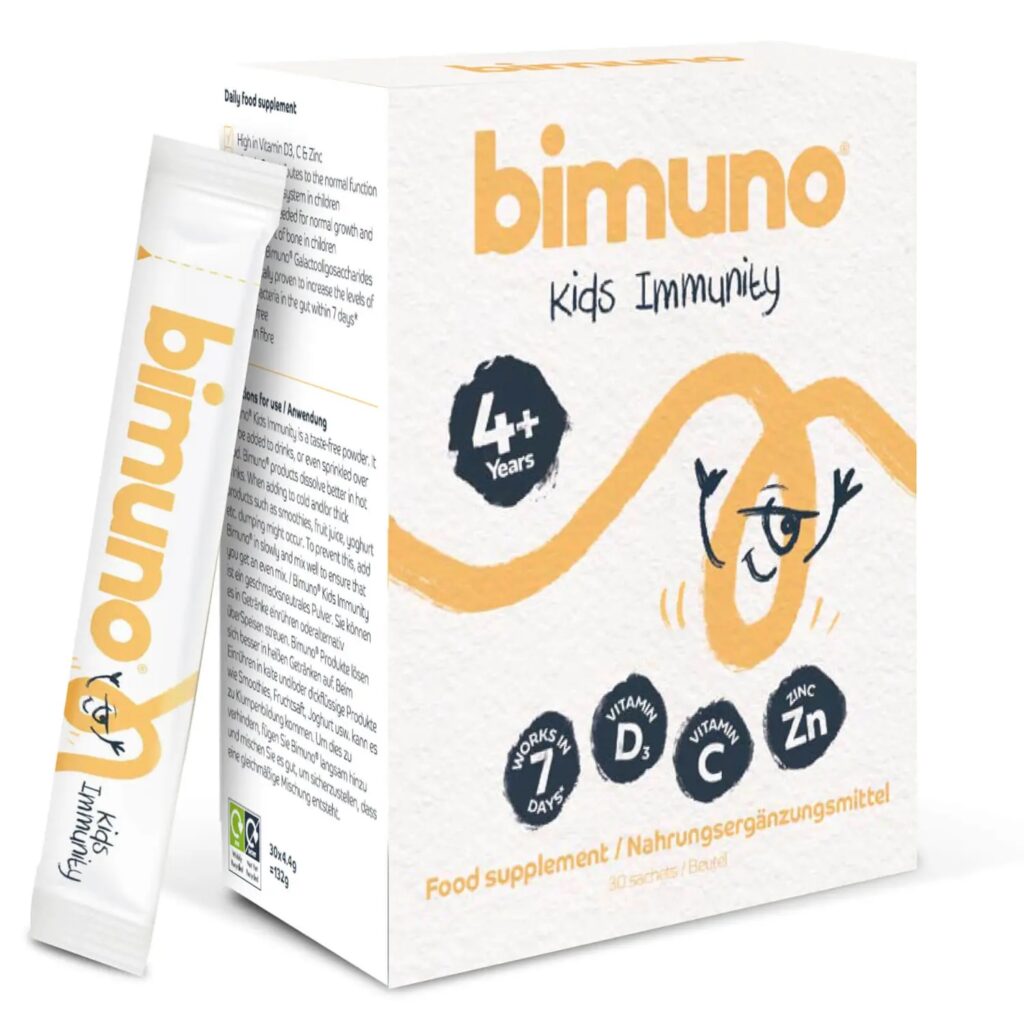
In an era of mass-marketed vitamins, "Clean Label" is more than just a buzzword; it is a safety standard. Many kids immunity supplements on grocery store shelves are packed with fillers that do more harm than good. When evaluating products, parents must be vigilant about ingredient transparency.
A clean label immunity supplements for children without artificial dyes guarantee means the product is free from Red 40, Yellow 5, and other synthetic colorants that have been linked to behavioral issues in sensitive children. Furthermore, many parents are now seeking sugar-free options to avoid the glucose spikes associated with traditional gummy vitamins.
The Clean Label Checklist for Parents
- Non-GMO: Ensures ingredients are not derived from genetically engineered organisms.
- No Artificial Dyes: Look for natural colors like beet juice or turmeric.
- No High Fructose Corn Syrup: Prioritize natural sweeteners like xylitol or monk fruit.
- Third-party certification: Look for the NSF or USP seal, which confirms the product has been tested for purity and potency.
- Top 9 Allergen Free: Vital for children with sensitivities to soy, dairy, or gluten.
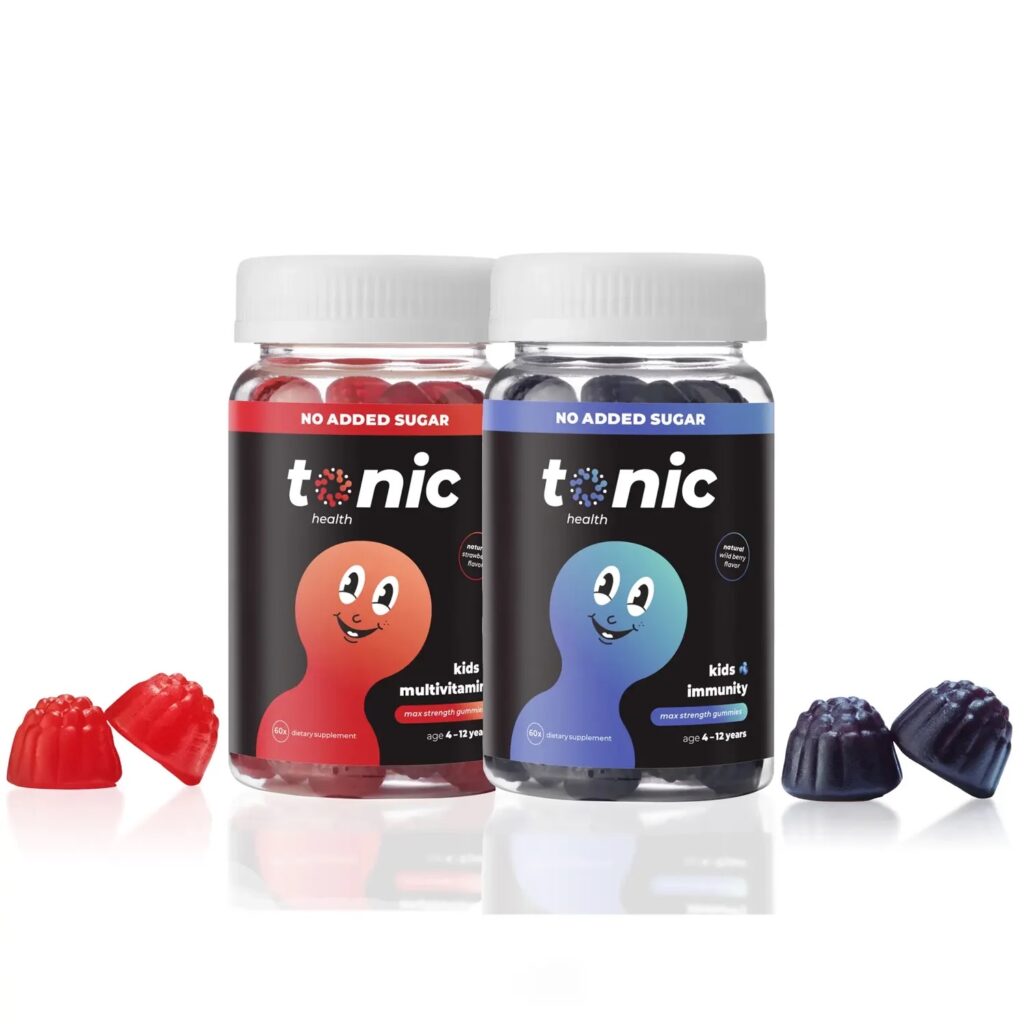
Solving the Picky Eater Problem: Sprays, Liquids, and Chewables
The best supplement in the world is useless if a child refuses to take it. For many families, administration hurdles are the biggest barrier to consistent natural immune support for kids. Traditionally, chewables were the only option, but 2026 has seen a rise in more sophisticated delivery methods.
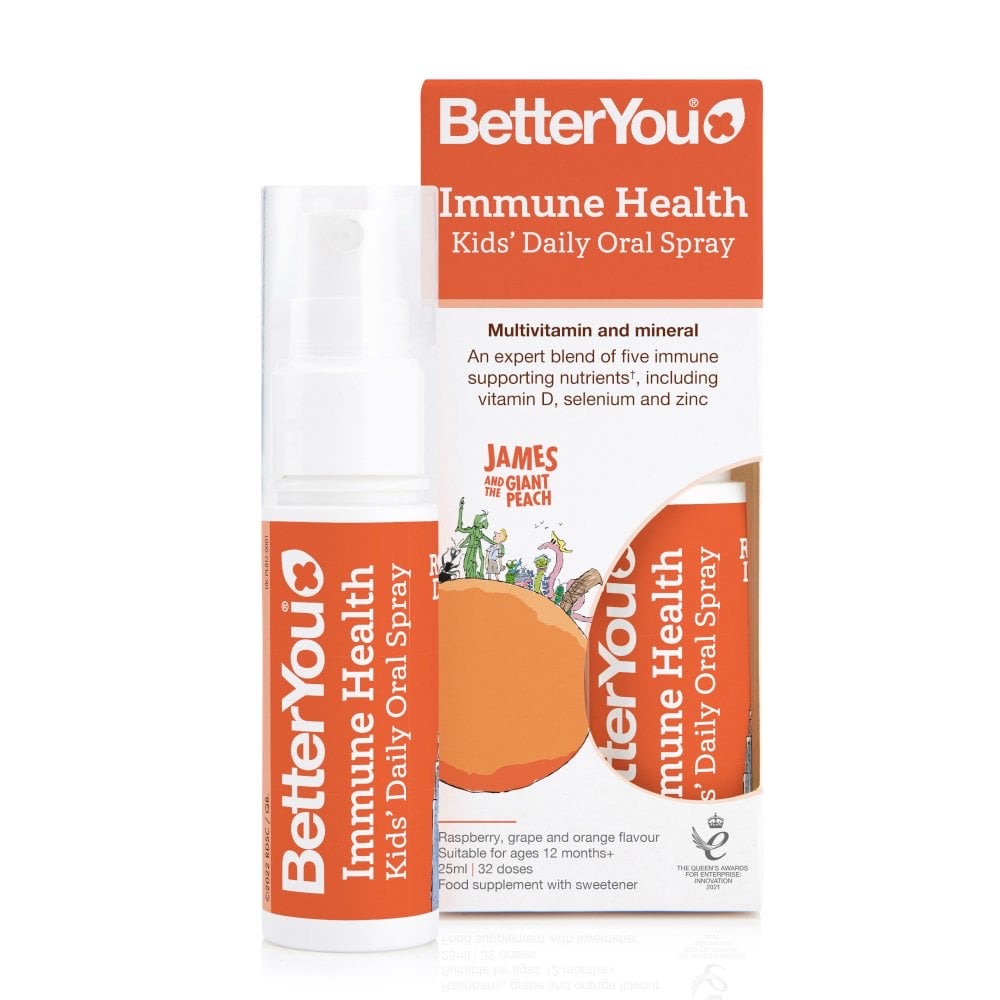
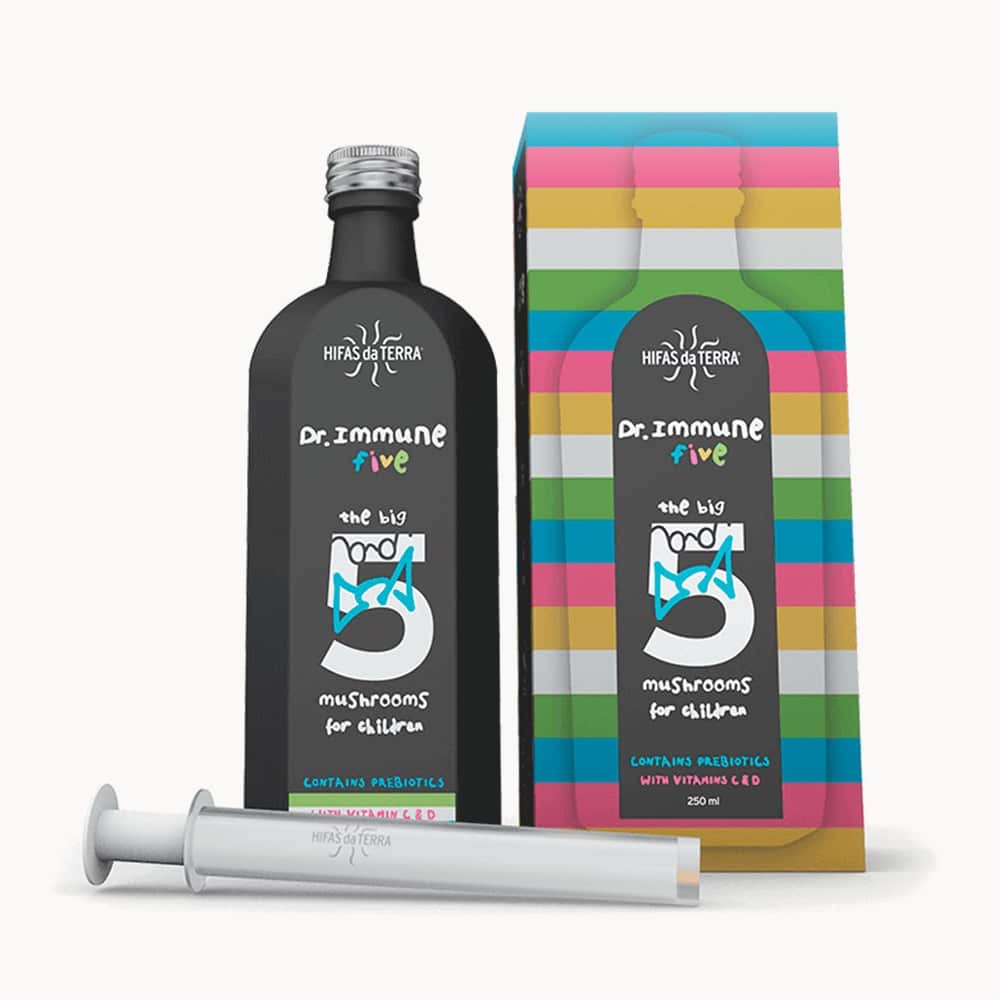
Bioavailability refers to how much of a nutrient actually enters the bloodstream. Liquid immune support vitamins for infants and toddlers often have a higher absorption rate because they bypass the need for mechanical breakdown in the stomach. Similarly, oral sprays can offer rapid Nutrient absorption through the mucous membranes in the mouth.
For older children, the best tasting chewable immune vitamins for picky eaters are those that use natural fruit flavors and avoid a chalky texture. However, if your child is particularly sensitive to tastes or textures, consider liquid drops that can be easily mixed into a morning smoothie or yogurt.
| Delivery Format | Bioavailability | Ideal Age Group | Key Benefit | Potential Drawback |
|---|---|---|---|---|
| Oral Sprays | Very High | Toddlers/School-age | Rapid absorption; no pills | May have a strong scent |
| Liquids | High | Infants/Toddlers | Easy to dose and mix | Can be messy to measure |
| Chewables | Moderate | 4+ years old | Kid-friendly flavors | Often contain fillers |
| Gummies | Moderate | 4+ years old | High compliance | Frequently high in sugar |
Safety First: Pediatrician Tips & Lifestyle
While kids immunity supplements are a powerful tool, they are not a replacement for a healthy lifestyle. Supplements work best when they provide the finishing touches to a foundation of sleep, nutrition, and hygiene. A Pediatrician recommended approach always begins with these basics.
Preschoolers generally need 10-13 hours of sleep per night, while school-aged children need 9-12. Sleep is the time when the immune system produces cytokines, proteins that help the body fight off infections. Without adequate rest, even the best vitamins for kids immune system during school year will have a limited impact.
Pediatrician’s Note: Always consult with your doctor before starting a new supplement regimen, especially if your child has a pre-existing condition or is on medication. A good rule of thumb is to call the doctor if your child experiences more than 8-10 respiratory illnesses or ear infections per year, as this may indicate a need for a more specialized diagnostic approach rather than just supplementation.
Recent industry research indicates that 57% of parents expressed interest in supplement products that provide year-round immune health support for their children rather than just seasonal use. This shift reflects a growing understanding that a healthy inflammatory response and pathogen defense are year-round requirements for active children.
FAQ
What are the best immunity supplements for kids?
The most effective supplements generally include a combination of Vitamin D3, Vitamin C, and Zinc. For parents looking for advanced support, adding elderberry for its antioxidant properties and probiotics for gut health can provide a more comprehensive defense strategy.
Do kids really need immune system supplements?
While a perfect diet could theoretically provide all necessary nutrients, many children have nutritional gaps due to picky eating or the reduced nutrient density in modern soil. Supplements help fill these gaps, especially during times of high exposure, such as the return to school or peak winter months.
Are there any side effects to kids' immunity boosters?
When taken at the correct dosage, side effects are rare. However, excessive zinc can cause nausea, and too much Vitamin C may lead to an upset stomach. It is crucial to follow age-appropriate dosing and choose clean label immunity supplements for children without artificial dyes to minimize the risk of reactions.
Can I give my child immune supplements every day?
Yes, many supplements are designed for daily use to maintain consistent levels of Vitamin D3 and probiotics in the system. However, concentrated botanicals like elderberry are sometimes used cyclically during periods of high exposure. Always check the product label or consult a pediatrician for long-term use guidelines.
Is elderberry safe for kids to take daily?
Elderberry is generally considered safe for daily use in appropriate pediatric doses. Many parents find elderberry and zinc supplements for kids benefits are most noticeable when used consistently throughout the school year to support a healthy inflammatory response.
Can Vitamin C prevent my child from getting sick?
Vitamin C is not a "cure-all" that prevents all illnesses, but it is essential for the function of white blood cells. Maintaining adequate Vitamin C levels ensures that when your child is exposed to a pathogen, their immune system has the resources it needs to respond efficiently and potentially reduce the duration of symptoms.