Quick Facts
- Top Cushioning: Look for stack heights exceeding 30mm to provide maximum impact protection during long-distance efforts.
- Replacement Cycle: Most experts recommend retiring your pair every 300 to 500 miles to avoid injury.
- Stability Tech: Modern designs favor adaptive guide rails over the rigid medial posts of the past.
- Elite Foam: Materials like PEBA and nitrogen-infused EVA offer the highest levels of energy return for marathon training.
- The Fit Rule: Always ensure there is a thumbnail width of space in the toebox to accommodate natural foot swelling.
- Direct Answer: When choosing distance running shoes for high-mileage training, prioritize responsive cushioning, durable rubber outsoles, and a secure fit to minimize fatigue and prevent injury.
When choosing distance running shoes for high-mileage training, prioritize responsive cushioning, durable rubber outsoles, and a secure fit. Look for features like shock absorption and energy return to minimize foot fatigue. It is essential to match the shoe to your specific gait, whether you require neutral support for natural movement or added stability to manage overpronation during long runs.
The Anatomy of a High-Mileage Trainer: Foam and Geometry
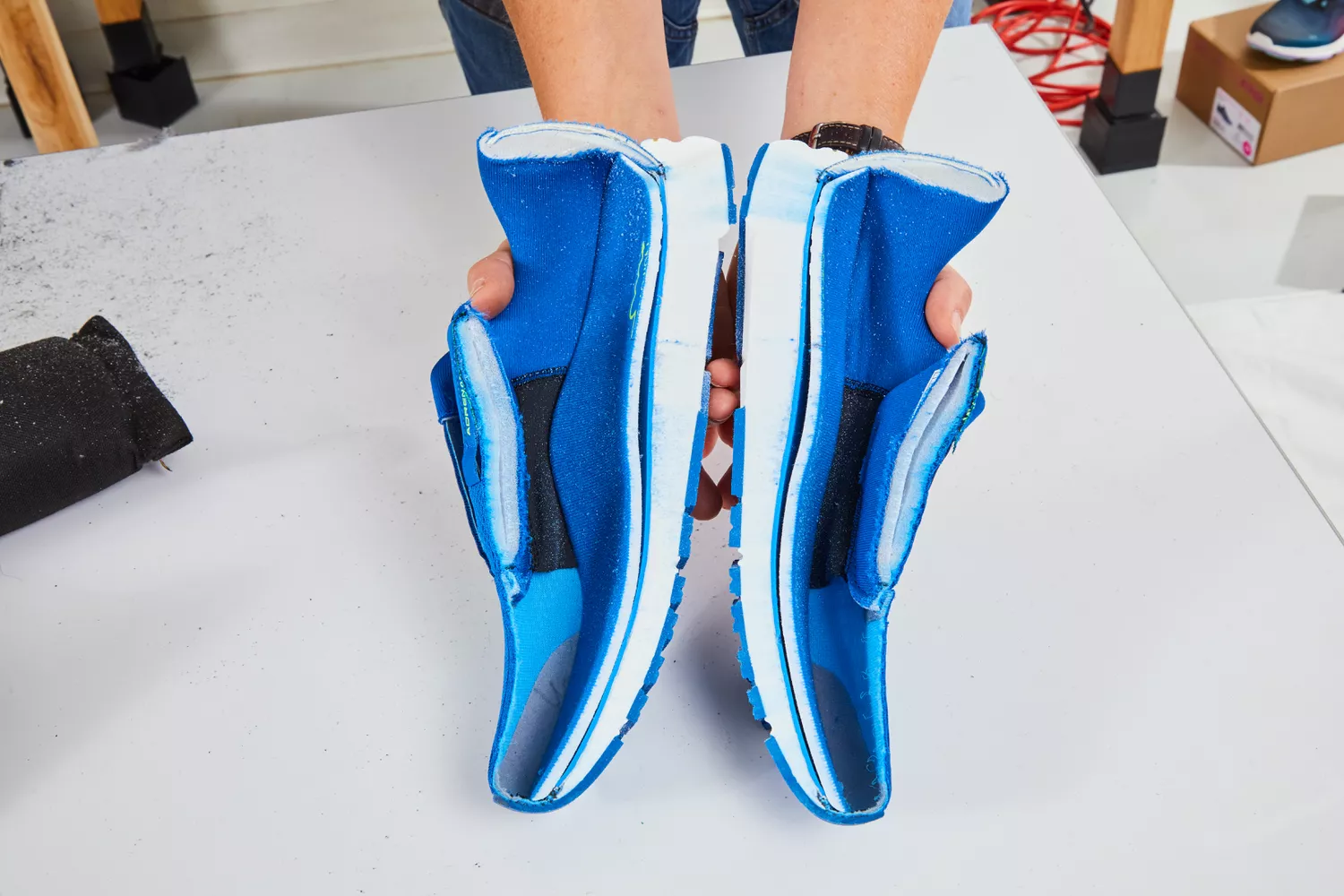
If you are logging forty, fifty, or even eighty miles a week, your footwear is no longer just an accessory—it is your most vital piece of equipment. The construction of modern distance running shoes has evolved from simple rubber slabs to complex engineering marvels designed to protect your joints. To understand what makes a shoe capable of handling marathon cycles, we have to look at the material science of the midsole.
For years, Ethylene Vinyl Acetate (EVA) was the industry standard. It is durable and relatively lightweight. However, high-performance cushioned shoes for marathon training now often utilize PEBA (Polyether Block Amide) or nitrogen-infused foams. These materials are significantly lighter and provide much higher energy return, meaning less of your effort is lost to the ground with every stride.
Beyond the foam itself, the geometry of the shoe plays a massive role in how you feel at mile twenty. Many manufacturers now employ rocker geometry, which is a curved sole design that mimics the natural rolling motion of the foot. This shape helps reduce the load on your ankle joints and calves, making it easier to maintain a consistent pace when your muscles begin to tire. Another key metric is the heel-to-toe drop. A traditional 8-10mm drop is often best for heel strikers, while a lower drop of 0-5mm is preferred by midfoot or forefoot strikers to encourage a more natural gait.
High-mileage training also demands a durable and breathable upper. Look for moisture-wicking mesh that allows heat to escape, preventing the blisters that often plague long-distance runners. A secure lockdown in the midfoot, combined with enough room for toe splay, ensures that the shoe moves with you rather than against you.
Choosing Your Support: Neutral vs. Stability Models
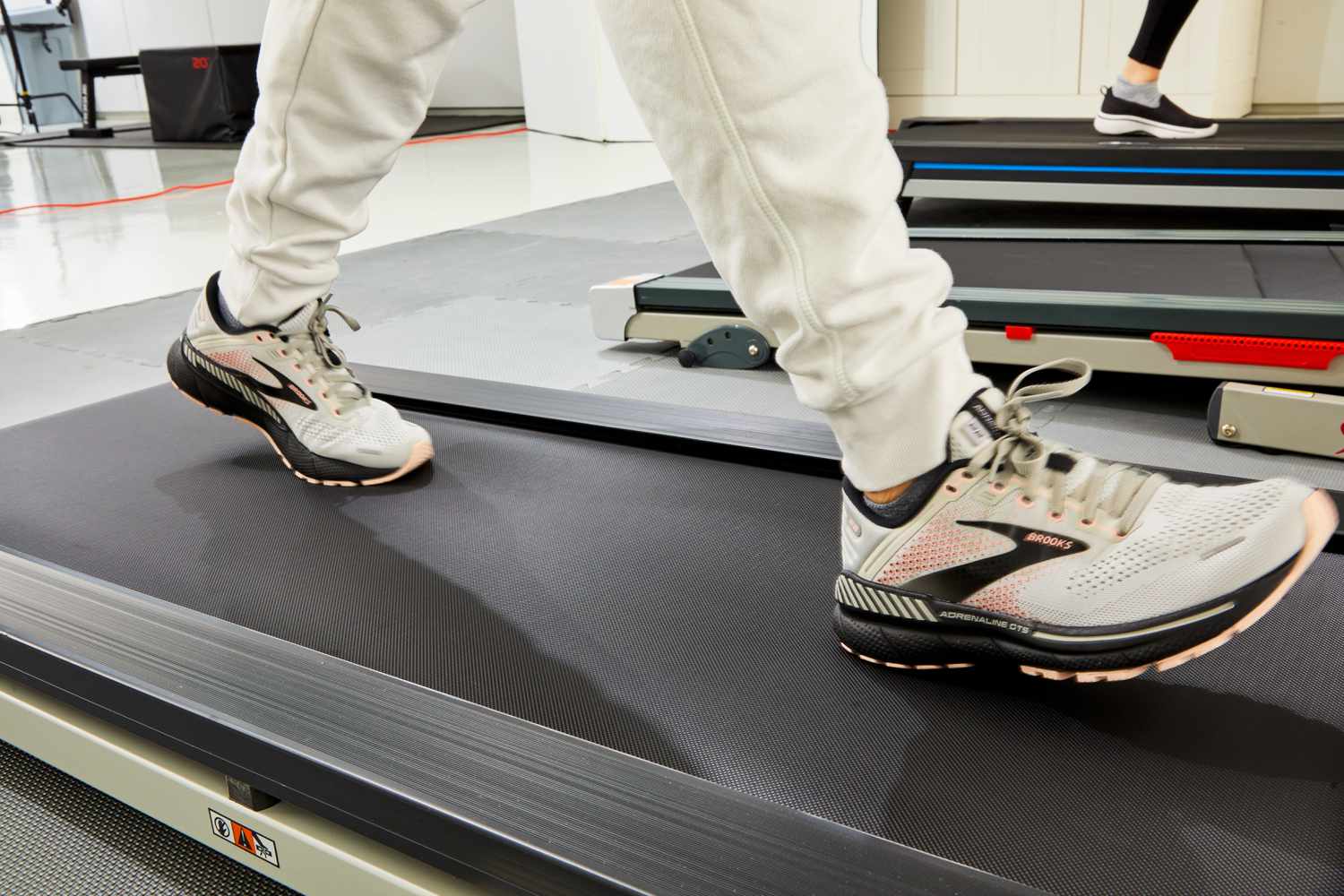
One of the most common mistakes runners make is choosing a shoe based on aesthetics or what a friend wears. High-mileage training requires a shoe that matches your specific biomechanics. This is where gait analysis becomes indispensable. By observing how your foot strikes the ground and rolls through the stride, you can determine whether you need neutral or stability running shoes for long distance.
Neutral distance running shoes are designed for runners with higher arches or those whose feet do not roll excessively inward. These models prioritize flexibility and centered cushioning, allowing the foot to move naturally. On the other hand, if you experience overpronation—where the arches collapse and the ankles roll inward—you may need stability running shoes for long distance overpronation.
Modern stability technology has moved away from the "clunky" feel of the past. Instead of hard plastic posts, many brands now use guide rails. These act like bowling alley bumpers, staying out of the way when your stride is neutral but providing support when your form starts to break down toward the end of a long run. For those seeking distance running shoes for flat feet and bad knees, this added support is critical for maintaining proper alignment and reducing the sheer force on the knee joint. Some models even carry the APMA Seal of Acceptance, signifying they are beneficial for foot health and effective for distance training.
Performance Tiers: Daily Trainers to Carbon-Fiber Racers
Not all miles are created equal, and your shoe rotation should reflect that. For the bulk of your training—the easy miles and recovery runs—a reliable daily trainer is your best friend. These shoes focus on durability and impact protection, often featuring high stack height and plush padding.
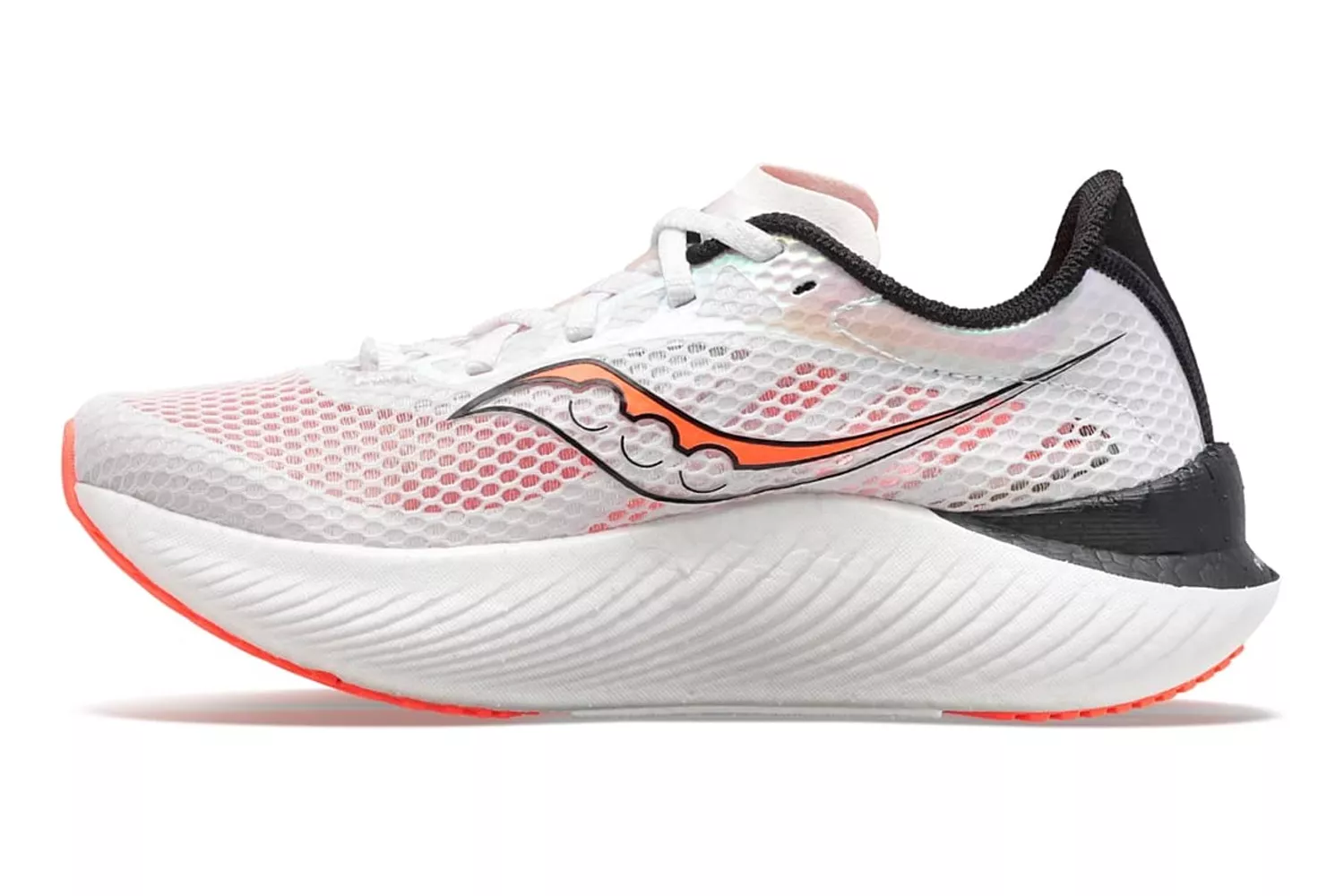
However, as you move into speed work or race day, you might consider lightweight carbon-fiber shoes for marathon racing. These "super shoes" use a rigid plate sandwiched between layers of ultra-responsive foam to propel the runner forward. While they can significantly improve your times, they are generally less durable than standard distance running shoes and should be reserved for specific workouts.
| Feature | Daily Trainer | Carbon-Fiber Racer |
|---|---|---|
| Primary Goal | Durability & Protection | Speed & Efficiency |
| Midsole Foam | Durable EVA or Blend | Ultra-responsive PEBA |
| Lifespan | 300–500 miles | 150–250 miles |
| Weight | Heavier (9–11 oz) | Ultra-light (6–8 oz) |
| Best For | Long runs & Recovery | Tempo runs & Race day |
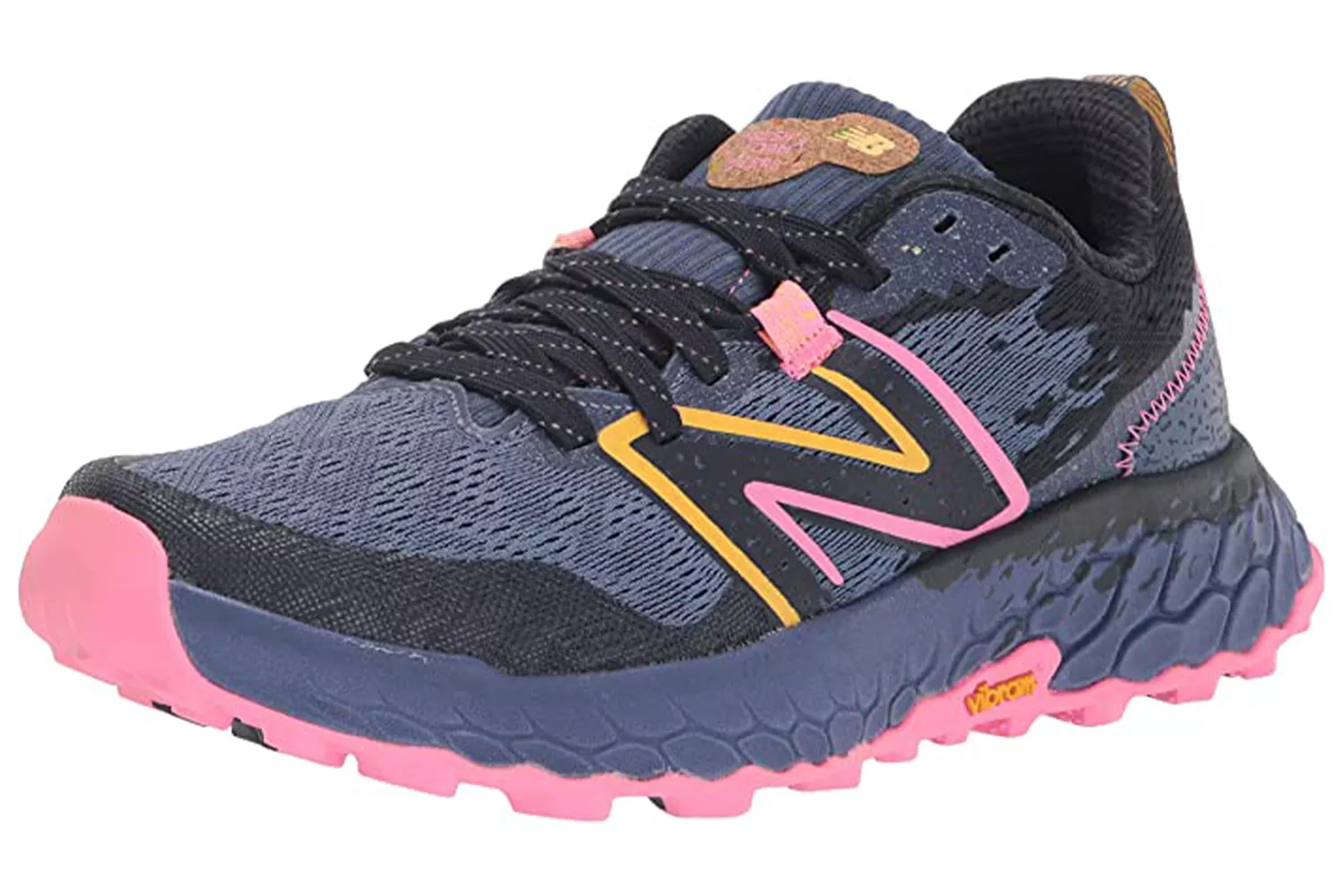
If your high-mileage goals take you off the pavement, you will need the best long distance trail running shoes for uneven terrain. These shoes differ from road models by offering aggressive road surface traction via deep outsole lugs. They also typically feature reinforced "bumpers" at the toe to protect against rocks and roots, ensuring your feet stay safe during technical mountain climbs.
Durability and Maintenance: When to Retire Your Pair
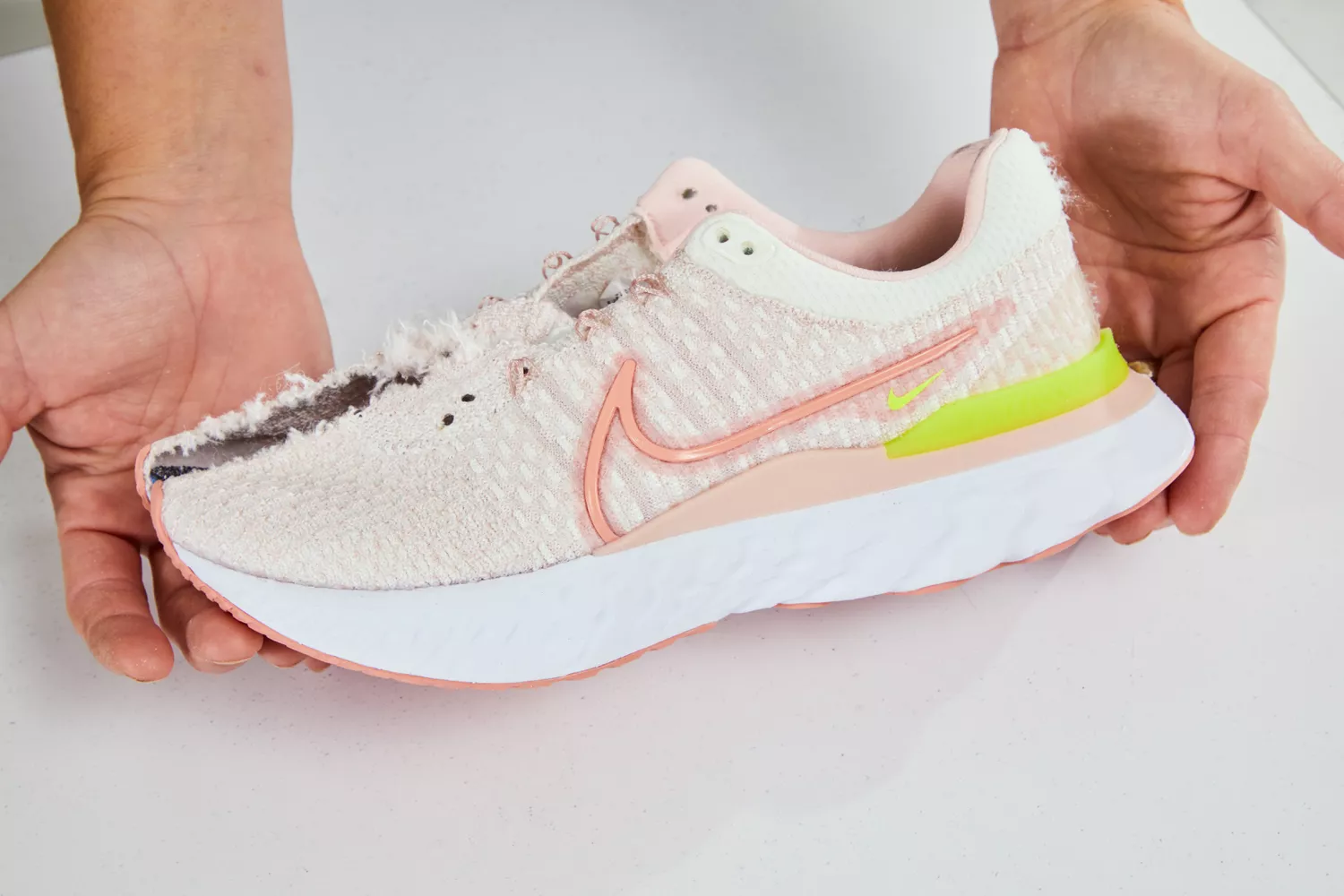
Even the most expensive distance running shoes have an expiration date. High-mileage running shoe durability is largely determined by the resilience of the midsole foam. Over time, the repeated impact of your body weight causes the air cells within the foam to collapse. This process, known as "packing out," reduces the shoe's ability to provide shock absorption and impact protection.
Experts generally recommend replacing running shoes every 300 to 500 miles, as midsole cushioning typically loses significant resiliency beyond this point. Mechanical studies show that running shoes retain approximately 70% of their original shock-absorbing capacity after 500 miles of use. While the shoe might still look fine on the outside, the internal structure may be failing, which increases the risk of stress fractures and tendonitis.
One of the best high-mileage running shoe durability features is actually your own maintenance routine. Research indicates that rotating between at least two different pairs of running shoes allows midsole foam to fully decompress between sessions. This simple habit can extend the lifespan of their cushioning properties by up to 30%.
Pro Tip: The Visual Inspection Don't just track your mileage on an app. Regularly check your outsoles for worn-down treads and look for deep creases or "wrinkles" in the foam of the midsole. If you feel a new ache in your shins or knees after a run that usually feels fine, it is often the first sign that your shoes have reached their limit.
FAQ
How long do distance running shoes typically last?
Most distance running shoes are engineered to provide optimal support for 300 to 400 miles. However, higher-end daily trainers with robust rubber outsoles can sometimes reach the 500-mile mark. Factors like your body weight, running surface, and stride mechanics will all influence how quickly the foam degrades.
What should I look for in long-distance running shoes?
The primary features to prioritize are responsive cushioning, a comfortable and breathable upper, and a fit that accommodates foot swelling. You should also consider the shoe's weight; while extra padding is great for protection, a shoe that is too heavy can lead to premature leg fatigue during marathon training.
Should distance running shoes be a size larger than normal shoes?
Yes, it is common practice to go up a half-size or even a full size from your casual street shoes. During long-distance efforts, blood flow to the feet increases, causing them to swell. If your shoes are too tight, you risk losing toenails or developing painful blisters. Aim for a thumbnail's width of space between your longest toe and the front of the shoe.
When should you replace your long-distance running shoes?
You should replace them when you hit the 300–500 mile range or when you notice visible signs of wear. These include "balding" outsoles where the traction has worn flat, significant compression lines in the foam, or a noticeable decrease in the "bounce" or softness you felt when the shoes were new.
Are carbon-plated shoes worth it for distance running?
Carbon-plated shoes are excellent for race day or high-intensity tempo runs because they improve running economy. However, they are often less stable and have a shorter lifespan than traditional trainers. For most runners, they are a valuable "extra" in the closet rather than a replacement for a daily high-mileage trainer.
Conclusion and Gear Selection Checklist
Mastering high-mileage training is a journey of consistency, and having the right tools is half the battle. By selecting distance running shoes that align with your gait and rotating them to maximize their lifespan, you set yourself up for a successful, injury-free season. Before you head to the store or click "buy," keep this final checklist in mind:
- Gait Analysis: Have you confirmed whether you need neutral or stability support?
- Stack Height: Is there enough foam to handle your specific weekly volume?
- Sizing: Did you account for the "thumbnail rule" for foot swelling?
- Surface: Are you running primarily on road, track, or trail?
- Rotation: Do you have a second pair to allow the foam to decompress?
Investing in quality footwear is an investment in your health. When your gear supports your biomechanics, every mile feels just a little bit lighter.