Quick Facts
- Duration of Focus: Matcha provides 4-6 hours of sustained energy, significantly longer than the 1-3 hour window offered by traditional coffee.
- Caffeine Content: A standard serving contains 38-88mg of caffeine, compared to 95-165mg in a typical cup of brewed coffee.
- Key Compound: L-theanine, an amino acid found in matcha, promotes alpha brain wave activity for a state of relaxed alertness.
- Antioxidant Profile: Matcha offers 137 times more EGCG (catechins) than regular steeped green tea because you consume the whole leaf.
- Adrenal Impact: Unlike coffee, matcha helps maintain stable cortisol levels, preventing the common mid-morning energy crash.
- Nutrient Density: High levels of chlorophyll and amino acids support metabolic health and long-term cognitive performance.
Matcha is a superior coffee alternative for energy because its unique L-theanine content slows caffeine absorption, preventing the cortisol spike and subsequent crash associated with traditional coffee. This specific combination of compounds creates a state of calm alertness that lasts four to six hours, making it the best coffee alternative for energy for those seeking sustained productivity without the jitters.
Feeling the mid-morning slump? While coffee offers a quick spike, matcha is emerging as the ultimate coffee alternative for energy. By combining caffeine with L-theanine, matcha provides a sustained boost without the jitters. This guide explores why switching to matcha could be your best health move in 2026, bridging the gap between ancient botanical wisdom and modern clinical evidence. Whether you are looking for a healthy alternative for coffee to stay awake or simply want to protect your adrenal health, the science behind this vibrant green powder is compelling.
The Biochemistry of Calm Alertness: L-Theanine vs. Cortisol
As an editor specializing in botanical extracts, I often see people trapped in a cycle of caffeine-induced stress. When you drink coffee, the caffeine enters your bloodstream rapidly, causing a sharp spike in cortisol and adrenaline. This "fight or flight" response is why you might feel productive for forty-five minutes, only to find your hands shaking or your heart racing. This is not true energy; it is a temporary physiological stress state.
In contrast, matcha is one of the most effective healthy alternatives to coffee for energy because it fundamentally changes how your body processes stimulants. The secret lies in L-theanine, an amino acid that serves as a natural counterbalance to caffeine. Research shows that matcha contains approximately 20 mg to 44 mg of L-theanine per serving, which promotes alpha brain waves. These brain waves are associated with a state of "relaxed alertness"—the same mental state achieved during deep meditation.
By modulating the way caffeine hits your system, matcha prevents the harsh cortisol spikes that lead to adrenal fatigue over time. Instead of the jagged peaks and valleys of a coffee habit, you experience a sustained wave of clarity. This makes it an ideal natural coffee alternative for focus and energy, especially for individuals who find themselves reaching for a third or fourth cup of espresso just to survive the afternoon.
Matcha vs. Coffee: The 2026 Energy Metric Comparison
When evaluating the best coffee alternative for energy, we must look at the quantitative data. The experience of drinking matcha is physically different because you are consuming the entire ground leaf, rather than just the water filtered through beans or tea leaves. This "whole-leaf advantage" ensures a more concentrated delivery of amino acids, catechins, and chlorophyll.
The following table illustrates the physiological differences between these two popular morning beverages based on current clinical observations:
| Metric | Brewed Coffee (8 oz) | Matcha (2g serving) |
|---|---|---|
| Caffeine Content | 95 mg to 165 mg | 38 mg to 88 mg |
| Energy Duration | 1 to 3 hours | 4 to 6 hours |
| Primary State | Jittery Spike / Cortisol Surge | Calm Alertness / Alpha Waves |
| pH Level | Acidic (approx. 4.8 - 5.1) | Alkaline (supports gut health) |
| Antioxidants | Moderate (Polyphenols) | Extremely High (Catechins/EGCG) |
| Metabolic Impact | Quick spike, rapid drop | Gradual release, sustained burn |
One of the most significant metrics for the modern professional is the duration of focus. While coffee produces a sharp energy spike within 15 to 30 minutes that often fades into a crash 2 to 3 hours later, matcha releases its caffeine gradually. This makes matcha vs coffee for sustained energy a clear win for the green tea powder. For coffee alternative for energy for caffeine sensitive people, the lower, controlled dosage of caffeine in matcha provides the necessary lift without overstimulating the nervous system.
The 14-Day Transition: How to Switch from Coffee to Matcha
Transitioning your morning ritual is as much about psychology as it is about biology. If you have been a daily coffee drinker for years, your adenosine receptors are accustomed to a specific level of stimulation. To successfully implement a coffee alternative for energy without caffeine crash, I recommend a structured two-week approach to allow your adrenal glands to recalibrate.
- Days 1-3: The Hybrid Phase. Don't go cold turkey. Replace your second cup of coffee with a bowl of whisked matcha. This introduces L-theanine to your system while still providing enough coffee-based caffeine to prevent withdrawal headaches.
- Days 4-7: The Full Switch. Move your primary morning beverage to matcha. You may notice a slight drop in that "jittery" intensity, but pay attention to your energy at 11:00 AM. You will likely find the usual mid-morning slump is absent.
- Days 10-14: Stabilization. By this point, your cortisol levels begin to normalize. You are using an alternative for coffee to stay awake that doesn't borrow energy from tomorrow. You will likely notice improved sleep quality and more consistent mental clarity throughout the workday.
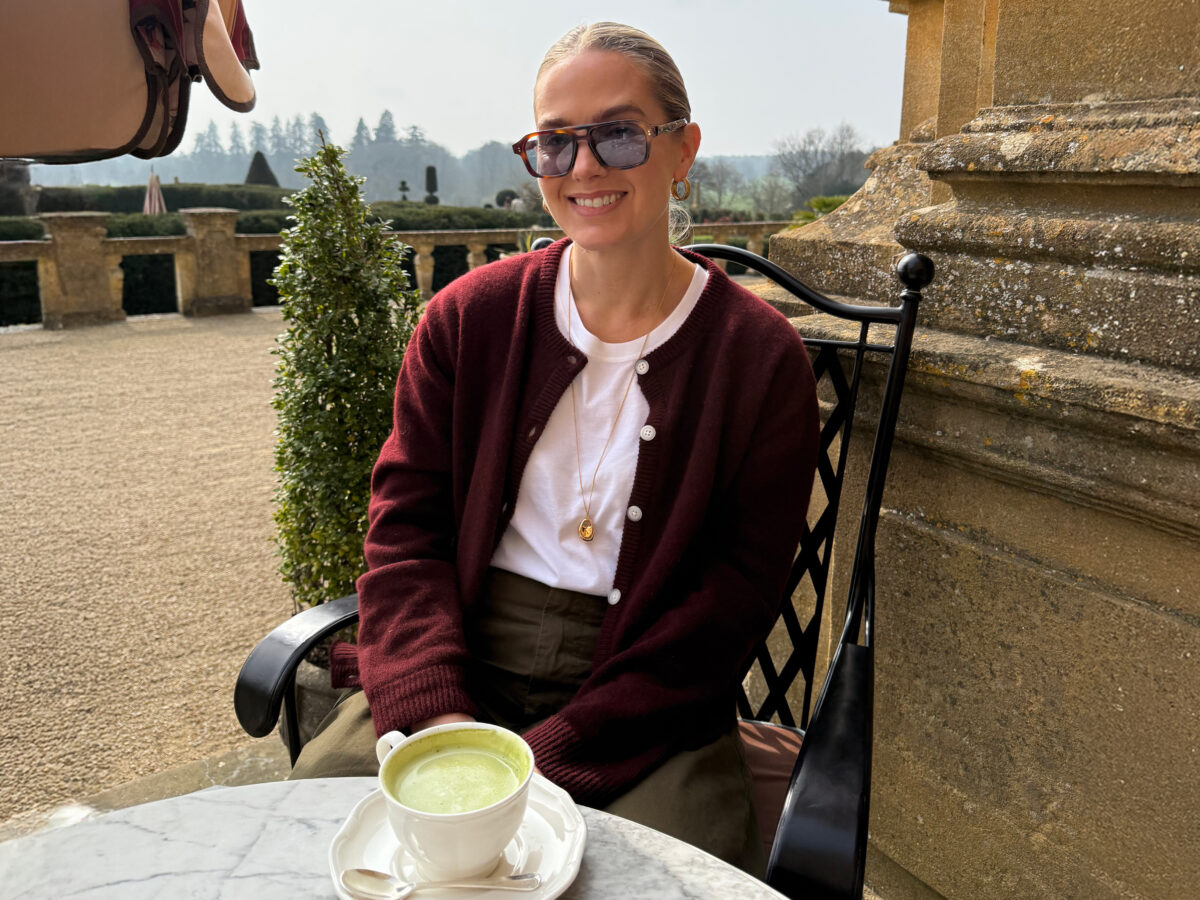
Many people asking how to switch from coffee to matcha for energy find that the ritual of preparation helps replace the habit of the coffee shop run. The tactile experience of whisking the powder into a froth provides a mindful moment that coffee rarely offers.
Technical Mastery: Making Matcha at Home for Maximum Potency
To ensure you are getting the full benefits of your coffee alternative for energy, you must treat the preparation with botanical respect. Making matcha at home for morning energy is a skill that preserves the delicate antioxidants and amino acids that make the drink so effective.
First, the quality of your powder matters. Always look for Ceremonial Grade matcha, which is made from the youngest tea leaves and stone-ground to a fine silk. Culinary grade is excellent for baking, but for a jitter-free morning drink, the higher L-theanine content of ceremonial grade is essential.
The most critical technical rule is the temperature of your water. Never use boiling water. Pouring 100°C water directly onto the powder will burn the leaves, resulting in a bitter taste and degrading the sensitive catechins. Instead, use water cooled to approximately 80°C. This temperature allows the chlorophyll and amino acids to bloom without losing their potency.
For the best texture, use a traditional bamboo whisk (chasen). Sift 1.5 to 2 grams of matcha into a bowl, add a small amount of hot water, and whisk in an "M" shaped motion—not a circular one. This creates a thick, creamy froth that carries the flavor beautifully. If you prefer a latte, pair this froth with creamy plant-based barista blends like pistachio or coconut milk. These healthy fats further slow the digestion of caffeine, enhancing the sustained energy effect even further.
FAQ
What can give you energy like coffee?
If you are looking for something that provides a similar cognitive lift to coffee but with a better safety profile, matcha is the premier choice. Other options include adaptogenic herbs like Rhodiola Rosea or Cordyceps mushrooms, but matcha remains the most direct replacement because it still contains a functional amount of caffeine, paired with the calming properties of L-theanine.
What to replace with coffee for energy?
Matcha is the most effective replacement because it provides a similar ritual and caffeine hit without the subsequent energy drop. By switching to matcha, you are replacing a high-acid, high-cortisol stimulant with an alkaline, antioxidant-rich beverage that supports metabolic health while keeping you alert for four to six hours.
Is mushroom coffee actually good for you?
Mushroom coffee is an excellent functional beverage that often blends instant coffee with adaptogens like Lion's Mane or Chaga. While it is better for your adrenals than standard coffee, many brands still use a coffee base that can trigger acidity. Matcha is often preferred by those with sensitive stomachs or those who want a completely different caffeine metabolism experience.
What do cardiologists say to add to your coffee?
Many health professionals recommend adding healthy fats like grass-fed butter or MCT oil to coffee to slow caffeine absorption. However, if you are looking for a naturally balanced profile, switching to matcha provides those same benefits—steady energy and mental clarity—without the need for added fats, thanks to its inherent L-theanine content.
Choosing the right coffee alternative for energy is a significant step toward long-term wellness. By moving away from the "spike-and-crash" cycle of traditional caffeine and embracing the sustained, calm alertness of matcha, you are not just changing your drink—you are optimizing your biology for a more focused and balanced life.